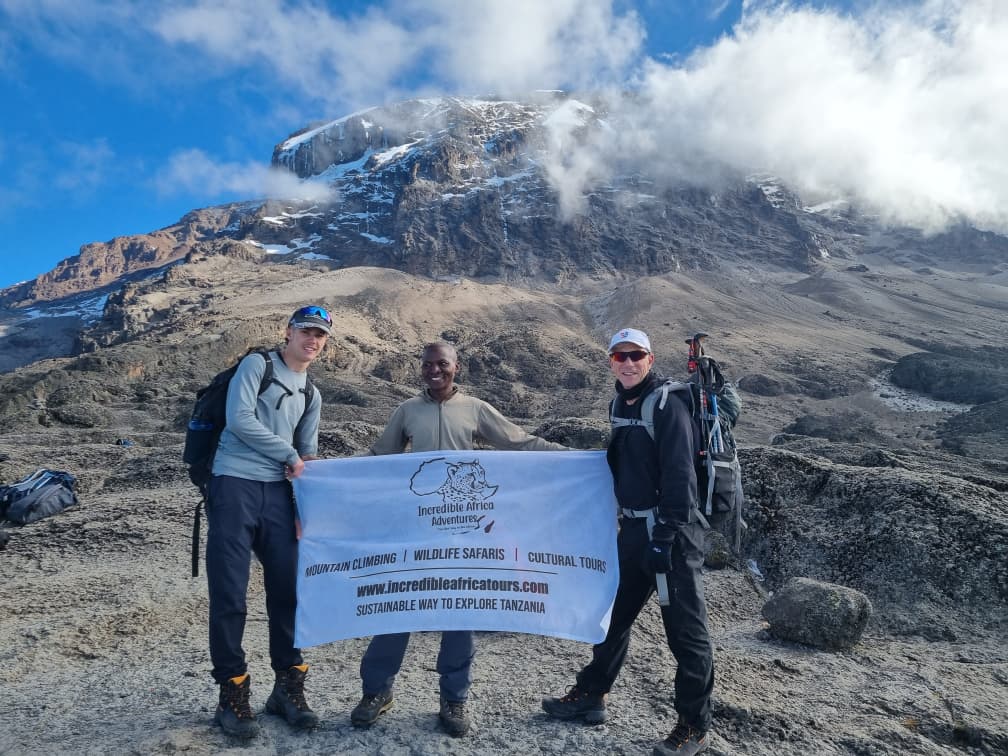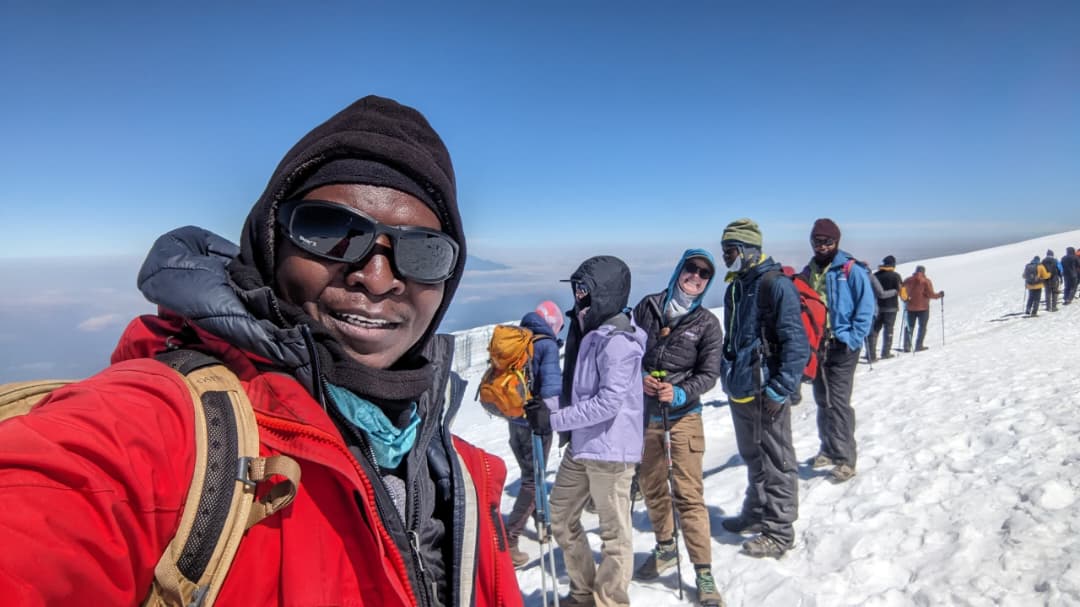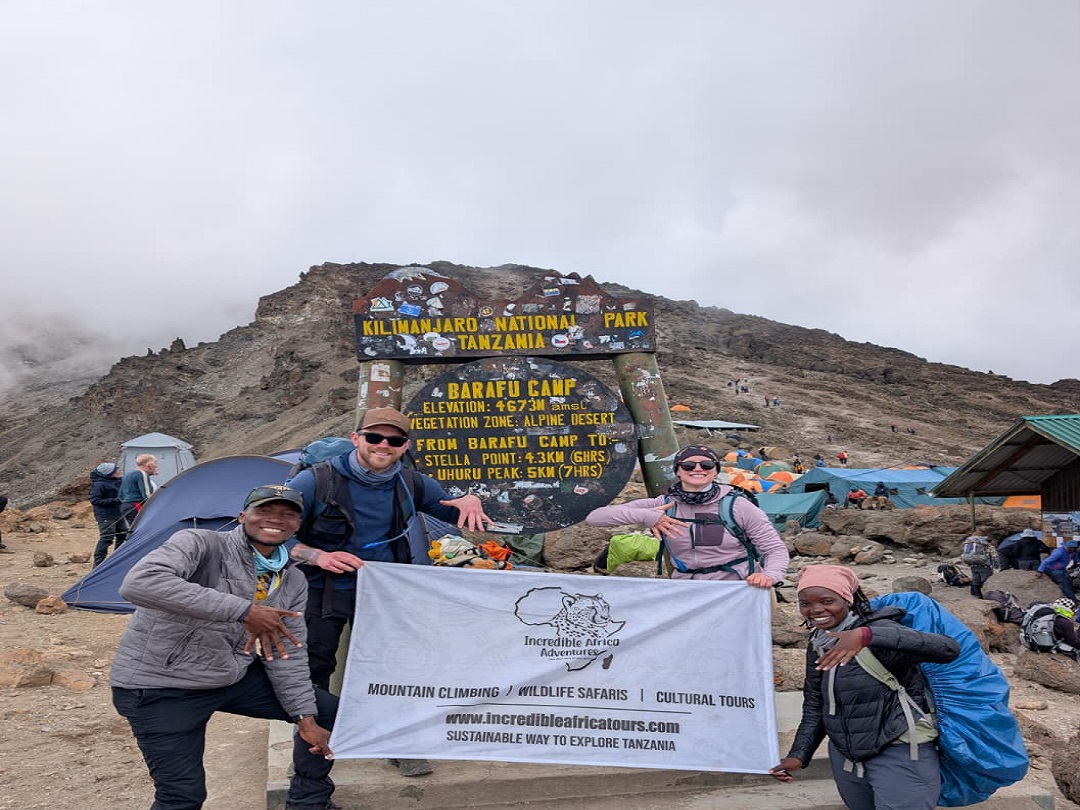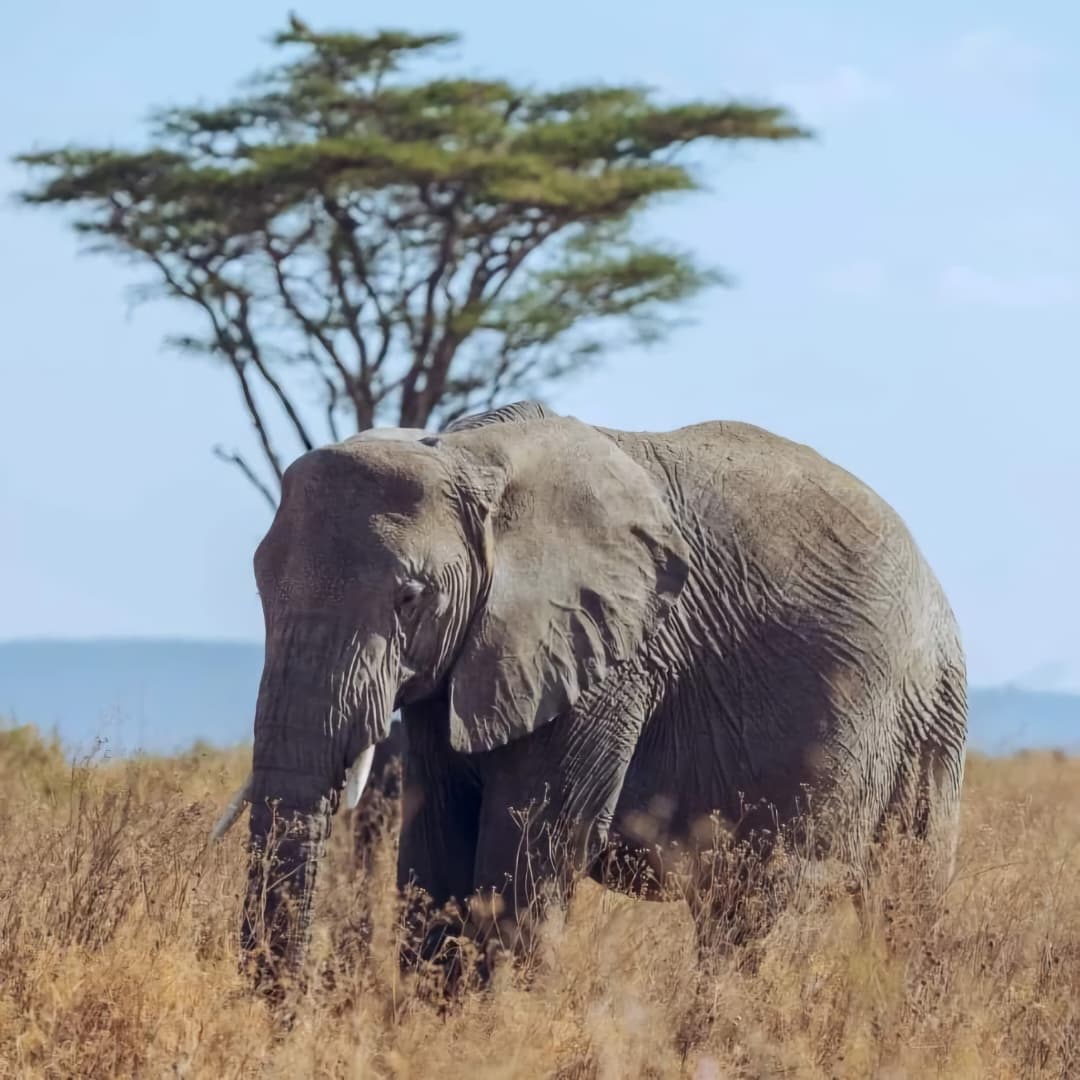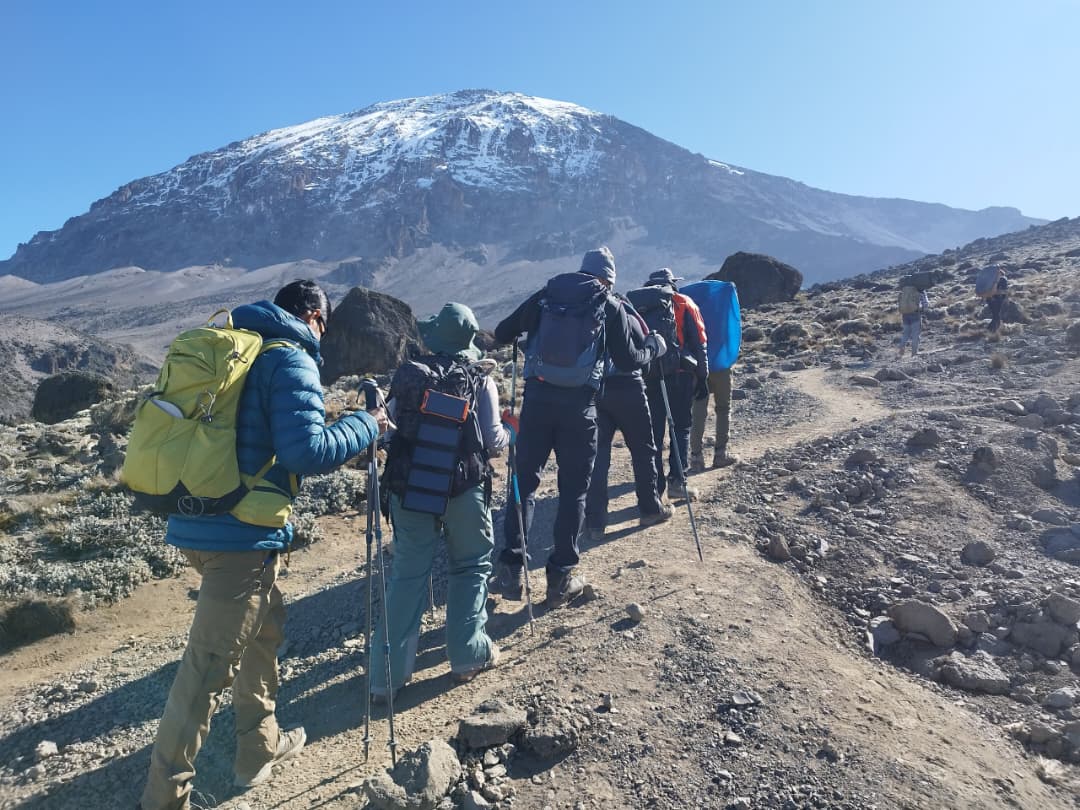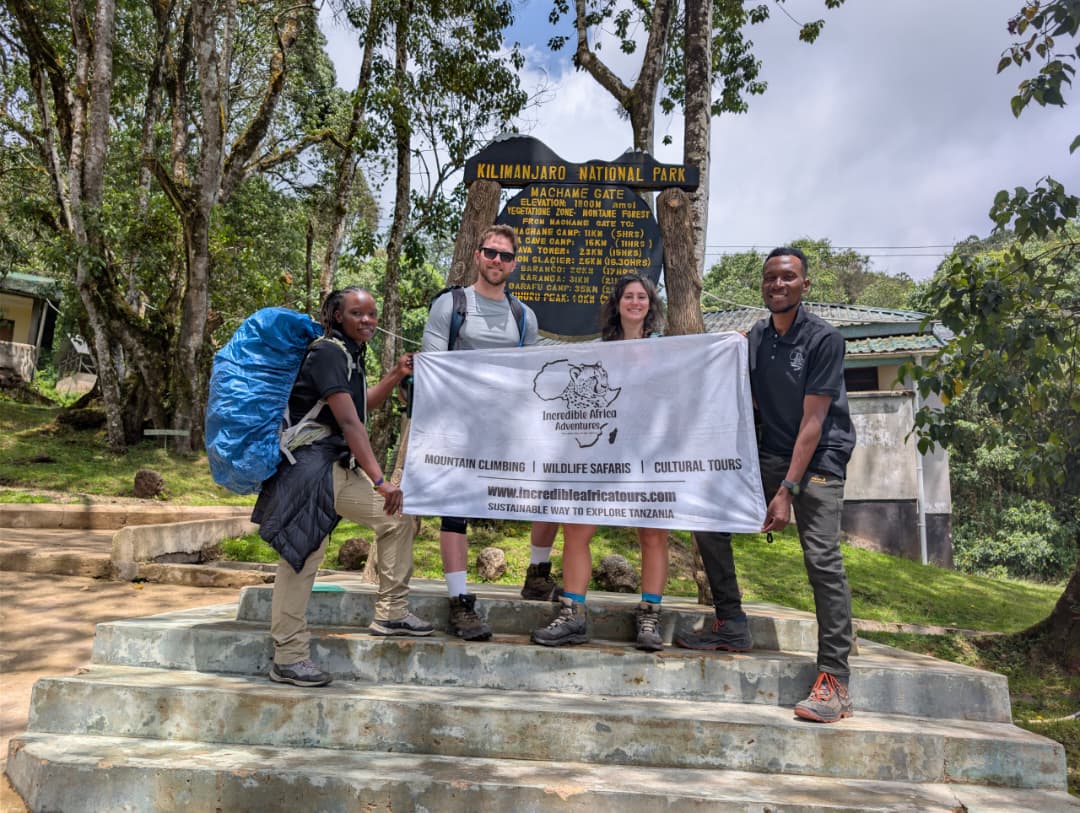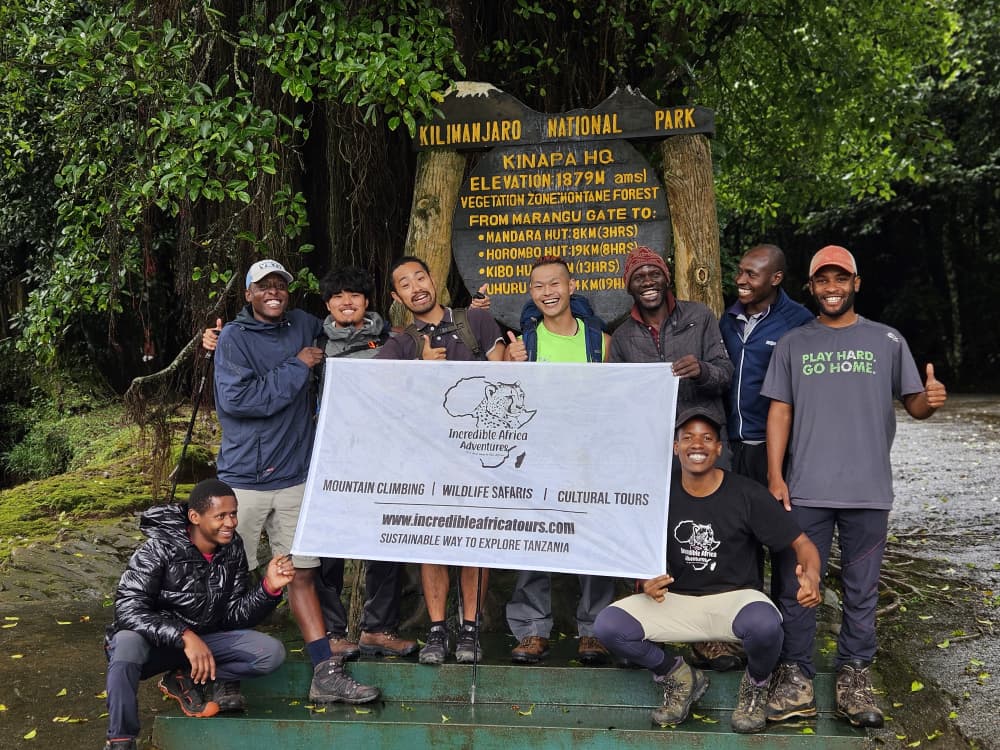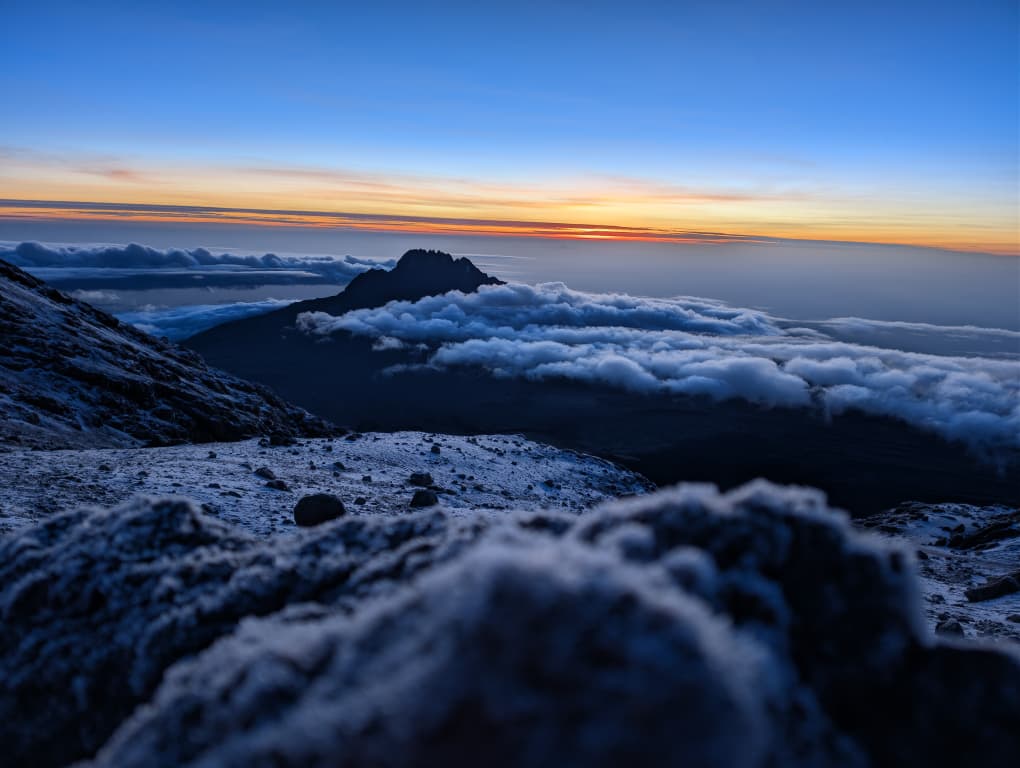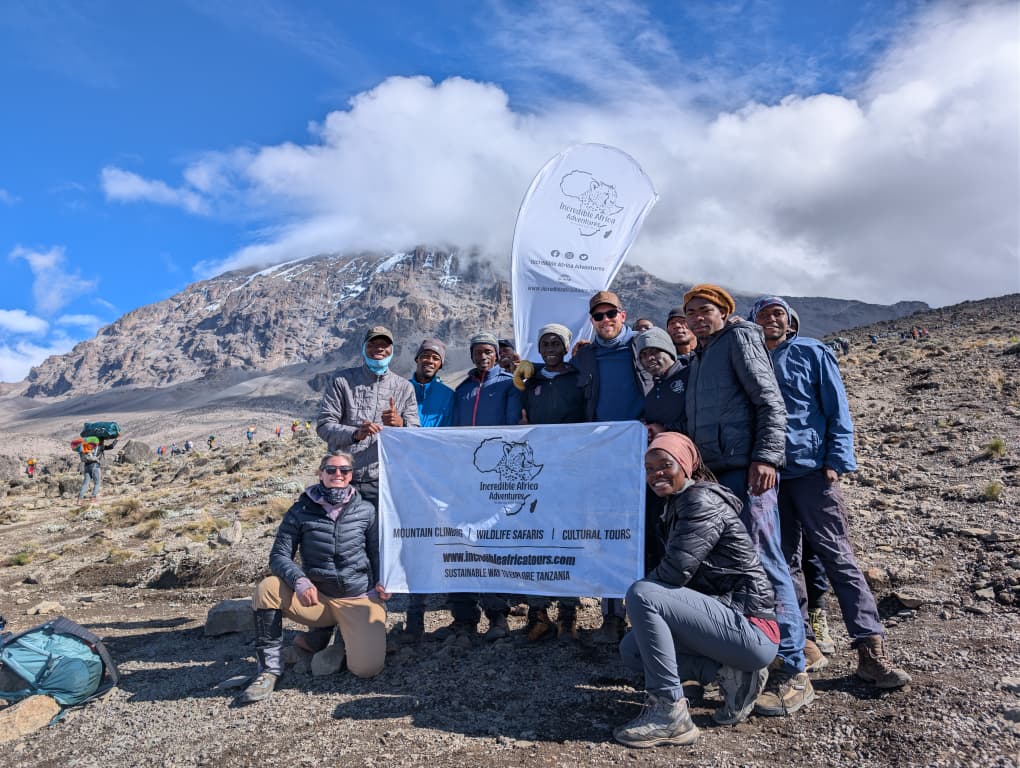

Climbing Mount Kilimanjaro is far more than reaching the summit of Africa’s highest mountain—it is a life-changing adventure filled with breathtaking landscapes, personal triumph, and unforgettable moments. Rising to 5,895 meters (19,341 feet) above sea level, Mount Kilimanjaro is the tallest free-standing mountain on Earth and one of the world’s most iconic trekking destinations.
Each year, travelers from around the globe come to Tanzania to challenge themselves on this legendary peak. The journey leads climbers through extraordinary landscapes—from lush tropical rainforest and open moorlands to alpine deserts and icy summit glaciers. Every step toward Uhuru Peak, the highest point in Africa, reveals a new perspective on nature, endurance, and personal achievement.
At Incredible Africa Adventures, we specialize in safe, sustainable, and professionally guided Mount Kilimanjaro climbs. Our experienced local guides, dedicated mountain crew, and carefully designed itineraries ensure that your journey to the Roof of Africa is not only successful but also enjoyable, comfortable, and deeply meaningful.
Mount Kilimanjaro can be climbed throughout the year, but choosing the right season greatly improves your experience. Weather conditions influence trail visibility, comfort, and summit success rates.
The months from December to March are considered one of the best periods for climbing Kilimanjaro. Temperatures are relatively warm, skies are often clear, and the mountain is less crowded compared to peak travel seasons. February is particularly popular among climbers because it combines stable weather with excellent visibility.
The June to October season is slightly colder, especially at high altitude, but it offers dry trails and stunning views of the summit and surrounding landscapes. This period coincides with European and North American summer holidays, making the mountain livelier with climbers from around the world.
The long rainy season from March to May can bring heavy rainfall, slippery trails, and cloudy conditions that limit mountain views. While some experienced trekkers still climb during this time, it is generally less ideal for first-time climbers.
For the best experience, plan your climb between:
These months provide the most stable weather and the highest summit success rates.
Choosing the right Kilimanjaro route is one of the most important decisions when planning your Kilimanjaro climb. Each route offers unique scenery, difficulty levels, and acclimatization opportunities.
The Lemosho Route is widely regarded as the most beautiful Kilimanjaro route. Beginning on the western side of the mountain, it crosses diverse landscapes before joining the Machame trail. It offers excellent acclimatization and one of the highest summit success rates.
Often called the “Whiskey Route,” the Machame Route is famous for its dramatic scenery and adventurous terrain. It is challenging but rewarding, making it a favorite for experienced hikers.
Approaching from the northern side near Kenya, the Rongai Route is quieter and receives less rainfall. This route offers a peaceful trekking experience and occasional wildlife sightings.
The Northern Circuit Route is the longest Kilimanjaro route, circling the remote northern slopes of the mountain. Its extended duration allows exceptional acclimatization and one of the highest summit success rates.
Known as the “Coca-Cola Route,” Marangu Route is the only route with hut accommodations instead of tents. It is a popular option for climbers who prefer additional shelter and comfort.
For the best summit success rate, we recommend 7–9 day itineraries. Longer climbs allow your body more time to adjust to altitude, significantly reducing the risk of altitude sickness.
You do not need to be an elite athlete to climb Kilimanjaro, but proper preparation will greatly improve your experience and increase your chances of reaching the summit.
Begin training 8–12 weeks before your climb. Focus on endurance activities such as hiking, walking long distances, cycling, or stair climbing. Practicing hikes with a backpack helps simulate mountain conditions.
Strength exercises like squats, lunges, and core workouts improve muscle endurance. Stretching, yoga, and breathing exercises enhance flexibility and lung capacity, which are valuable at high altitude.
While trekking on Kilimanjaro:
Our experienced guides carefully monitor your health and ensure safe acclimatization throughout the climb.
Climbing Mount Kilimanjaro is an extraordinary journey through five ecological zones, each offering unique landscapes and wildlife.
Dense tropical forest filled with birds, monkeys, and lush vegetation.
Open landscapes with giant heathers, unique plants, and sweeping views.
A dramatic high-altitude landscape of volcanic rock and wide skies.
Cold, icy terrain near the summit where glaciers surround the peak.
Reaching Uhuru Peak at sunrise is an emotional and unforgettable moment—one that symbolizes perseverance, achievement, and the power of human determination.
Altitude sickness is the most common challenge climbers face on Kilimanjaro. Proper acclimatization and pacing are essential for a safe and successful climb.
To stay safe:
At Incredible Africa Adventures, our guides are trained in high-altitude safety and first aid, and every climb includes health monitoring and emergency support.
The cost of climbing Mount Kilimanjaro varies depending on route, duration, and group size.
$1,800 – $4,500 per person
Choosing a responsible operator ensures proper safety standards, fair porter treatment, and high-quality service.
Selecting the right Kilimanjaro operator is essential for both safety and success. Climbers from around the world trust Incredible Africa Adventures because of our professionalism, experience, and commitment to ethical tourism.
Our certified guides have extensive knowledge of Kilimanjaro and provide expert leadership throughout the climb.
Our carefully planned itineraries prioritize acclimatization and safety.
We ensure fair wages, proper equipment, and respectful treatment of our mountain crew.
Every trek is customized to match your goals, fitness level, and schedule.
Modern tents, nutritious meals, and reliable logistics ensure a comfortable climbing experience.
At Incredible Africa Adventures, we believe that responsible tourism protects both nature and communities.
We support ethical climbing practices by:
When you climb with us, you are contributing to sustainable tourism in Tanzania.
Climbing Mount Kilimanjaro is one of the most inspiring adventures on Earth. The journey challenges your limits, rewards your determination, and offers memories that last a lifetime. With Incredible Africa Adventures, you will climb with a passionate local team dedicated to making your experience safe, enjoyable, and unforgettable.
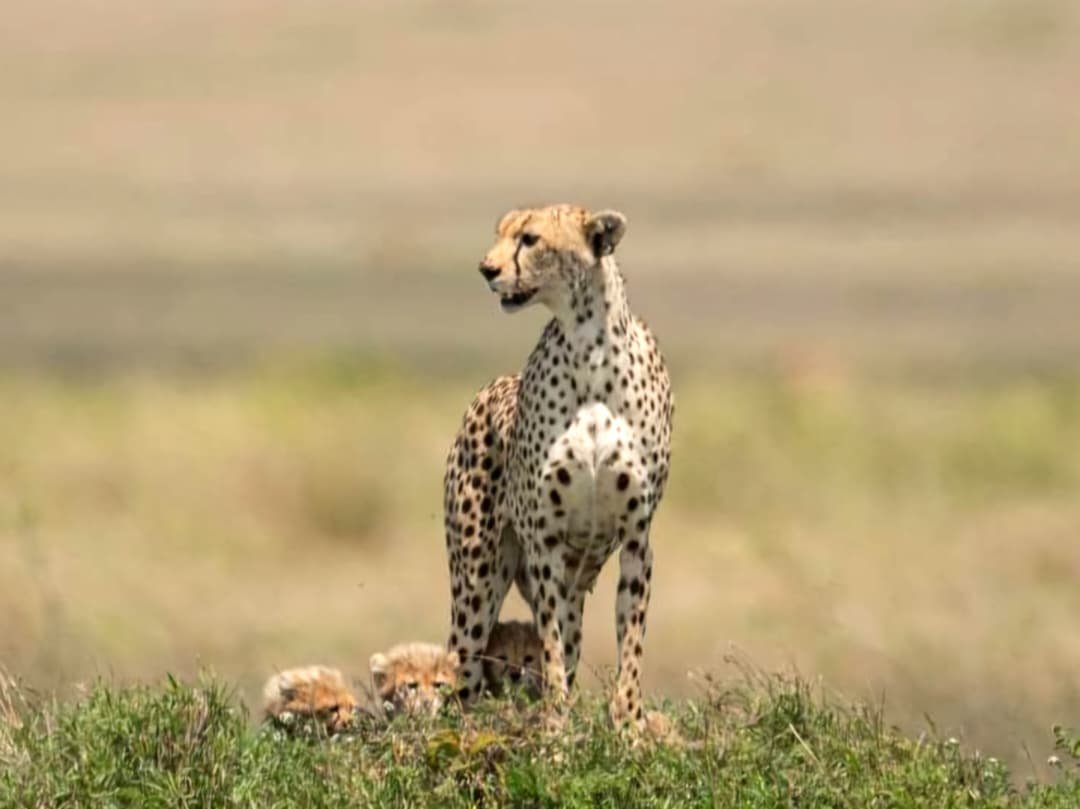
Many climbers also combine this adventure with a Tanzania wildlife safari, exploring Serengeti, Ngorongoro Crater, and Tarangire National Park after their summit.
Climbing Mount Kilimanjaro is considered a challenging high-altitude trek rather than a technical climb. No ropes or mountaineering experience are required, but good physical preparation and proper acclimatization are essential. Most climbers who follow a well-planned itinerary and listen to their guides successfully reach the summit.
Most Kilimanjaro climbs take 5 to 9 days, depending on the route. Longer itineraries allow better acclimatization and significantly improve summit success rates.
Mount Kilimanjaro summit success rates depend on the chosen route and duration. Longer routes such as Lemosho and Northern Circuit often have success rates above 90-95% because they provide more time for acclimatization.
No technical climbing skills are required to climb Mount Kilimanjaro. The climb is essentially a multi-day high-altitude hike supported by professional guides and porters.
Essential gear includes:
Our team provides a detailed Kilimanjaro packing list before your trip.
Yes, many first-time trekkers successfully climb Mount Kilimanjaro every year. With proper preparation, the right itinerary, and experienced guides, beginners can safely reach the summit. Choosing longer routes that allow better acclimatization, such as the Lemosho or Machame routes, greatly improves your chances of success. It’s also important to follow key Kilimanjaro beginner guidelines, including proper training, gradual altitude gain, staying well hydrated, and listening to your guides. By preparing well and trekking at a steady pace, even beginners can enjoy a safe, rewarding, and successful Mount Kilimanjaro summit experience.
Drop us a line. Our tour experts will answer all your questions shortly