
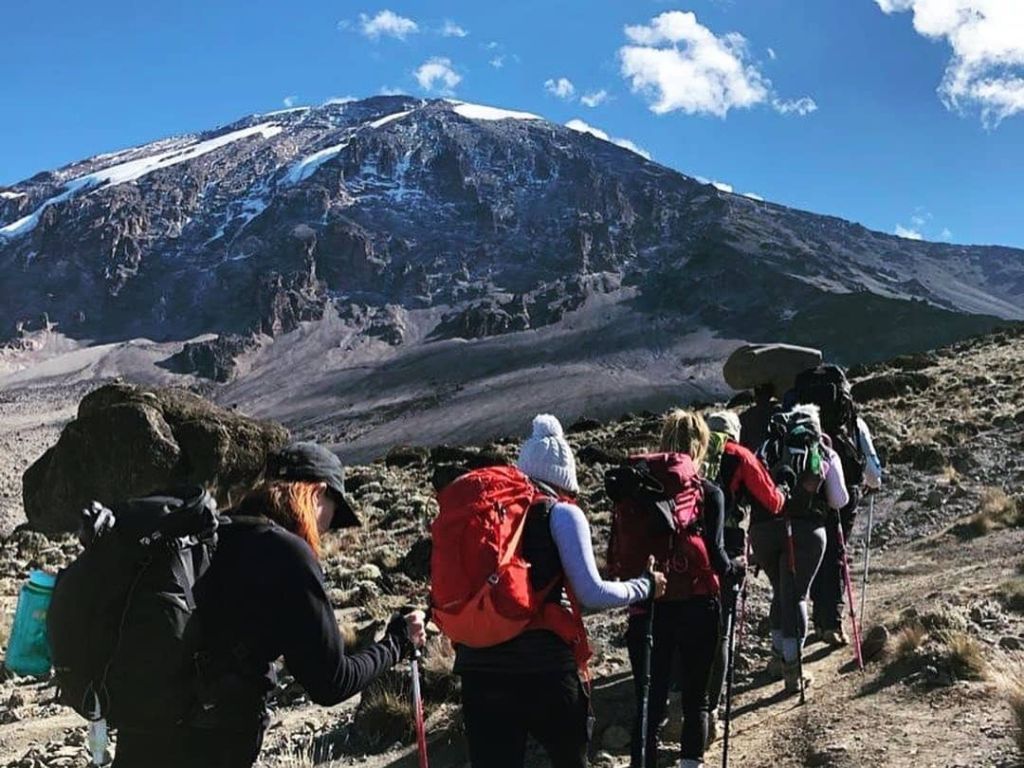
Climbing Mount Kilimanjaro, Africa’s highest mountain at 5,895 meters (19,341 feet), is an unforgettable adventure that attracts thousands of climbers each year. While the trek does not require technical mountaineering skills, the high altitude presents a unique challenge that every climber must understand before beginning the journey.
One of the most important health considerations when climbing Kilimanjaro is altitude sickness, also known as Acute Mountain Sickness (AMS). As climbers ascend to higher elevations, the amount of oxygen available in each breath decreases, making it harder for the body to function normally.
Understanding how altitude affects the body — and knowing how to prevent and manage symptoms — is essential for a safe and successful climb.
At Incredible Africa Adventures, our experienced guides carefully monitor climbers’ health throughout the trek and implement strategies that help reduce altitude-related risks while maximizing summit success.
Yes, altitude sickness is one of the most common challenges when climbing Mount Kilimanjaro. Because the summit reaches 5,895 meters (19,341 feet) above sea level, oxygen levels are significantly lower than at lower elevations.
Many climbers experience mild symptoms such as headaches or fatigue as their bodies adjust to the altitude. With proper acclimatization, slow pacing, and experienced guides, most trekkers can safely manage these symptoms and successfully reach the summit.
Altitude sickness occurs when the body cannot adjust quickly enough to the reduced oxygen levels found at high elevations. Although the percentage of oxygen in the air remains the same, the barometric pressure decreases as altitude increases, meaning fewer oxygen molecules are available with each breath.
For example, at sea level the atmospheric pressure is about 760 mmHg, but at around 3,600 meters (12,000 feet) it drops significantly, reducing the amount of oxygen reaching the bloodstream.
This decrease in oxygen forces the body to work harder. Breathing becomes faster, the heart rate increases, and the body begins adapting through a process known as acclimatization. However, when climbers ascend too quickly without allowing enough time for adjustment, altitude sickness may develop.
Altitude sickness is relatively common on Mount Kilimanjaro because the climb gains significant elevation in a short period of time.
Studies suggest that up to 50–75% of climbers experience mild symptoms of AMS at some point during their trek. Fortunately, most cases are mild and can be managed by slowing the pace, staying hydrated, and allowing the body to acclimatize properly.
Severe altitude illness is much less common, especially when climbers follow professional guidance and descend when necessary.
Altitude sickness can appear within 6 to 24 hours after reaching higher elevations. Symptoms range from mild discomfort to more serious medical conditions.
Most climbers who experience altitude sickness have mild symptoms such as:
These symptoms often improve within a day or two as the body adjusts to altitude.
Moderate AMS occurs when symptoms become more severe and begin affecting daily activities.
Signs may include:
In these situations, climbers must stop ascending and may need to descend to a lower altitude.
Severe altitude illness is rare but potentially life-threatening. It can develop into two dangerous conditions:
HAPE occurs when fluid builds up in the lungs, making breathing extremely difficult.
Symptoms include:
Immediate descent and medical attention are required.
HACE results from swelling of the brain due to altitude-related fluid leakage.
Symptoms include:
HACE is a medical emergency that requires immediate descent and treatment.
Preventing altitude sickness begins with proper planning and climbing strategies.
Kilimanjaro routes that allow more time for gradual ascent significantly reduce altitude sickness risk. The Lemosho Route, Machame Route (7 days), and Northern Circuit Route are widely recommended for their excellent acclimatization profiles.
This method involves hiking to a higher altitude during the day and descending slightly to sleep. This approach helps the body adjust more effectively to reduced oxygen levels.
The Swahili phrase “pole pole,” meaning “slowly slowly,” is a guiding principle on Kilimanjaro. Walking at a slow and steady pace allows the body to adapt naturally while conserving energy.
Proper hydration is essential at high altitude. Climbers should drink three to four liters of water per day to maintain circulation and prevent dehydration.
Energy-rich meals containing carbohydrates and proteins help maintain stamina and support acclimatization during the trek.
Some climbers choose to use medication to help prevent altitude sickness.
Diamox is commonly used to improve the body’s oxygen efficiency and speed up acclimatization. Many climbers begin taking Diamox one day before the climb and continue during the ascent. Always consult a doctor before using any altitude medication.
Ibuprofen can help relieve headaches associated with altitude. Other medications such as Nifedipine may be used for severe conditions like HAPE but should only be administered under medical supervision.
Besides altitude sickness, climbers may experience several minor health issues during the trek.
Common examples include dehydration, sunburn, nosebleeds caused by dry air, snow blindness from strong UV exposure, and digestive discomfort.
Most of these issues can be prevented with proper hydration, sunscreen, protective clothing, and good nutrition.
At Incredible Africa Adventures, the safety and well-being of our climbers are always our highest priorities.
Our professional guides conduct daily health checks, including monitoring oxygen saturation levels and heart rate. We encourage open communication so climbers feel comfortable reporting any symptoms they experience.
Our teams also carry first aid kits and emergency oxygen, ensuring that appropriate support is available whenever needed.
Yes. Altitude sickness can affect anyone regardless of age, fitness level, or previous trekking experience.
Climbing slowly, choosing longer routes, staying hydrated, and following your guide’s instructions are the most effective ways to prevent altitude illness.
Symptoms of altitude sickness often begin above 2,500 meters (8,200 feet), although this varies from person to person.
Many climbers experience mild symptoms, but serious altitude illness is uncommon when proper acclimatization and safety procedures are followed.
Altitude sickness can begin at elevations above 2,500 meters (8,200 feet). On Mount Kilimanjaro, most climbers start feeling mild symptoms between 3,000 and 4,000 meters, depending on how quickly they ascend and how well their bodies acclimatize.
Climbing Mount Kilimanjaro is a remarkable journey that combines adventure, challenge, and personal achievement. By understanding altitude sickness and preparing properly, climbers can significantly improve their chances of reaching the summit safely.
At Incredible Africa Adventures, our experienced mountain guides provide expert guidance, careful monitoring, and personalized support throughout the entire trek. If you are ready to begin planning your Kilimanjaro adventure, our team is here to help you climb safely, confidently, and successfully.
Drop us a line. Our tour experts will answer all your questions shortly