
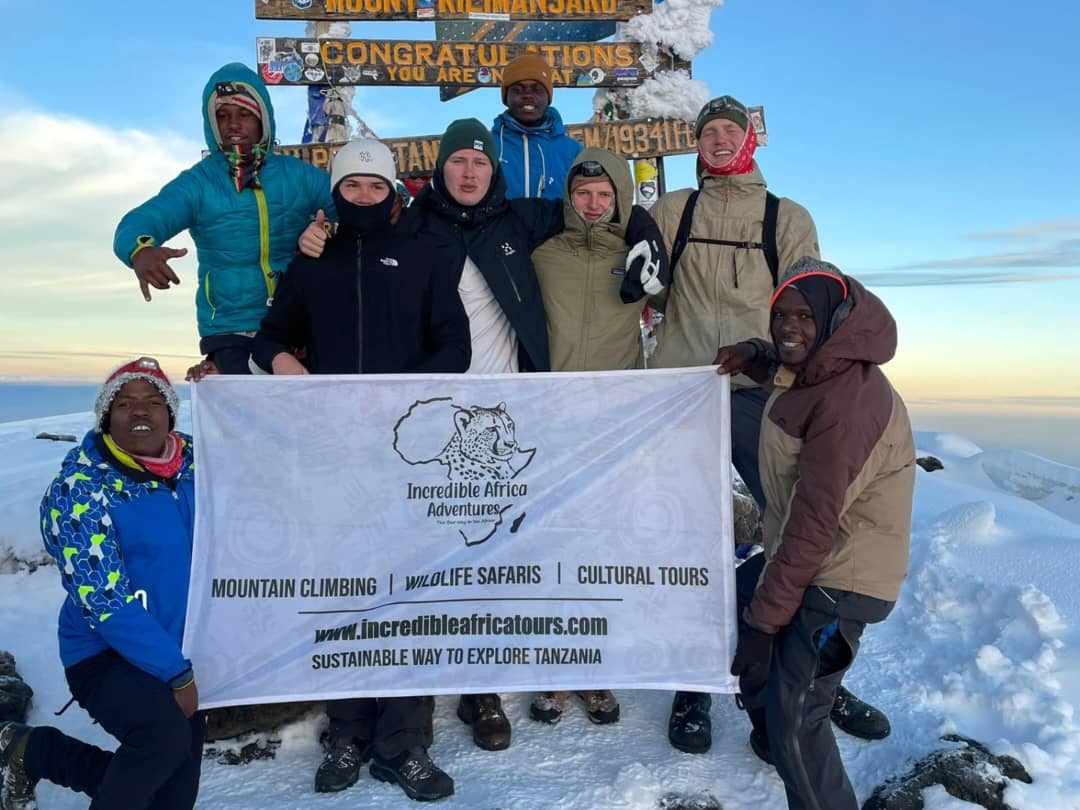
Climbing Mount Kilimanjaro is one of the most remarkable trekking achievements in the world. Naturally, one of the first questions travelers ask is: How much does it cost to climb Kilimanjaro?
The Kilimanjaro climb cost varies significantly depending on route, duration, service level, and operator standards. While many travelers initially search for a cheap Kilimanjaro climb, experienced climbers quickly discover that extremely low prices often come at the expense of safety, proper acclimatization, staff welfare, and equipment quality.
The goal is not to find the cheapest Kilimanjaro price — it is to find the best value: a professionally managed, ethical, and safe expedition at a fair and transparent cost. With more than 300 licensed operators on Mount Kilimanjaro, understanding what determines the price is essential for making a confident and informed decision.
The average Kilimanjaro climb cost ranges from approximately $2,000 to $5,000+ per person for a professionally guided expedition. Budget group climbs may start around $1,500, while premium and luxury climbs can exceed $6,000 depending on the route, duration, group size, and level of service. Most travelers find that investing in a reputable operator provides better safety, comfort, acclimatization support, and overall value.
Every Kilimanjaro operator faces unavoidable operational expenses. The largest component of the Kilimanjaro climb cost is the Kilimanjaro National Park fees, which include entrance fees, camping or hut fees, rescue fees, and government taxes.
These park fees alone amount to approximately $180 per climber per day, making them the single biggest expense. Because these fees are fixed by the Tanzanian authorities, no operator can significantly reduce prices without cutting costs elsewhere.
Beyond park fees, other essential expenses include:
Staff wages alone typically range between $80 and $150 per climber per day, depending on group size and route length. Food and supplies add another $10–$20 per climber per day, and transportation costs vary by route and distance.
When these operational realities are considered, it becomes clear why extremely low Kilimanjaro prices should be approached with caution.
The average Kilimanjaro climb cost generally falls within the following ranges:
These figures depend on route choice, number of days on the mountain, group size, and overall service level.
It is important to note that these prices typically exclude international flights, travel insurance, visa fees, personal trekking gear, and hotel stays before and after the climb. Travelers should budget an additional $800–$1,500 depending on their personal equipment needs and departure location.
The route you choose plays a significant role in determining the overall Kilimanjaro climb cost. Longer routes generally cost more because they involve additional park fees, crew wages, food supplies, and logistical support. However, they often provide better acclimatization and higher summit success rates.
In general, shorter routes such as Marangu may be less expensive, while longer routes such as Lemosho and Northern Circuit typically require a higher investment but offer a better overall climbing experience. Many climbers find that paying slightly more for additional acclimatization days significantly increases their chances of reaching Uhuru Peak successfully.
Several key factors determine the final Kilimanjaro climb price.
Longer Kilimanjaro routes such as the Lemosho or Northern Circuit increase park fees due to additional days but significantly improve acclimatization and summit success rates. Shorter routes may cost less but can carry higher altitude risk if not properly structured.
Shared Kilimanjaro group climbs distribute logistical costs across participants, often reducing the per-person rate. Private Kilimanjaro climbs offer more flexibility and personalized service but at a higher price point.
Service standards vary considerably. Budget climbs may offer basic camping setups, while premium climbs provide upgraded tents, enhanced meal plans, additional guides, and more comprehensive safety equipment. Understanding these elements allows climbers to evaluate value — not just price.
When budgeting for a Mount Kilimanjaro climb, it is important to remember that the expedition price is only one part of the total travel cost.
Most climbers should also budget for international flights, Tanzania visa fees, travel insurance, personal trekking equipment, crew tips, hotel stays before and after the climb, and optional activities such as wildlife safaris or Zanzibar beach holidays.
Understanding these additional expenses allows travelers to plan realistically and avoid unexpected costs during their journey. A well-prepared budget contributes to a more enjoyable and stress-free climbing experience.
Mount Kilimanjaro has faced challenges related to porter welfare and ethical practices. Some operators reduce prices by underpaying staff, providing inadequate equipment, or minimizing food quality.
Choosing an ethical operator like Incredible Africa Adventures protects both your experience and the local workforce that supports your Kilimanjaro climb.
Reputable companies registered under Kilimanjaro National Park Authority (KINAPA) and recognized tourism associations adhere to strict regulations regarding safety standards, staff wages, and operational compliance.
At Incredible Africa Adventures, we prioritize:
Climbing Kilimanjaro responsibly ensures your summit success does not come at the expense of others.
Many travelers searching for the cheapest Kilimanjaro climb quickly discover significant differences in pricing between operators. While lower prices may seem attractive, they sometimes reflect compromises in safety procedures, equipment quality, food standards, staffing levels, or porter welfare.
A successful Kilimanjaro expedition depends on experienced guides, proper acclimatization planning, reliable equipment, nutritious meals, and ethical treatment of mountain crews. For this reason, experienced climbers often focus on value rather than simply choosing the lowest available price.
Our Kilimanjaro climbing packages are designed to be comprehensive and transparent.
Our Mount Kilimanjaro packages include:
We structure our pricing to reflect genuine operational costs while maintaining international safety standards.
Tipping is an important part of the Kilimanjaro climbing experience and helps support the guides, porters, and cooks who work hard to make each expedition successful. While tips are not usually included in the package price, they are a standard and appreciated practice on the mountain.
The exact amount varies depending on group size and climb duration, but reputable operators typically provide recommended tipping guidelines before departure. Travelers should include crew tips as part of their overall Kilimanjaro budget planning.
Many climbers extend their adventure with a Tanzania wildlife safari. Safari prices typically range from:
Combining a Kilimanjaro climb with a safari provides a complete Tanzanian experience — from summit achievement to wildlife exploration.
With hundreds of licensed operators available, selecting the right Kilimanjaro company is critical. Price should be one component of your decision — not the only one.
A professionally managed climb with experienced guides, ethical standards, and proper safety systems significantly increases your chances of reaching Uhuru Peak safely and confidently.
At Incredible Africa Adventures, we focus on delivering exceptional value through ethical operations, professional leadership, and structured acclimatization strategies.
Although every climber has different goals and budgets, many experienced guides consider the Lemosho Route one of the best-value options on Mount Kilimanjaro. While it may cost slightly more than shorter routes, its excellent acclimatization profile, diverse scenery, and high summit success rates often make it a worthwhile investment.
For travelers seeking the highest summit success rates, the Northern Circuit Route also offers exceptional value through its extended acclimatization schedule and quieter trails.
The average Kilimanjaro climb cost ranges from approximately $2,000 to $5,000+ per person for a professionally guided expedition. Prices vary depending on the route, number of climbing days, group size, and service level.
Most Kilimanjaro climbing packages include park fees, professional guides, porters, cooks, camping equipment, meals on the mountain, safety equipment, and transportation to and from the trailhead. Some packages also include hotel accommodation before and after the climb.
A significant portion of the Kilimanjaro climb cost comes from national park fees, which are charged per person per day. Additional expenses include guide and porter wages, food supplies, transportation, camping equipment, safety equipment, and logistical support.
Joining a shared group climb is generally the most affordable way to climb Mount Kilimanjaro. However, travelers should be cautious of unusually low prices, as they may indicate compromises in safety standards, equipment quality, or porter welfare.
Many climbers consider the Lemosho Route one of the best-value options because it combines excellent scenery, strong acclimatization opportunities, and high summit success rates. The Northern Circuit Route also offers outstanding value for those seeking maximum acclimatization.
Most reputable operators include all Kilimanjaro National Park fees in their quoted prices. Travelers should always confirm exactly what is included before booking.
Crew tips are usually not included in the package price and should be budgeted separately. Recommended tipping amounts vary depending on group size, route duration, and operator guidelines.
No. Travel insurance is generally purchased separately and is highly recommended for all climbers. Comprehensive coverage should include high-altitude trekking and emergency evacuation.
Private Kilimanjaro climbs typically cost more than group departures because logistical expenses are shared among fewer participants. The final cost depends on route, duration, and group size.
Yes. Many travelers combine their Kilimanjaro climb with a Tanzania wildlife safari or a Zanzibar beach holiday. Safari costs vary depending on accommodation level, destination, and trip duration.
Booking at least 2–12 months in advance is recommended, especially for popular climbing periods between January and March and June to October. Early booking provides better route availability and more time for travel planning and preparation.
Climbing Mount Kilimanjaro is both a financial and personal investment. Understanding the real Kilimanjaro climb cost empowers you to make an informed decision based on safety, quality, and long-term value. We are committed to transparency, responsible tourism, and delivering a professionally managed mountain experience.
At Incredible Africa Adventures, we believe transparency is one of the most important aspects of planning a Kilimanjaro climb. Our pricing reflects the true cost of operating safe, ethical, and professionally guided expeditions while ensuring fair treatment of the mountain crews who make every summit possible. By focusing on value, safety, and responsible tourism, we help climbers invest confidently in an experience they will remember for a lifetime.
Contact Incredible Africa Adventures today to receive a detailed quote and begin planning your journey to the Roof of Africa with confidence.
Drop us a line. Our tour experts will answer all your questions shortly