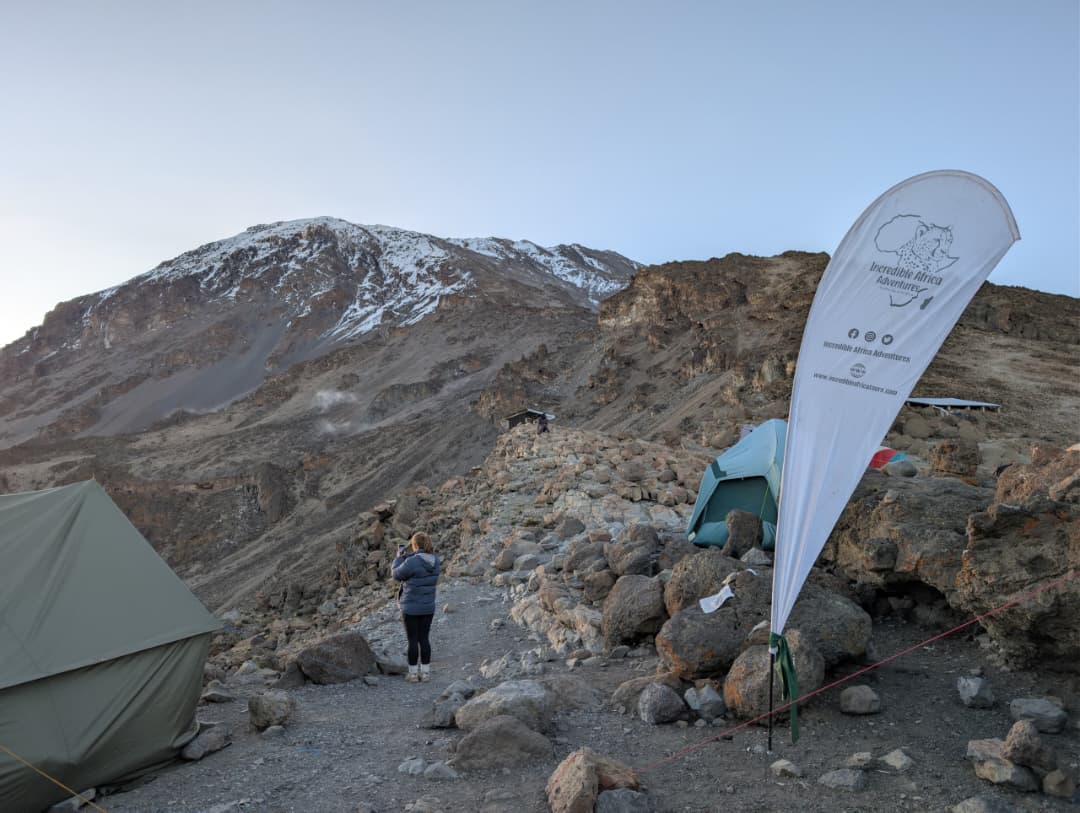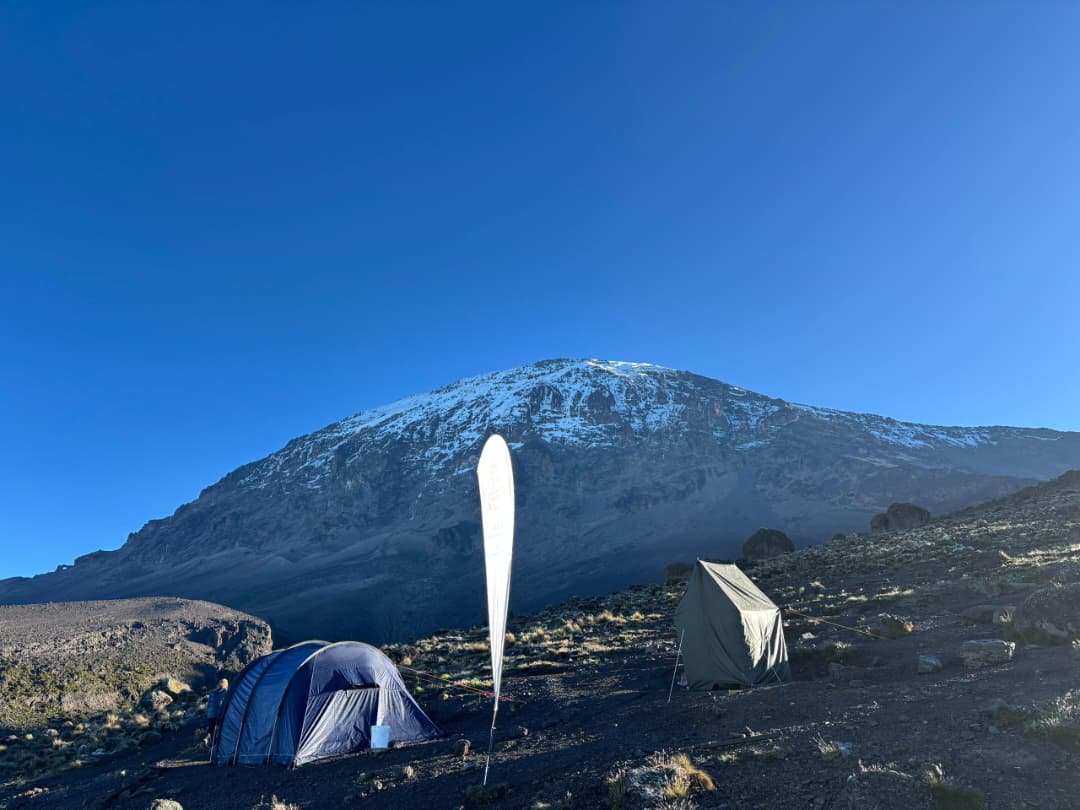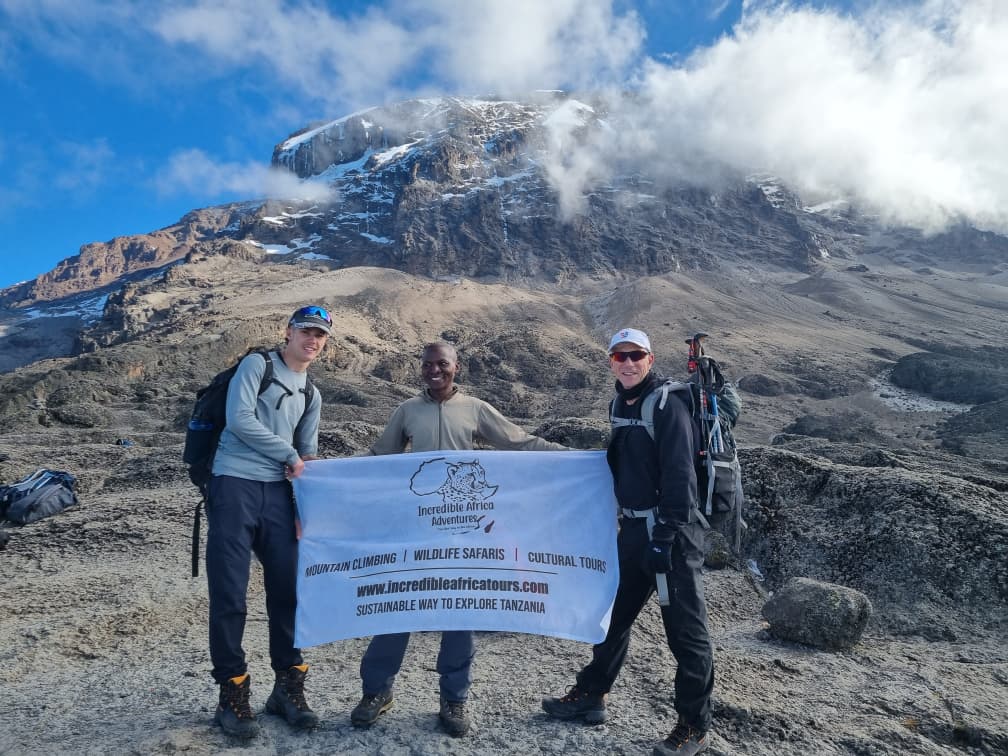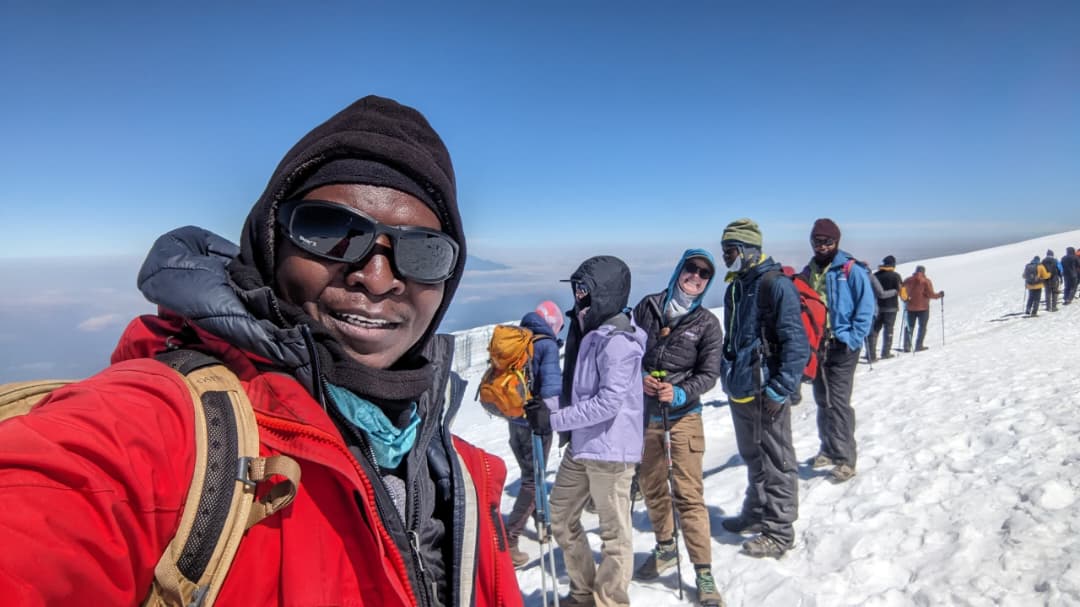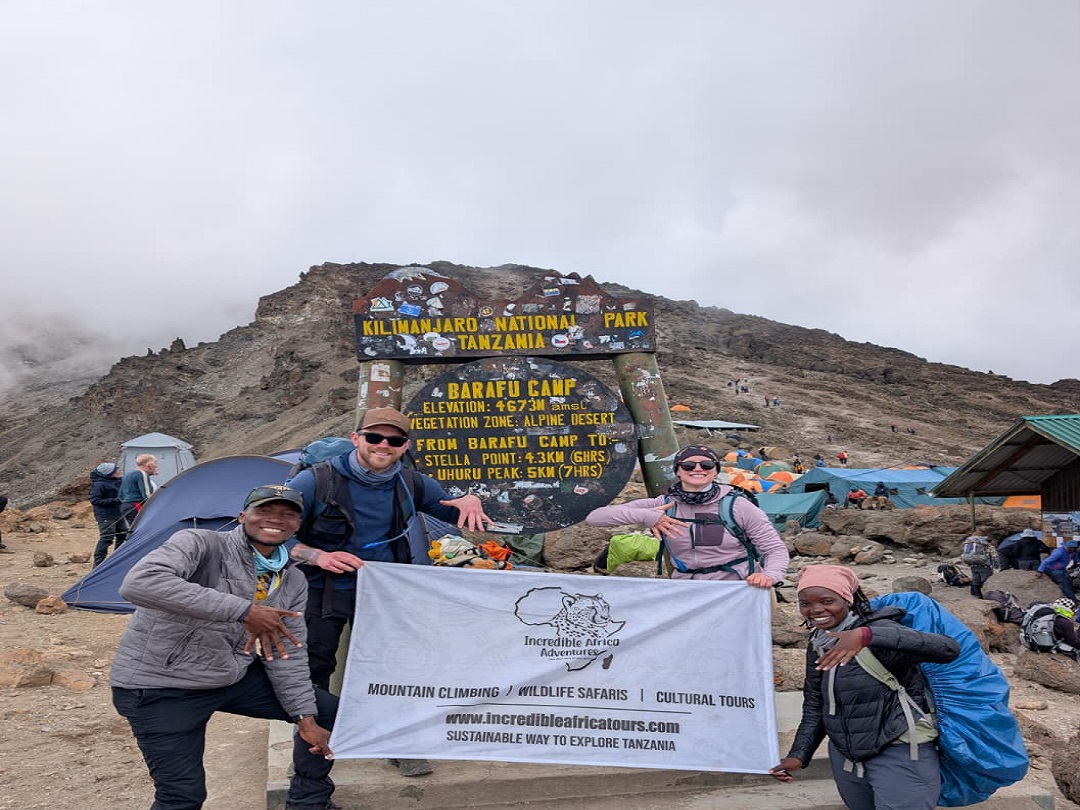
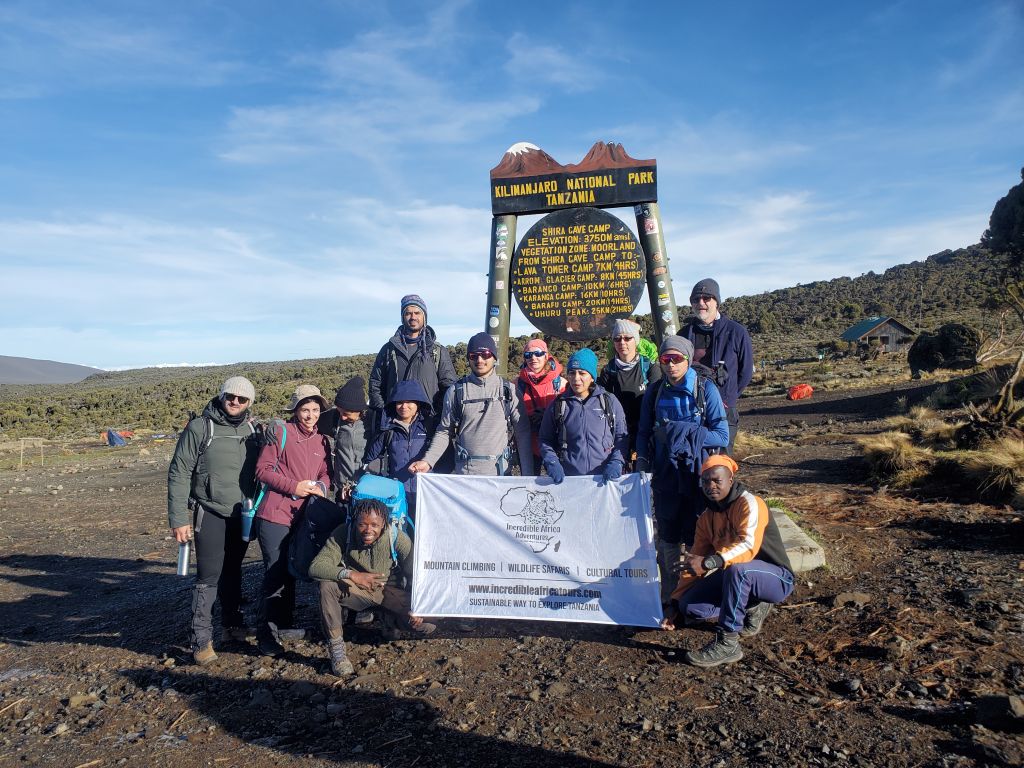
Mount Kilimanjaro is the highest mountain in Africa, rising to 5,895 meters (19,341 feet) above sea level. Every year, thousands of climbers travel to Tanzania to attempt the journey to Uhuru Peak, the highest point on the continent and one of the world's most famous trekking destinations.
One of the most common questions travelers ask when planning their adventure is: What is the best time to climb Mount Kilimanjaro?
The answer depends on several factors, including weather conditions, trail conditions, crowd levels, visibility, and your personal travel preferences. While Mount Kilimanjaro can be climbed throughout the year, certain months offer significantly better trekking conditions and higher chances of reaching the summit successfully.
Choosing the right time for your climb can improve your overall experience, provide clearer summit views, increase comfort on the mountain, and enhance your chances of standing on the Roof of Africa.
In this complete month-by-month guide, we explain the best times to climb Mount Kilimanjaro, what weather conditions to expect during each season, which routes work best at different times of the year, and how to choose the ideal climbing period for your goals.
The best time to climb Mount Kilimanjaro is during Tanzania's two dry seasons:
These months generally provide the best combination of stable weather, dry trails, clearer views, and excellent trekking conditions. For most climbers, January, February, July, August, and September are considered the very best months to climb Mount Kilimanjaro.
These months typically offer:
However, every month offers unique advantages, and understanding those differences can help you choose the perfect time for your adventure.
The period between January and March is widely regarded as one of the best times to climb Mount Kilimanjaro. During these months, the mountain often experiences relatively stable weather conditions with limited rainfall and excellent visibility.
Temperatures near the summit are generally colder than later in the year, and climbers frequently encounter snow around Uhuru Peak. These snowy summit conditions create spectacular scenery and provide some of the most iconic photographs of Kilimanjaro.
Another major advantage of this period is the lower number of climbers on the mountain. Compared to the peak season between June and October, trails tend to feel quieter and more peaceful. This makes January and February particularly attractive for travelers seeking a less crowded trekking experience.
For photographers, nature enthusiasts, and travelers looking for a balance of excellent weather and fewer crowds, this period is often considered ideal.
April and May mark Tanzania's long rainy season and are generally considered the most challenging months for climbing Mount Kilimanjaro.
Heavy rainfall frequently affects the rainforest zone and lower slopes of the mountain. Trails may become muddy, slippery, and more difficult to navigate. Cloud cover can also reduce visibility and limit views of the surrounding landscapes.
Although climbing is still possible during these months, most travelers choose alternative periods with more favorable weather.
However, experienced trekkers who are comfortable with wet conditions may appreciate the quieter trails, greener landscapes, and reduced visitor numbers. The mountain often feels much more remote during this period.
Travelers considering a climb during April or May should choose an experienced operator and prepare thoroughly for wet weather conditions.
The months between June and October represent the most popular time to climb Mount Kilimanjaro.
This period coincides with Tanzania's long dry season and offers some of the best trekking conditions of the year. Skies are often clear, rainfall is limited, and visibility from the summit can be spectacular.
July, August, and September are particularly popular because they combine dry weather with comfortable daytime temperatures. These months also coincide with holiday periods in Europe and North America, resulting in higher numbers of climbers on the mountain.
Despite the increased crowds, many travelers prefer this period because weather conditions are generally very reliable. For first-time climbers, these months provide some of the most favorable conditions for a successful and enjoyable trek.
November marks the beginning of Tanzania's short rainy season.
Rainfall during this period is generally lighter and less predictable than during the long rains of April and May. Showers are often intermittent and may occur primarily in the afternoons or evenings.
Although conditions can be less predictable, many climbers enjoy this period because the mountain is noticeably quieter. The landscapes become lush and green following the rains, creating beautiful scenery throughout the lower elevations.
The Rongai Route, which approaches Kilimanjaro from the northern side near the Kenyan border, often remains drier than southern routes and can be an excellent choice during this season. December usually sees improving conditions as the mountain transitions toward the January climbing season.
For first-time climbers, the most recommended months are:
These months generally provide the most predictable weather conditions and comfortable trekking environments.
Stable weather reduces many of the challenges associated with mountain trekking and allows climbers to focus on acclimatization and enjoying the experience.
Combined with a suitable route such as Lemosho or Northern Circuit, these months provide excellent opportunities for a successful summit attempt.
Photographers often prefer January, February, and September.
These months frequently offer excellent visibility and dramatic landscapes. Snow near the summit is more common during the early months of the year, while September often provides exceptionally clear views across northern Tanzania.
Sunrise and sunset conditions can be particularly impressive during these periods, creating unforgettable photographic opportunities.
Travelers who prefer quieter trails should consider:
These periods generally experience fewer visitors while still offering reasonable climbing conditions. A quieter mountain often allows for a more personal and immersive experience.
Yes, weather conditions can influence summit success rates. Climbers attempting Kilimanjaro during the dry seasons generally benefit from more comfortable trekking conditions, reduced exposure to rain, and clearer visibility.
However, route selection, acclimatization strategy, fitness level, hydration, and guide experience remain more important than the month itself. Longer routes such as Lemosho and Northern Circuit consistently achieve higher summit success rates because they allow more time for altitude adaptation.
During January to March and June to October, the following routes perform exceptionally well:
These routes offer excellent scenery, strong acclimatization profiles, and high summit success rates.
During November and the rainy months, many climbers prefer:
The northern side of Kilimanjaro generally receives less rainfall, making these routes attractive alternatives when weather conditions become less predictable.
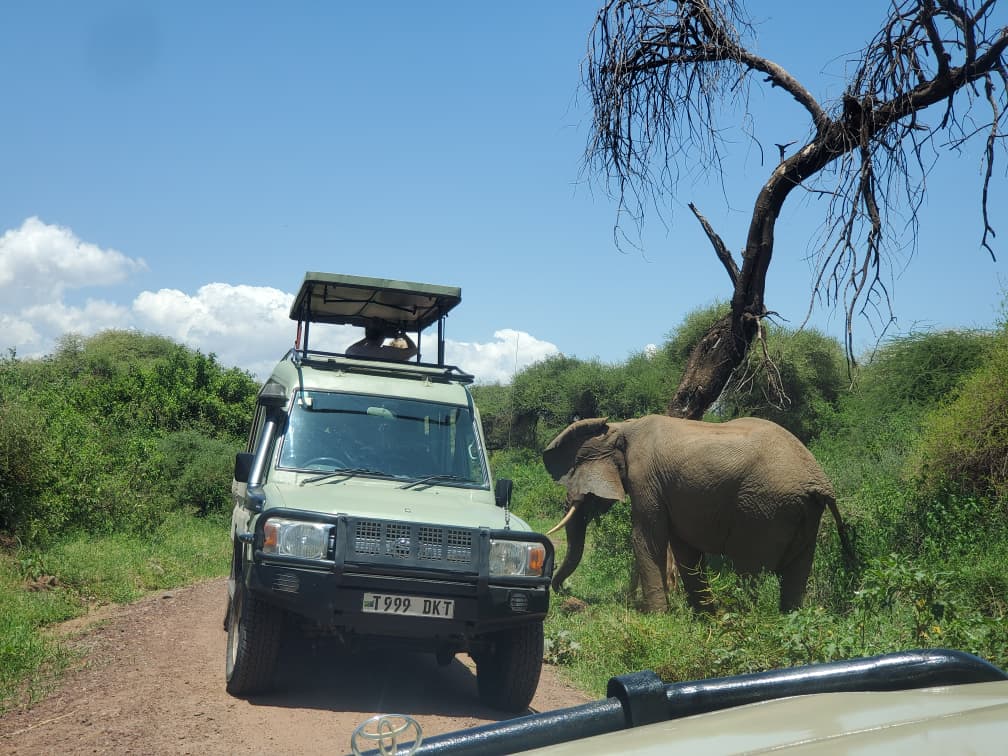
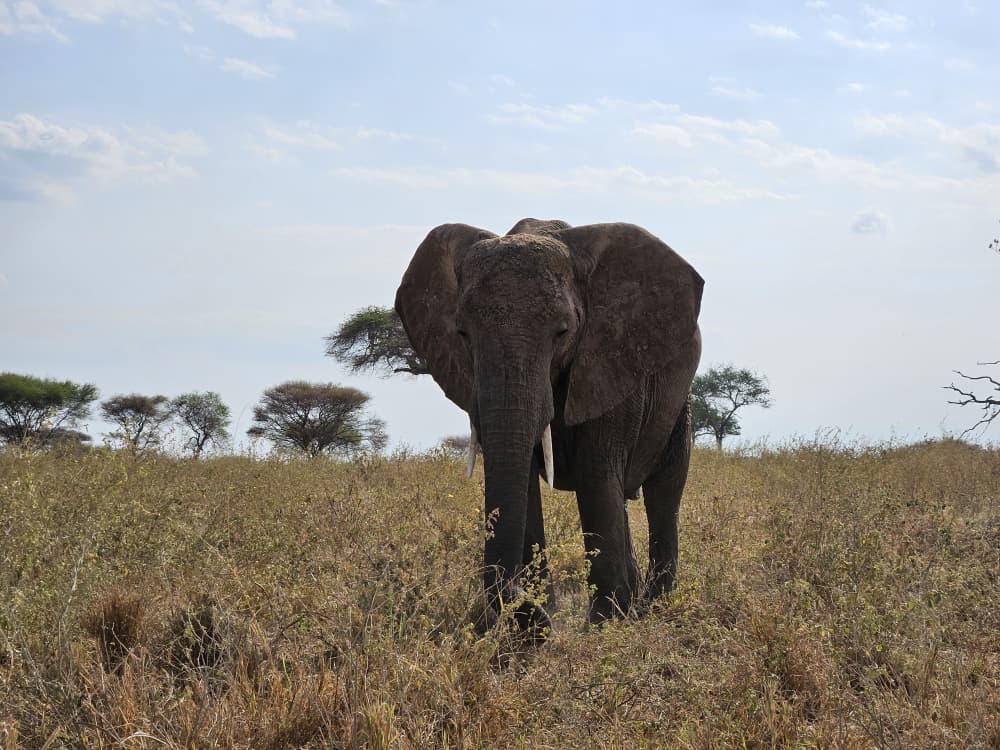
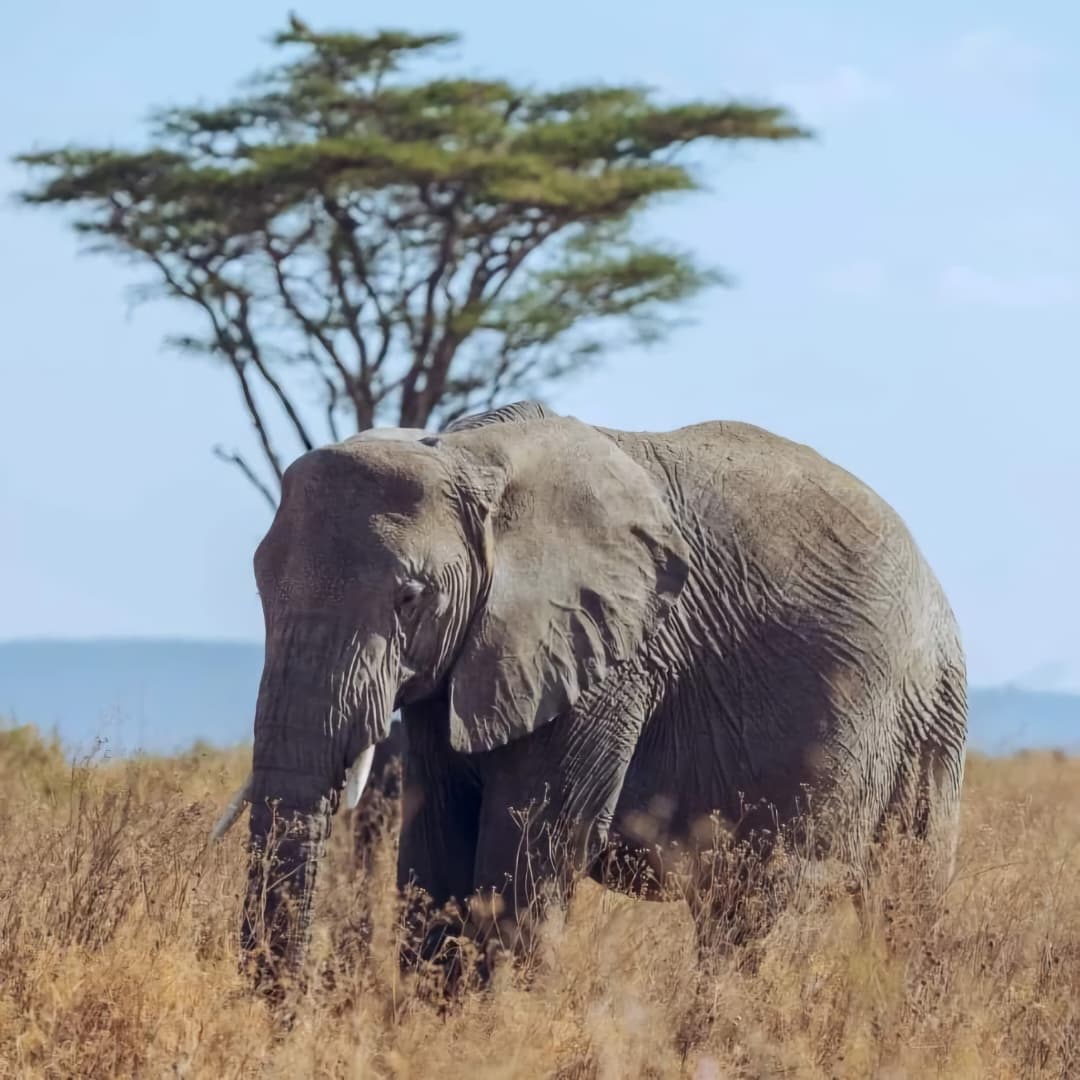
Many travelers combine their Mount Kilimanjaro climb with a Tanzania wildlife safari.
The period between June and October is particularly popular because it offers both excellent climbing conditions and outstanding wildlife viewing opportunities in Serengeti National Park, Ngorongoro Crater, Tarangire National Park, and Lake Manyara National Park.
January and February are also exceptional safari months because they coincide with the wildebeest calving season in the southern Serengeti. Combining a Kilimanjaro climb with a safari creates one of Africa's most rewarding travel experiences.
One of the unique aspects of climbing Mount Kilimanjaro is passing through five distinct ecological zones, each with its own weather conditions.
This lower section of the mountain is warm and humid, with dense vegetation and occasional rainfall.
Temperatures become cooler and the landscape opens into dramatic alpine scenery.
Conditions become dry, windy, and much colder as climbers approach higher altitudes.
The summit region is extremely cold with snow, ice, and strong winds. Temperatures during summit night can drop well below freezing regardless of the season. Because of these dramatic climate changes, climbers must prepare for all weather conditions, even during the best climbing months.
Selecting the right time for your climb depends on several personal preferences and travel factors.
The months between June and October are very popular, so it is recommended to book your Kilimanjaro climb several months in advance.
If you prefer quieter trails and fewer climbers, January to March may be ideal. If you enjoy meeting other trekkers and experiencing the vibrant atmosphere on the mountain, June to October is perfect.
Some Kilimanjaro routes are better suited to certain seasons. For example, the Rongai Route is often preferred during rainy periods because the northern side of the mountain receives less rainfall.
Regardless of the time of year, summit night on Kilimanjaro is always cold. Proper gear and layered clothing are essential for a successful climb.
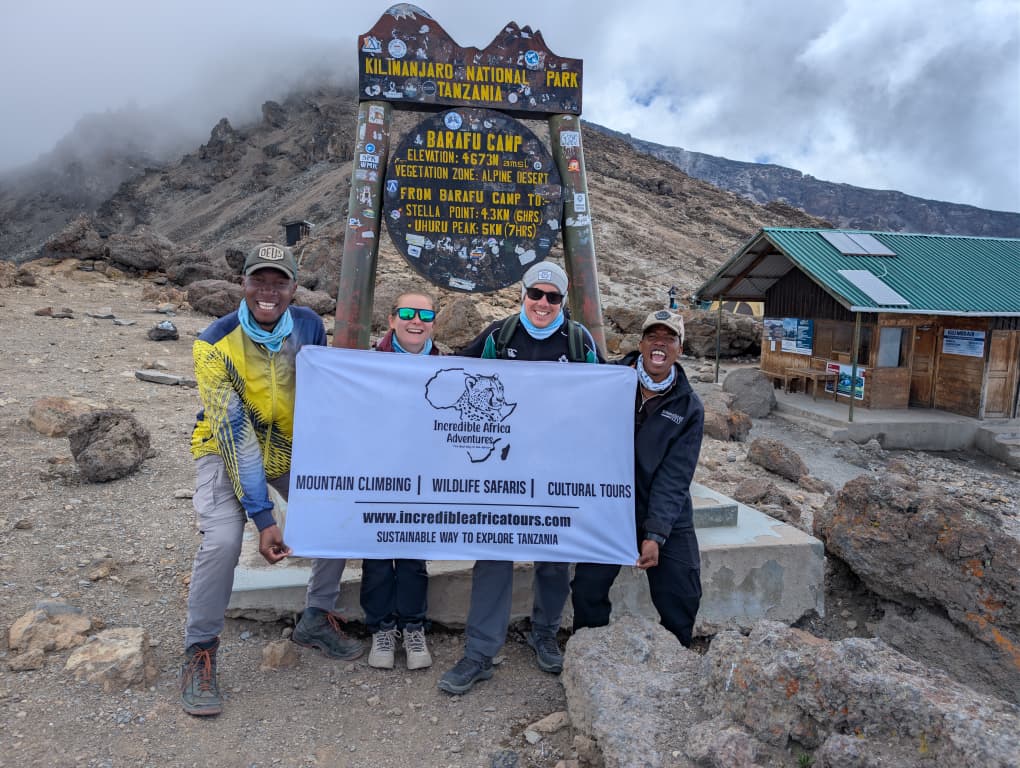
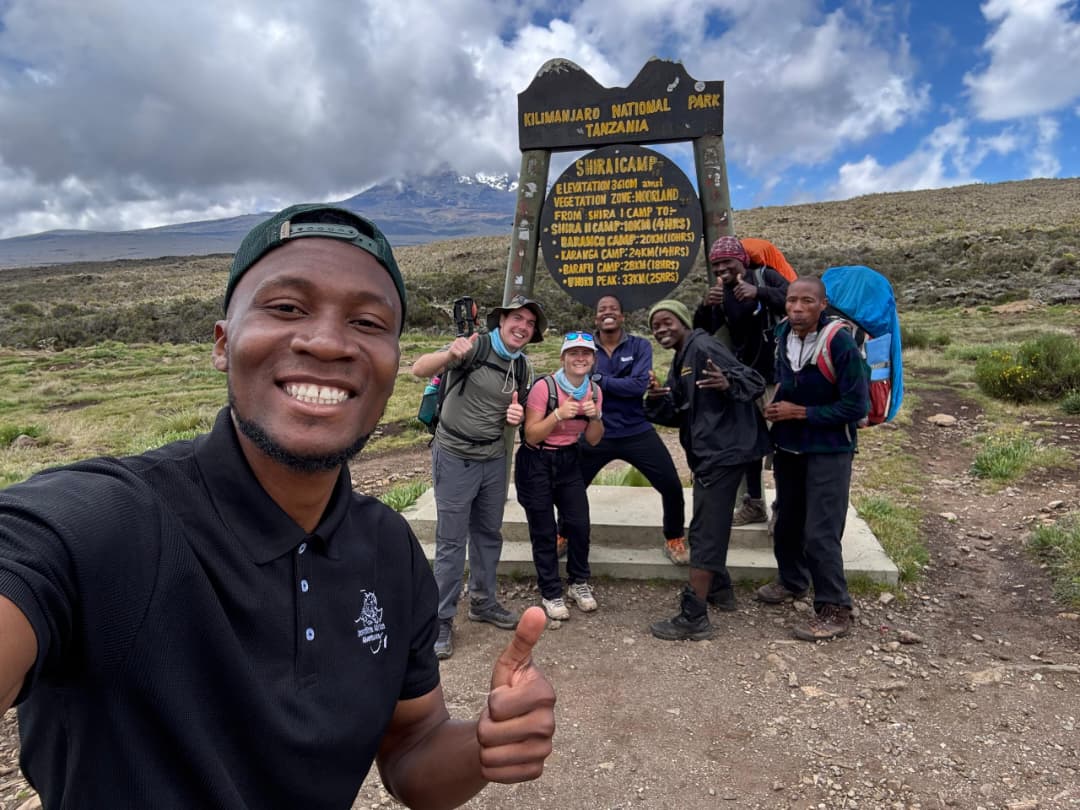
At Incredible Africa Adventures, we guide climbers on Mount Kilimanjaro throughout the year and understand how seasonal conditions affect every route on the mountain.
Based on our experience, January, February, July, August, and September consistently provide the best balance of weather, visibility, trail conditions, and overall climbing experience.
Our experienced mountain guides help travelers choose the ideal route, itinerary, and climbing season based on their goals, fitness levels, and travel preferences.
We provide:
Our mission is to help every climber enjoy a safe, successful, and unforgettable journey to the Roof of Africa.
January, February, July, August, and September are generally considered the best months.
Yes. Mount Kilimanjaro can be climbed throughout the year, although weather conditions vary significantly by season.
The dry seasons from January to March and June to October generally offer the best conditions.
July and August often bring some of the coldest summit temperatures.
March, November, and parts of January generally experience fewer climbers.
Climbing Mount Kilimanjaro is one of the most rewarding trekking experiences on Earth. Choosing the right time to climb can significantly improve your comfort, enjoyment, and chances of reaching Uhuru Peak successfully.
Whether you prefer quiet trails, snowy summit views, excellent photography opportunities, or combining your trek with a Tanzania safari, there is a perfect season for your adventure.
At Incredible Africa Adventures, we are committed to helping travelers from around the world safely reach the summit of Africa's highest mountain while experiencing the beauty, culture, and spirit of Tanzania. Contact us today and start planning your unforgettable Mount Kilimanjaro climb.
Drop us a line. Our tour experts will answer all your questions shortly