
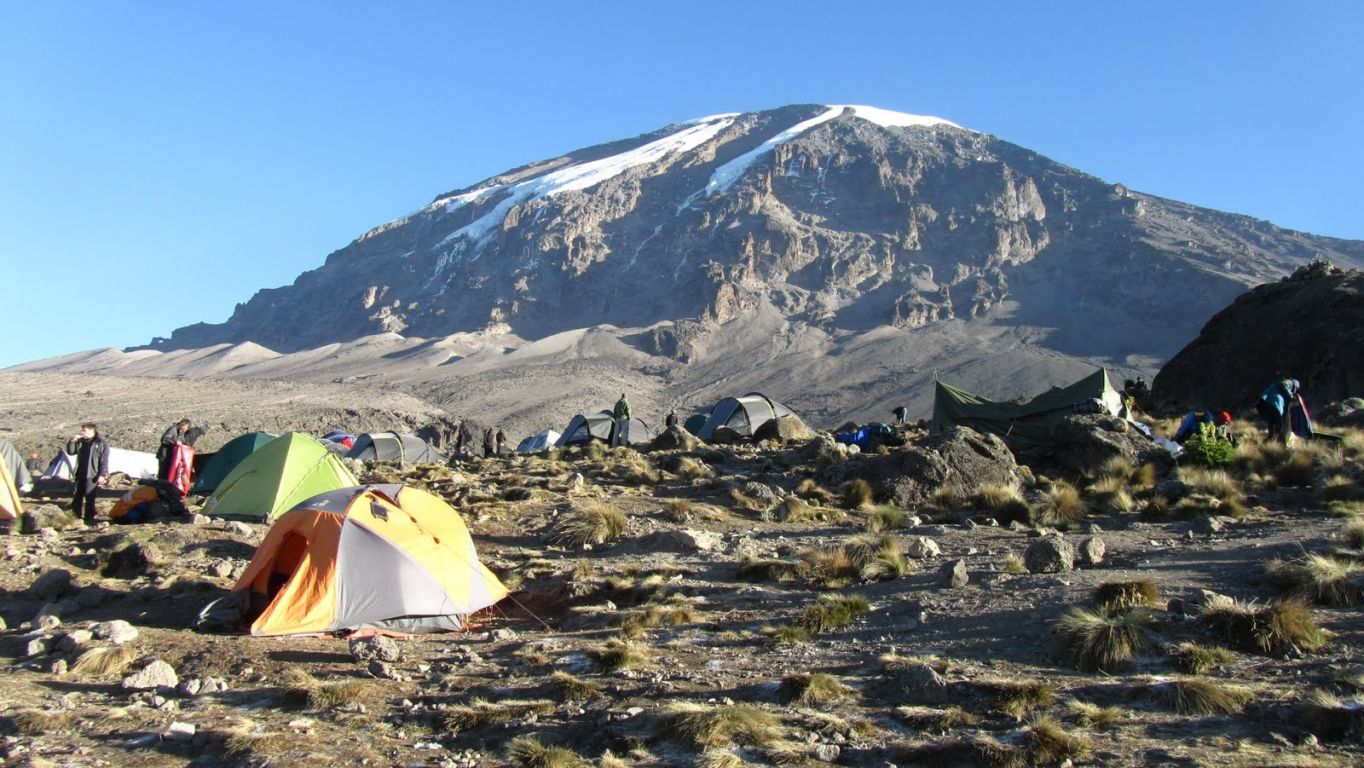
Mount Kilimanjaro, standing at 5,895 meters (19,341 feet) above sea level, is the highest mountain in Africa and one of the most iconic trekking destinations in the world. Every year thousands of adventurers travel to Tanzania to climb this legendary mountain and reach Uhuru Peak, the Roof of Africa.
One of the most important decisions when planning a Kilimanjaro climb is choosing the right route. Mount Kilimanjaro offers several established trekking routes, each providing a unique experience in terms of scenery, trekking difficulty, acclimatization profile, and summit success rate.
Some routes are known for their dramatic landscapes and excellent acclimatization opportunities, while others offer shorter itineraries or quieter wilderness experiences. Understanding the differences between the Kilimanjaro routes will help you choose the best path to the summit based on your goals, fitness level, and travel style.
At Incredible Africa Adventures, we guide climbers safely and responsibly to the summit of Mount Kilimanjaro using carefully designed itineraries that prioritize safety, acclimatization, and unforgettable mountain experiences.
Mount Kilimanjaro offers seven official ascent routes:
In addition to these ascent routes, the Mweka Route is used exclusively for descending from the summit on most western routes. Each route differs in duration, difficulty, scenery, crowd levels, and summit success rates. Understanding these differences will help you select the best route for your Kilimanjaro climb.
The Lemosho Route is widely considered the most beautiful route on Mount Kilimanjaro. Starting on the western side of the mountain, this route offers quiet trails during the early days of the trek and exceptional panoramic views.
Climbers begin their journey through lush rainforest before crossing the dramatic Shira Plateau, one of the highest plateaus on Earth. The route then merges with the Machame trail near Lava Tower and continues toward the summit.
Because the Lemosho Route allows gradual altitude gain over several days, it offers one of the best acclimatization profiles on Kilimanjaro. This significantly increases the chances of reaching the summit successfully.
For trekkers seeking breathtaking scenery and strong summit success rates, the Lemosho Route is often considered the best route to climb Kilimanjaro.
The Machame Route, often called the “Whiskey Route,” is the most popular route on Mount Kilimanjaro. It offers dramatic scenery and a well-balanced acclimatization profile that helps climbers adjust gradually to altitude.
The trail passes through diverse ecological zones including tropical rainforest, moorland, alpine desert, and glacial summit landscapes. One of the most exciting sections of this route is the Barranco Wall, a steep but non-technical scramble that many climbers consider one of the highlights of the trek.
Because the Machame Route follows the “climb high, sleep low” acclimatization principle, it provides excellent preparation for summit night. The 7-day Machame itinerary is particularly recommended for increasing summit success rates.
The Marangu Route, commonly referred to as the “Coca-Cola Route,” is the oldest and most established route on Mount Kilimanjaro.
Unlike other routes that require camping, Marangu provides mountain huts for overnight accommodation. These huts contain bunk beds and basic facilities, making the route appealing for climbers who prefer shelter rather than tents.
However, because Marangu is typically climbed over fewer days, acclimatization opportunities are limited. For this reason, the 6-day Marangu itinerary is recommended rather than the shorter 5-day option. Despite its shorter duration, the Marangu Route still provides a beautiful trekking experience through rainforest and alpine landscapes.
The Rongai Route approaches Mount Kilimanjaro from the northern side near the Kenyan border. It is one of the least crowded routes and provides a peaceful wilderness experience.
The northern slopes of Kilimanjaro receive less rainfall than the southern routes, making Rongai a good option during the rainy seasons. This route descends via the Marangu Route, allowing climbers to experience different landscapes during the ascent and descent.
Although Rongai offers quieter trails and beautiful scenery, it has slightly lower summit success rates compared to longer routes with better acclimatization profiles.
The Northern Circuit Route is the longest Kilimanjaro route and provides the best acclimatization profile on the mountain.
This route begins on the western slopes and circles around the remote northern side of Kilimanjaro before reaching the summit. Because of its extended itinerary and gradual altitude gain, it achieves the highest summit success rates.
The Northern Circuit is ideal for trekkers who prefer a quieter and more immersive trekking experience with fewer crowds.
The Shira Route begins on the Shira Plateau at a relatively high elevation. While it offers spectacular views and beautiful landscapes, the higher starting altitude can make acclimatization more challenging for some climbers.
The route merges with the Lemosho Route after the first day and continues toward the summit through similar terrain.
The Umbwe Route is the steepest and most direct route on Mount Kilimanjaro. It is known for its dramatic ridgelines and challenging ascents.
Because the route gains altitude rapidly, it provides fewer acclimatization opportunities and is recommended only for experienced trekkers who are comfortable with demanding climbs.
Most Kilimanjaro climbers descend via the Mweka Route, which provides a direct and scenic path through lush rainforest back to the park gate. At the end of the descent, climbers receive their summit certificates, marking the completion of their Kilimanjaro adventure.
Choosing the best Kilimanjaro route depends on several important factors.
The most critical factor is acclimatization. Routes that allow gradual altitude gain significantly increase the chances of reaching the summit successfully.
Longer routes such as the Northern Circuit, Lemosho, and Machame provide the best acclimatization profiles and therefore achieve the highest success rates.
Crowd levels are another consideration. Routes such as Rongai and Northern Circuit offer quieter trekking experiences, while Machame and Marangu are more popular.
Accommodation preferences may also influence your decision. Climbers who prefer hut accommodation may choose Marangu, while all other routes use high-quality mountain tents. Ultimately, the best route is the one that balances your goals, fitness level, and desired mountain experience.
At Incredible Africa Adventures, we specialize in professionally guided Kilimanjaro expeditions designed to maximize safety, comfort, and summit success.
Our climbing packages include:
Our mission is simple: to help every climber reach the summit safely while experiencing the extraordinary beauty of Mount Kilimanjaro.
The 8-day Lemosho Route itinerary is widely regarded as the best option for climbers seeking both exceptional scenery and excellent acclimatization. The route begins on the western side of Mount Kilimanjaro and gradually ascends across the spectacular Shira Plateau before merging with the Machame Route.
A typical Lemosho climb includes:
This itinerary allows climbers to follow the “climb high, sleep low” principle, greatly improving acclimatization and summit success rates.
The 7-day Machame Route itinerary is one of the most popular ways to climb Mount Kilimanjaro. It offers dramatic scenery and a well-structured acclimatization schedule.
Typical Machame itinerary:
This itinerary provides excellent altitude adaptation and stunning views across multiple ecological zones.
The 6-day Marangu Route itinerary is recommended instead of the shorter 5-day climb because it provides better acclimatization.
Typical Marangu itinerary:
This route is the only Kilimanjaro route offering mountain hut accommodation.
The Rongai Route approaches Kilimanjaro from the northern side near the Kenyan border and offers a quieter trekking experience.
Typical Rongai itinerary:
This route offers unique views of Kilimanjaro’s northern slopes.
The Northern Circuit Route is the longest and most gradual Kilimanjaro route, offering the best acclimatization profile and the highest summit success rates.
Typical Northern circuit itinerary:
This route circles the northern side of the mountain, offering remote wilderness trekking.
The Northern Circuit Route generally has the highest summit success rate because it provides the longest itinerary and the best acclimatization profile.
The Lemosho Route is widely considered the most scenic route due to its dramatic landscapes and diverse ecological zones.
The Marangu Route is often considered the easiest logistically because it offers hut accommodation, although its shorter duration may reduce acclimatization.
The Machame Route is currently the most popular route because of its stunning scenery and strong summit success rates.
Climbing Mount Kilimanjaro is one of the most rewarding adventures on Earth. From lush rainforest trails to glacier-covered summit views, the journey offers unforgettable landscapes and a powerful sense of achievement.
Whether you choose the scenic Lemosho Route, the adventurous Machame Route, or the remote Northern Circuit, Incredible Africa Adventures will guide you safely to the summit. Your journey to the Roof of Africa begins here.
Drop us a line. Our tour experts will answer all your questions shortly