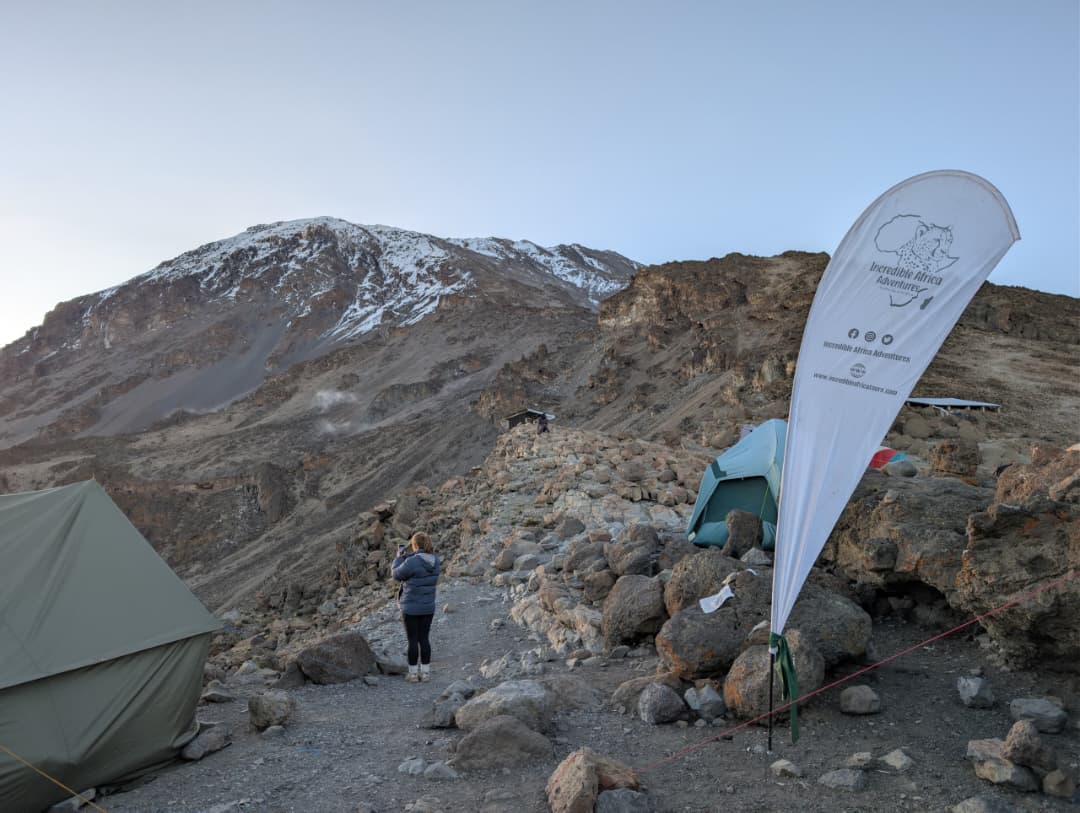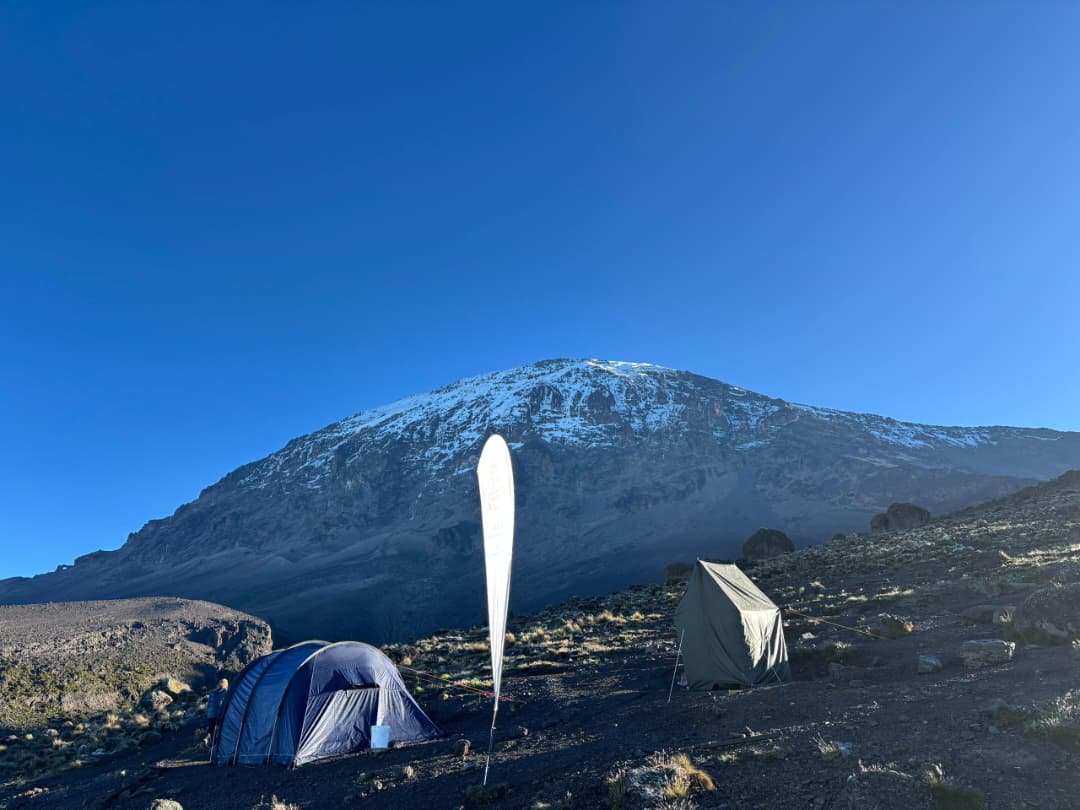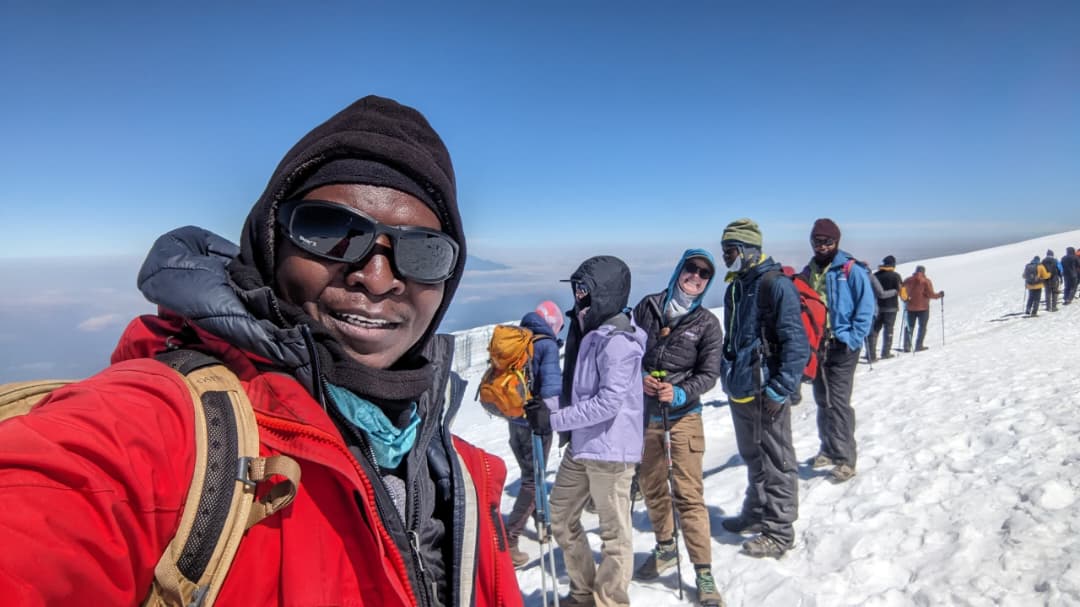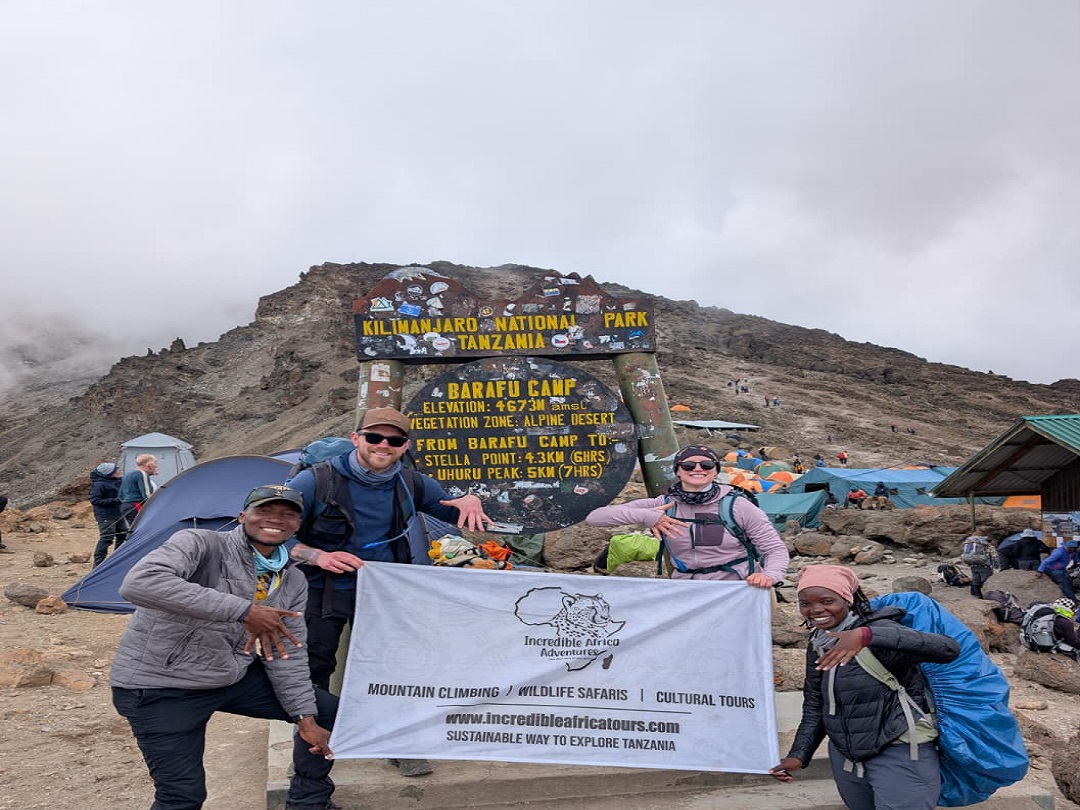
Climbing Mount Kilimanjaro is one of the most inspiring adventure experiences in the world. It is also one of the most popular high-altitude trekking adventures, attracting thousands of climbers to Tanzania every year. Standing at 5,895 meters (19,341 feet) above sea level, Mount Kilimanjaro is the highest mountain in Africa and the tallest free-standing mountain on Earth. Rising dramatically from the plains of northern Tanzania, this magnificent volcanic peak attracts thousands of trekkers each year who dream of standing on Uhuru Peak, the highest point on the African continent.
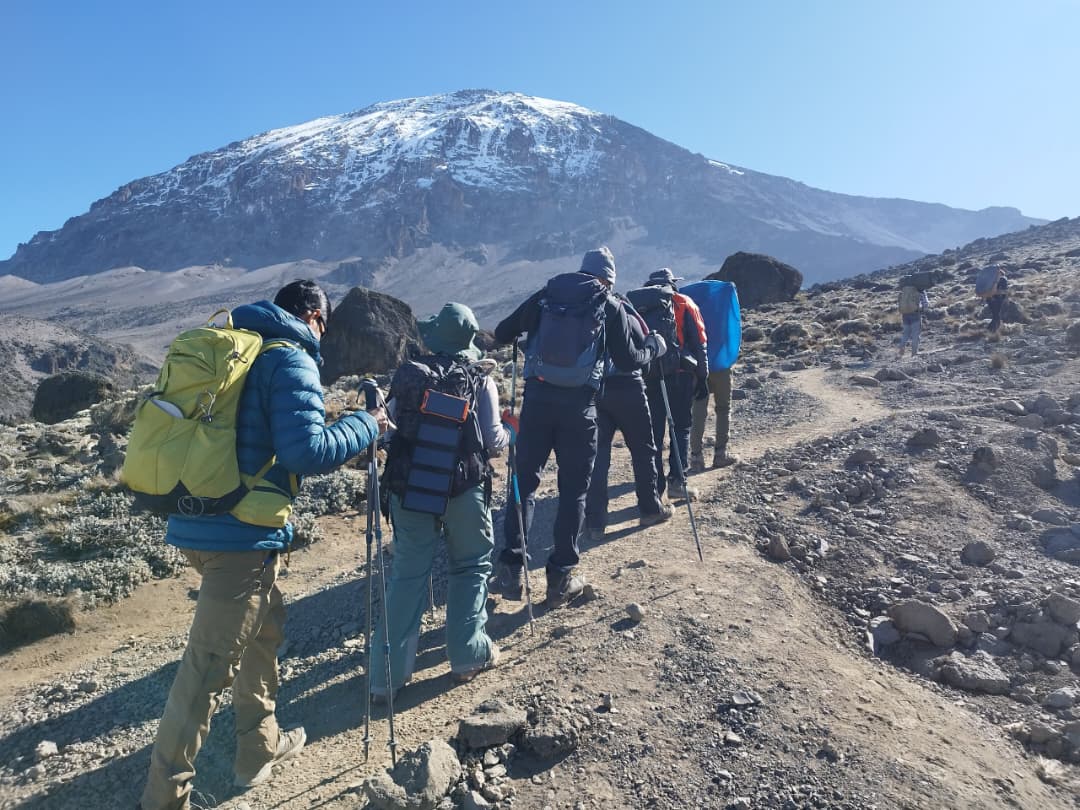
Unlike many of the world’s famous mountains, climbing Kilimanjaro does not require technical mountaineering skills. Instead, it is a high-altitude trekking adventure that can be attempted by determined hikers who are physically prepared and supported by experienced guides. The real challenge of a Kilimanjaro climb lies not in steep rock climbing or ice techniques, but in gradually adapting to the altitude while trekking through several ecological zones.
A Kilimanjaro expedition is much more than simply reaching the summit. It is a journey through incredibly diverse landscapes that change dramatically as you ascend the mountain. Climbers begin their adventure in dense tropical rainforest filled with birds and wildlife before gradually entering open moorland landscapes, alpine desert, and finally the arctic summit zone where glaciers and snow surround the crater of the dormant volcano.
Because of this remarkable diversity of scenery and ecosystems, climbing Mount Kilimanjaro is widely considered one of the most extraordinary trekking experiences on Earth. For many travelers, standing on the summit at sunrise and watching the vast plains of Africa unfold below is a moment that remains unforgettable for the rest of their lives.
Choosing the right route is one of the most important decisions when planning a Kilimanjaro climb. Mount Kilimanjaro offers several established trekking routes, each providing a different combination of scenery, difficulty level, acclimatization profile, and crowd levels. Understanding the characteristics of these routes helps climbers select the option that best matches their experience, fitness level, and personal preferences.
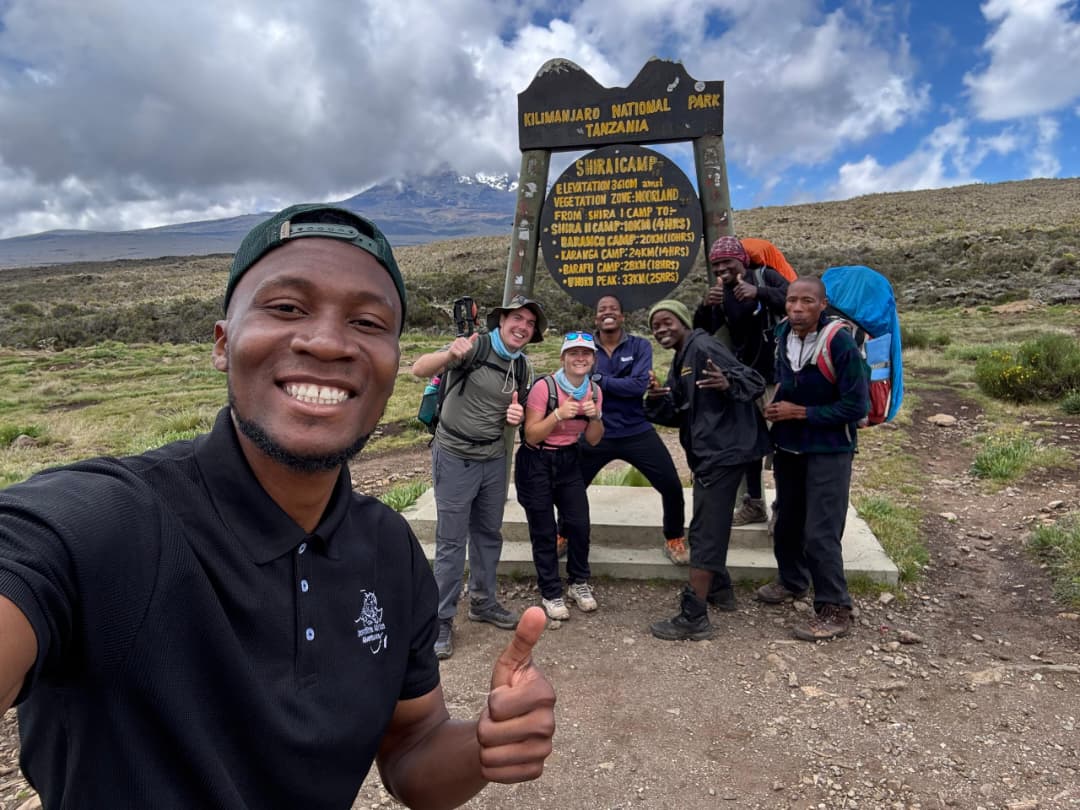
The Lemosho Route is widely regarded as one of the most beautiful routes on Mount Kilimanjaro. Beginning on the remote western side of the mountain, this route passes through untouched rainforest before crossing the vast Shira Plateau. Its longer itinerary allows climbers to acclimatize gradually while enjoying spectacular views of valleys, glaciers, and volcanic ridges.
The Machame Route, often referred to as the “Whiskey Route,” is one of the most popular Kilimanjaro trekking routes due to its dramatic landscapes and excellent acclimatization profile. This route offers an adventurous trekking experience, including the famous Barranco Wall, a thrilling scramble that rewards climbers with incredible views of the mountain.
The Marangu Route, sometimes called the “Coca-Cola Route,” is the only Kilimanjaro route that offers hut accommodation instead of camping. While it is one of the shorter routes on the mountain, its rapid ascent provides fewer opportunities for acclimatization, which can affect summit success rates.
The Rongai Route approaches the mountain from the northern side near the Kenyan border. Because it receives less rainfall than southern routes, Rongai is often considered a good option during wetter months. The route is also quieter and offers a more remote trekking experience.
For climbers seeking maximum acclimatization and solitude, the Northern Circuit Route is widely considered the most comprehensive Kilimanjaro route. This longer itinerary circles around the northern slopes of the mountain, providing breathtaking views and one of the highest summit success rates.
Each route offers a unique journey to the summit, and selecting the right one can significantly influence both the overall experience and the likelihood of reaching Uhuru Peak.
One of the most common questions travelers ask when planning their adventure is how much it costs to climb Mount Kilimanjaro. The price of a Kilimanjaro expedition can vary significantly depending on several factors, including the route chosen, the number of days on the mountain, the quality of services provided, and the experience of the guiding company.
On average, a professionally guided Kilimanjaro climb typically costs between $1,500 and $5,500 per person. This price usually includes Kilimanjaro National Park fees, professional guides, porters and support crew, camping equipment, meals during the trek, and transportation to and from the mountain.
Park fees represent one of the largest portions of the overall cost, as climbers must pay conservation and camping fees for every day spent inside Kilimanjaro National Park. These fees contribute to protecting the mountain’s ecosystems and supporting local communities that depend on tourism.
While it may be tempting to choose the cheapest available option, safety and ethical standards should always be the highest priority. Responsible operators ensure fair treatment of porters, provide experienced guides trained in high-altitude safety, and maintain proper equipment and emergency support systems. Investing in a reputable operator greatly improves both the safety and enjoyment of the climb.
Mount Kilimanjaro can technically be climbed throughout the year, but certain months offer more favorable weather conditions for trekking. Tanzania experiences two main dry seasons that are considered the best times for climbing Kilimanjaro.
The first excellent climbing period occurs between January and March, when the weather tends to be relatively stable and the skies are often clear. Although temperatures near the summit can be colder during these months, the trails are generally quieter than during peak season, allowing climbers to enjoy a more peaceful mountain experience.
The second and most popular climbing season occurs from June to October, when Tanzania experiences its long dry season. During these months the weather is typically dry and visibility is excellent, providing climbers with some of the most spectacular summit views. This period also coincides with the best wildlife viewing season in nearby national parks, making it an ideal time to combine a Kilimanjaro climb with a Tanzania safari.
The long rainy season from March to May can bring heavy rainfall and muddy trails, while the short rains in November may result in occasional showers. Although climbs are still possible during these periods, many trekkers prefer the dry months for more comfortable trekking conditions.
Altitude is the single most important factor affecting success on Mount Kilimanjaro. As climbers ascend higher on the mountain, the air becomes thinner and oxygen levels decrease significantly. This reduction in oxygen can cause symptoms of altitude sickness if the body does not have sufficient time to adapt.
Successful Kilimanjaro expeditions rely heavily on proper acclimatization strategies. The most effective approach is to follow the principle of “climb high, sleep low,” which involves ascending to higher elevations during the day and descending slightly to sleep at lower altitudes. This technique encourages the body to gradually adapt to decreasing oxygen levels.
Climbers are also encouraged to follow the traditional Kilimanjaro trekking pace known as “pole pole,” meaning slowly slowly. Walking at a slow and steady pace conserves energy and allows the body to adjust naturally to the altitude.
Staying well hydrated, eating nutritious meals, and choosing longer routes with additional acclimatization days can dramatically improve the chances of reaching the summit successfully.
Proper preparation plays a major role in the success of a Kilimanjaro expedition. Although the Kilimanjaro climb does not require technical mountaineering skills, trekkers should arrive with a good level of physical fitness and endurance.
Training for Kilimanjaro ideally begins several months before the climb and focuses on building cardiovascular strength and stamina. Activities such as hiking, cycling, running, and stair climbing are excellent ways to prepare for the physical demands of trekking at altitude.
Practicing long hikes with a backpack is particularly helpful because it simulates the conditions experienced on the mountain. Developing mental resilience is also important, as summit night requires determination and persistence during several hours of climbing in cold temperatures and darkness. With proper preparation and a positive mindset, many climbers find that reaching the summit of Kilimanjaro becomes one of the most rewarding achievements of their lives.
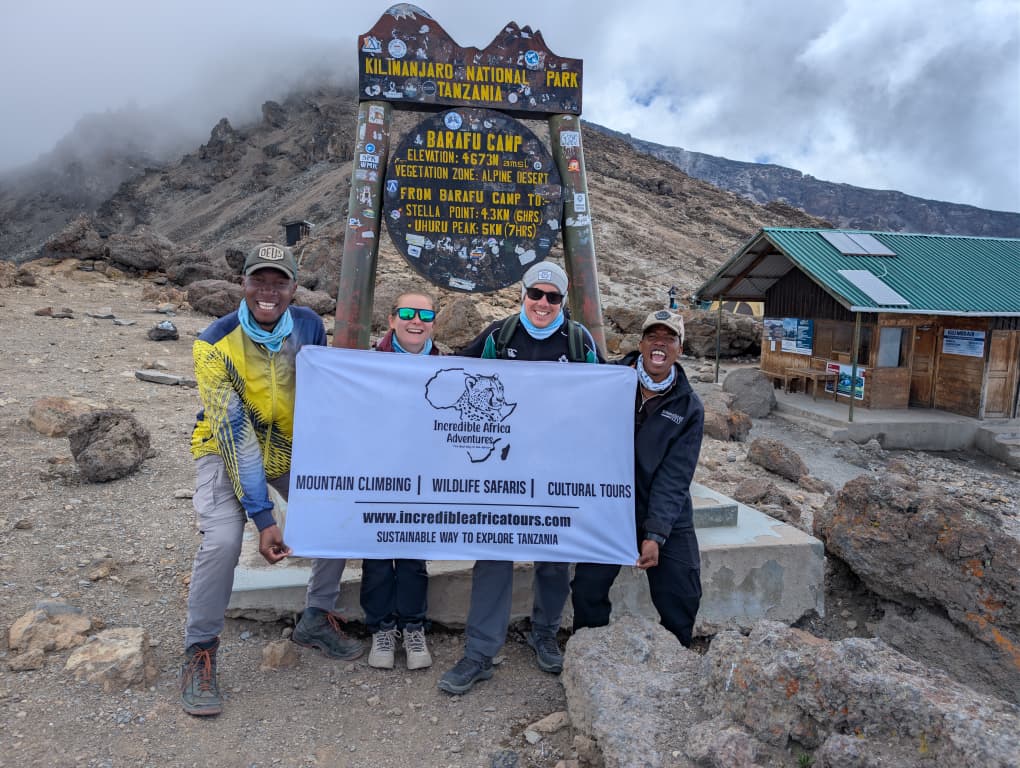
Summit day is the most challenging and exciting part of the entire Kilimanjaro climb. Most summit attempts begin around midnight from high-altitude camps such as Barafu Camp or Kibo Hut, allowing climbers to reach the summit at sunrise.
The ascent during summit night takes place in darkness under a sky filled with stars. As climbers slowly ascend the steep volcanic slopes, they gradually approach the crater rim at Stella Point or Gilman’s Point, depending on the route taken. From there, the final stretch to Uhuru Peak offers breathtaking views of glaciers and the vast African plains below.
Watching the sunrise from the summit of Mount Kilimanjaro is an unforgettable moment that rewards the effort of the entire journey. After celebrating at Uhuru Peak, climbers descend back to lower camps to rest and recover after the long and demanding day.
Summit success rates on Mount Kilimanjaro vary widely depending on the route chosen and the amount of time allocated for acclimatization. Short itineraries of five or six days often have lower success rates because the body has less time to adapt to the altitude.
Longer routes such as the Lemosho Route or Northern Circuit Route, which allow seven to nine days on the mountain, generally offer significantly higher success rates. These routes provide gradual altitude gain and more opportunities for acclimatization.
Climbing with experienced guides who monitor climbers’ health and pace also plays an important role in reaching the summit safely.
Packing the right gear is essential for a comfortable and successful Kilimanjaro climb. Because temperatures on the mountain vary dramatically between ecological zones, climbers must be prepared for conditions ranging from warm tropical weather to freezing temperatures near the summit.
Essential equipment includes sturdy waterproof hiking boots, layered clothing suitable for cold weather, an insulated sleeping bag, trekking poles, and a reliable headlamp for summit night. Proper layering allows climbers to adjust clothing according to changing temperatures throughout the climb.
A well-planned packing list ensures climbers remain comfortable and protected throughout the journey, allowing them to focus fully on enjoying the experience.
Climbing Mount Kilimanjaro is considered a moderate to challenging trek mainly due to altitude rather than technical difficulty. With proper acclimatization and preparation, most determined hikers can reach the summit successfully.
Most climbs take between 6 to 9 days, with longer itineraries offering better acclimatization and higher summit success rates.
The Lemosho Route and Northern Circuit Route are considered the best due to their high success rates and excellent acclimatization profiles.
Yes, it is mandatory to climb Mount Kilimanjaro with a licensed guide according to Tanzanian park regulations.
After successfully climbing Mount Kilimanjaro, many travelers choose to extend their journey by exploring the incredible wildlife destinations of northern Tanzania. Some of Africa’s most famous safari parks are located within a few hours’ drive of the mountain.
The Serengeti National Park is world-renowned for the Great Migration, where millions of wildebeest and zebras move across the plains in search of fresh grazing. The Ngorongoro Crater offers one of the highest concentrations of wildlife in Africa within a spectacular volcanic caldera.
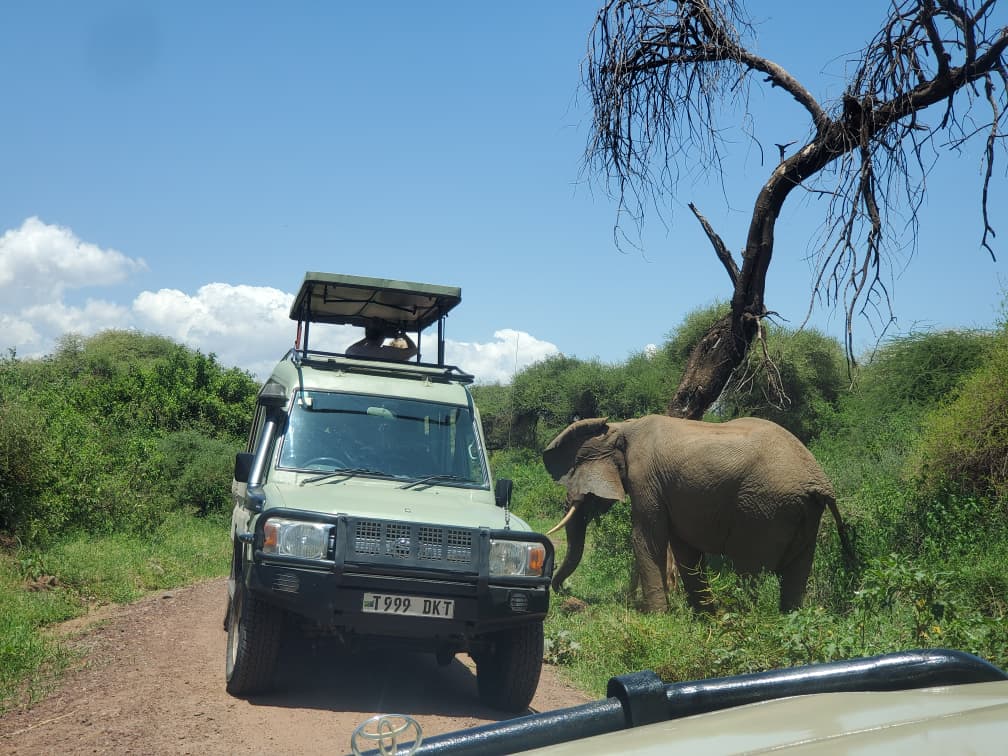
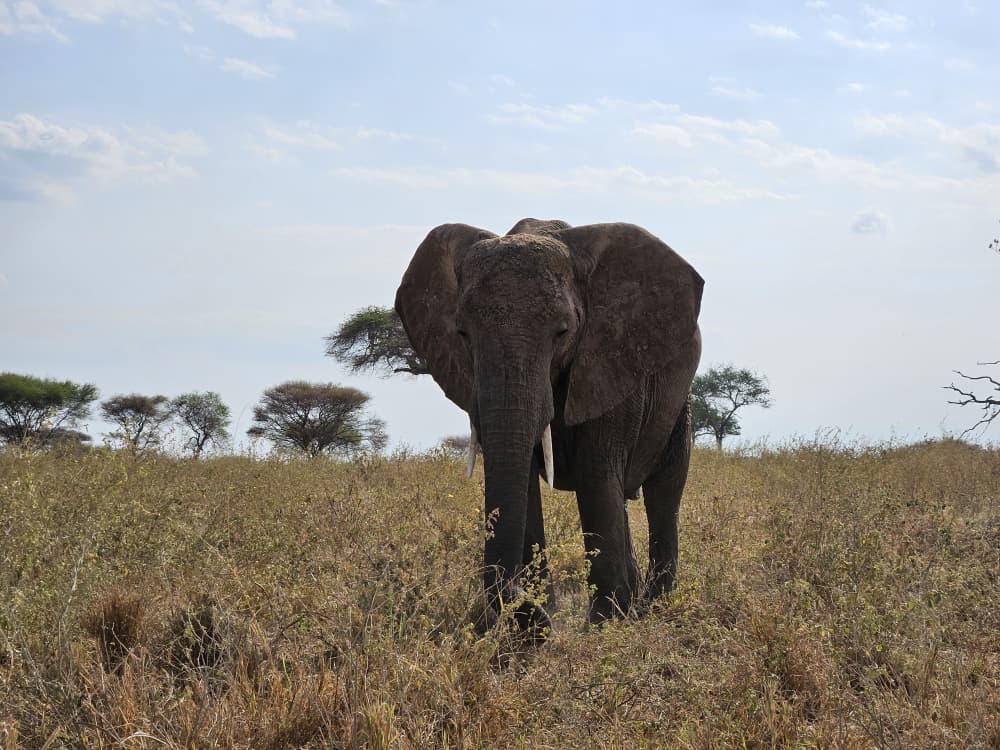
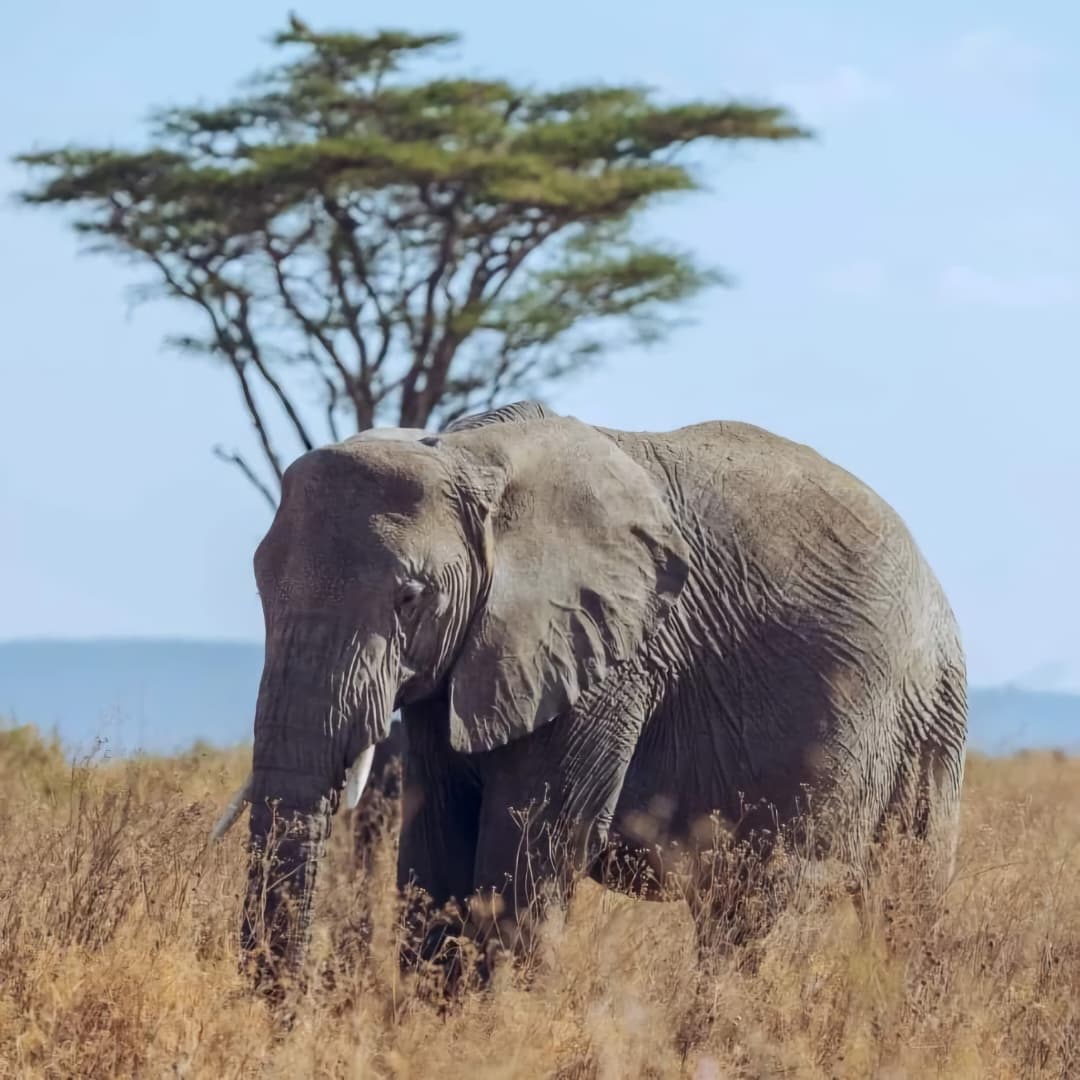
Tarangire National Park, famous for its giant baobab trees and large elephant herds, provides another exceptional safari experience. Many climbers also choose to relax on the white sandy beaches of Zanzibar Island after completing their Kilimanjaro adventure.
Combining a Kilimanjaro climb with a Tanzania safari creates a truly unforgettable African journey that blends mountain adventure with world-class wildlife experiences.
Drop us a line. Our tour experts will answer all your questions shortly