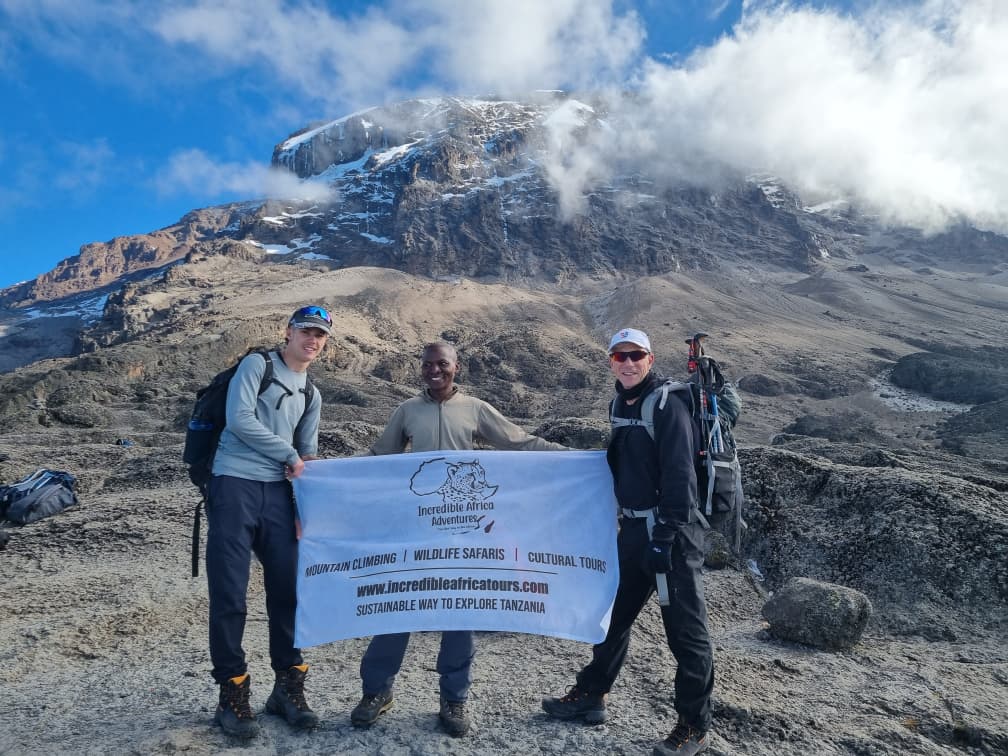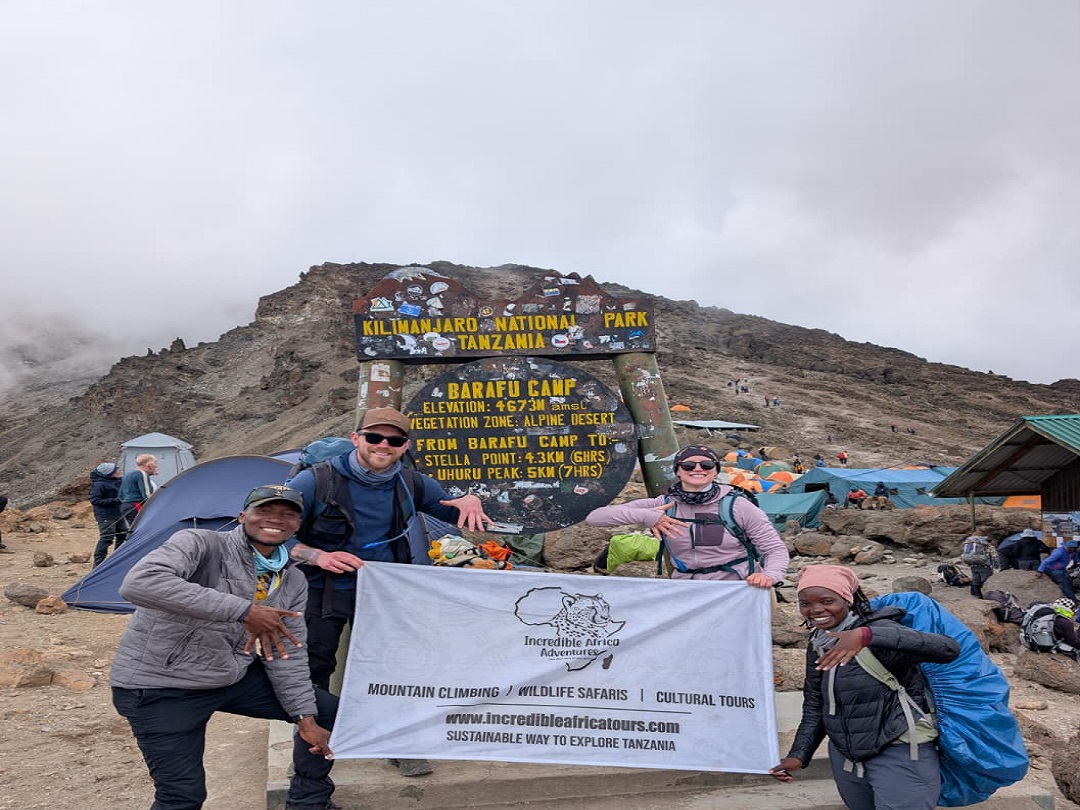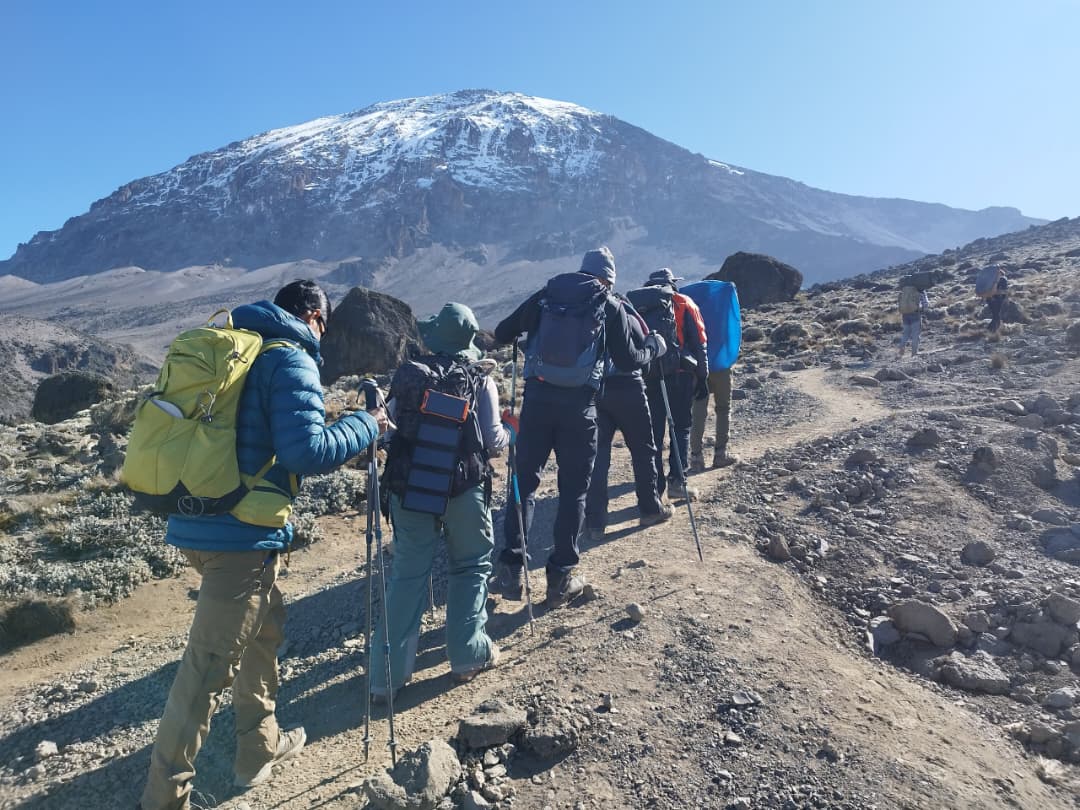
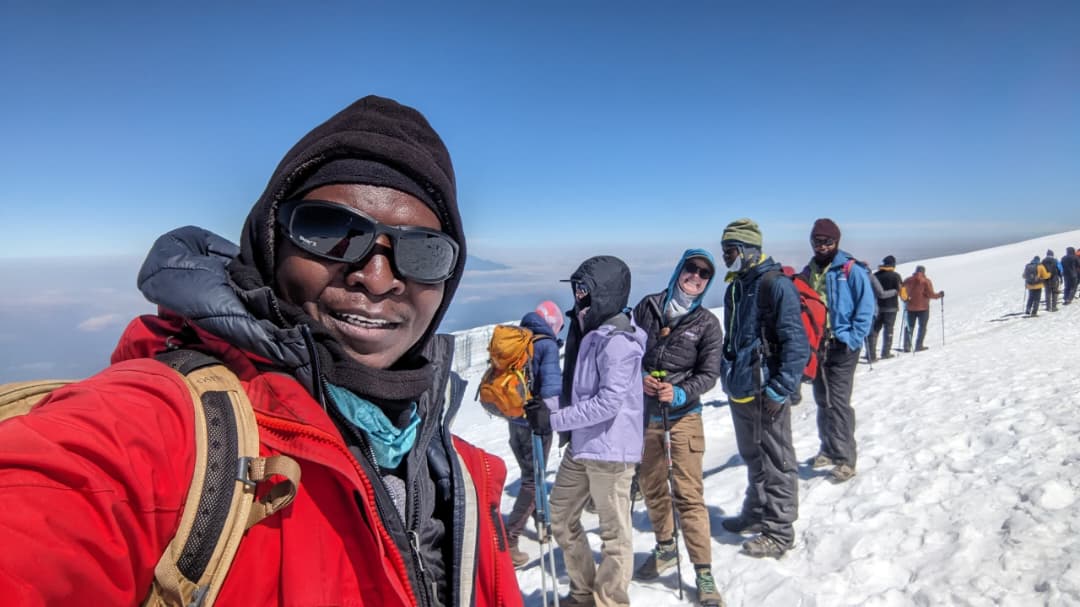
Mount Kilimanjaro stands as one of the most iconic mountains on Earth and the highest peak in Africa. Rising to 5,895 meters (19,341 feet) above sea level, this majestic dormant volcano dominates the Tanzanian skyline and attracts thousands of adventurers each year who dream of standing on Uhuru Peak, the summit famously known as the Roof of Africa. Unlike many of the world’s highest mountains, climbing Mount Kilimanjaro does not require technical mountaineering skills or specialized climbing equipment, making it accessible to hikers with determination and proper preparation.
However, many travelers planning this adventure ask an important question: Do you need a guide to climb Mount Kilimanjaro?
The simple answer is yes. Tanzanian law requires all climbers to be accompanied by a licensed guide registered with the Kilimanjaro National Park Authority (KINAPA). This regulation ensures climber safety, protects the fragile environment of Kilimanjaro National Park, and supports the local communities that depend on mountain tourism.
Understanding why guides are required, what role they play, and how to choose the right guiding company is essential when planning a successful Kilimanjaro expedition. In this comprehensive guide, we explain everything you need to know about climbing Kilimanjaro with a guide, choosing the best routes for beginners, preparing for altitude, and even combining your climb with a Mount Meru trek or Tanzania safari for the ultimate East African adventure.
Climbing Mount Kilimanjaro without a licensed guide has been illegal since 1991, when the Tanzanian government introduced regulations to ensure safety and environmental protection. The mountain’s extreme altitude, changing weather conditions, and remote wilderness environment make professional guidance essential.
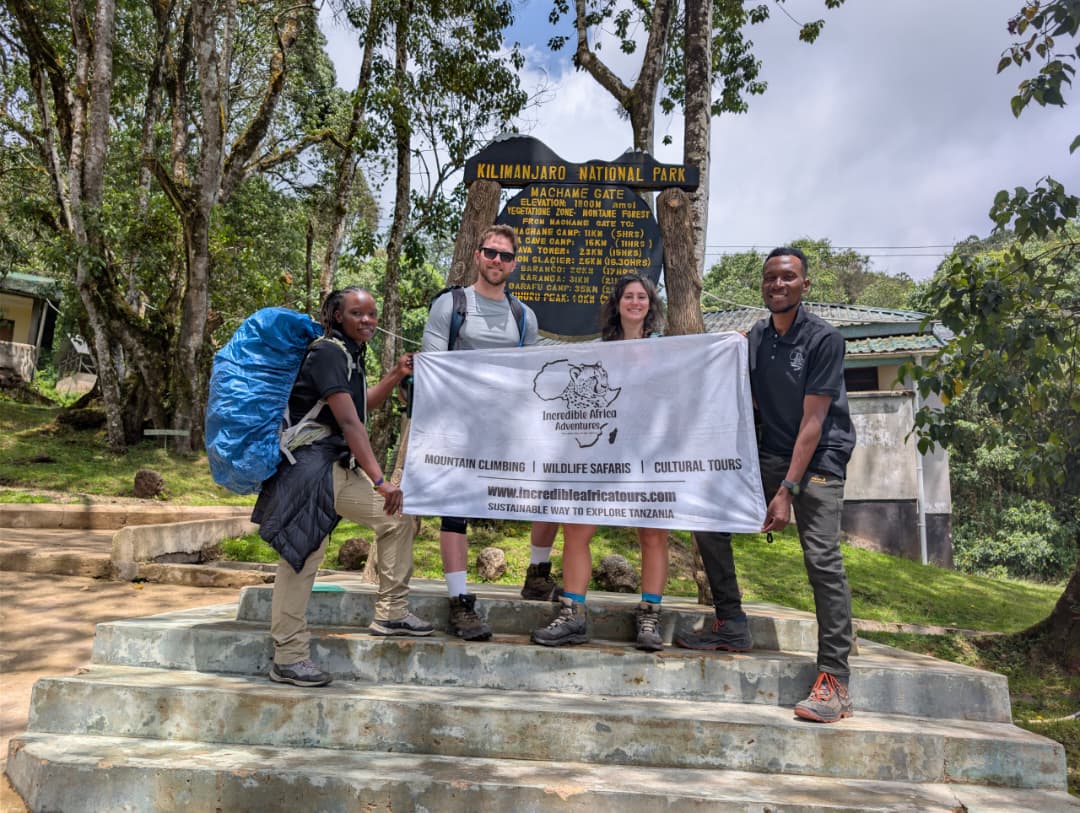
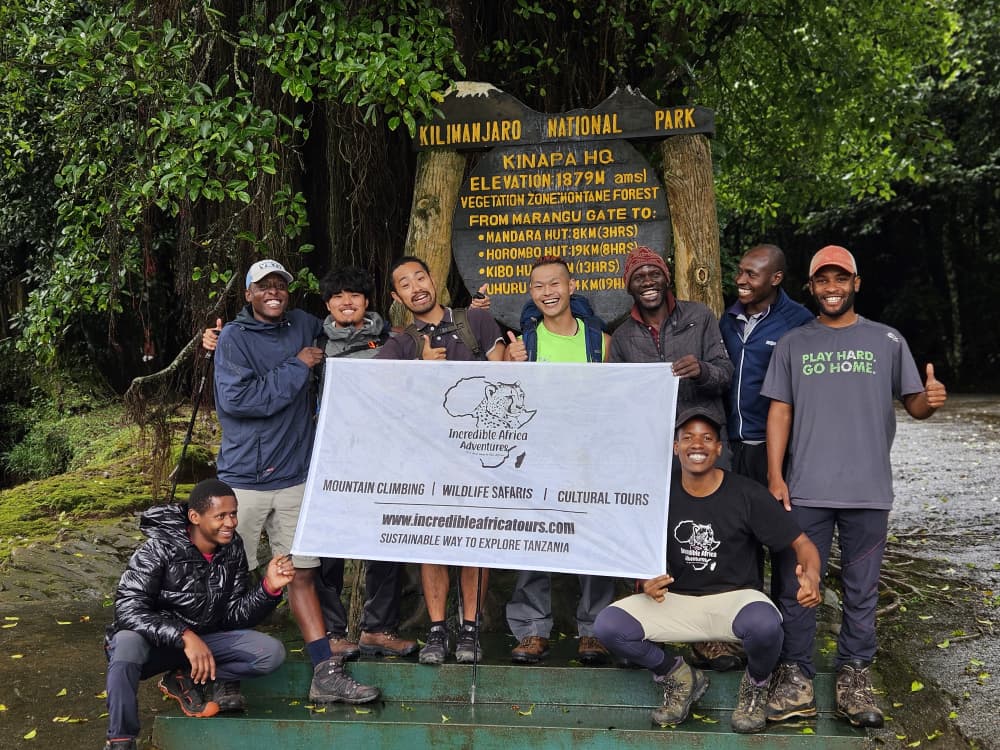
A trained Kilimanjaro guide does far more than simply lead the way up the mountain. Guides are responsible for monitoring climbers’ health, managing the trekking team, ensuring safe navigation along the trails, and responding to emergencies. Without experienced guides and a strong support crew, reaching the summit safely would be significantly more difficult and dangerous.
These regulations also help maintain sustainable tourism on Kilimanjaro by ensuring that climbers support the local economy through employment opportunities for guides, porters, cooks, and other mountain staff. For many communities surrounding the mountain, Kilimanjaro tourism provides vital livelihoods and contributes to regional development.
Safety is the primary reason why professional guides are required for climbing Mount Kilimanjaro. Although the trek does not involve technical climbing, the high altitude presents serious challenges for many climbers.
As trekkers ascend higher on the mountain, the oxygen level in the air decreases significantly. This can lead to Acute Mountain Sickness (AMS), which can cause symptoms such as headaches, nausea, fatigue, dizziness, and difficulty breathing. If not properly managed, severe altitude sickness can become life-threatening.
Professional Kilimanjaro guides are trained to recognize early symptoms of altitude sickness and monitor climbers throughout the trek. They carry medical equipment such as pulse oximeters to measure oxygen levels and ensure climbers are adapting properly to altitude.
Guides also follow proven acclimatization strategies such as the “climb high, sleep low” principle, which allows the body to gradually adjust to higher elevations. If a climber develops serious symptoms, guides are trained to make quick decisions to descend or arrange emergency evacuation.
Without experienced guides monitoring these conditions, climbers would face significantly greater risks during the expedition.
Mount Kilimanjaro offers multiple routes to the summit, each with different terrain, landscapes, and acclimatization profiles. While the trails are established, navigating them safely requires detailed knowledge of the mountain’s environment.
Professional guides understand the terrain, weather patterns, and altitude challenges unique to each route. They know how to pace the climb properly, adjust trekking speed, and choose the safest approach to summit day.
For first-time climbers especially, this expertise makes a huge difference. Guides help trekkers maintain the famous Kilimanjaro climbing pace known locally as “pole pole,” meaning slowly slowly. This slow pace conserves energy and greatly improves acclimatization.
Guides also provide fascinating insights about Kilimanjaro’s ecology, geology, and cultural significance, enriching the experience beyond simply reaching the summit.
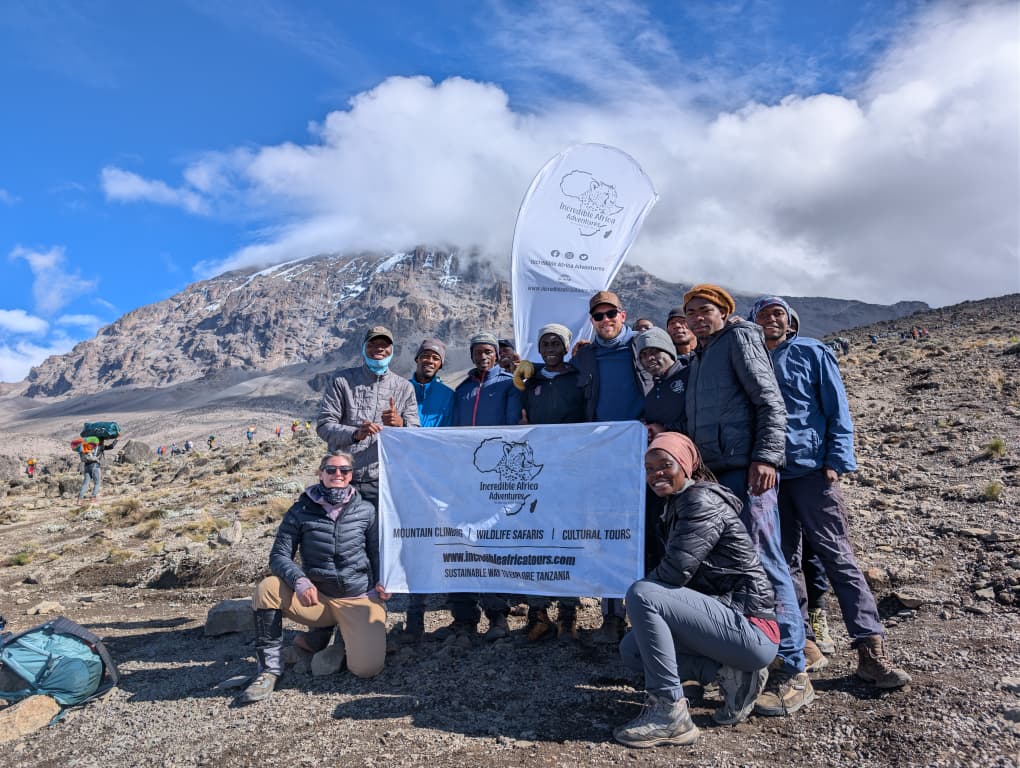
Mount Kilimanjaro trekking plays an important role in supporting Tanzania’s local economy. Each Kilimanjaro climb requires a large support team, including guides, assistant guides, porters, cooks, and camp staff.
For a group of climbers, it is common to have a support crew of 30 to 50 people working behind the scenes to ensure the expedition runs smoothly. These team members transport equipment, prepare meals, set up camps, and assist climbers throughout the journey.
Choosing a reputable local guiding company ensures that these workers receive fair wages, proper working conditions, and ethical treatment. Responsible tour operators follow porter welfare guidelines established by organizations such as the Kilimanjaro National Park Authority (KINAPA).
By climbing Kilimanjaro with an ethical local company, travelers contribute directly to community development and sustainable tourism.
Kilimanjaro National Park is a UNESCO World Heritage Site and one of Tanzania’s most treasured natural landmarks. Protecting its fragile ecosystems is essential to preserve the mountain for future generations.
Licensed guides play a crucial role in conservation by ensuring that climbers follow strict environmental regulations. They enforce Leave No Trace principles, keep trekkers on designated trails, and ensure waste is properly managed and removed from the mountain.
Because Kilimanjaro passes through multiple ecological zones—from rainforest to alpine desert and glaciers—protecting these environments is essential. Responsible guiding companies work closely with park authorities to minimize environmental impact and maintain the mountain’s natural beauty.
A Kilimanjaro expedition involves a dedicated team working together to support climbers. Each member of the crew plays a vital role in the success and safety of the climb.
The lead guide manages the entire expedition and monitors climbers’ health and progress. Assistant guides support the group and help ensure that everyone maintains a safe pace.
Porters carry the majority of the equipment, including tents, cooking supplies, food, and climbers’ duffel bags. Their work allows trekkers to focus on the climb without carrying heavy loads.
Meanwhile, mountain chefs prepare nutritious meals designed to provide energy at high altitude. Proper nutrition and hydration are essential for maintaining strength and acclimatizing successfully.
Together, this support team transforms the climb into a well-organized expedition rather than a survival challenge.
Choosing the right route is one of the most important decisions when planning a Kilimanjaro climb. Some routes offer better acclimatization and higher summit success rates, making them more suitable for beginners.
Among the most recommended Kilimanjaro climb routes are Lemosho, Northern Circuit, Machame, and Rongai.
The Lemosho Route is widely considered the best overall route for beginners due to its scenic landscapes and excellent acclimatization profile. Climbers spend seven to eight days gradually ascending the mountain, which significantly improves summit success rates.
The Northern Circuit Route is the longest route, typically lasting nine days. Because it circles the mountain’s quieter northern slopes, it offers exceptional acclimatization and some of the highest summit success rates.
The Machame Route, often called the “Whiskey Route,” is one of the most popular paths due to its dramatic scenery and balanced ascent profile. When completed over seven days, it provides strong acclimatization opportunities for beginners.
The Rongai Route approaches Kilimanjaro from the northern side near the Kenyan border and is known for its drier conditions and quieter trails.
Before attempting Mount Kilimanjaro, many climbers choose to trek Mount Meru, Tanzania’s second-highest mountain at 4,566 meters. Located within Arusha National Park, Mount Meru offers a spectacular trekking experience and serves as excellent acclimatization before climbing Kilimanjaro.
The Mount Meru climb typically takes three to four days and passes through lush forests inhabited by wildlife such as giraffes, buffalo, and monkeys. The trail continues through alpine landscapes before reaching the dramatic summit ridge with breathtaking views of Kilimanjaro in the distance.
Climbing Mount Meru first allows trekkers to adjust to altitude gradually, significantly increasing their chances of reaching the summit of Kilimanjaro later. Many experienced guides recommend this combination for climbers seeking the safest and most rewarding mountain experience.
Selecting the right guiding company is one of the most important decisions when planning a Kilimanjaro expedition. At Incredible Africa Adventures, we combine professional expertise with genuine Tanzanian hospitality to create unforgettable mountain experiences.
Our experienced guides are trained in high-altitude safety and wilderness first aid, ensuring that climbers receive expert care throughout the journey. We carefully design our trekking itineraries to maximize acclimatization and summit success while maintaining comfortable trekking schedules.
We also prioritize ethical treatment of porters and support crew, ensuring fair wages and safe working conditions. By choosing Incredible Africa Adventures, travelers support responsible tourism while enjoying an authentic local guiding experience.
No. Tanzanian law requires all climbers to be accompanied by a licensed guide registered with Kilimanjaro National Park.
The Lemosho Route and Northern Circuit Route are widely considered the best routes for beginners due to their gradual acclimatization profiles.
Most climbs take between 6 and 9 days, depending on the route and acclimatization schedule.
Kilimanjaro is physically demanding due to altitude, but it does not require technical climbing skills.
Yes. Mount Meru is an excellent acclimatization trek and improves summit success rates for Kilimanjaro.
Climbing Mount Kilimanjaro is one of the most rewarding adventures on Earth. With the guidance of experienced local professionals, proper preparation, and the right route choice, reaching the summit becomes an achievable goal for determined climbers.
Whether you choose to climb Kilimanjaro directly or combine it with a Mount Meru trek and Tanzania safari, the journey promises unforgettable landscapes, personal achievement, and memories that last a lifetime.
With Incredible Africa Adventures, your dream of standing on the Roof of Africa begins with expert guidance and a team dedicated to helping you succeed.
Drop us a line. Our tour experts will answer all your questions shortly