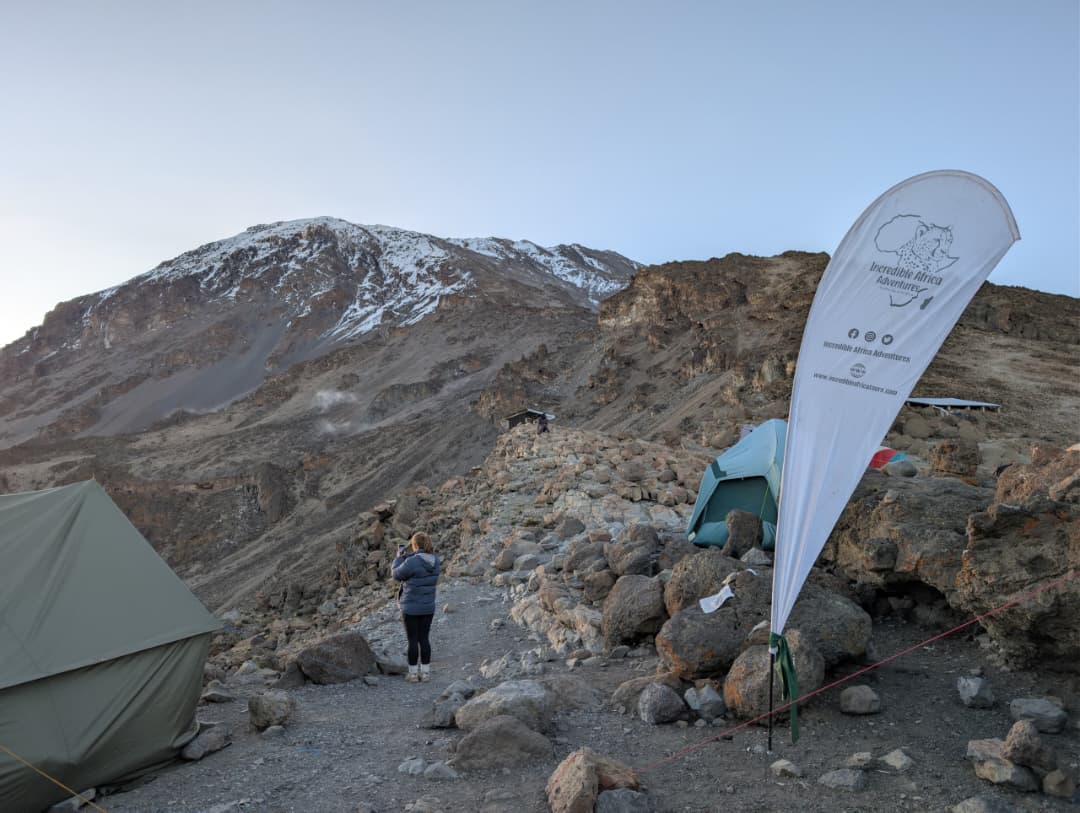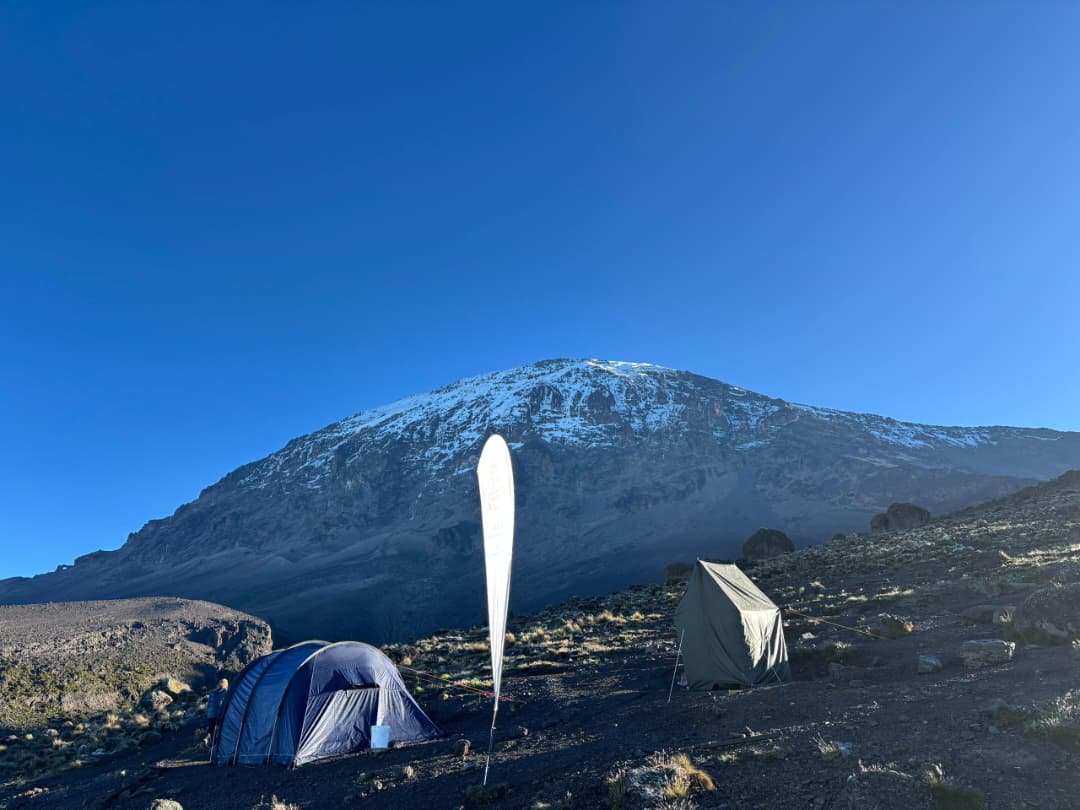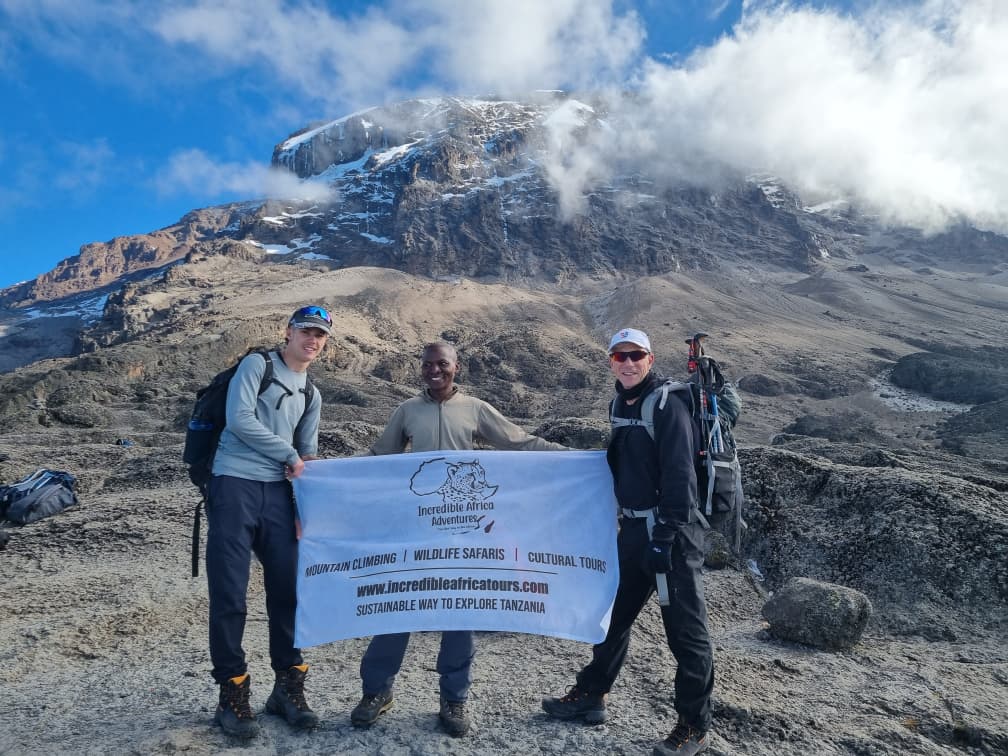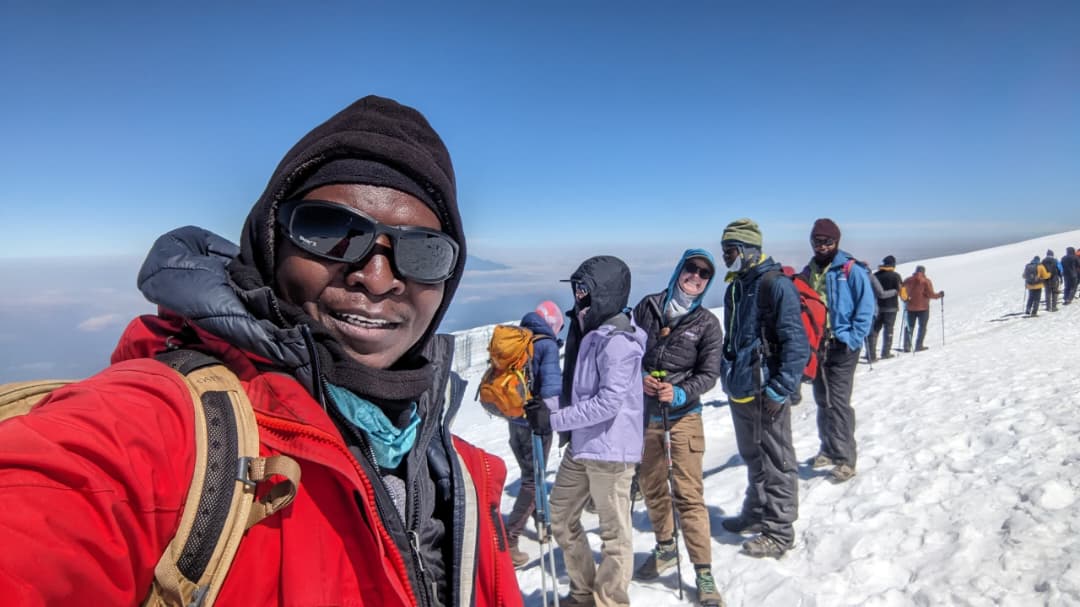
Climbing Mount Kilimanjaro is one of the most extraordinary trekking adventures in the world. Standing at 5,895 meters (19,341 feet) above sea level, Mount Kilimanjaro is the highest mountain in Africa and the tallest free-standing mountain on Earth. Every year, thousands of adventurers from around the globe travel to Tanzania to attempt the climb and stand on Uhuru Peak, the famous summit known as the “Roof of Africa.”
One of the most common questions travelers ask when planning their expedition is: Which Kilimanjaro route is best for beginners? While Mount Kilimanjaro does not require technical climbing skills, the high altitude and long trekking days make route choice extremely important. Some routes provide better acclimatization, gentler ascent profiles, and higher summit success rates, making them much more suitable for first-time high-altitude climbers.
Choosing the best Kilimanjaro route for beginners involves considering several important factors, including the length of the trek, acclimatization opportunities, scenery, trail difficulty, and overall summit success rates. Routes that allow more time for the body to adapt to altitude significantly increase the chances of reaching the summit safely and comfortably.
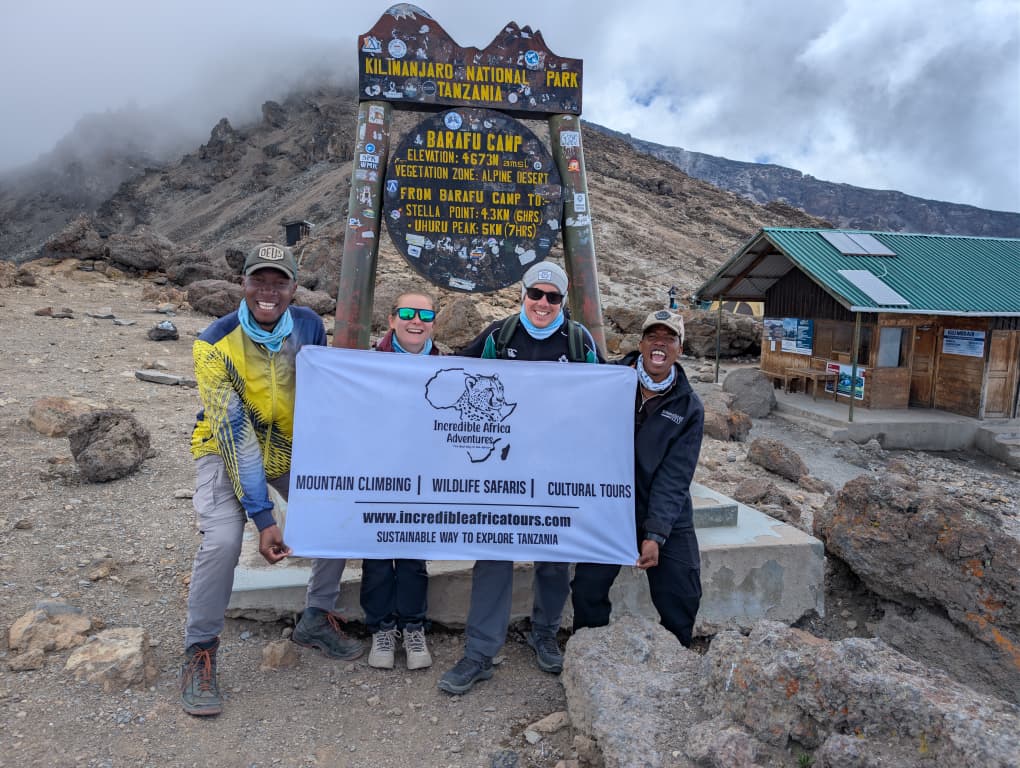
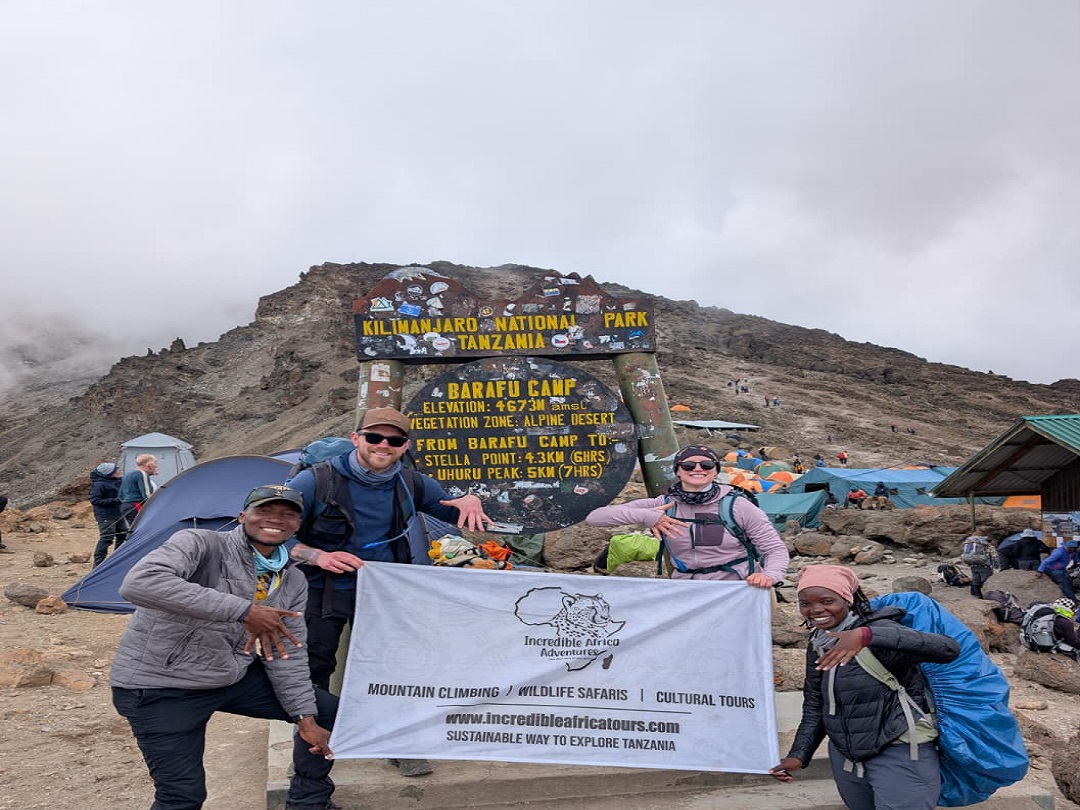
At Incredible Africa Adventures, we specialize in guiding climbers safely to the summit of Mount Kilimanjaro while providing professional support, experienced local guides, and carefully designed itineraries that maximize summit success. In this guide, we explain the best Kilimanjaro routes for beginners, compare the different trekking options, and help you choose the route that best fits your goals, fitness level, and adventure expectations.
Although Mount Kilimanjaro is considered a non-technical trekking peak, reaching the summit is still a serious physical challenge. The biggest difficulty on Kilimanjaro is not the terrain itself but the high altitude, where oxygen levels decrease significantly as climbers ascend higher up the mountain.
Altitude sickness is the main reason why some climbers are unable to reach the summit. This is why choosing a route with proper acclimatization opportunities is extremely important, particularly for beginners who may have little or no previous experience trekking at high altitude.
Longer routes that allow gradual ascent give the body more time to adjust to decreasing oxygen levels. This is why many experienced mountain guides recommend 7- to 9-day Kilimanjaro routes rather than shorter itineraries. Slower ascents dramatically improve acclimatization and increase summit success rates.
Beyond acclimatization, route choice also affects the overall experience of the climb. Some Kilimanjaro routes offer quieter trails, spectacular panoramic views, and diverse landscapes, while others may be more crowded or physically demanding. For beginners, selecting a route that balances scenery, acclimatization, and manageable trekking days can make the journey far more enjoyable.
Mount Kilimanjaro has seven established routes that lead climbers toward the summit. Each route approaches the mountain from a different side and offers its own unique landscapes and trekking characteristics.
The main Kilimanjaro climbing routes include:
Among these routes, some are clearly better suited for beginners due to their gradual ascent profiles and higher summit success rates. The most recommended beginner routes are Lemosho, Northern Circuit, Machame (7 days), and Rongai.
The Lemosho Route is widely regarded as the best Kilimanjaro route for beginners because it offers an excellent balance of scenic beauty, gradual acclimatization, and high summit success rates. This route begins on the western side of the mountain and typically takes 7 to 8 days to complete.
One of the greatest advantages of the Lemosho Route is its “climb high, sleep low” acclimatization profile, which allows climbers to ascend to higher altitudes during the day and descend slightly to sleep at lower elevations. This strategy helps the body adapt more effectively to the altitude and significantly reduces the risk of altitude sickness.
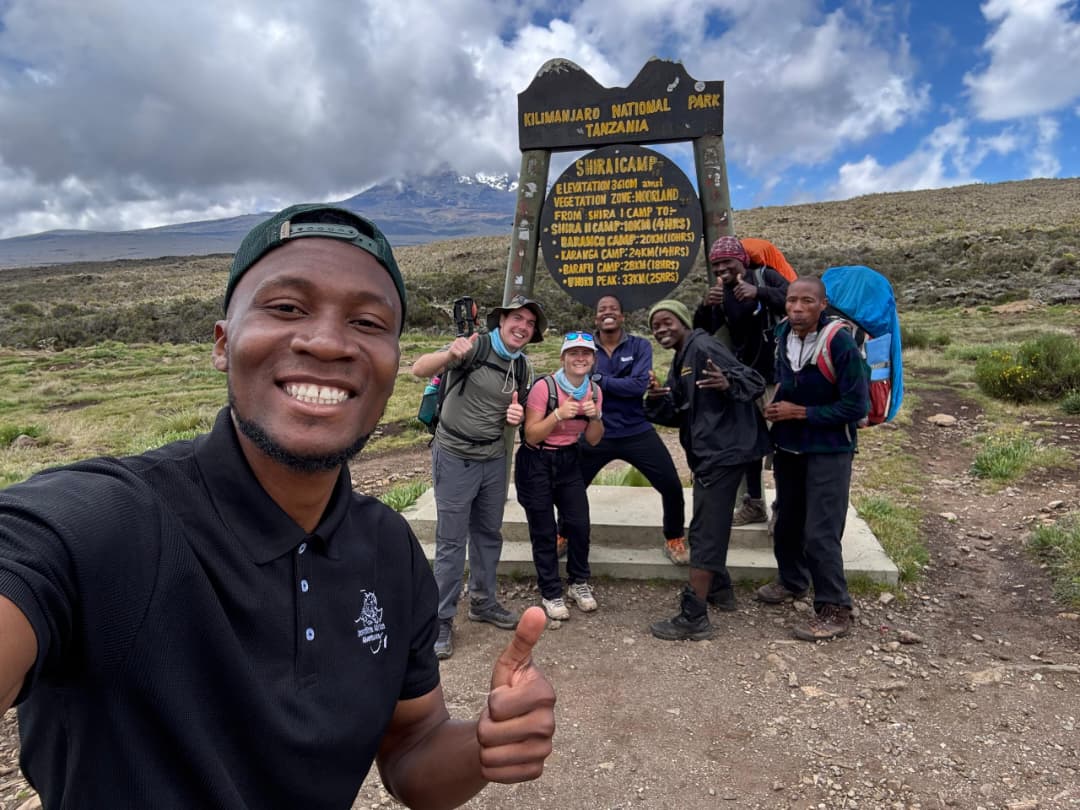
The Lemosho Route also offers some of the most breathtaking scenery on Mount Kilimanjaro. The trek begins in lush rainforest where climbers may encounter wildlife such as colobus monkeys before ascending through heather moorlands and dramatic alpine landscapes. As the route approaches the Shira Plateau, climbers enjoy expansive views across the mountain and surrounding plains.
Because of its gradual ascent and longer itinerary, the Lemosho Route boasts summit success rates exceeding 90% when completed over 8 days, making it an excellent choice for beginners who want the best possible chance of reaching Uhuru Peak.
The Northern Circuit Route is the longest and most comprehensive route on Mount Kilimanjaro, typically lasting 8 to 9 days. It offers the highest overall summit success rate due to its exceptional acclimatization profile and gradual ascent.
This route begins similarly to the Lemosho Route but then continues around the quieter northern slopes of the mountain, creating a spectacular 360-degree journey around Kilimanjaro. Because fewer climbers use this route, it provides a quieter and more remote trekking experience compared to other trails.
For beginners who have the time and budget to complete a longer trek, the Northern Circuit Route is one of the safest and most comfortable options available. The additional days allow climbers to adapt slowly to altitude, greatly increasing their chances of reaching the summit successfully.
The scenery along the Northern Circuit is also extraordinary, with sweeping views of Kilimanjaro’s glaciers, volcanic formations, and distant plains stretching toward Kenya.
The Machame Route, often referred to as the “Whiskey Route,” is one of the most popular Kilimanjaro routes. While slightly more physically demanding than Lemosho, it is still a great option for beginners when completed over 7 days instead of 6 days.
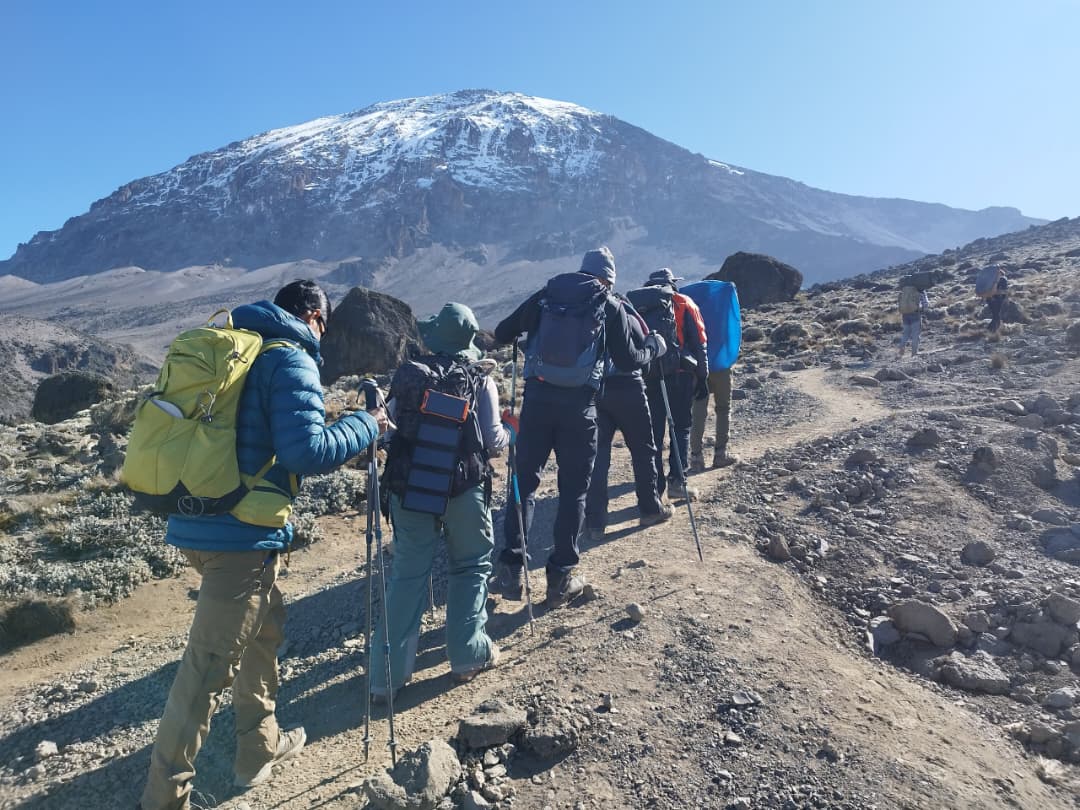
Machame is known for its dramatic landscapes, which change dramatically as climbers ascend through rainforest, moorland, alpine desert, and finally the glacier-covered summit zone. One of the most iconic features of the Machame Route is the Barranco Wall, a steep but non-technical rock formation that climbers ascend on their way toward higher camps.
Although Machame can be busier than other routes, its well-designed acclimatization profile and spectacular scenery make it a rewarding trekking experience. Beginners who choose the 7-day Machame itinerary often achieve strong summit success rates while enjoying one of the most visually stunning routes on the mountain.
The Rongai Route approaches Mount Kilimanjaro from the northern side near the Kenyan border. This side of the mountain receives less rainfall, making it a good option for climbers who want to avoid wet conditions during the rainy season.
Rongai is considered a moderate route suitable for beginners, particularly when completed over 7 days to allow better acclimatization. The route offers wide open landscapes and views toward Kenya, creating a very different perspective of Kilimanjaro compared to western approaches.
Because fewer climbers use the Rongai Route, it provides a quieter and more peaceful trekking experience. However, the acclimatization profile is slightly less optimal than Lemosho or Northern Circuit, which means climbers should prioritize longer itineraries to maximize their chances of reaching the summit.
The Marangu Route, often called the “Coca-Cola Route,” is the only Kilimanjaro route that offers hut accommodation instead of camping. Climbers sleep in shared mountain huts equipped with basic beds and dining areas.
Because it is shorter, typically 5–6 days, Marangu was once considered the easiest Kilimanjaro route. However, the rapid ascent provides fewer opportunities for acclimatization, which results in lower summit success rates compared to longer routes.
For beginners who prefer sleeping in huts instead of tents, the Marangu Route can still be an attractive option, especially when completed over 6 days rather than 5 days.
The time required to climb Mount Kilimanjaro depends largely on the chosen route and acclimatization schedule. Most Kilimanjaro climbs take between 6 and 9 days, with longer itineraries providing higher summit success rates.
Shorter routes may appear attractive because they require fewer days, but they significantly increase the risk of altitude sickness. For beginners, routes lasting 7–9 days are strongly recommended because they allow proper acclimatization.
Summit day is the most challenging and rewarding part of the entire Kilimanjaro climb. Climbers typically begin their summit push around midnight, trekking slowly upward under the stars toward the crater rim.
The final ascent is physically demanding due to the extreme altitude and cold temperatures, but reaching the summit at Uhuru Peak is an unforgettable moment. Watching the sunrise from the highest point in Africa, surrounded by glaciers and endless landscapes, is an experience that few places on Earth can offer.
Kilimanjaro climb preparation is essential for a successful Kilimanjaro climb. While technical climbing skills are not required, climbers should focus on building endurance through regular hiking, running, or cycling before the expedition.
Training should ideally begin several months before the climb, with practice hikes carrying a backpack to simulate trekking conditions. Mental preparation and a positive attitude are also extremely important, as perseverance plays a major role in reaching the summit.
Proper climb gear is essential for comfort and safety on Mount Kilimanjaro. Climbers should pack warm layered clothing, waterproof jackets, trekking boots, gloves, and thermal hats to protect against cold summit temperatures.
Other essential items include trekking poles, sleeping bags rated for cold conditions, headlamps for summit night, and personal hydration systems. Professional Kilimanjaro operators usually provide camping equipment and experienced porters to carry most of the gear.
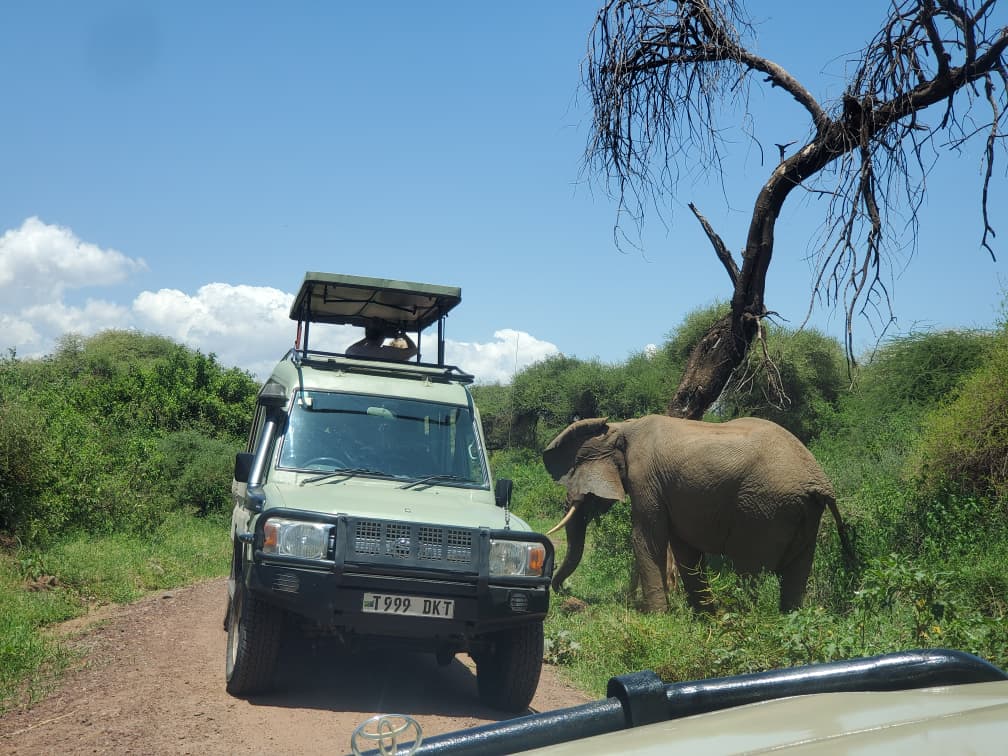
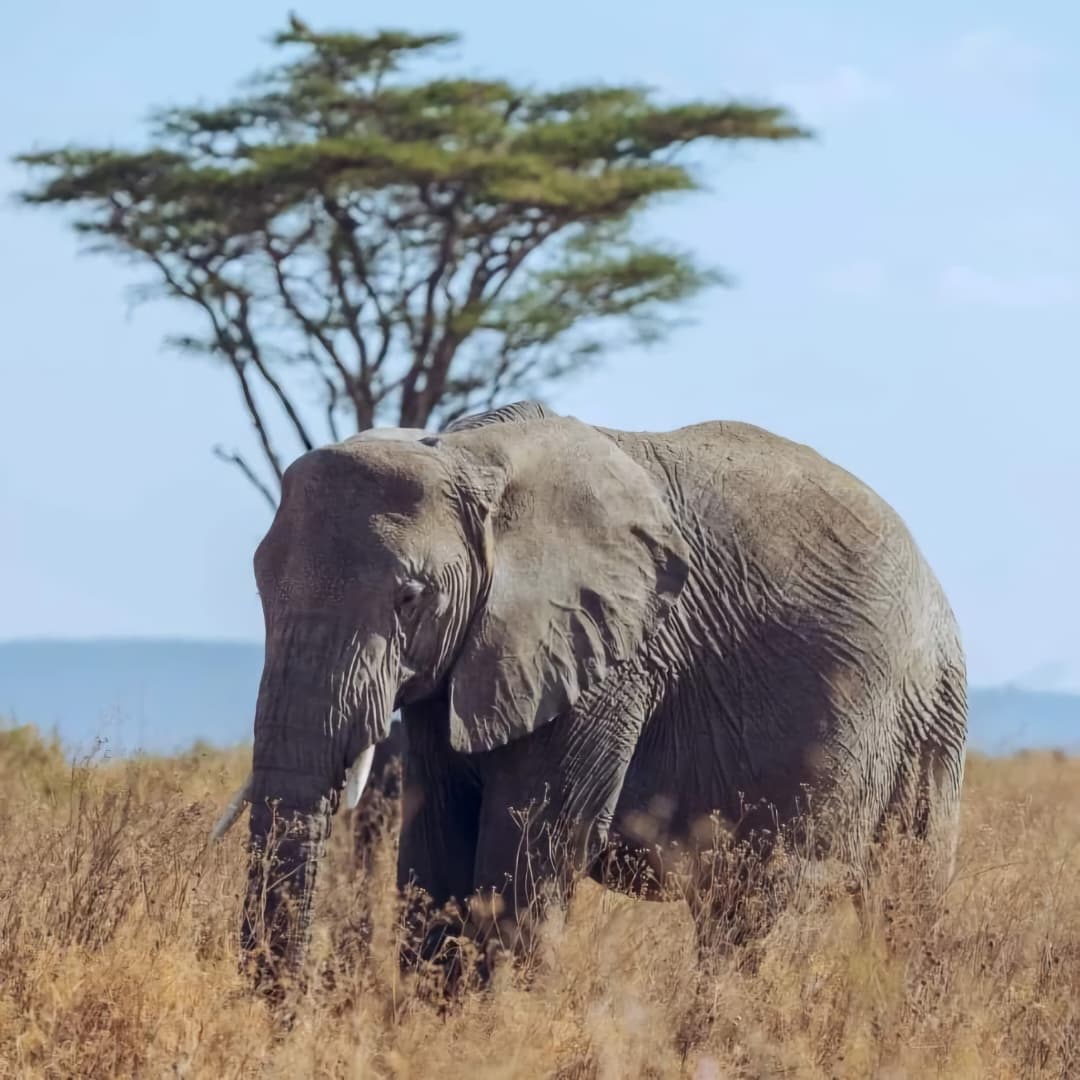
Many travelers combine their Kilimanjaro climb with a Tanzania wildlife safari, creating an unforgettable adventure that showcases both the mountain and the country’s extraordinary wildlife.
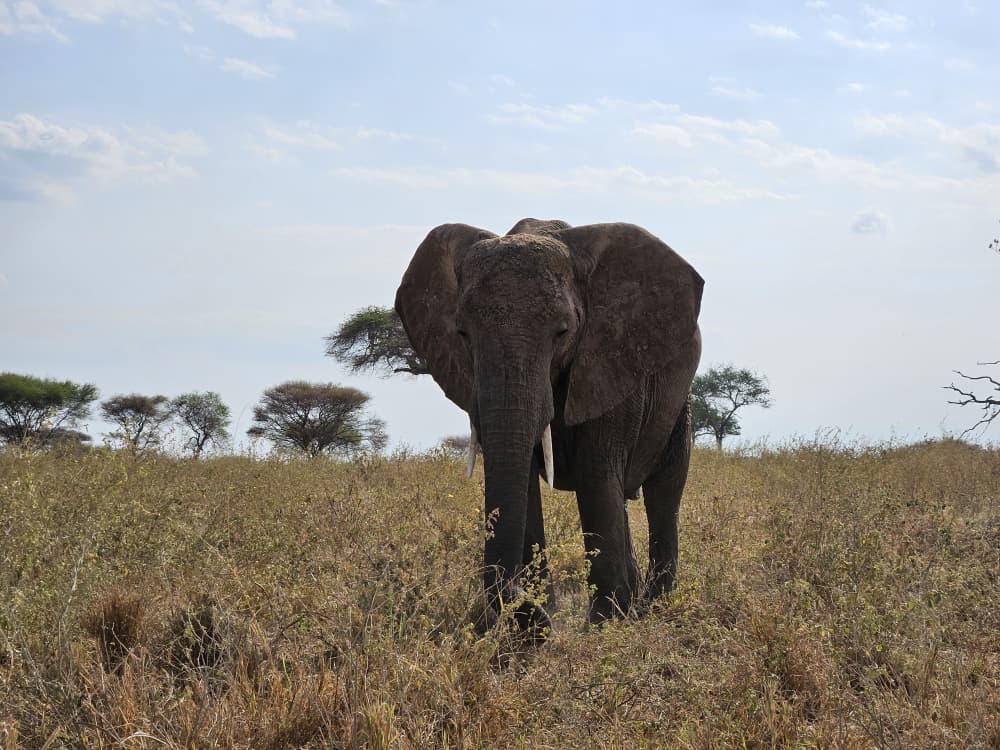
After reaching the summit, climbers can relax while exploring Tanzania’s famous national parks such as Serengeti National Park, Ngorongoro Crater, and Tarangire National Park. These safaris allow visitors to encounter lions, elephants, giraffes, zebras, and countless other species in their natural habitats.
Ending a Kilimanjaro expedition with a safari is the perfect way to celebrate the achievement of climbing Africa’s highest mountain.
At Incredible Africa Adventures, we are passionate about helping climbers achieve their dream of reaching the summit of Mount Kilimanjaro. Our experienced local guides prioritize safety, proper acclimatization, and responsible trekking practices to ensure every climber has the best possible experience.
We provide carefully designed itineraries, high-quality equipment, and professional mountain crews who support climbers every step of the way. Our goal is simple: to guide you safely and successfully to the Roof of Africa while allowing you to fully enjoy the incredible landscapes and culture of Tanzania.
Choosing the right Kilimanjaro route is one of the most important decisions when planning your climb. For beginners, the Lemosho Route, Northern Circuit Route, Machame Route, and Rongai Route offer the best balance of acclimatization, scenery, and summit success.
With the right preparation, experienced guides, and a well-designed itinerary, climbing Mount Kilimanjaro is an achievable and life-changing adventure. Your journey to the summit of Africa begins here.
Drop us a line. Our tour experts will answer all your questions shortly