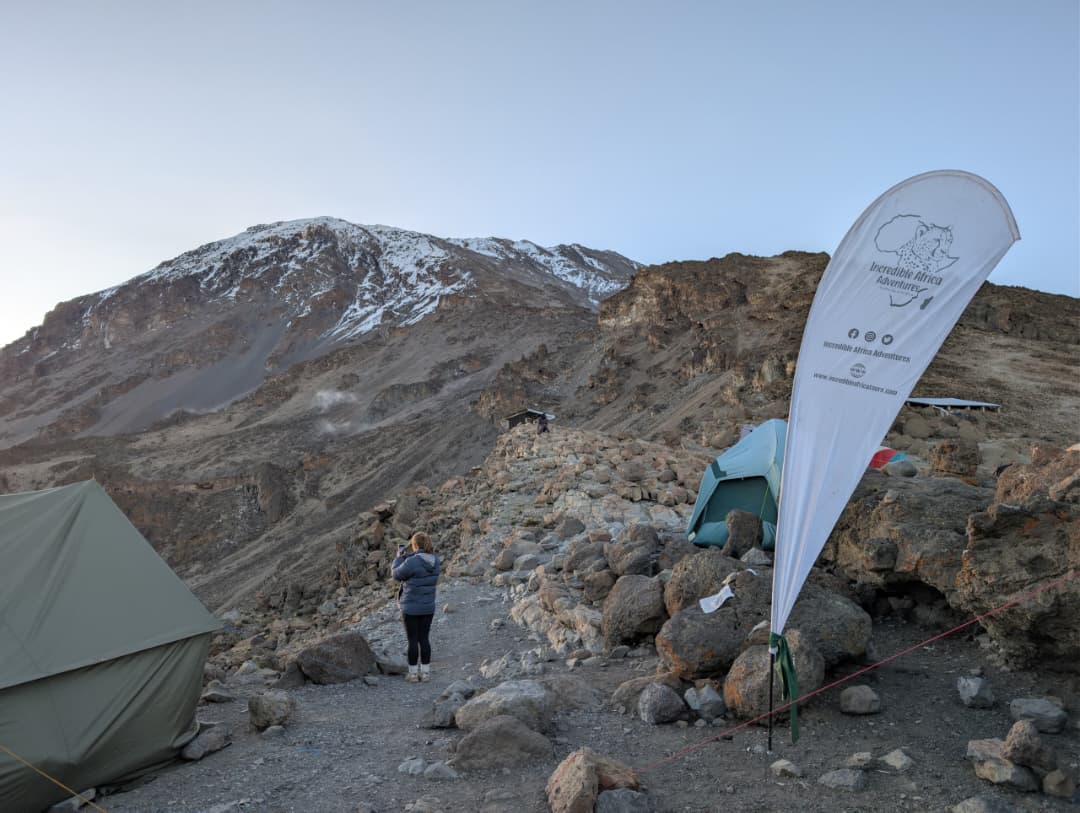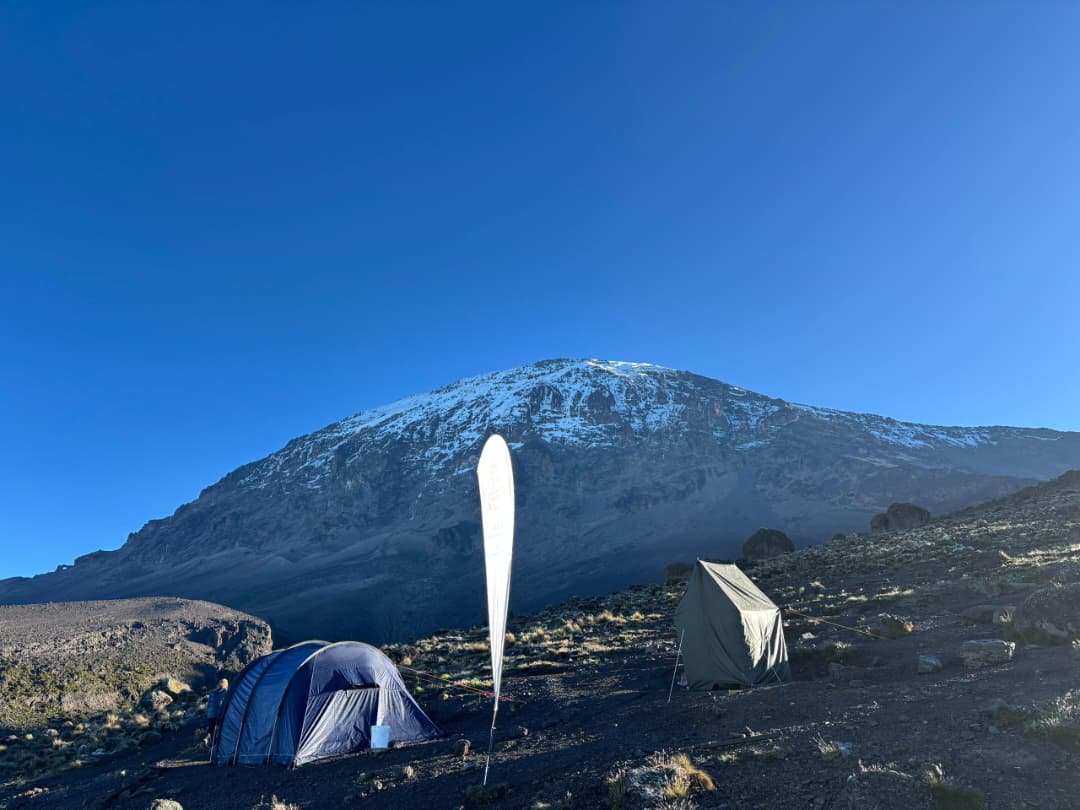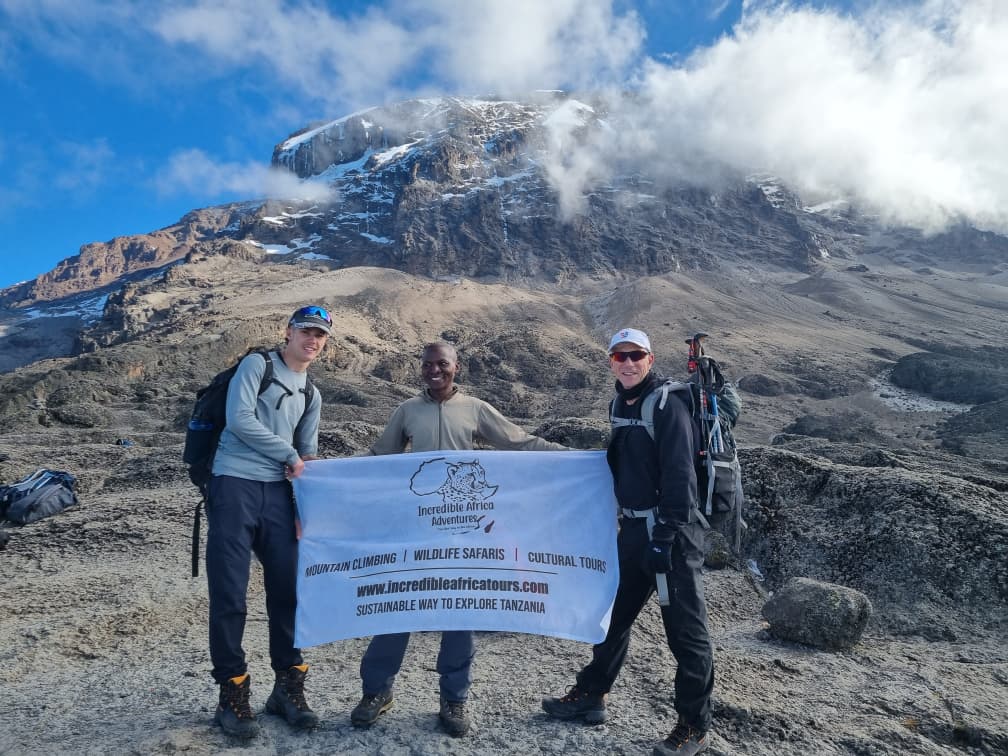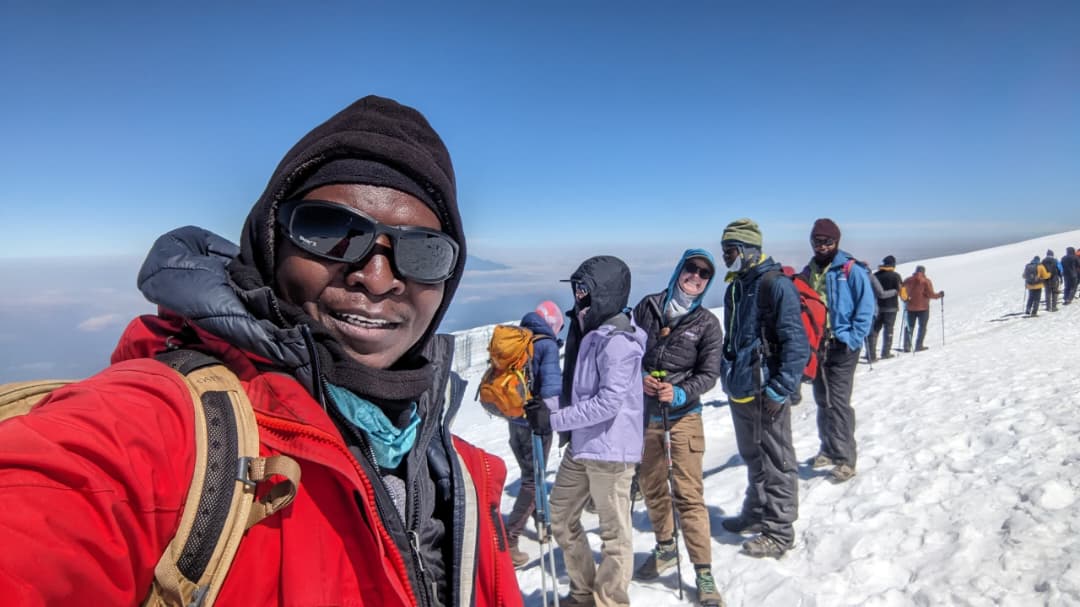
Mount Kilimanjaro stands proudly as the highest mountain in Africa and one of the most iconic trekking destinations in the world. Rising to 5,895 meters (19,341 feet) above sea level, this majestic free-standing volcano towers above the plains of northern Tanzania and attracts adventurers from every corner of the globe. For many travelers, climbing Mount Kilimanjaro represents far more than reaching a physical summit. It is a personal journey of determination, discovery, and transformation that offers an unforgettable connection with nature.
Unlike many of the world’s highest mountains, Kilimanjaro does not require technical climbing experience or mountaineering equipment. Instead, it is a high-altitude trekking adventure that allows hikers with proper preparation and determination to reach the summit through gradual ascent. This unique accessibility makes Kilimanjaro one of the most achievable of the famous Seven Summits, drawing thousands of climbers each year who dream of standing on Uhuru Peak, the highest point on the African continent.
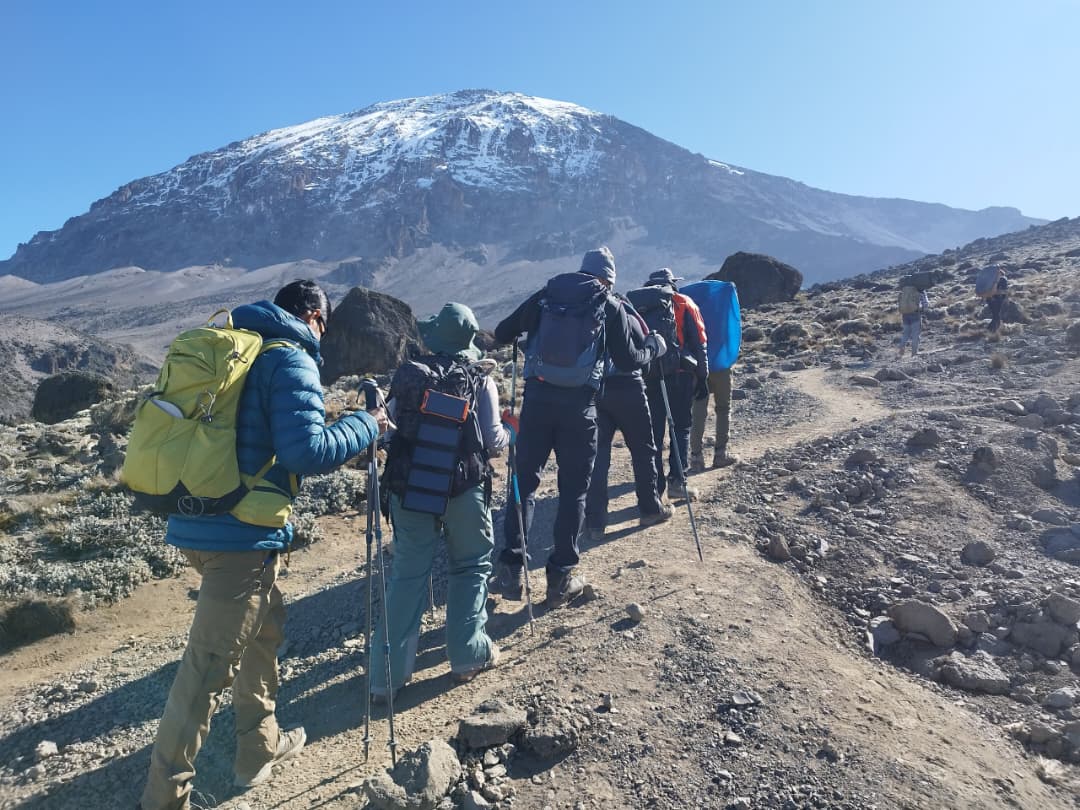
Every Kilimanjaro expedition is an extraordinary journey through dramatically changing landscapes. As climbers ascend the mountain, they pass through lush tropical rainforest, wide open moorlands, alpine desert, and finally the icy summit zone. These ecological transitions make the Kilimanjaro trek one of the most diverse and visually stunning mountain experiences in the world.
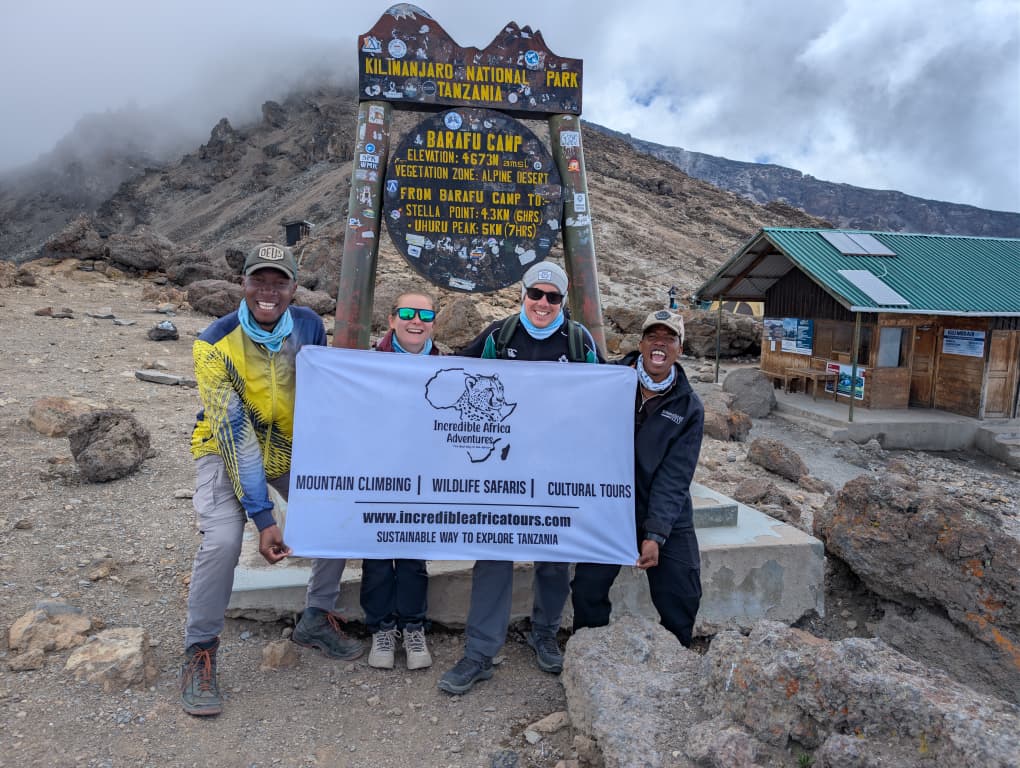
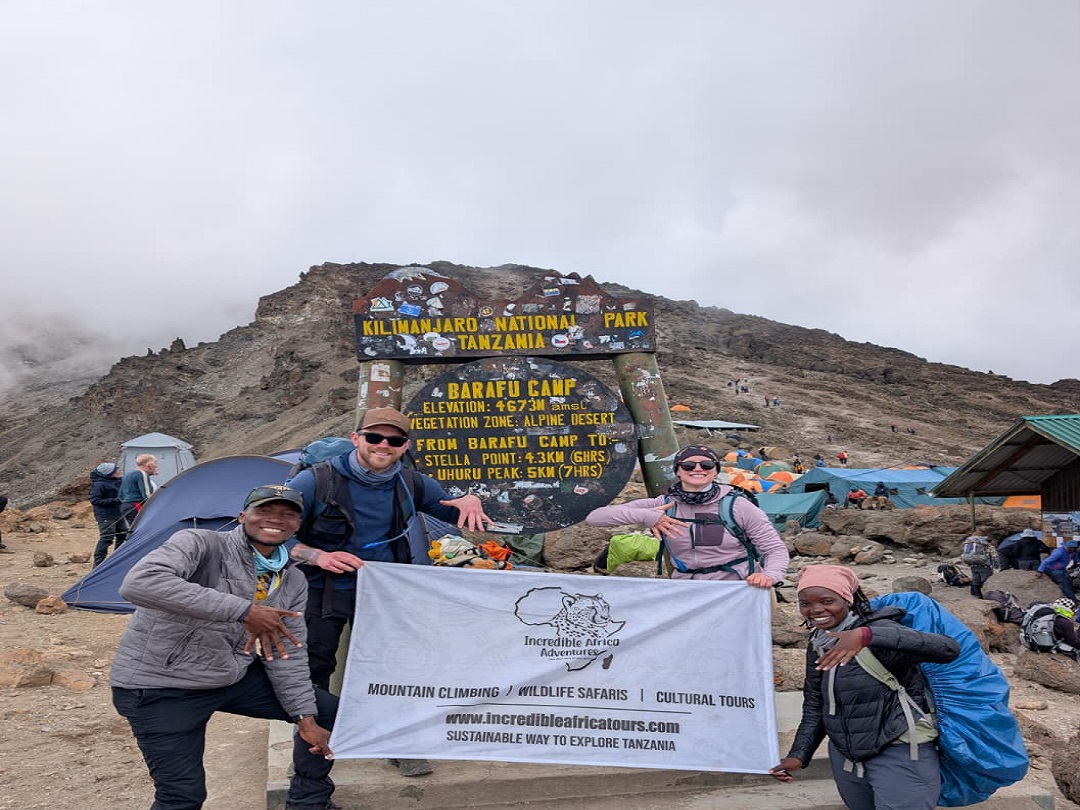
At Incredible Africa Adventures, we specialize in organizing safe, ethical, and professionally guided Kilimanjaro climbs that allow travelers to experience the beauty, culture, and challenge of this remarkable mountain while maximizing their chances of reaching the summit successfully.
Mount Kilimanjaro is located in northeastern Tanzania, near the border with Kenya, within the protected area of Kilimanjaro National Park, a UNESCO World Heritage Site recognized for its ecological and geological significance. The mountain lies approximately 80 kilometers east of Arusha, the main gateway city for northern Tanzania safaris and mountain expeditions.
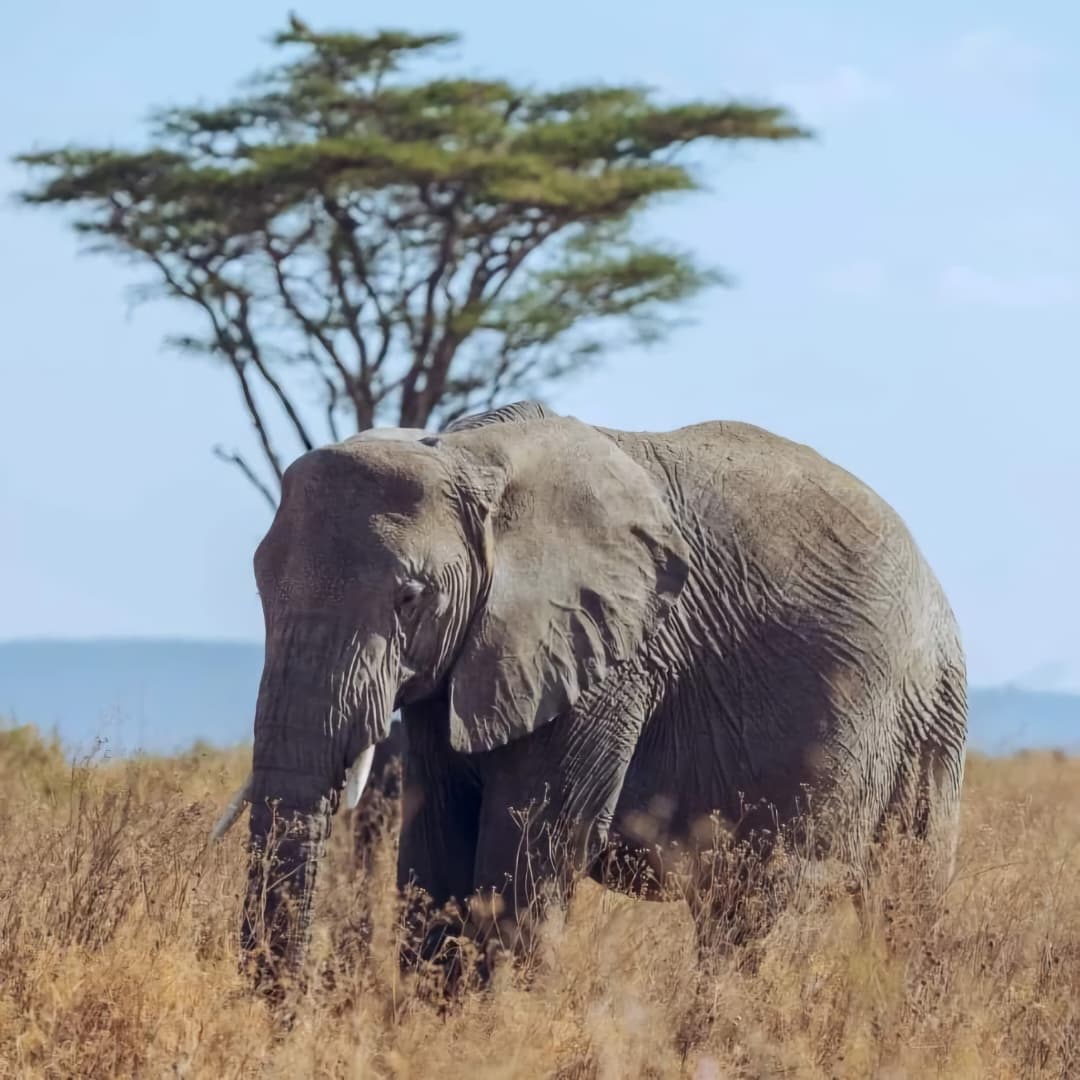
Although Kilimanjaro stands entirely within Tanzania, its towering silhouette can often be seen from neighboring Kenya. One of the most famous views of the mountain is from Amboseli National Park, where herds of elephants wander across open plains beneath the spectacular snow-capped summit of Kilimanjaro. This iconic landscape has become one of the most recognizable images of East Africa.
Most climbers begin their Kilimanjaro journey from the nearby towns of Moshi or Arusha, where they meet their guides, prepare equipment, and start the short journey to the mountain’s entrance gates. These towns provide an ideal base for climbers, offering accommodation, cultural experiences, and easy access to the national park.
Mount Kilimanjaro rises to an impressive height of 5,895 meters (19,341 feet) above sea level, making it not only the highest mountain in Africa but also the tallest free-standing mountain on Earth. Unlike mountain ranges such as the Himalayas or the Andes, Kilimanjaro stands alone, rising dramatically from the surrounding savannah plains and creating an awe-inspiring presence across the landscape.
The summit of Kilimanjaro is called Uhuru Peak, which means “freedom” in Swahili. Reaching this point is a powerful and emotional moment for climbers who have spent days trekking across the mountain’s diverse environments to reach the highest point on the continent.
Kilimanjaro is actually made up of three volcanic cones: Kibo, Mawenzi, and Shira. Kibo is the tallest and contains the famous summit crater where Uhuru Peak is located. Mawenzi forms a rugged and dramatic secondary peak, while Shira is the oldest cone and has eroded into a broad plateau on the western side of the mountain.
Climbing Mount Kilimanjaro is considered a moderately challenging high-altitude trek rather than a technical climb. No ropes, ice axes, or specialized climbing equipment are required, which makes the mountain accessible to a wide range of hikers. However, this should not lead people to underestimate the challenge of the climb.
The primary difficulty of Kilimanjaro lies in its high altitude, not the steepness of the terrain. As climbers ascend higher on the mountain, the oxygen levels in the air decrease significantly. This can make even gentle slopes feel physically demanding and may cause symptoms of altitude sickness if the body does not have enough time to acclimatize.
For this reason, successful Kilimanjaro climbs emphasize a slow and steady pace known locally as “pole pole,” meaning slowly slowly. This approach allows the body to gradually adapt to the altitude and significantly improves the chances of reaching the summit safely.
With the right preparation, professional guides, and an itinerary that allows proper acclimatization, climbers of many ages and fitness levels are able to achieve their dream of standing on the Roof of Africa.
Mount Kilimanjaro can technically be climbed at any time of the year, but certain months offer better weather conditions and clearer views. Tanzania experiences two main dry seasons that are considered the most favorable times for Kilimanjaro climbing.
The first excellent climbing window occurs between January and March, when the weather is generally stable and the skies are often clear. During this period the mountain tends to be quieter than during peak months, making it an appealing time for climbers who prefer a more peaceful trekking experience. Temperatures near the summit can be colder during this time, but the scenery is often spectacular.
The second and most popular climbing season runs from June to October, which coincides with the long dry season in Tanzania. These months offer some of the best visibility and weather conditions for trekking. Clear skies increase the chances of enjoying breathtaking views from the summit, and the trails are usually dry and comfortable for hiking.
The months from March to May bring the long rainy season, when heavy rainfall can make trails muddy and visibility limited. Short rains may also occur in November, although climbing is still possible with proper preparation.
The length of a Kilimanjaro climb depends largely on the route chosen and the amount of time allocated for acclimatization. Most expeditions take between six and nine days on the mountain.
Shorter routes such as the Marangu route can be completed in five or six days, but these itineraries offer less time for the body to adapt to the altitude. As a result, they often have lower summit success rates.
Longer routes such as the Lemosho Route or the Northern Circuit Route provide additional acclimatization days and significantly improve the chances of reaching the summit. Many experienced guides recommend a seven- or eight-day itinerary as the ideal balance between challenge and safety.
Mount Kilimanjaro offers several official routes that lead climbers to the summit. Each Kilimanjaro route provides a unique experience, with differences in scenery, difficulty level, and the amount of time available for acclimatization.
The Lemosho Route is widely considered one of the most beautiful routes on Kilimanjaro. Beginning on the western side of the mountain, it passes through untouched rainforest before crossing the dramatic Shira Plateau. This route offers excellent acclimatization opportunities and some of the highest summit success rates.
The Machame Route, often called the Whiskey Route, is the most popular path to the summit. It is known for its stunning scenery and varied landscapes, which include lush forest trails, rocky ridges, and the famous Barranco Wall.
The Marangu Route is the only Kilimanjaro route that offers hut accommodation instead of camping. Although it is one of the shorter routes, it remains a popular choice for climbers seeking additional shelter during the trek.
The Rongai Route approaches Kilimanjaro from the northern side near the Kenyan border. It is quieter than many other routes and often experiences less rainfall, making it a good option during certain seasons.
The Northern Circuit Route is the longest route on the mountain and offers exceptional acclimatization. It circles around the quieter northern slopes of Kilimanjaro, providing spectacular views and one of the highest summit success rates.
One of the most fascinating aspects of climbing Mount Kilimanjaro is the incredible variety of ecosystems encountered along the way. The trek takes climbers through five distinct ecological zones, each with its own climate, vegetation, and wildlife.
The journey begins in the rainforest zone, where towering trees, colorful birds, and playful monkeys create a vibrant natural environment. As climbers ascend higher, the landscape gradually transitions into heath and moorland filled with giant lobelia plants and other unique alpine vegetation.
Above this zone lies the alpine desert, where the terrain becomes more rugged and barren. The thin air and dramatic temperature changes create an environment that feels almost otherworldly.
Finally, climbers reach the arctic summit zone, where snow, glaciers, and icy winds dominate the landscape. Watching the sunrise from Uhuru Peak is one of the most unforgettable moments of the entire journey.
Many travelers choose to combine their Kilimanjaro adventure with a wildlife safari in northern Tanzania. Some of Africa’s most famous national parks are located just a short distance from the mountain.
After reaching the summit, climbers often explore Serengeti National Park, home to the world-famous Great Migration. Others visit the spectacular Ngorongoro Crater, where thousands of animals live within a natural volcanic caldera.
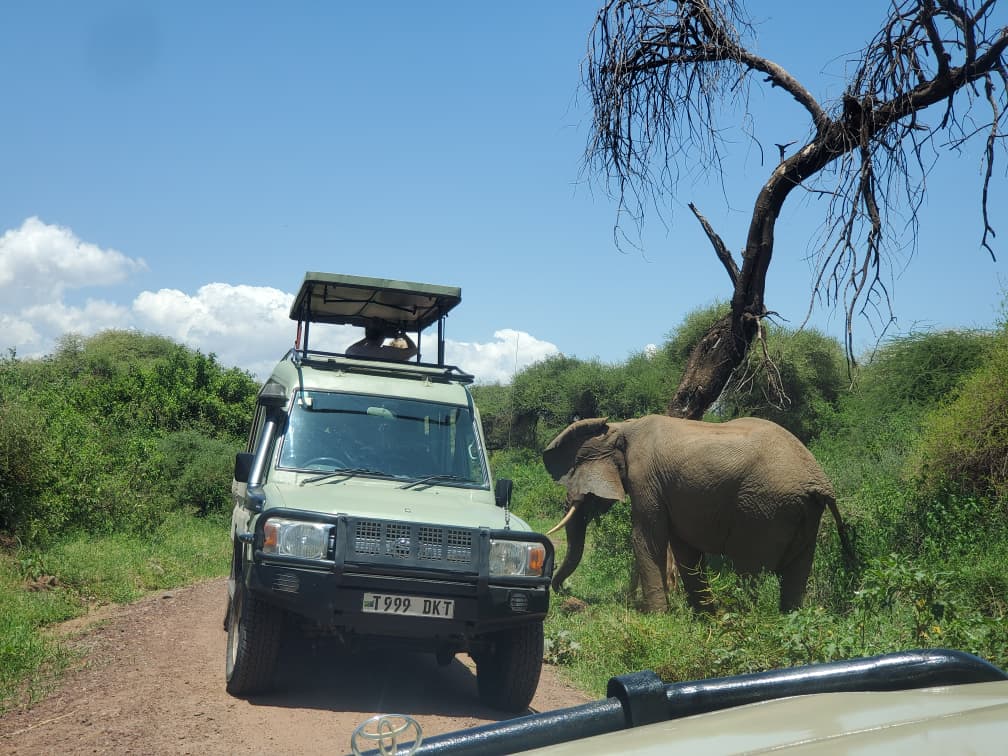
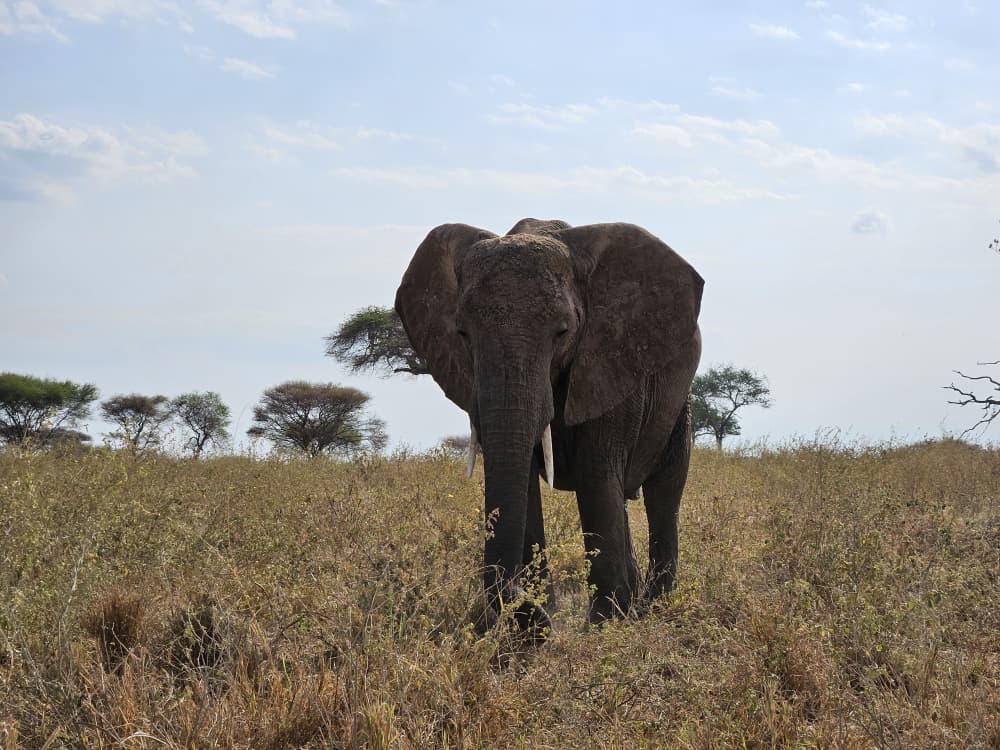
Tarangire National Park, known for its massive elephant herds and ancient baobab trees, is another fantastic destination to include in a Kilimanjaro itinerary.
Ending the adventure on the white-sand beaches of Zanzibar Island is also a popular choice for travelers who want to relax after completing the climb.
Climbing Mount Kilimanjaro is a journey that challenges the body, inspires the mind, and rewards the spirit. From the lush rainforest trails to the breathtaking summit of Uhuru Peak, every step of the climb reveals the extraordinary beauty of Africa’s highest mountain.
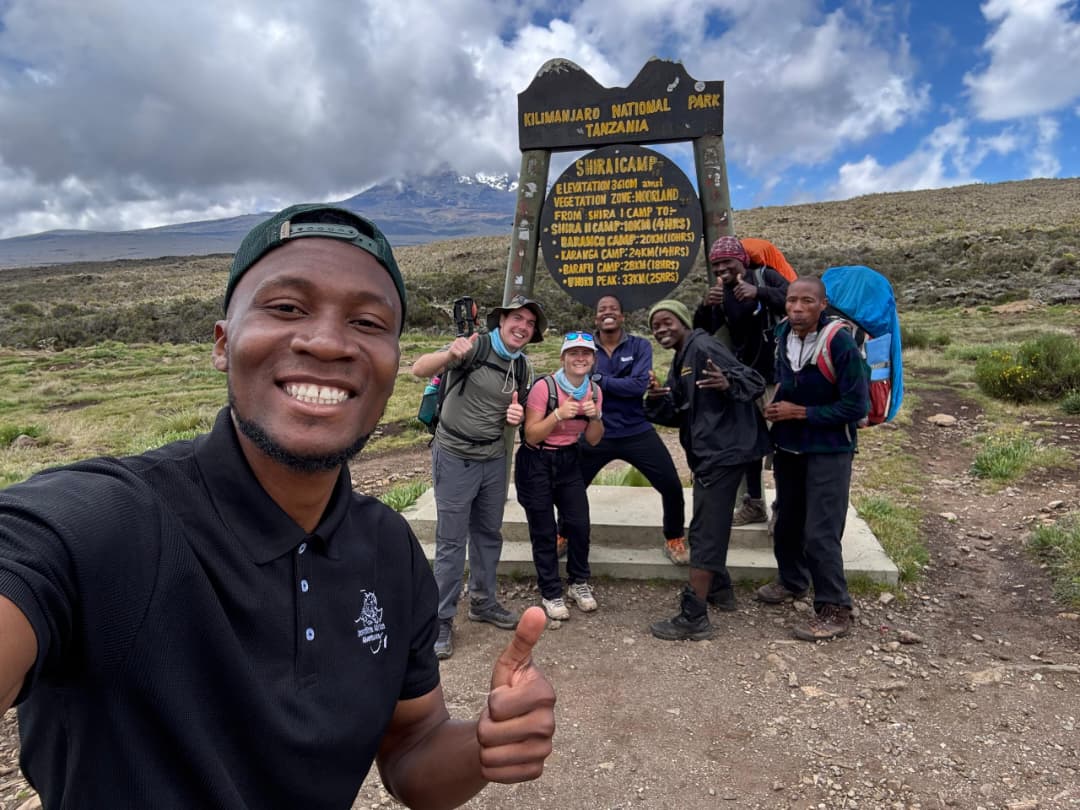
With Incredible Africa Adventures, you climb alongside experienced local guides who are passionate about sharing their mountain and helping every climber achieve their dream of reaching the Roof of Africa. Your Kilimanjaro adventure begins here.
Drop us a line. Our tour experts will answer all your questions shortly