Summiting Mount Kilimanjaro at night is one of the most powerful and unforgettable experiences in the world of adventure travel. Climbers usually begin the final ascent around midnight, walking slowly under a sky filled with stars, aiming to reach the summit just as the sun rises over the vast African plains.
At Mount Kilimanjaro, this midnight summit push is not just tradition — it is a carefully planned strategy that increases safety, improves success rates, and delivers breathtaking beauty.
At Incredible Africa Adventures, we guide climbers through this magical journey with professional care, deep local knowledge, and a friendly, supportive spirit. Night summiting is the heart of Mount Kilimanjaro climbing, and understanding why it happens this way will help you prepare mentally and physically for your own unforgettable adventure.
The decision to summit Kilimanjaro during the night is based on decades of experience, scientific understanding of altitude conditions, and safety considerations. At nearly 6,000 meters above sea level, the summit environment is extreme, and every detail matters.
Night climbing allows climbers to avoid the harsh daytime sun, benefit from firmer ground, conserve energy, and have enough daylight for a safe descent. It is the most effective and widely recommended method for climbing Mount Kilimanjaro successfully.
This approach has helped thousands of climbers from all over the world reach Uhuru Peak safely and proudly.
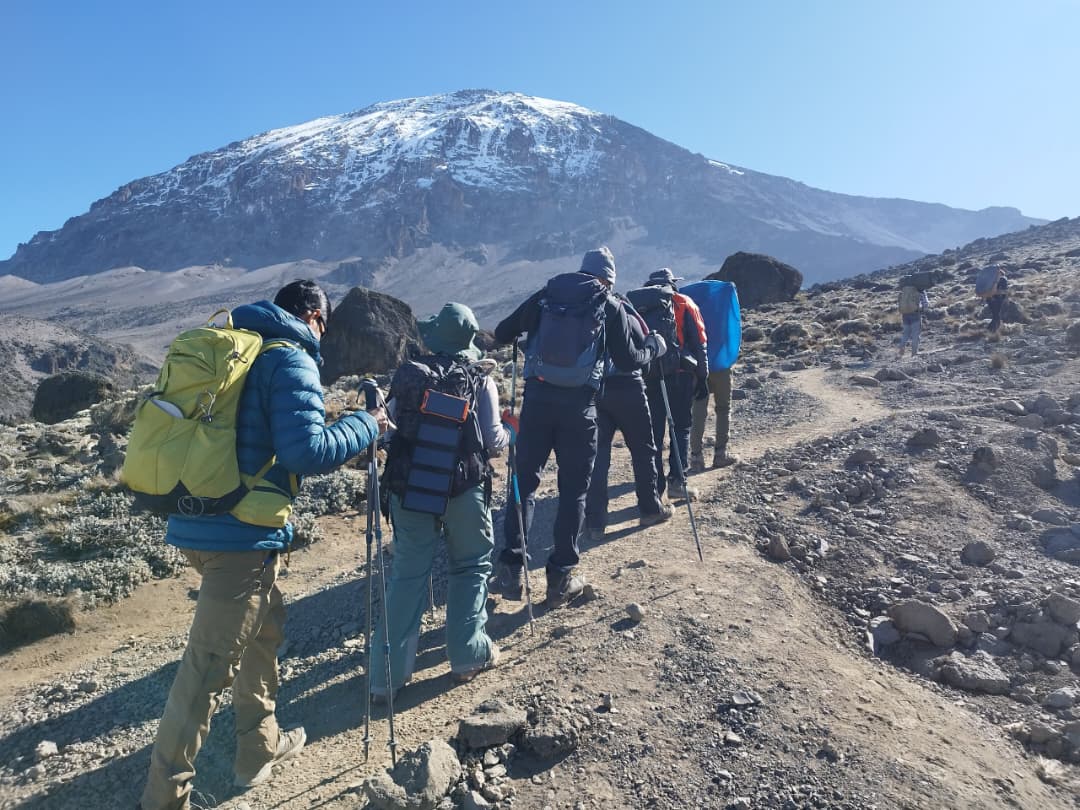
The final part of Kilimanjaro hiking takes place on steep volcanic scree made of loose sand, ash, and small rocks. During the day, the sun warms this surface, causing it to become soft and slippery. Each step can slide backward, making the climb exhausting and unstable.
At night, temperatures drop below freezing. This causes the scree to firm up, creating a much more solid surface to walk on. Climbers experience better footing, less slipping, and greater balance.
This frozen ground helps conserve energy and reduces the risk of falls, making the long ascent safer and more comfortable. It is one of the main reasons night summiting is preferred for Kilimanjaro trekking.
Daytime temperatures in the upper zones of Kilimanjaro can feel surprisingly hot due to strong sunlight and thin atmosphere. At high altitude, the sun’s rays are more intense, and climbers can become dehydrated and fatigued quickly.
Night climbing offers cooler conditions that are easier for the body to manage. The cold air helps regulate body temperature and prevents overheating. Climbers sweat less, stay hydrated longer, and maintain steady energy levels.
This cooler environment is especially important for long hours of walking during the final ascent. It allows climbers to move slowly and comfortably without the additional stress of heat.
One of the greatest rewards of summiting Kilimanjaro at night is arriving at the peak just as the sun rises.
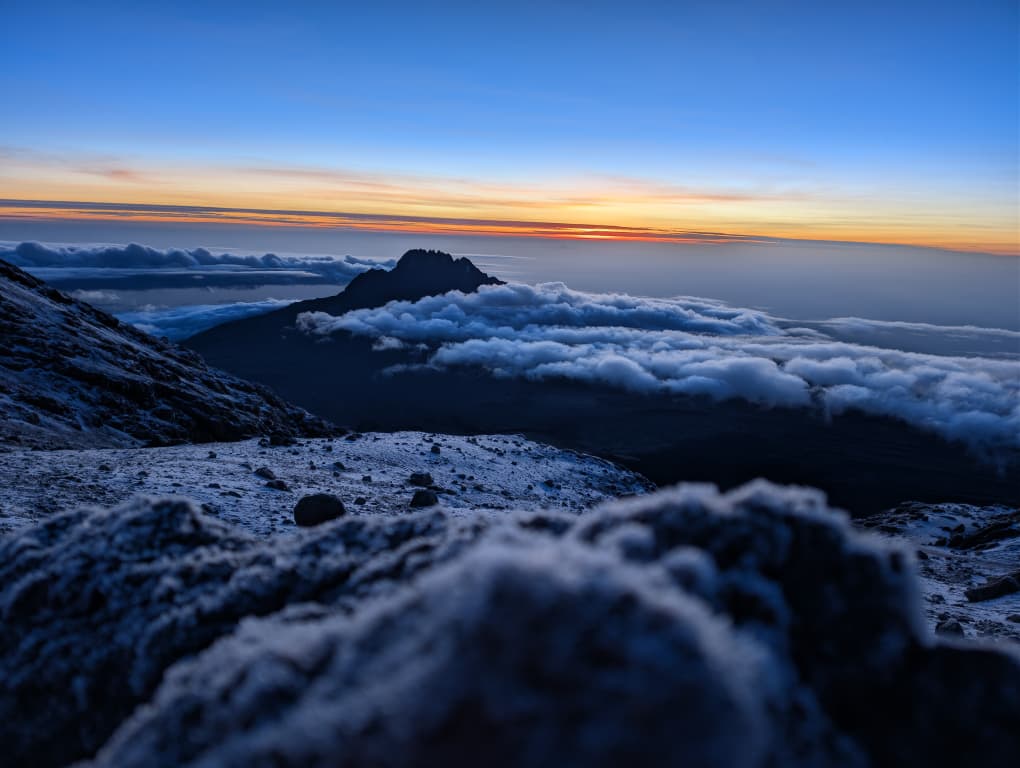
As the sky slowly changes from deep black to soft purple, then to brilliant gold and orange, the world below comes alive. Glaciers sparkle in the early light, clouds roll beneath your feet, and the endless plains of Tanzania stretch out in every direction.
This sunrise is emotional and unforgettable. After hours of walking in the cold darkness, the first rays of sunlight feel like a celebration of your achievement. For many climbers, this moment becomes the highlight of their entire life’s adventures.
The full summit journey on Mount Kilimanjaro usually takes between 10 and 14 hours, including both ascent and descent.
Starting around midnight allows climbers to:
Descending during daylight is much safer. Climbers can clearly see the trail, avoid loose rocks, and move at a steady pace without rushing. This safety advantage is one of the most important reasons professional operators always plan night summits.
The summit climb is long and steep, and seeing the entire slope in daylight can feel overwhelming.
At night, climbers focus only on the small circle of light from their headlamp and the footsteps ahead. This breaks the journey into manageable pieces.
Instead of thinking about how far remains, climbers concentrate on steady breathing and slow movement.
This simple psychological technique helps reduce anxiety, increase focus, and improve success rates during Kilimanjaro climbing.
Summit night is physically demanding, but proper preparation makes it achievable for most people.
Strong Kilimanjaro climbing preparations and fitness focus on:
When your body is trained for slow, steady movement over many hours, summit night becomes a powerful challenge rather than a struggle.
At Incredible Africa Adventures, we always recommend routes with good acclimatization to prepare your body properly for this final push.
Summit night usually begins around 11:30 PM to 12:30 AM. Climbers wake up, drink hot tea or soup, eat light snacks, and put on warm layers including jackets, gloves, hats, and headlamps.
The pace is slow and gentle. Guides constantly remind climbers to walk “pole pole,” meaning slowly in Swahili.
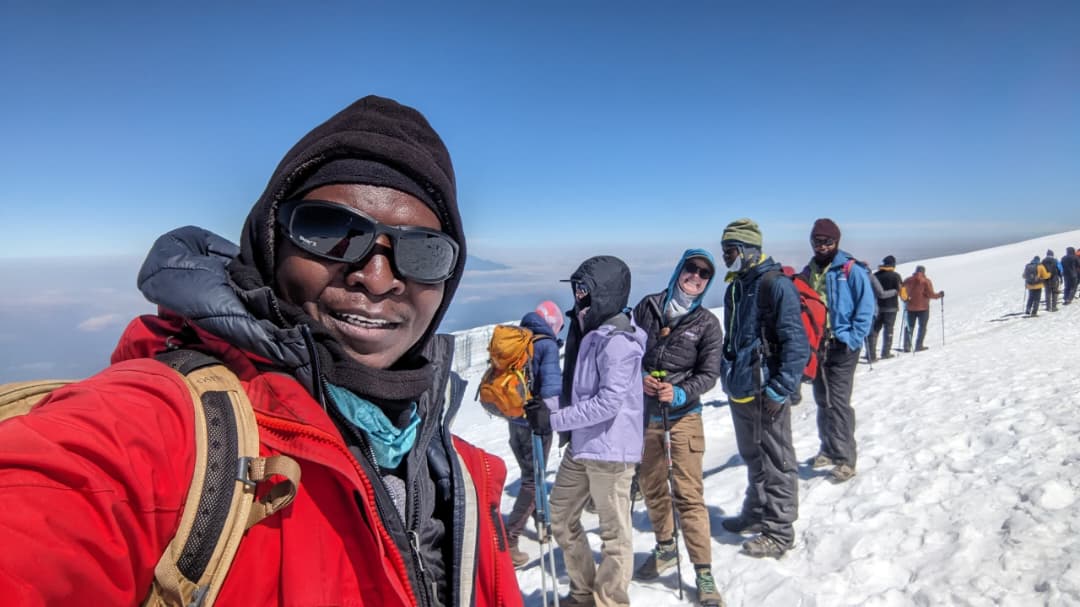
The trail is quiet and peaceful. The only sounds are boots on gravel and steady breathing. Above, the sky is filled with stars. Ahead, a glowing line of headlamps climbs steadily toward the summit.
Short breaks are taken for water and rest. As altitude increases, breathing becomes slower and deeper. Guides carefully monitor everyone’s condition and provide encouragement.
Eventually, climbers reach Stella Point or Gilman’s Point, where the sky begins to brighten. From there, the final walk to Uhuru Peak is filled with excitement as sunrise approaches.
Summit night is the toughest part of Mount Kilimanjaro climbing.
Climbers face:
However, these challenges are manageable with proper training, good acclimatization, slow pacing, and professional guides.
Most successful climbers are not athletes — they are well-prepared and determined travelers.
Night summiting combines several advantages:
Together, these factors greatly improve safety and success. This is why nearly all experienced Kilimanjaro trekking operators use the midnight ascent strategy.
Some climbers wonder if summiting during the day is possible.
While daytime summits can occur on rare itineraries, they are generally not recommended because:
Night summiting remains the safest, most reliable, and most rewarding approach.
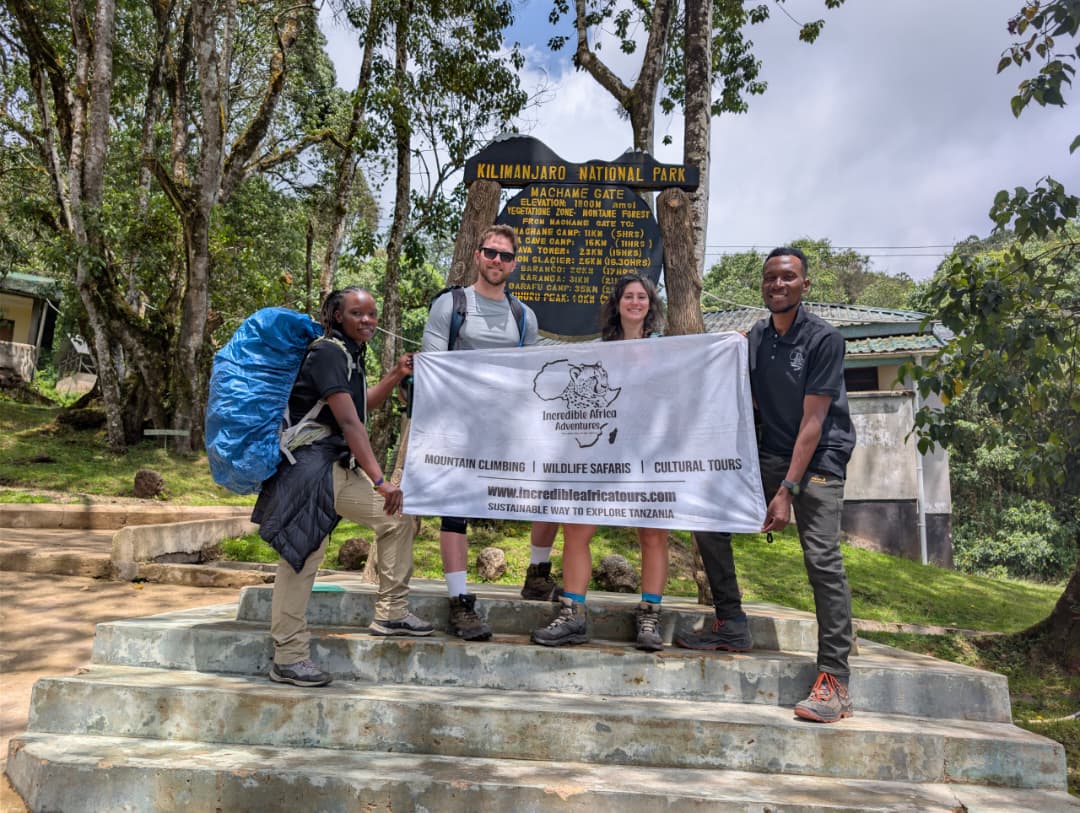
At Incredible Africa Adventures, we specialize in ethical, safe, and professionally guided Mount Kilimanjaro climbing experiences.
Our team provides:
We walk with you every step of the way — from the first trail to the final summit sunrise.
When you finally reach the summit sign and read “Uhuru Peak – 5,895m”, all the cold and tiredness fade away.
You realize you have walked across five climatic zones, conquered altitude, challenged your limits, and reached the highest point in Africa. It is a moment of pride, joy, and deep personal achievement.
Summiting Kilimanjaro at night is not just about reaching the top.
It is about:
With the right preparation, mindset, and guiding team, this magical experience becomes a life-changing reality.
Drop us a line. Our tour experts will answer all your questions shortly