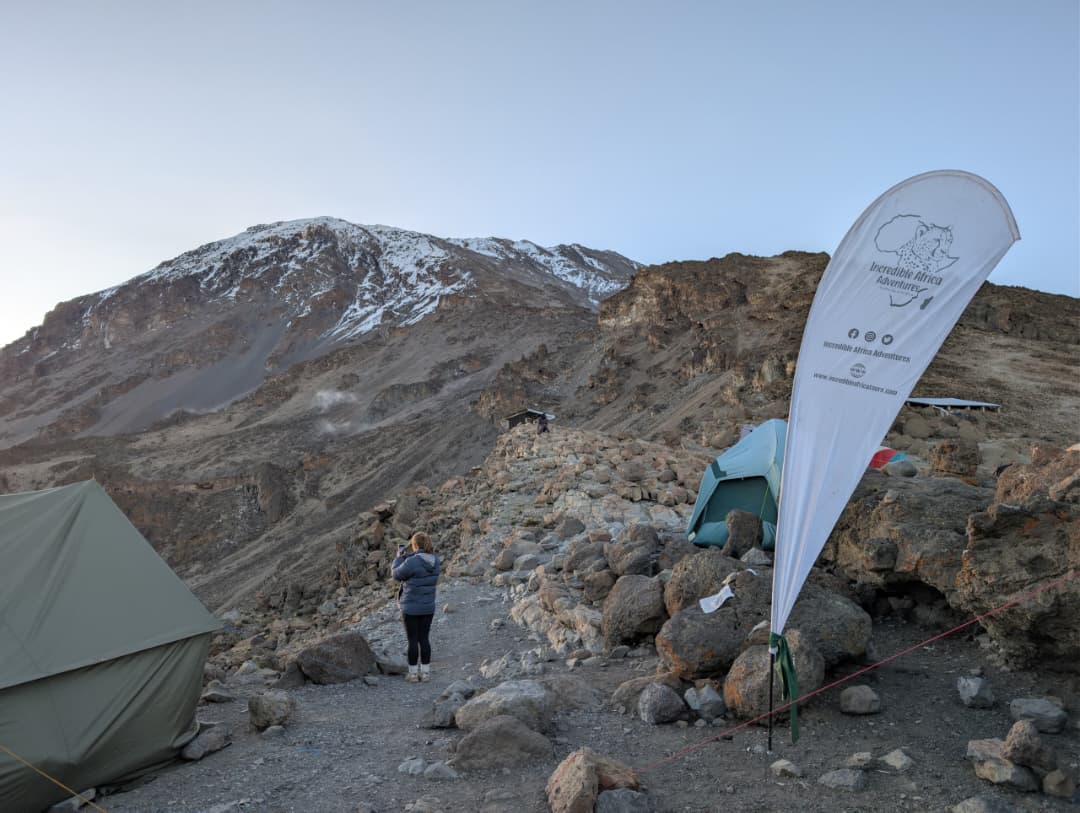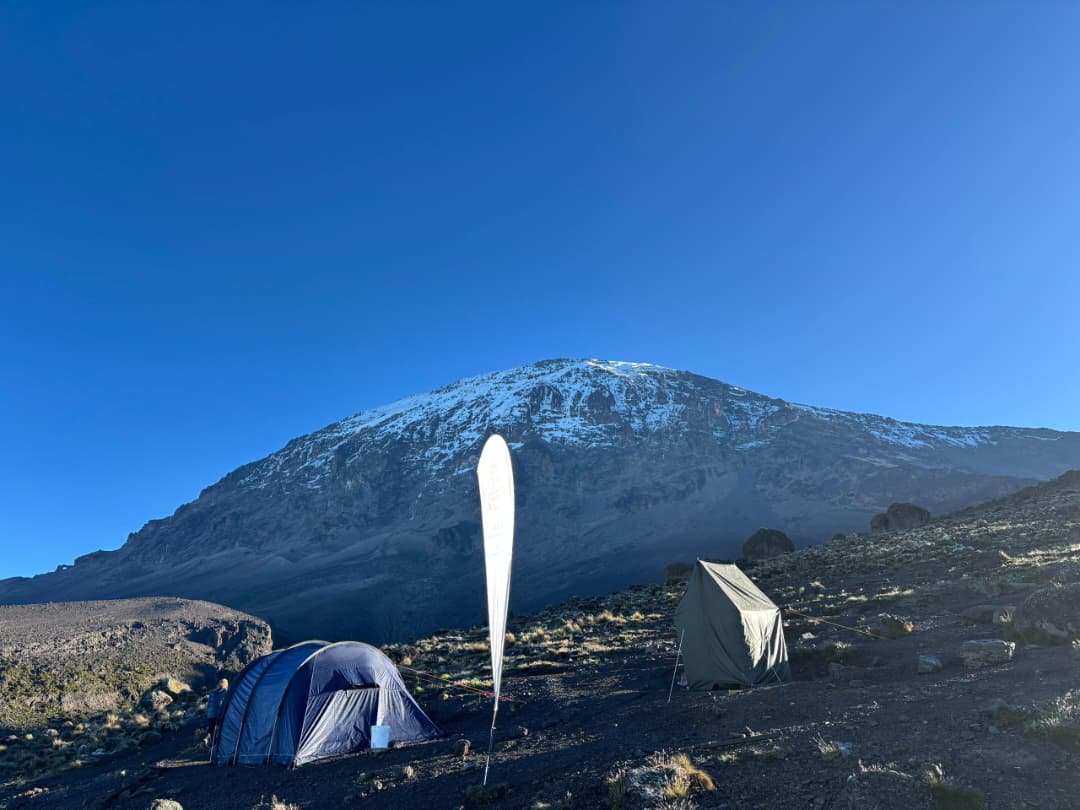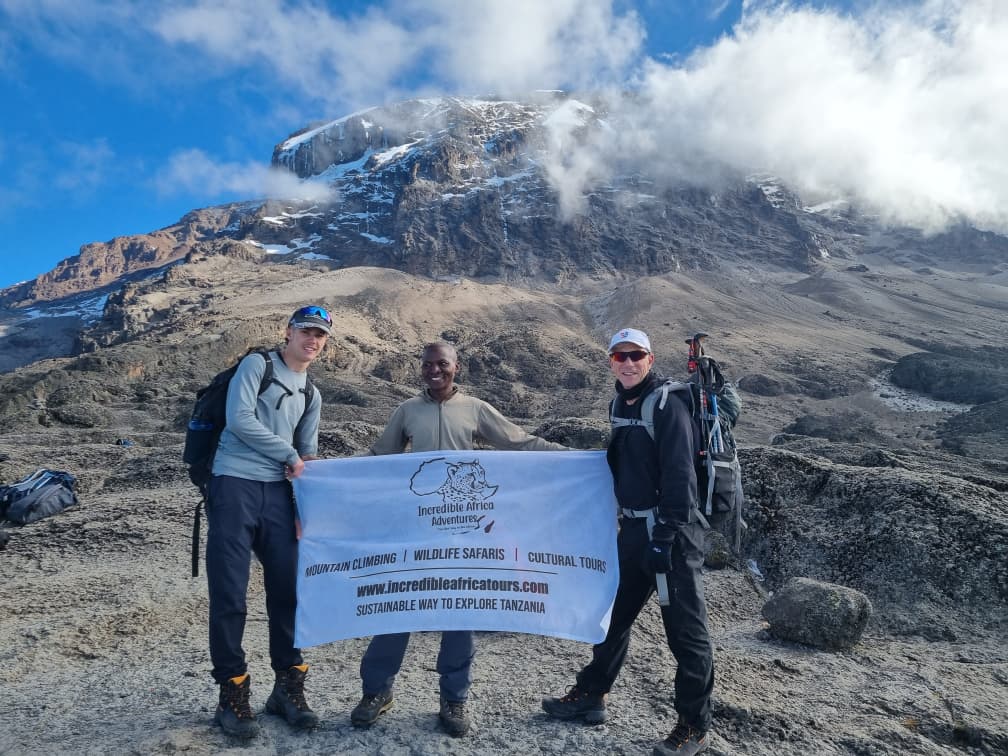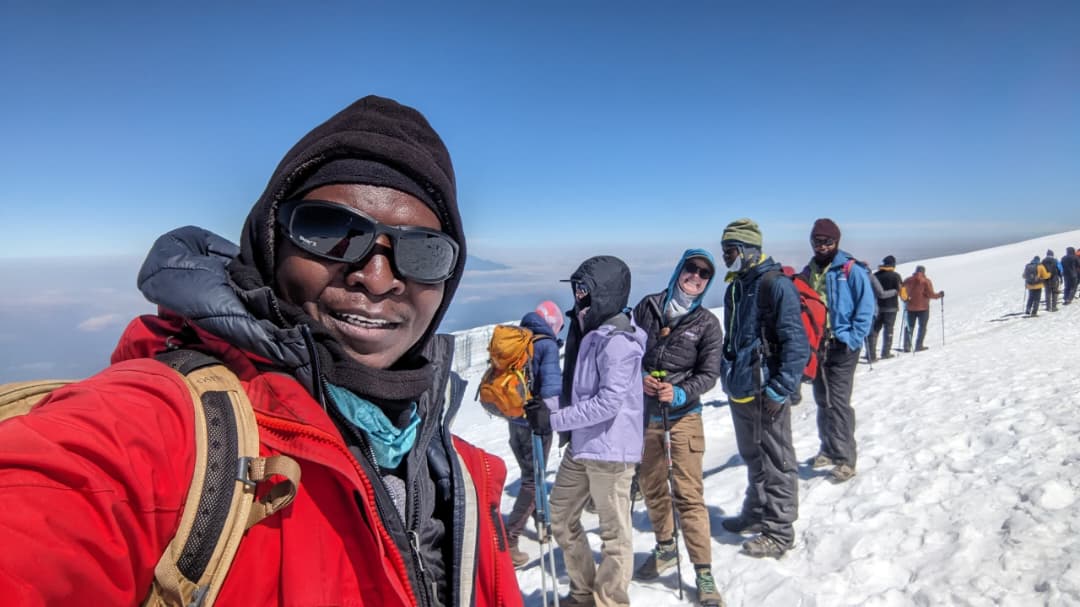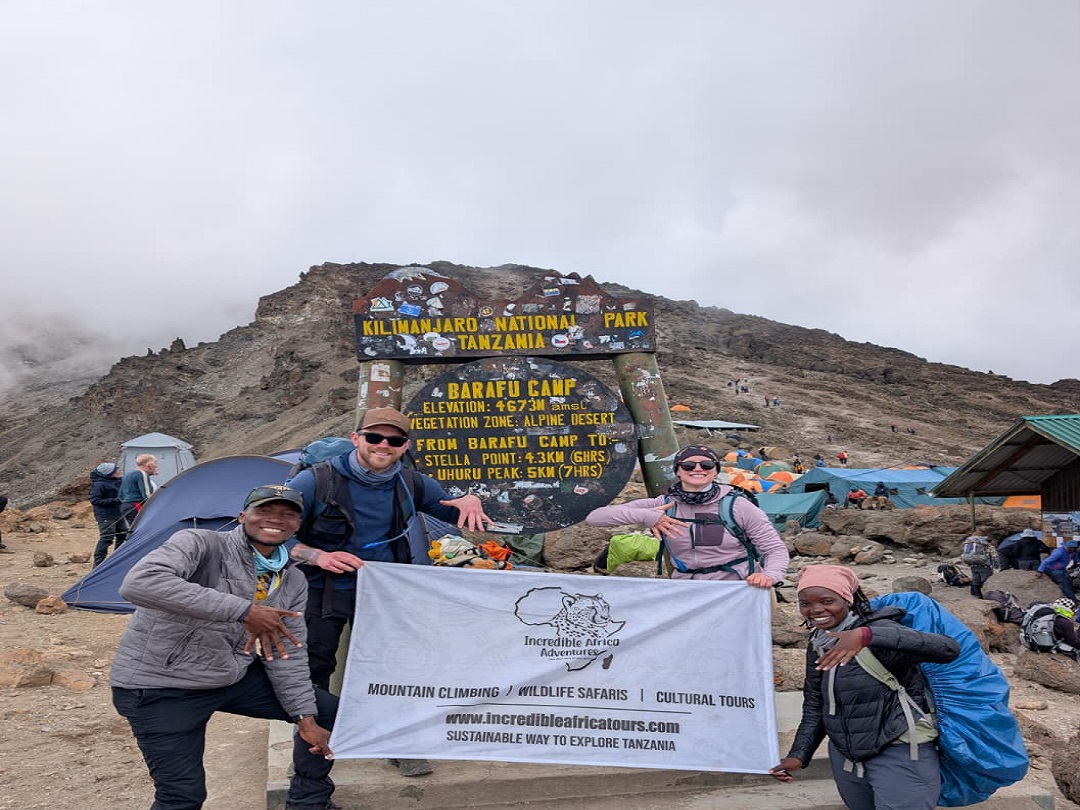
Climbing Mount Kilimanjaro is one of the most inspiring adventures in the world. Rising to 5,895 meters (19,341 feet) above sea level, it is Africa’s highest peak and the tallest free-standing mountain on Earth. Every year, travelers from around the world come to Tanzania to challenge themselves on this iconic mountain.
While Mount Kilimanjaro climbing does not require technical mountaineering skills, it does require serious preparation. Altitude, endurance, mental strength, and proper planning all play a vital role. At Incredible Africa Adventures, we know that successful Kilimanjaro trekking begins long before you arrive in Tanzania. This guide explains, step by step, how to prepare your body and mind properly so you can climb safely, confidently, and joyfully.
Many people describe Kilimanjaro as “just a hike,” but altitude changes everything. As you climb higher, oxygen levels decrease, your body works harder, and recovery slows. Without preparation, even fit individuals can struggle.
Proper Kilimanjaro climb preparation and fitness help your body adapt to sustained effort at altitude, reduce the risk of altitude sickness, and improve your overall experience. Well-prepared climbers enjoy the scenery, sleep better, eat well, and arrive at camp feeling motivated instead of exhausted. Preparation transforms Mount Kilimanjaro climbing from a struggle into a deeply rewarding journey.
Kilimanjaro hiking involves walking for 5 to 10 consecutive days, usually between 4 and 8 hours per day, over changing terrain. You will walk through rainforest, moorland, alpine desert, and finally the arctic summit zone.
The trails are non-technical, but the cumulative fatigue and altitude make the climb challenging. Above 4,000 meters, even slow walking feels demanding. This is why endurance, pacing, breathing control, and recovery are more important than speed or brute strength.
You do not need to be an athlete to climb Mount Kilimanjaro. People of many ages and backgrounds successfully reach the summit every year. What matters most is consistent endurance fitness.
If you can walk for several hours, climb hills or stairs steadily, and stay active over multiple days, you can prepare successfully for Kilimanjaro climbing. Speed is irrelevant — the mountain rewards those who move slowly and steadily.
The ideal time to begin preparing for climbing Kilimanjaro is 8 to 12 weeks before your climb. This allows your body to adapt gradually, build endurance safely, and reduce the risk of injury.
Preparation should be progressive, realistic, and consistent. Training does not need to be extreme — regular movement over time is far more effective.
Before starting any Kilimanjaro fitness or training program, it is strongly recommended to consult a qualified medical doctor. Climbing Mount Kilimanjaro is a high-altitude adventure that places demands on the heart, lungs, and overall body, and a medical check-up ensures you begin your preparation safely.
Sharing your Kilimanjaro training plan with your family doctor allows them to assess your general health and provide personalized advice. Most doctors are pleased to see patients committing to regular exercise and preparing responsibly for a major goal.
A medical check-up is especially important if you have asthma, high blood pressure, heart conditions, diabetes, or if you have not exercised regularly. At Incredible Africa Adventures, we believe this step reflects wisdom, responsibility, and respect for your body and for the mountain.
Preparing for climbing Mount Kilimanjaro is not about extreme workouts or athletic performance. It is about progressive conditioning, allowing your body to adapt gradually while building endurance, strength, and mental resilience. This week-by-week Kilimanjaro training plan is designed for ordinary people with extraordinary dreams — travelers, hikers, charity climbers, first-timers, and adventurers from all walks of life.
At Incredible Africa Adventures, we recommend starting your Kilimanjaro climb preparation and fitness program at least 8 to 12 weeks before your climb. Below is a clear, realistic, and proven plan that prepares you safely and effectively for Kilimanjaro trekking and hiking.
The first stage of Kilimanjaro preparation focuses on building a strong fitness base. At this point, the goal is not intensity, but consistency. Your body needs to adapt to regular movement, especially walking, which is the primary activity during Mount Kilimanjaro climbing.
During these weeks, you should aim to walk 30 to 60 minutes per day, at least five days a week. The pace should be comfortable and conversational. Gentle hills are ideal, but flat terrain is perfectly acceptable. Stretching after each session is important to improve flexibility and reduce stiffness.
This phase conditions your joints, muscles, and cardiovascular system while minimizing injury risk. Many climbers underestimate this stage, but it is the foundation upon which summit success is built.
As your body adapts to regular walking, the next phase focuses on endurance building. This is where your confidence starts to grow. Walks should now last 60 to 90 minutes, and you should begin including hills or stairs once or twice per week.
Light jogging, cycling, or swimming can be added to improve cardiovascular strength. If jogging, keep the pace slow enough that you can speak short sentences. Carrying a light backpack during walks begins preparing your body for load-bearing during Kilimanjaro hiking.
This stage trains your heart and lungs to work efficiently for longer periods — a critical factor when trekking at altitude.
At this stage, your Kilimanjaro fitness preparation should include strength training, especially for the legs and core. Kilimanjaro trekking involves long ascents and descents, and strong muscles help prevent injury and fatigue.
Walking or hiking should now happen five days per week, combined with strength exercises such as squats, lunges, step-ups, and core workouts. Circuit training is especially beneficial during this phase, strengthening shoulders and back for carrying a daypack.
This is also the time to begin hillwalking sessions lasting two to three hours when possible. These sessions teach your body and mind how to move steadily for extended periods — just like on the mountain.
This phase is where preparation becomes very specific to climbing Kilimanjaro. Long hikes of 3 to 5 hours should be introduced once or twice per week. These hikes should be done at a slow, steady pace, practicing the “pole pole” rhythm used on the mountain.
Carry a backpack that is slightly heavier than what you will carry on Kilimanjaro. This exaggerates fatigue and makes the real climb feel easier by comparison. Hill training and stair climbing should continue, and hydration habits should be reinforced — sip water often, not in large amounts at once.
Mentally, this phase prepares you for patience, discipline, and persistence — qualities essential for summit success.
As the climb approaches, training should focus on efficiency rather than intensity. Your body is already strong; now you refine movement and breathing. Hikes should continue with a daypack, emphasizing controlled breathing and posture.
Practice breathing deeply through your nose when possible and maintaining rhythm while walking uphill. This mimics the breathing control needed at altitude where oxygen is limited.
This phase helps reduce anxiety about altitude and builds confidence in your ability to manage effort calmly.
These weeks represent your peak conditioning phase. Fitness is high, but the goal is to maintain, not push harder. Overtraining at this stage can cause injury or exhaustion before your climb even begins.
Continue long walks and moderate hikes, but reduce intensity slightly. Hydration, nutrition, and sleep become increasingly important. Your body should feel strong, not drained.
This phase ensures that when you arrive in Tanzania, you feel ready, not tired.
Now it is time to slow down. Training volume should decrease significantly. Short walks, light stretching, and mobility exercises are sufficient.
This is also the best time to check your gear — boots, backpack, clothing — and ensure everything fits comfortably. Avoid new or intense workouts.
The goal is to allow your muscles to fully recover so that you begin your Kilimanjaro climb fresh and confident.
In the final week, focus on mental preparation. Gentle walks are enough to stay active. Hydration should be increased, and sleep should be prioritized.
Visualize your climb. Imagine yourself walking steadily, breathing calmly, and reaching Uhuru Peak. Trust your preparation. Trust your guides. Trust yourself. At this stage, you are ready.
Once on the mountain, your training comes together. You walk slowly, hydrate consistently, eat well, and rest when instructed. The habits you built over weeks now feel natural.
Every step reinforces your preparation. Every day brings you closer to the summit.
This plan mirrors the demands of Mount Kilimanjaro climbing: long days, slow pace, repeated effort, and mental discipline. It avoids extreme workouts and focuses instead on real-world trekking fitness.
Thousands of successful climbers prepare this way — not by becoming athletes, but by becoming consistent.
Preparing for climbing Mount Kilimanjaro requires specific types of training. Below is a clear explanation of each method and why it matters.
Jogging is one of the most effective cardiovascular exercises for Kilimanjaro preparation. The correct pace is conversational — you should be able to speak short sentences while jogging. This closely matches the effort level required during Kilimanjaro hiking.
Because jogging is high-impact, warming up and stretching are essential. If you experience joint pain, substitute jogging with swimming or cycling. Consistent jogging improves heart and lung efficiency, which is critical at altitude.
Timed runs are used to measure improvement. Choose a 1.5-mile route with gentle ups and downs. After warming up, run at your best sustainable pace and record your time.
As training progresses, improving times confirm increased cardiovascular strength. This builds confidence and motivation as your climb approaches.
Hill training prepares your legs and lungs for uphill trekking. Find an incline that allows a one-minute climb. Each repetition includes both ascent and descent without stopping.
When descending, take short steps and avoid locking your knees. Hill training simulates the effort required on Kilimanjaro, especially on summit day.
Hillwalking is the single most important preparation activity for Kilimanjaro trekking. It teaches your body and mind to move continuously for hours.
Carry a backpack heavier than what you’ll use on the mountain to simulate fatigue at altitude. Drink water frequently and keep breaks short. Hillwalking builds endurance, resilience, and mental toughness.
Swimming is an excellent low-impact cardiovascular exercise. It strengthens the heart and lungs while also building shoulder strength for carrying a daypack.
If swimming is not an option, cycling is a suitable alternative, though caution is needed in bad weather or traffic.
Circuit training reduces injury risk by strengthening the core, shoulders, and back. A strong midriff helps stabilize your body while hiking and carrying a daypack.
Typical exercises include press-ups, sit-ups, dips, and pull-ups performed in sequence. Circuit training improves posture, endurance, and mental resilience.
Interval training alternates moderate jogging with short bursts of intense effort. This method greatly improves cardiovascular capacity and oxygen efficiency.
While demanding, interval training prepares your body for low-oxygen conditions on Mount Kilimanjaro and delivers powerful fitness gains when used carefully.
Mental strength is just as important as physical fitness. There will be moments of fatigue, cold, and doubt. Successful climbers accept discomfort as temporary and stay focused on steady progress.
Trusting your guides, walking slowly, and focusing on one step at a time builds mental resilience. Visualization and positive mindset are powerful tools on the mountain.
Altitude sickness is the main challenge on Kilimanjaro. While altitude cannot be fully simulated at home, good fitness, hydration, slow pacing, and proper itineraries greatly reduce risk.
Routes with better acclimatization profiles, such as Machame, Lemosho, and the Northern Circuit, significantly improve summit success rates.
Balanced nutrition supports energy and recovery. Before your climb, focus on carbohydrates, protein, and healthy fats. Hydration is critical — dehydration worsens altitude symptoms.
On the mountain, our chefs prepare nutritious meals designed to keep climbers strong and motivated.
Walking too fast is the biggest cause of altitude sickness. Even if you feel strong, slow down. Going pole pole gives your body time to acclimatize and conserves energy for summit day.
Drink 3–4 liters of water per day. Proper hydration supports oxygen transport and recovery. A healthy body water balance is one of the strongest predictors of summit success.
Whenever possible, hike to a higher altitude during the day and descend slightly to sleep. This encourages adaptation while reducing stress during rest.
Extra weight increases fatigue and makes breathing harder, especially on summit day. Climbing Kilimanjaro is about mental strength as much as physical fitness — lighten your load and focus on rhythm.
Summit day is long, cold, and demanding. Preparation, pacing, and belief are more important than strength. Every step brings you closer to one of the most powerful moments of your life.
At Incredible Africa Adventures, we guide climbers with professionalism, honesty, and care. Our guides are altitude-trained, our itineraries are designed for safety, and our porter treatment is ethical and responsible.
We prepare you not just to climb Mount Kilimanjaro, but to enjoy the journey and succeed.
Every step you take in preparation brings you closer to the Roof of Africa. With the right training, mindset, and support, Kilimanjaro is not just achievable — it is unforgettable.
When you’re ready, Incredible Africa Adventures will walk with you — pole pole — all the way to Uhuru Peak.
Drop us a line. Our tour experts will answer all your questions shortly