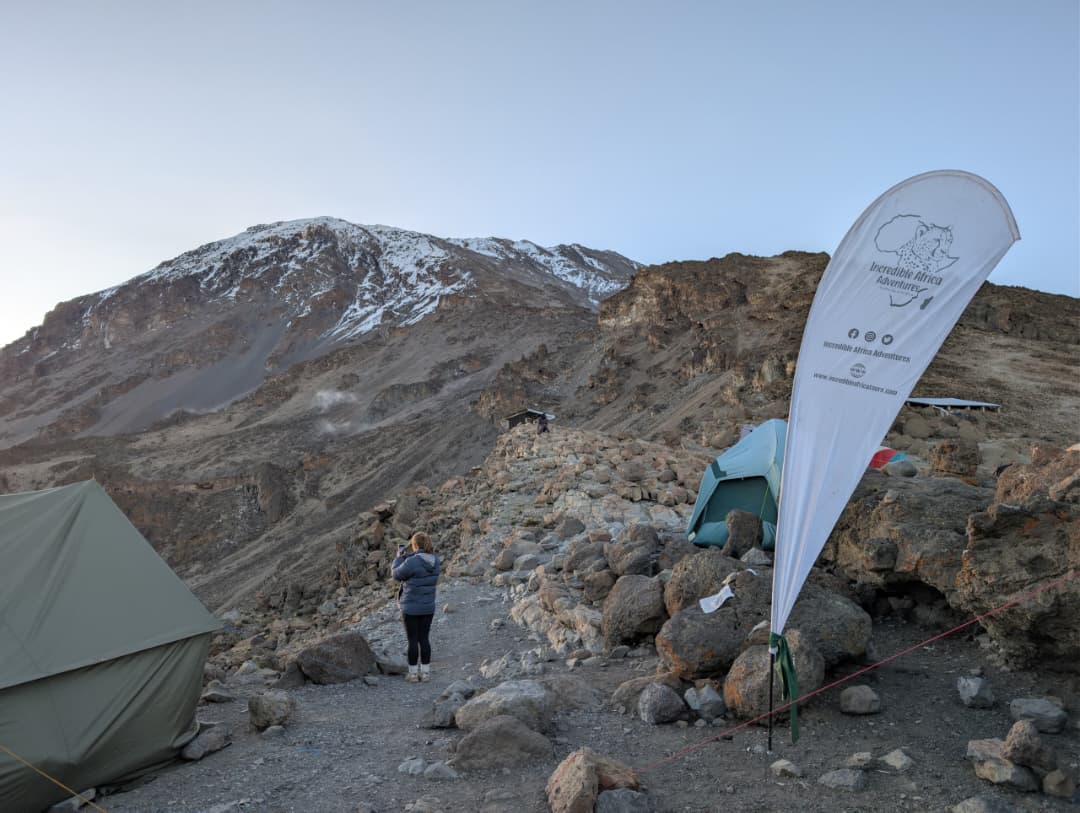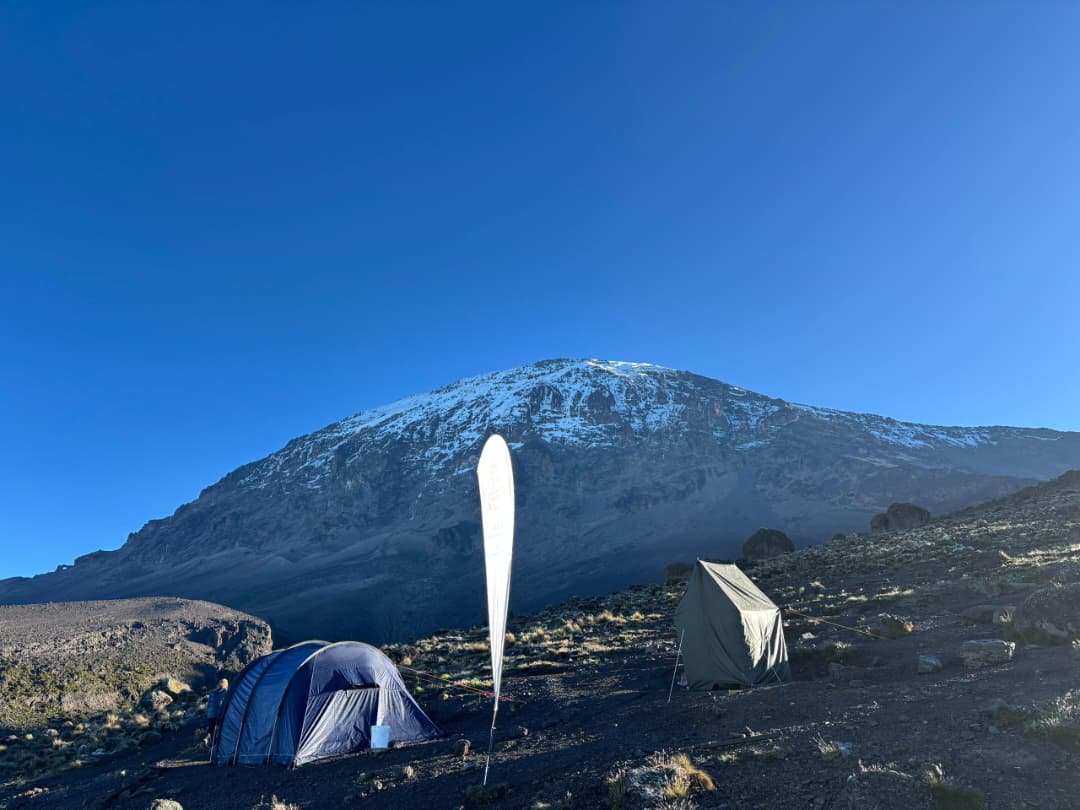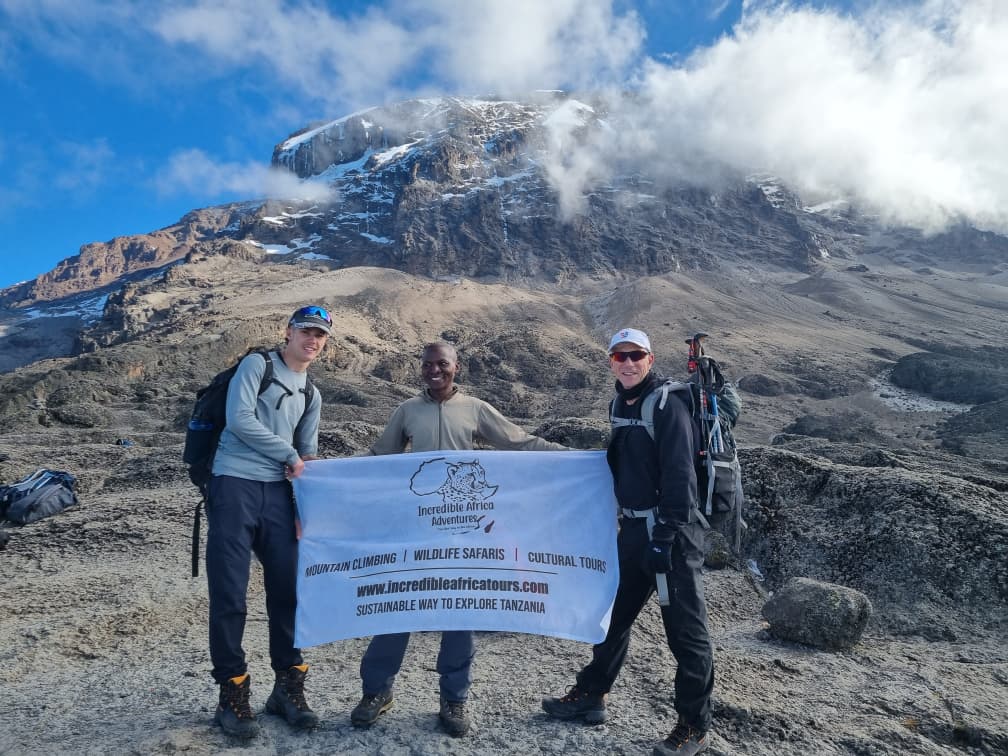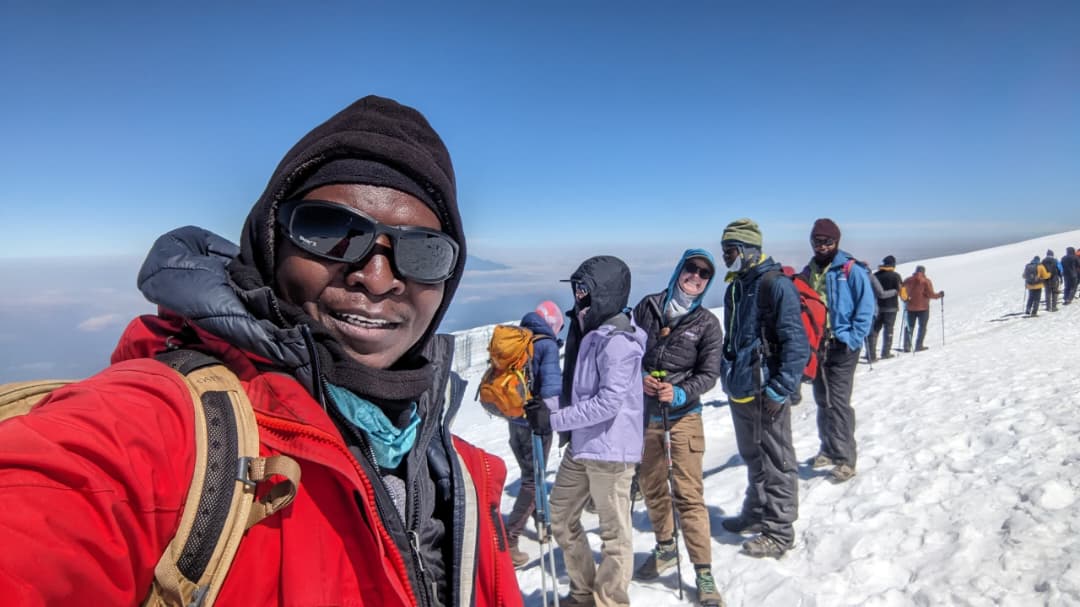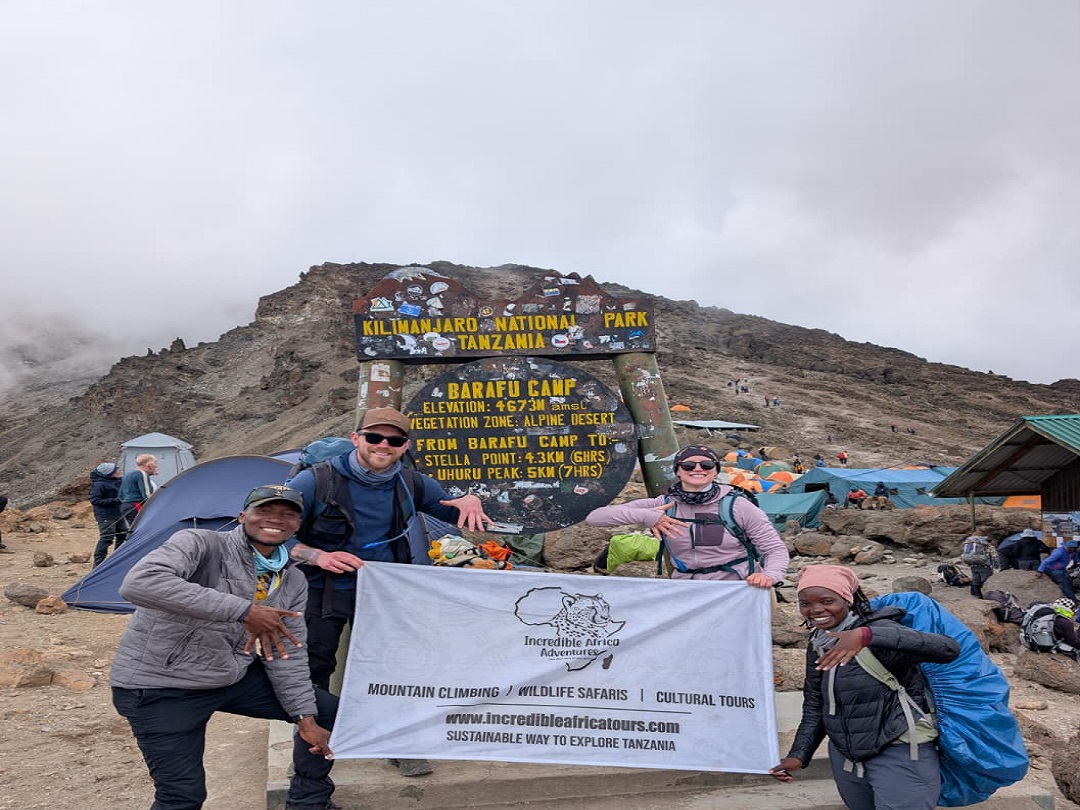
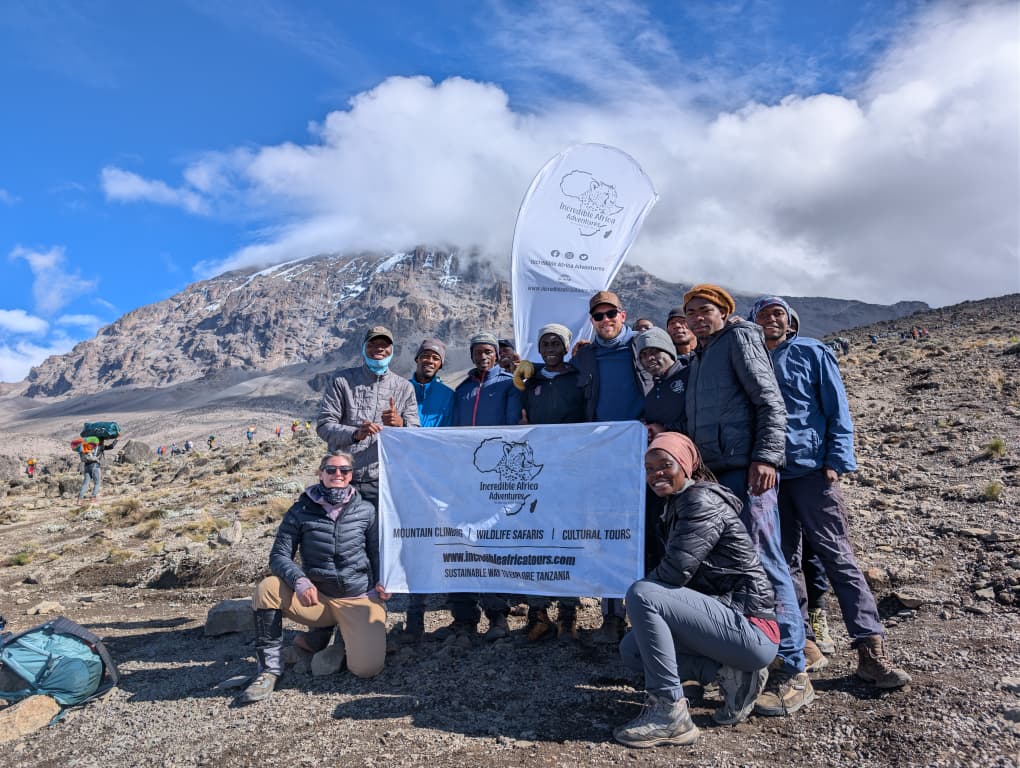
Climbing Mount Kilimanjaro is one of the most powerful adventures a human being can experience. Rising majestically to 5,895 meters (19,341 feet) above sea level, Mount Kilimanjaro is Africa’s highest peak and the world’s tallest free-standing mountain. Located in northern Tanzania, this legendary mountain attracts travelers from all over the globe who come not just to climb, but to challenge themselves, reconnect with nature, and achieve something deeply personal and unforgettable.
At Incredible Africa Adventures, we believe climbing Kilimanjaro is not simply about reaching the summit. It is about the journey — the landscapes, the people, the emotions, and the transformation that happens step by step as you hike through changing worlds, from rainforest to glaciers. This guide is designed to help you understand every important aspect of climbing Mount Kilimanjaro, from difficulty and preparation to routes, timing, and what to truly expect on the mountain.
Mount Kilimanjaro climbing is a high-altitude trekking adventure, not a technical mountaineering climb. There is no need for ropes, ice axes, or climbing experience. Instead, Kilimanjaro hiking involves 5 to 9 consecutive days of walking on established mountain trails while gaining significant altitude each day. The challenge does not come from steep rock faces or technical skills, but from the altitude, changing weather, and the mental and physical endurance required to keep moving when the air becomes thin.
What makes Mount Kilimanjaro trekking unique is the way it slowly pushes your limits while rewarding you with extraordinary scenery and deep inner satisfaction. Every day you climb higher, the air becomes cooler, the vegetation changes, and the mountain reveals a new personality. By the time you stand at Uhuru Peak, watching the sun rise over Africa, you realize that the climb has changed you in ways you never expected.
Climbing Kilimanjaro is considered strenuous but achievable for most healthy individuals. The biggest challenge is altitude sickness, not physical ability. As you ascend above 4,000 meters, oxygen levels drop significantly, and your body must adapt. Symptoms can include headaches, fatigue, nausea, and shortness of breath. This is why the pace of the climb and proper acclimatization are absolutely critical.
Summit night is the hardest part of the entire journey. Climbers wake up around midnight and begin a long, slow ascent in freezing temperatures, strong winds, and very low oxygen levels. This final push can take 12 to 14 hours of continuous walking. It is mentally demanding, physically exhausting, and deeply emotional. However, with proper preparation, a slow pace, and experienced guides, the vast majority of climbers who choose the right itinerary successfully reach the summit.
The duration of a Mount Kilimanjaro climb typically ranges from 5 to 10 days, depending on the route and itinerary. Shorter climbs may look appealing, but they significantly reduce acclimatization time and lower summit success rates. At Incredible Africa Adventures, we strongly recommend 7 days or more, as longer itineraries allow your body to adjust gradually to altitude, improving comfort, safety, and overall enjoyment.
A longer Kilimanjaro trekking itinerary also gives you time to truly experience the mountain — to enjoy the scenery, rest properly, and build confidence before summit night. In the end, Kilimanjaro is not a race. It is a journey that rewards patience.
While climbing Mount Kilimanjaro does not require technical climbing skills, it does require good physical fitness. You should be comfortable hiking for several hours per day, for multiple consecutive days, often on uneven terrain and at altitude. Cardiovascular endurance, leg strength, and mental resilience are key.
Training should ideally begin 8 to 12 weeks before your climb and include long hikes, stair climbing, hill walking, and strength exercises focused on the legs and core. Equally important is mental preparation — understanding that some days will be tiring, cold, or uncomfortable, and learning to keep moving steadily even when progress feels slow. With the right mindset, Kilimanjaro hiking becomes an empowering experience rather than an overwhelming one.
There are several established routes for climbing Mount Kilimanjaro, each offering different scenery, difficulty levels, and acclimatization profiles. Choosing the right route is one of the most important decisions you will make when planning your climb.
Some routes are shorter and steeper, while others are longer and more gradual. Routes such as Machame and Lemosho are popular for their beautiful scenery and strong acclimatization opportunities. The Northern Circuit offers the longest itinerary and one of the highest success rates, while Marangu is the only route with hut accommodation. Rongai approaches from the north and is quieter, and Umbwe is steep and best suited for experienced trekkers.
At Incredible Africa Adventures, we help you select the route that best matches your fitness, schedule, and goals — because the right route dramatically increases your chances of standing proudly on the summit.
Climbing Kilimanjaro is only possible with a licensed guide and registered support team, and for good reason. Experienced guides understand altitude, weather patterns, pacing, and emergency response. They monitor your health daily, adjust the pace when needed, and make crucial decisions that keep you safe.
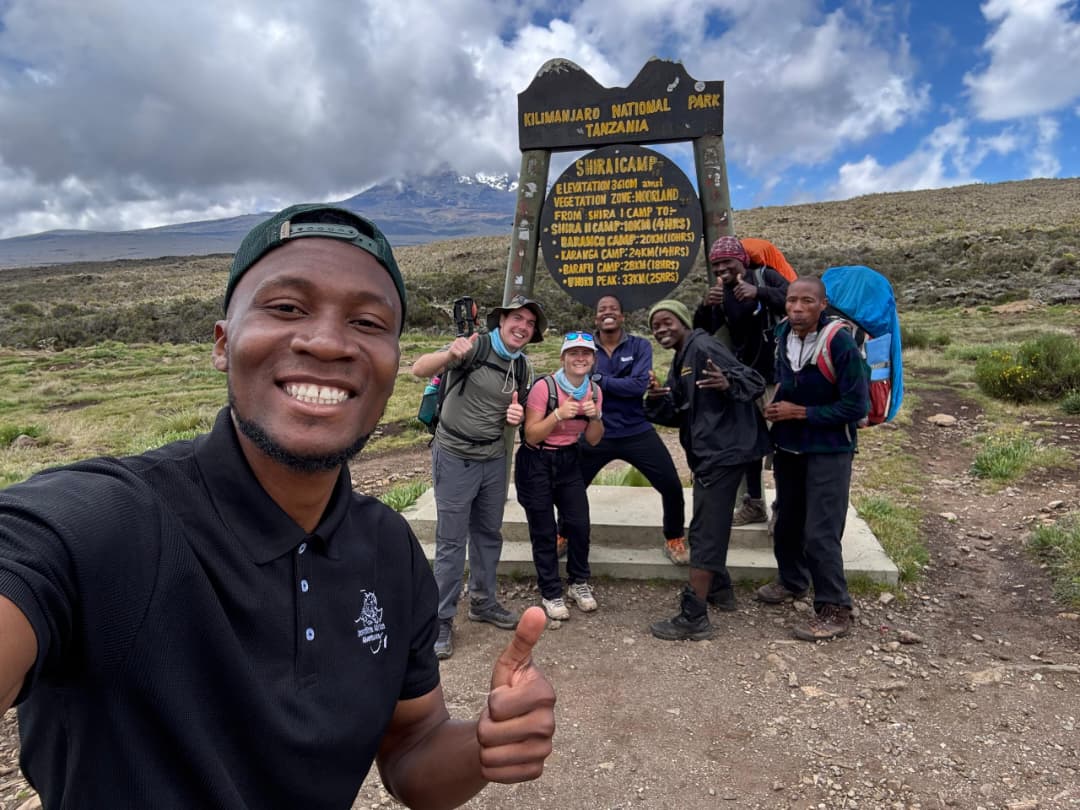
Porters and cooks are equally important. They carry equipment, prepare nutritious meals, set up camps, and ensure that climbers can focus entirely on walking and acclimatizing. At Incredible Africa Adventures, we work with professional, well-trained teams and follow ethical porter treatment standards, ensuring fair wages, proper gear, and respectful working conditions. A strong support team is not a luxury — it is the foundation of a successful Kilimanjaro climb.
A typical day while climbing Mount Kilimanjaro begins early in the morning. After breakfast, you start hiking at a slow, steady pace known locally as “pole pole”, meaning “slowly, slowly.” The day’s hike may last anywhere from four to eight hours, depending on the route and altitude.
When you arrive at camp, your tent is already set up, hot drinks are waiting, and meals are prepared by the cook. Afternoons are for resting, hydrating, enjoying the views, and socializing with fellow climbers. Evenings are calm and peaceful, with early dinners and sleep to help your body recover. This daily rhythm is simple, structured, and surprisingly comforting.
Summit night is the defining moment of Mount Kilimanjaro climbing. You wake around midnight, dress in your warmest layers, and begin the slow ascent under a sky filled with stars. The trail is quiet, and headlamps form a line of light climbing steadily upward.
This part of the climb tests everything — your fitness, your mindset, and your determination. The air is thin, temperatures are often well below freezing, and every step feels heavier than the last. But as dawn approaches, the sky begins to glow, and suddenly the hardship is replaced by awe. Reaching Uhuru Peak at sunrise is an emotional experience that many climbers describe as life-changing. Tears, laughter, silence, and pride often blend into one unforgettable moment.
While most climbers aim for a midnight summit, some Kilimanjaro itineraries and personal preferences allow for a daytime summit approach, offering a calmer and more scenic experience on the mountain. Summiting Mount Kilimanjaro during daylight hours is usually done on carefully planned itineraries where climbers ascend gradually and reach the crater rim or summit area as the sun is already rising or fully up.
This option allows climbers to move in warmer temperatures, with better visibility and a more relaxed pace, making it especially appealing to those who prefer to avoid extreme cold and the physical strain of hiking through the night. During a daytime summit, the landscape reveals itself in full color — glaciers, volcanic slopes, and the vast plains of Tanzania stretch endlessly below, creating breathtaking photo opportunities and a deeper sense of connection with the mountain. Although daytime summits may take longer and require excellent acclimatization, they offer a rewarding alternative for climbers who value comfort, clarity, and the chance to fully experience the beauty of Mount Kilimanjaro while still achieving the ultimate goal of standing proudly on the Roof of Africa.
The best times for climbing Kilimanjaro are during the dry seasons, which generally run from January to March and June to October. During these months, the weather is more stable, trails are drier, and summit success rates are higher.
January to March offers warmer temperatures and fewer crowds, while June to October provides cooler conditions and excellent visibility. Each season has its own beauty, and Kilimanjaro can be climbed year-round, but choosing the right time improves comfort and enjoyment.
Proper planning is essential for a successful and enjoyable Kilimanjaro trekking experience. This includes choosing a reputable operator, selecting the right route and itinerary, preparing physically, and packing appropriate gear. Good equipment — especially warm clothing, proper boots, and a quality sleeping bag — is critical, particularly on summit night.
Medical preparation is also important. Consulting your doctor before the climb, understanding altitude symptoms, and arriving with a flexible mindset will greatly improve your experience. At Incredible Africa Adventures, we guide you through every step of the planning process, ensuring you feel confident and prepared long before you step onto the mountain.
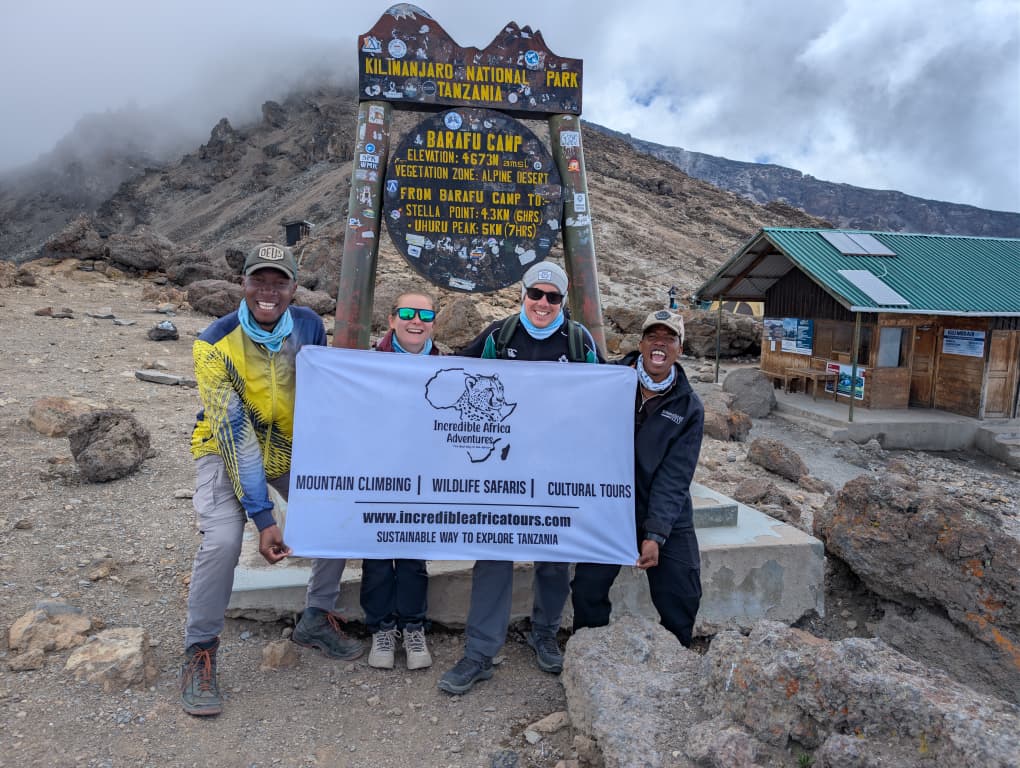
Choosing who you climb with is just as important as choosing when and how. At Incredible Africa Adventures, we combine deep local knowledge with international professionalism. Our guides are experienced, patient, and passionate. Our itineraries are designed for safety and success, not speed. Our ethics ensure that everyone involved — climbers, porters, guides, and the environment — is treated with respect.
When you climb with us, you are not just a client. You are part of our family, sharing a journey that we take pride in every single day.
Climbing Mount Kilimanjaro is not just a physical challenge. It is a journey of self-discovery, resilience, and connection. The mountain strips life down to simple essentials — walking, breathing, resting, and believing. And in that simplicity, something powerful happens.
If you are dreaming of an adventure that will test you, inspire you, and stay with you forever, Kilimanjaro is calling. And Incredible Africa Adventures is ready to guide you — step by step, pole pole, all the way to the Roof of Africa. Your dream of climbing Mount Kilimanjaro deserves honesty, care, and expertise.
Let’s make it real — together.
Drop us a line. Our tour experts will answer all your questions shortly