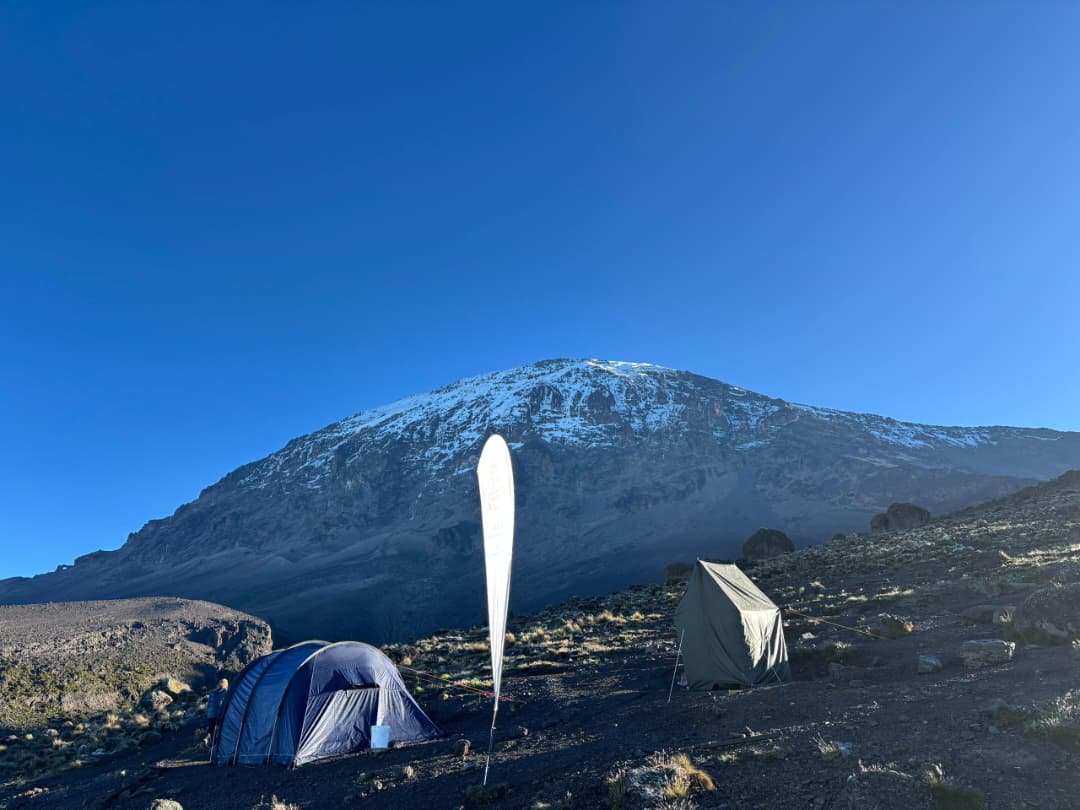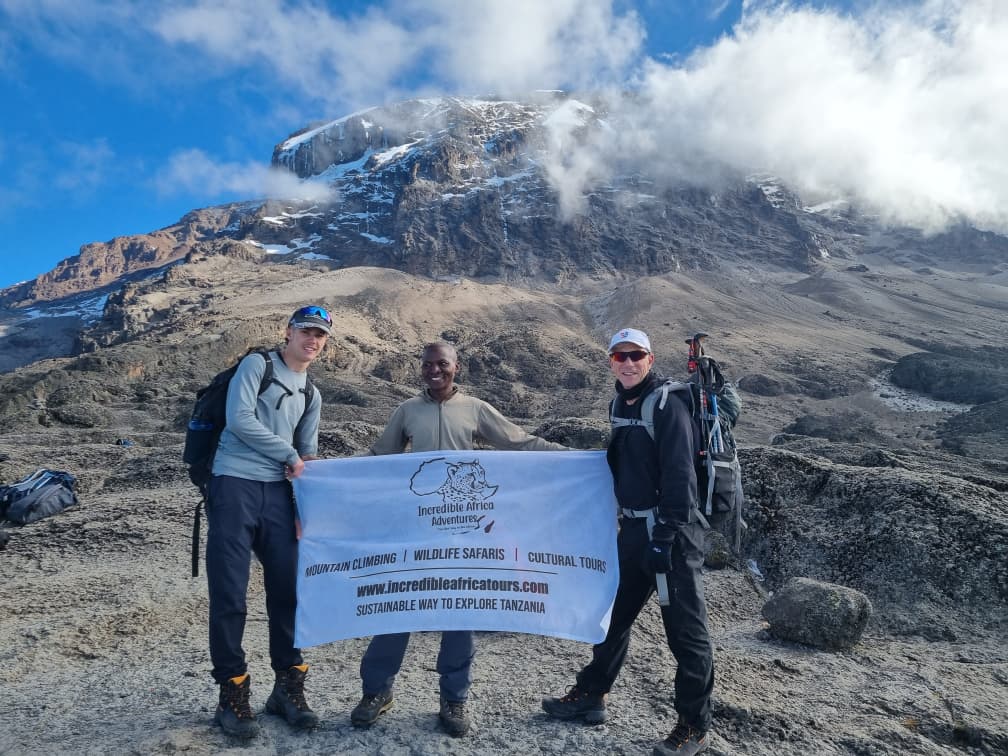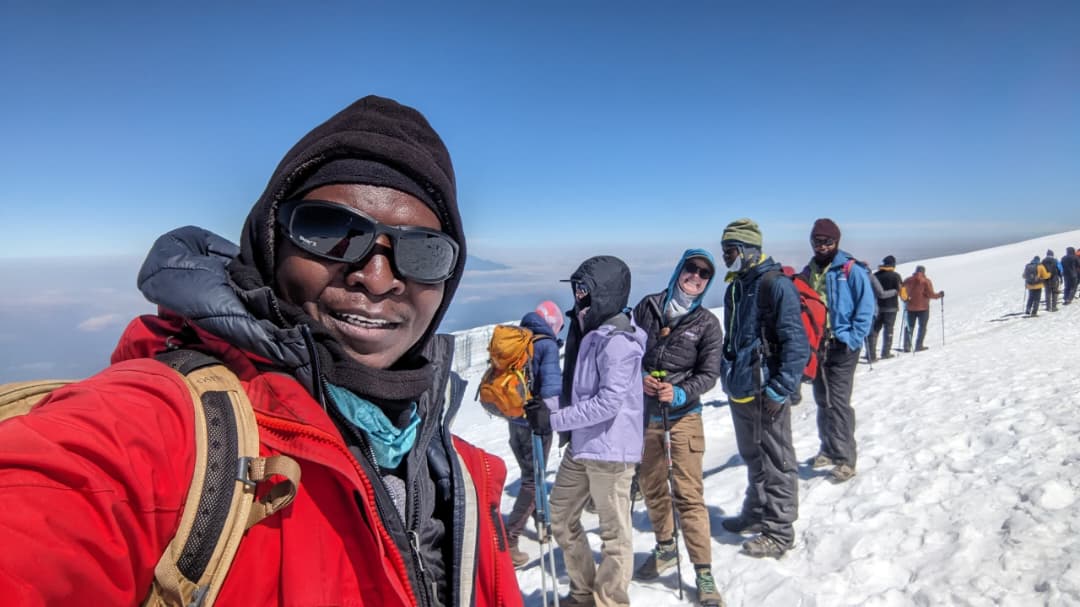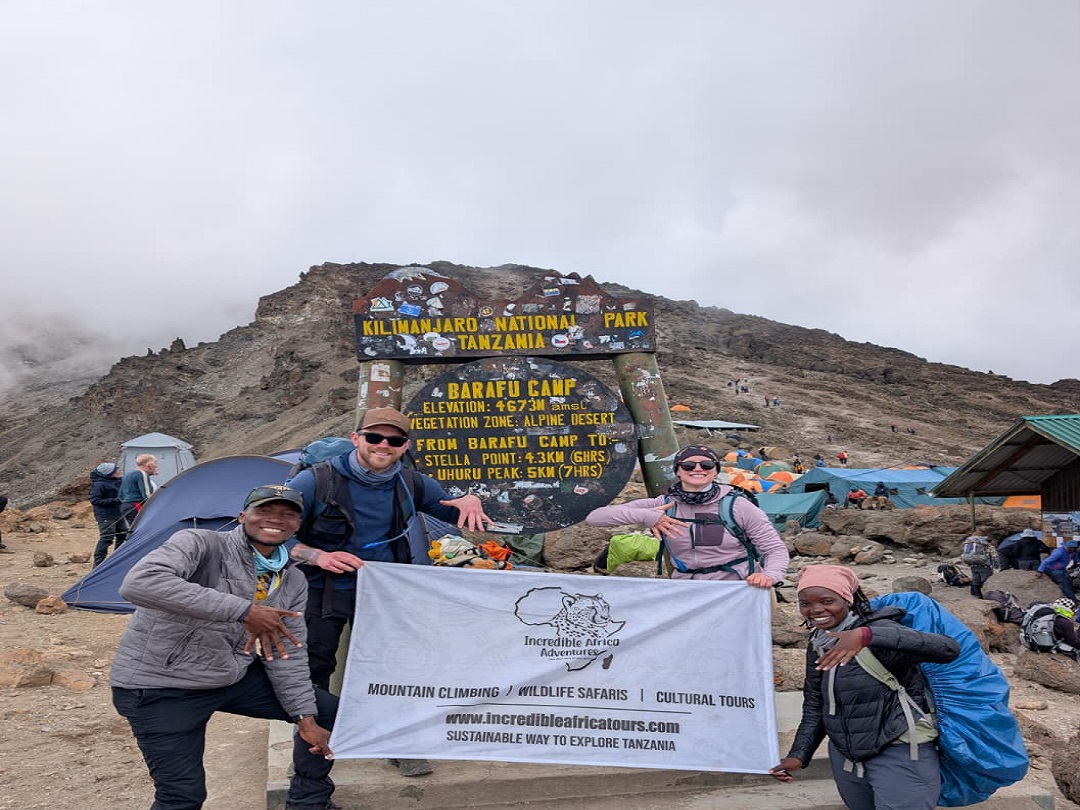
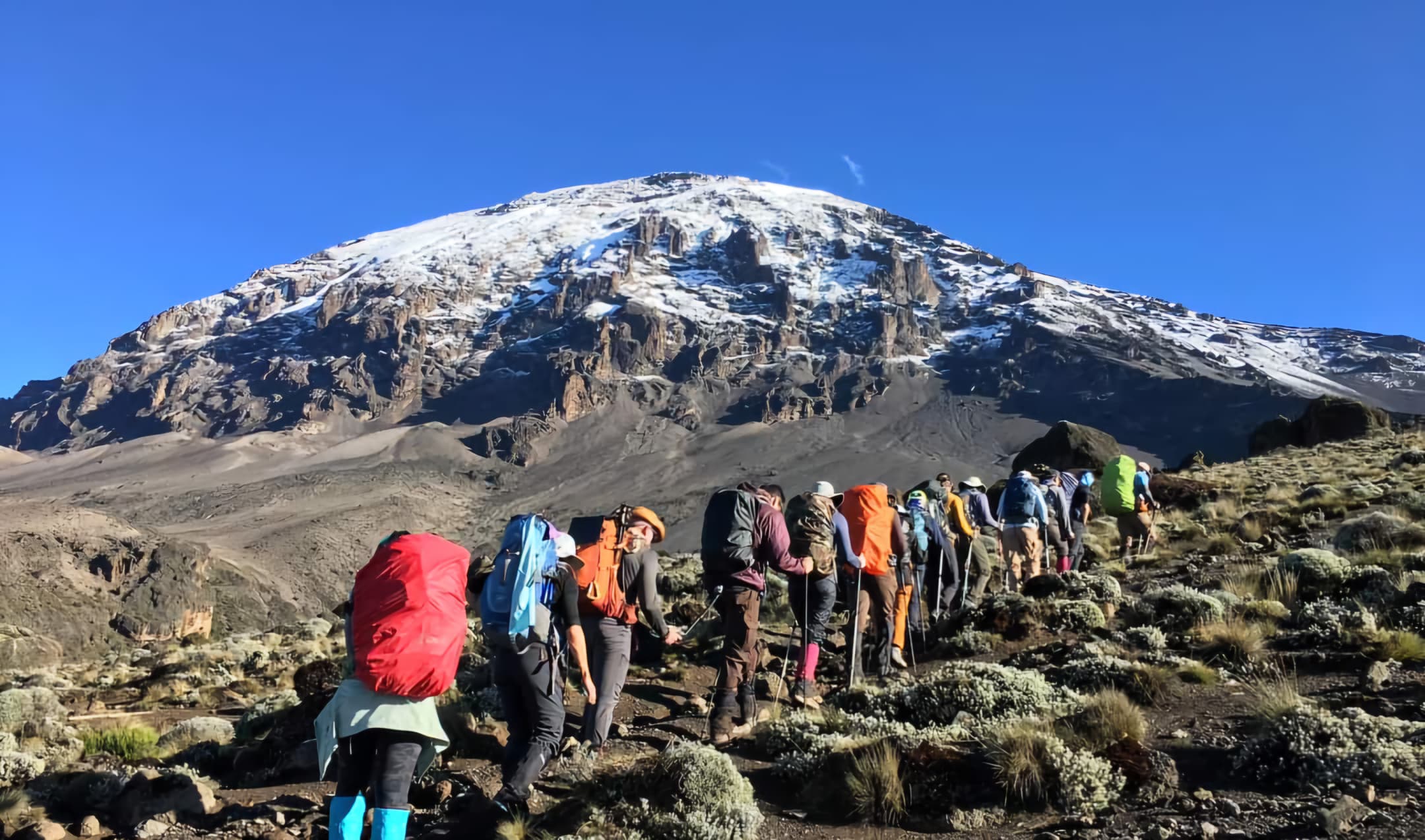
Mount Kilimanjaro, rising to 5,895 meters (19,341 feet) above sea level, is the tallest free-standing mountain in the world and one of the most famous trekking destinations on Earth. Every year, thousands of adventurers travel to Tanzania to attempt this remarkable climb and stand proudly on the Roof of Africa.
One of the most common questions travelers ask when planning their expedition is: How long does it take to climb Mount Kilimanjaro? The answer depends on several factors, including the route you choose, the distance covered, your acclimatization schedule, and your overall pace during the trek.
At Incredible Africa Adventures, we help climbers understand these details so they can prepare confidently for their Kilimanjaro journey.
The total distance of a Mount Kilimanjaro climb varies depending on the route. Each route follows a different path around the mountain, offering unique landscapes, acclimatization profiles, and trekking experiences.
Below are the approximate round-trip distances for the most popular Kilimanjaro routes.
| Route Name | Distance (Round - Trip) | Difficulty Level | Scenery |
| Marangu Route | 72 Kilometers (45 miles) | Moderate | Forests, moorlands, scenic summit views, and hut accommodation |
| Machame Route | 62 Kilometers (38.5 miles) | Challenging | Diverse landscapes, including lava towers and valleys. |
| Lemosho Route | 70 Kilometers (43.5 miles) | Moderate | Remote trails, lush forests, and panoramic views. |
| Rongai Route | 73 Kilometers (45 miles) | Moderate | Dry, less crowded, and unique wilderness. |
| Northern Circuit Route | 98 kilometers (61 miles) | Moderate to Challenging | Longest route with amazing acclimatization |
| Umbwe Route | 53 kilometers (33 miles) | Very challenging | Steep paths, for experienced climbers. |
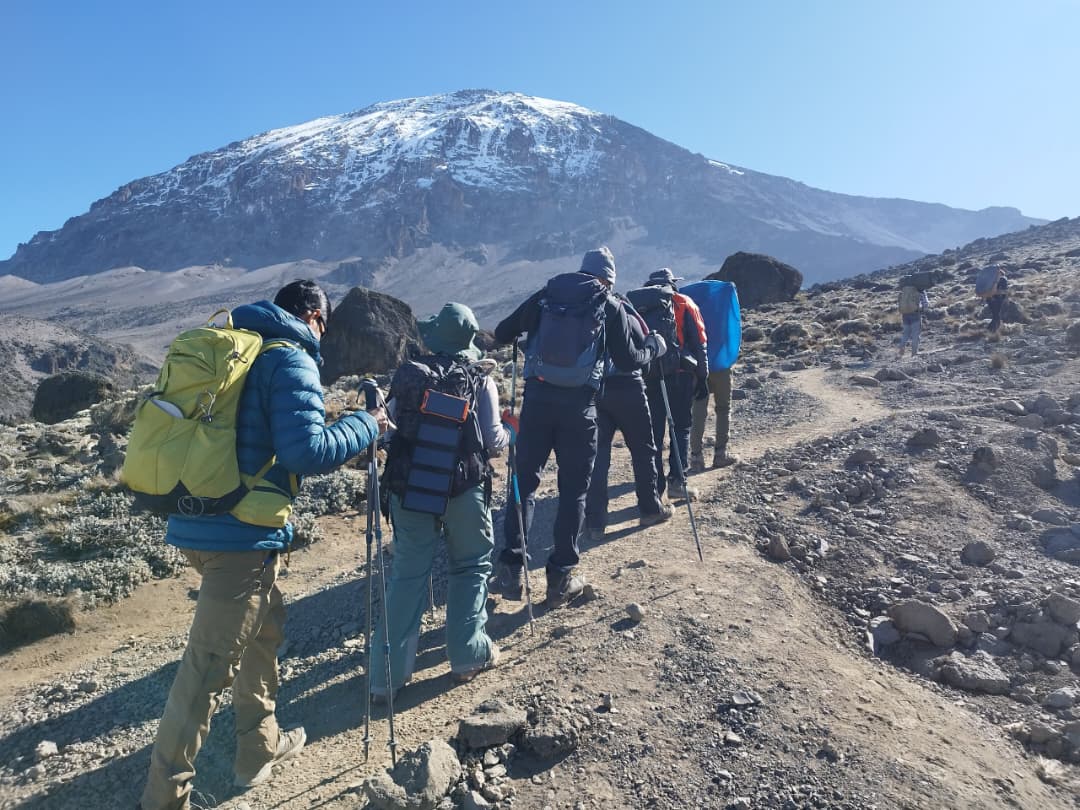
Most climbers spend 5 to 10 days on Mount Kilimanjaro, including both the ascent and descent. Longer itineraries are generally recommended because they allow your body more time to adjust to altitude, increasing the chances of reaching the summit successfully.
This is one of the shortest Kilimanjaro routes and the only one with hut accommodation. However, the shorter itinerary offers limited acclimatization.
The Machame Route is one of the most popular options because it allows better acclimatization using the “climb high, sleep low” strategy.
The Lemosho Route is widely considered one of the safest and most scenic routes due to its gradual ascent.
Approaching from the northern side near Kenya, Rongai offers a quieter trail and unique landscapes.
This is the longest Kilimanjaro route and offers excellent acclimatization, resulting in some of the highest summit success rates.
Umbwe is the steepest route and is recommended only for experienced trekkers.
Several important factors influence how long it takes to reach the summit.
Altitude acclimatization is the most important factor in summit success. Longer routes give your body more time to adjust to decreasing oxygen levels.
While Mount Kilimanjaro does not require technical climbing skills, good physical fitness helps you manage long days of hiking.
Weather on Kilimanjaro can change quickly. Rain, wind, or cold temperatures may slow your pace.
Route Selection
Some Kilimanjaro climb routes are shorter and steeper, while others offer longer itineraries designed for better acclimatization.
Guides encourage climbers to walk “pole pole”, a Swahili phrase meaning “slowly, slowly.” This steady pace conserves energy and helps prevent altitude sickness.
Selecting the right Kilimanjaro climb route depends on your experience level, schedule, and personal preferences.
Consider the following when choosing your route:
Beginners often prefer Lemosho or Machame, which offer better acclimatization.
Shorter itineraries such as Marangu or Rongai may suit travelers with limited time.
Routes like Lemosho and Machame offer some of the most spectacular landscapes on the mountain.
At Incredible Africa Adventures, our experienced team helps climbers choose the best route based on their goals and fitness level.
Here’s an example of a 7-day Kilimanjaro trek to give you an idea of what to expect:
Choosing the right operator is essential for a safe and successful climb.
At Incredible Africa Adventures, we offer:
Our mission is to help every climber experience Mount Kilimanjaro safely, comfortably, and successfully.
The Kilimanjaro summit push usually takes 6–8 hours to ascend and 4–6 hours to descend, depending on pace and weather conditions.
The best Kilimanjaro climb seasons are December to March and June to October, when the weather is generally dry and visibility is excellent.
Kilimanjaro is challenging but achievable for most healthy individuals. The main difficulty is altitude, not technical climbing.
Climbing Mount Kilimanjaro is one of the most rewarding adventures in the world. With the right preparation, the right route, and the right guiding team, your journey to Uhuru Peak can become a truly unforgettable experience.
At Incredible Africa Adventures, we are proud to guide climbers from around the world to the summit of Africa’s highest mountain.
If you’re ready to begin your Kilimanjaro adventure, our team is here to help you plan every detail — from choosing the perfect route to celebrating your summit success.
Drop us a line. Our tour experts will answer all your questions shortly