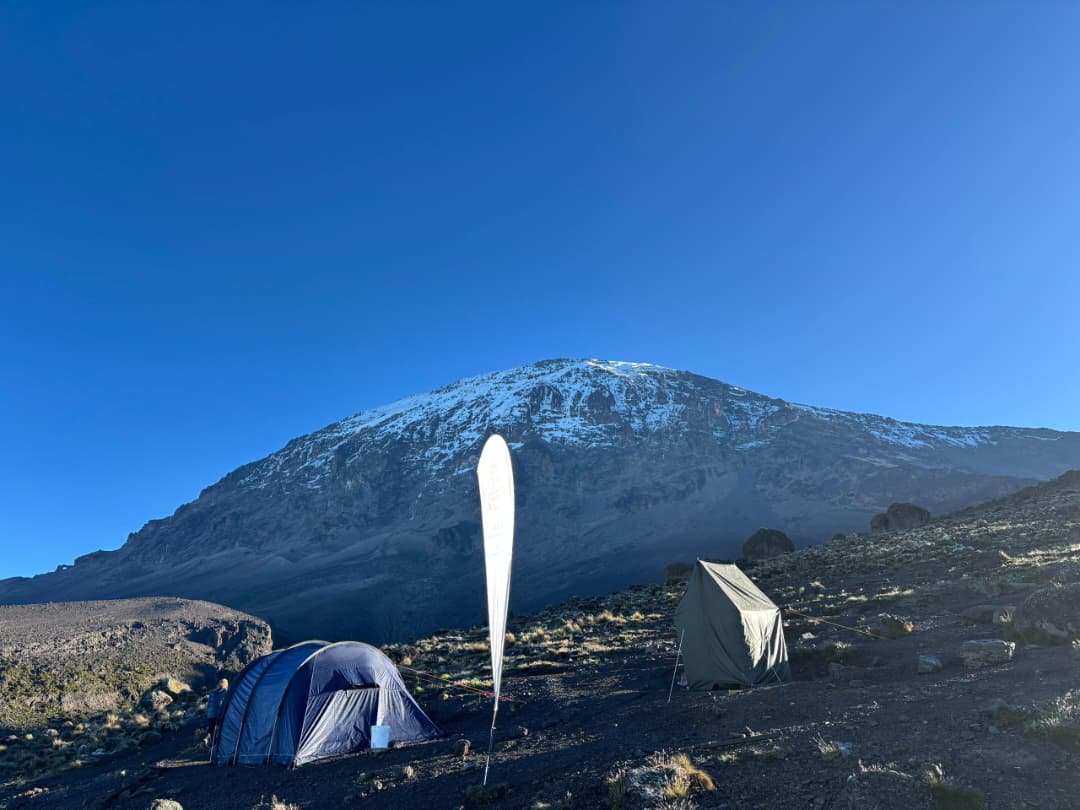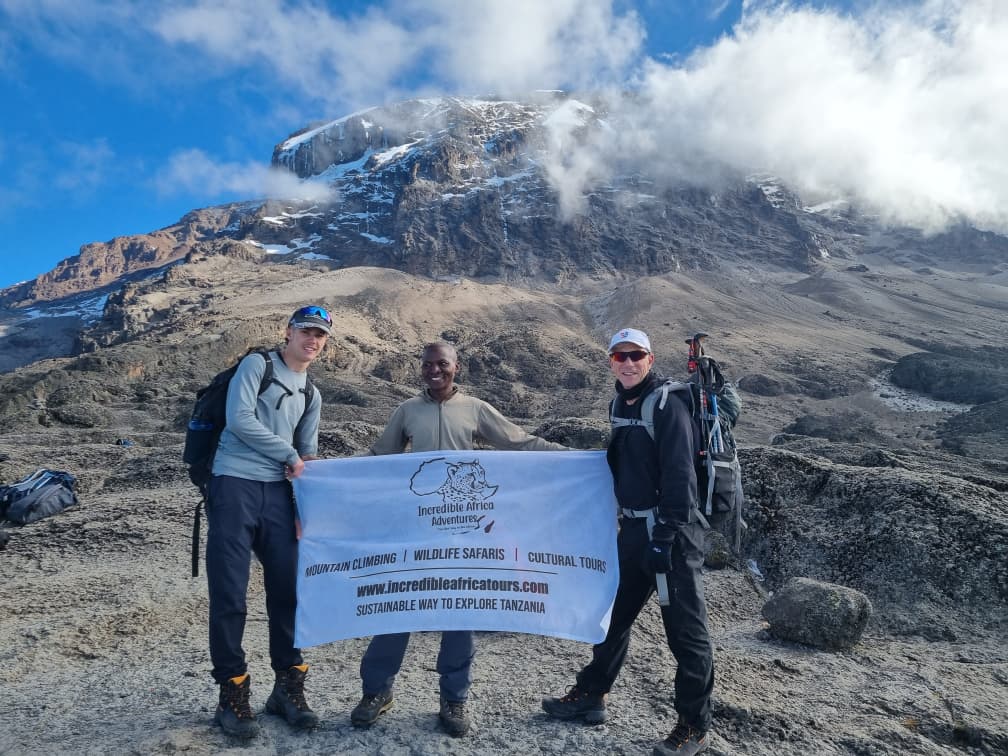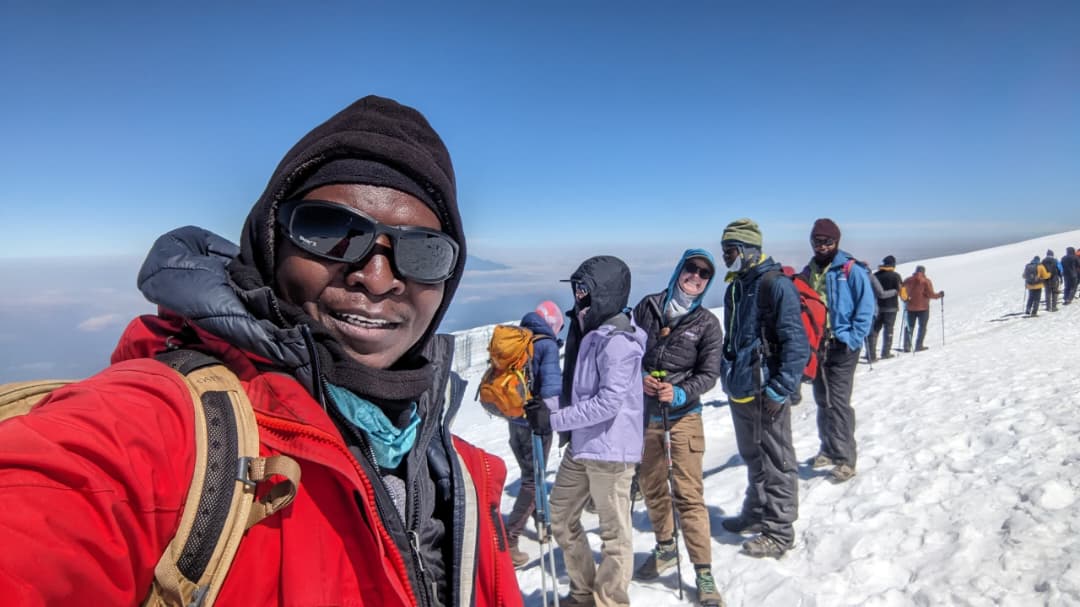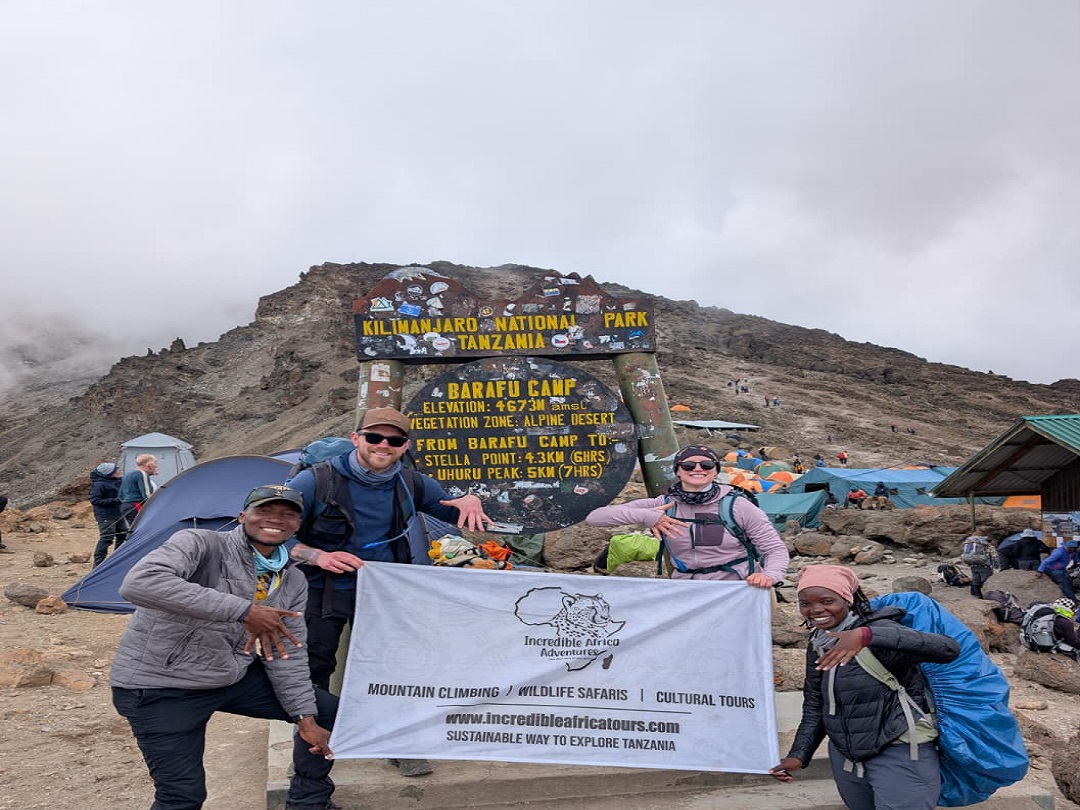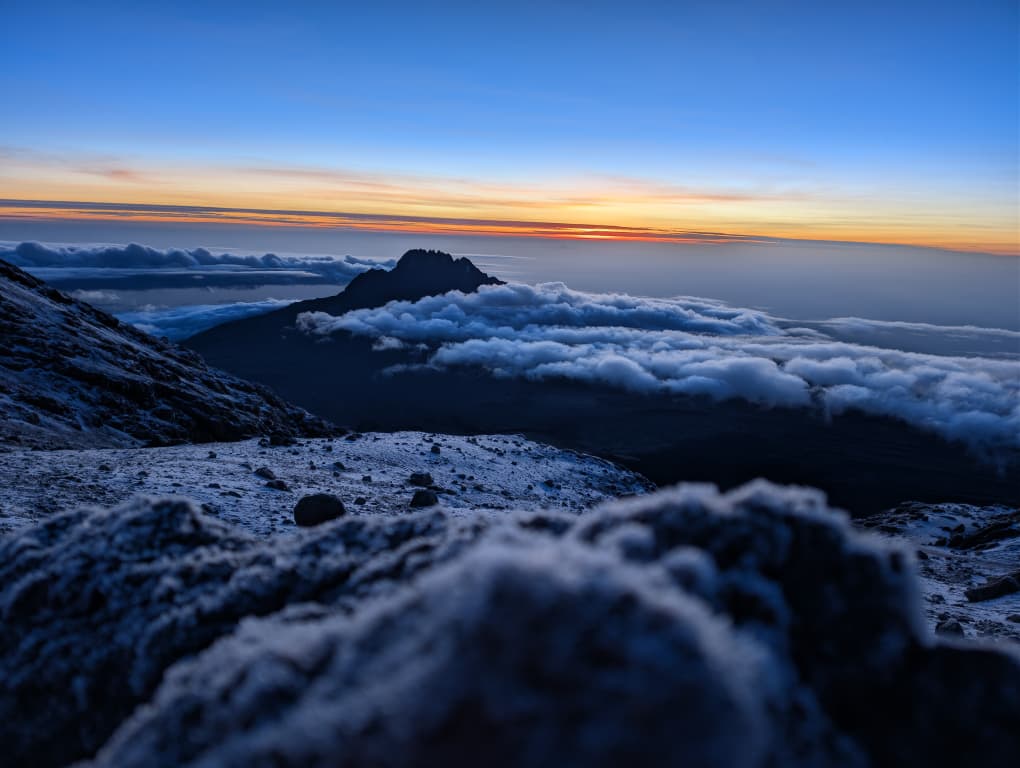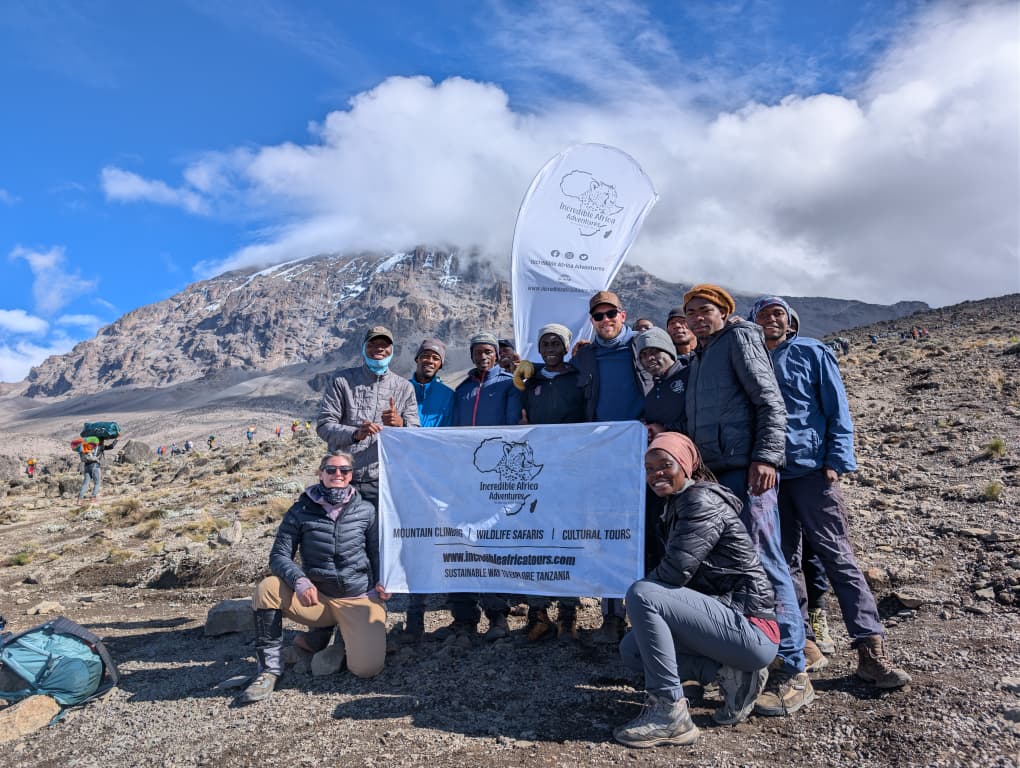
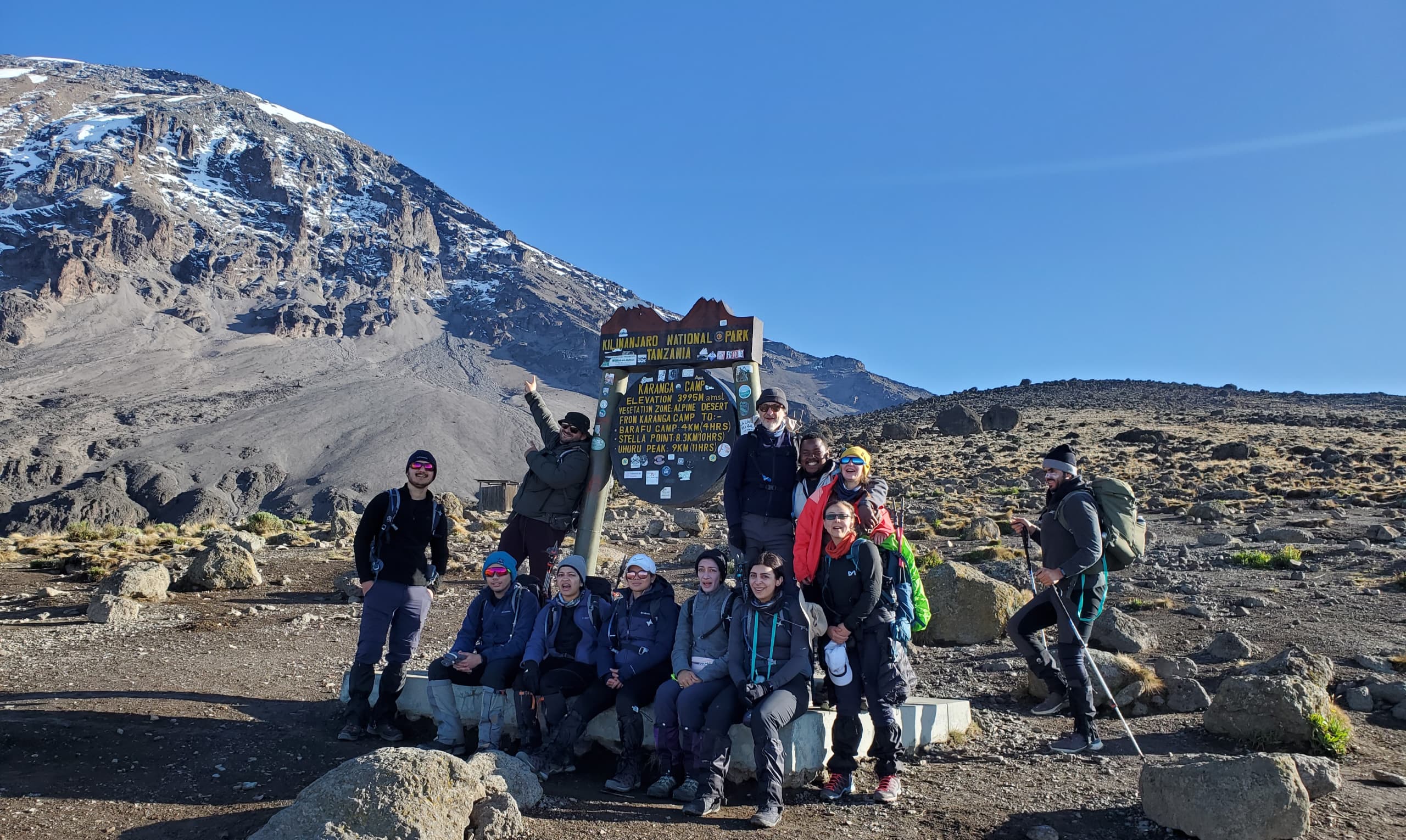
Climbing Mount Kilimanjaro, Africa’s highest mountain and the world’s tallest free-standing peak, is one of the most inspiring adventures a traveler can experience. Standing at 5,895 meters (19,341 feet) above sea level, the mountain attracts thousands of trekkers every year who dream of reaching the famous Uhuru Peak, often called the Roof of Africa.
One of the most common questions travelers ask before planning their adventure is: “How difficult is it to climb Mount Kilimanjaro?”
The truth is that Kilimanjaro is challenging, but it is also achievable for many people with proper preparation and the right guiding team. Unlike technical mountains that require ropes or climbing equipment, Kilimanjaro is considered a trekking peak. This means the climb involves long days of hiking rather than technical mountaineering.
However, reaching the summit still requires physical endurance, mental determination, and careful acclimatization to altitude. Understanding the challenges ahead will help you prepare properly and greatly increase your chances of success.
At Incredible Africa Adventures, we help climbers from around the world prepare for this incredible journey while ensuring their experience is safe, rewarding, and unforgettable.
Climbing Mount Kilimanjaro is considered a moderately difficult high-altitude trek rather than a technical climb. The main challenge comes from the high altitude of 5,895 meters (19,341 feet), where oxygen levels are significantly lower than at sea level.
Most climbers can successfully reach the summit with proper preparation, good physical fitness, and a well-planned itinerary that allows enough time for acclimatization. With experienced guides and a steady “pole pole” pace, thousands of trekkers reach the Roof of Africa every year.
Mount Kilimanjaro is often described as a moderately difficult high-altitude trek. The difficulty does not come from technical climbing skills but from the physical and environmental challenges encountered during the ascent.
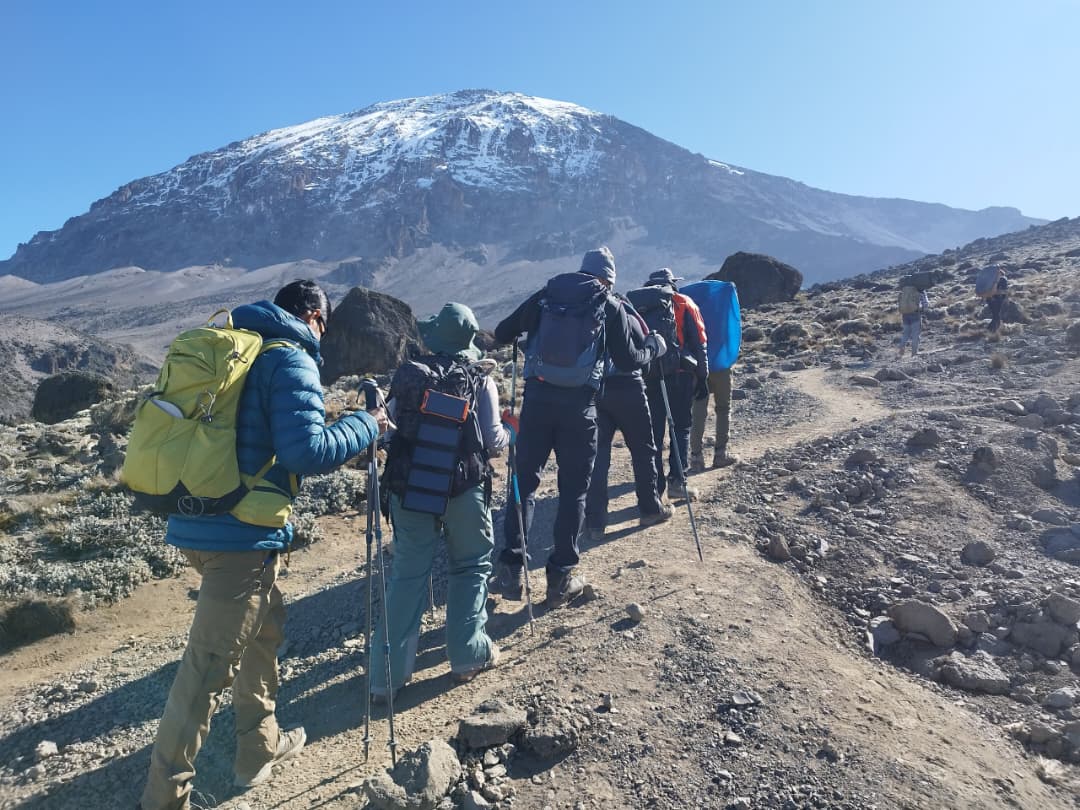
Trekkers hike for several days while gradually gaining elevation through five different ecological zones. As climbers move higher, oxygen levels decrease and temperatures drop significantly, making summit day the most demanding part of the adventure.
For most climbers, the biggest challenge is altitude rather than terrain. With proper pacing, hydration, and acclimatization, many travelers successfully reach the summit each year.
Understanding what makes Kilimanjaro difficult allows climbers to prepare effectively and increase their chances of reaching the summit.
Altitude is the most significant challenge when climbing Kilimanjaro. At the summit, the oxygen level is roughly half of what it is at sea level, which can cause symptoms of altitude sickness such as headaches, nausea, or fatigue.
Proper acclimatization allows the body to gradually adapt to these conditions. Choosing routes with longer itineraries, such as the Lemosho Route or Northern Circuit Route, provides more time for the body to adjust and significantly increases summit success rates.
Although Kilimanjaro does not require technical climbing skills, trekkers must be prepared for multiple days of hiking, often lasting five to eight hours per day.
Good cardiovascular fitness and endurance help climbers maintain steady energy throughout the journey. Activities such as hiking, cycling, running, or stair climbing can significantly improve readiness for the trek.
Mount Kilimanjaro contains five climatic zones, each with very different environmental conditions. Climbers begin in warm tropical rainforest and eventually reach arctic conditions near the summit.
Summit night is often the coldest part of the climb, with temperatures dropping to –20°C (–4°F). Proper clothing and layering are essential for staying warm and comfortable during the final ascent.
The Kilimanjaro route chosen for the climb can greatly influence the overall difficulty of the trek.
Shorter routes such as Marangu or Umbwe provide less time for acclimatization, making the climb more physically demanding. Longer routes like Lemosho or Northern Circuit allow a gradual ascent, which greatly improves the chances of reaching the summit successfully.
Climbing Kilimanjaro is not only a physical journey but also a mental one. Long trekking days, high altitude, and summit night fatigue require patience and resilience.
Maintaining a positive mindset and focusing on steady progress can make a significant difference during the most challenging moments of the climb.
Proper preparation is the key to transforming a difficult climb into a rewarding adventure.
Routes that allow more time for acclimatization dramatically improve summit success rates. The Lemosho Route, Machame Route (7 days), and Northern Circuit Route are widely recommended for their balanced ascent profiles.
Training should begin at least eight to ten weeks before the trek. Focus on endurance activities such as long hikes, hill walking, cycling, and strength exercises for legs and core muscles.
Training with a backpack can also help simulate the conditions experienced during the trek.
Having the right equipment makes a huge difference in comfort and safety on the mountain. Essential items include layered clothing for changing temperatures, a high-quality sleeping bag, waterproof hiking boots, trekking poles, and a durable daypack.
One of the most important principles of Kilimanjaro climbing is the Swahili phrase “pole pole,” meaning “slowly, slowly.” Walking at a steady and relaxed pace allows the body to adapt to altitude while conserving energy for summit night.
Drinking three to four liters of water per day helps prevent dehydration and supports altitude adaptation. Balanced meals rich in carbohydrates and proteins also provide the energy needed for long trekking days.
Each Kilimanjaro route offers a slightly different climbing experience.
The Marangu Route is considered moderately difficult but offers fewer acclimatization opportunities due to its shorter duration.
The Machame Route is more physically demanding but provides excellent scenery and a better acclimatization profile.
The Lemosho Route is widely regarded as one of the best options because it offers gradual elevation gain and high summit success rates.
The Northern Circuit Route is the longest route and provides the best acclimatization, making it one of the most successful routes for reaching Uhuru Peak.
The Rongai Route approaches the mountain from the north and offers a quieter climbing experience.
The Umbwe Route is the steepest and most challenging option, usually recommended only for experienced hikers.
The team guiding your climb can make a huge difference in both safety and summit success.
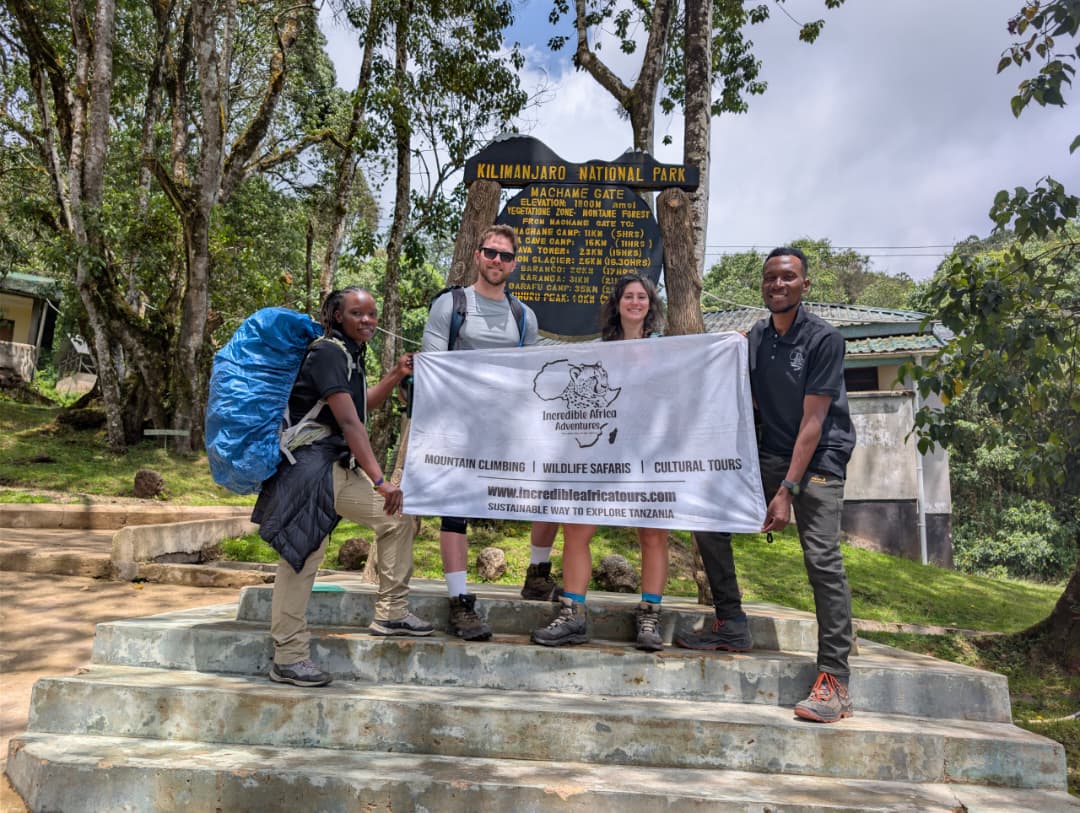
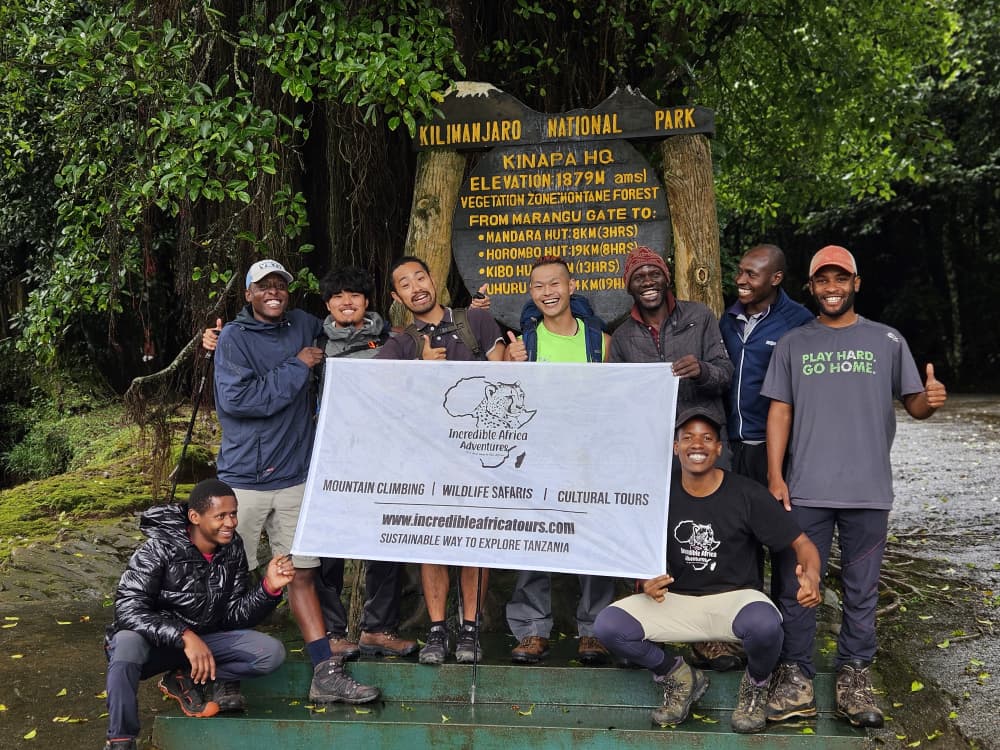
At Incredible Africa Adventures, our experienced local guides provide expert support throughout the journey. Our team monitors climbers’ health daily, manages the logistics of camp life, and ensures that every climber ascends at a safe and comfortable pace.
We are proud to offer:
Our goal is to help every traveler experience the joy of standing on the summit of Africa.
Yes. Many first-time trekkers successfully climb Kilimanjaro each year. With proper preparation, fitness training, and the right route choice, beginners can achieve the summit safely.
The most challenging part of the climb is summit night, when climbers ascend for several hours in cold temperatures and thin air before reaching Uhuru Peak at sunrise.
Summit success rates vary depending on the route and duration, but longer routes such as Lemosho or Northern Circuit can achieve success rates of 85–95%.
No technical climbing skills are required. Kilimanjaro is a trekking mountain that involves hiking rather than technical mountaineering.
Mount Kilimanjaro is generally considered more challenging than Everest Base Camp because of its rapid altitude gain, reaching 5,895 meters. However, Kilimanjaro does not require technical climbing skills, making it achievable for most determined trekkers with proper preparation and acclimatization.
Climbing Mount Kilimanjaro is a challenge, but it is also one of the most rewarding journeys a traveler can experience. With the right preparation, proper acclimatization, and an experienced guiding team, reaching the summit is an achievable dream.
At Incredible Africa Adventures, we are passionate about helping climbers safely reach the Roof of Africa while creating unforgettable memories along the way. If you are ready to begin planning your Kilimanjaro adventure, our team is here to guide you every step of the journey.
Drop us a line. Our tour experts will answer all your questions shortly