
Climbing Mount Kilimanjaro, Africa’s highest mountain at 5,895 meters (19,341 feet), is one of the most extraordinary adventures in the world. Unlike many high mountains, Kilimanjaro does not require technical climbing skills, but its altitude presents a serious challenge for many climbers.
The greatest obstacle on Kilimanjaro is not the steepness of the trail but the decreasing oxygen levels at high altitude. As climbers ascend the mountain, the air becomes thinner and the body must adapt to the lower availability of oxygen. This process is known as acclimatization, and it is the most important factor influencing whether climbers successfully reach the summit.
With proper acclimatization strategies, thousands of trekkers successfully stand on Uhuru Peak, the highest point in Africa, every year. In this guide, Incredible Africa Adventures shares expert advice on how to acclimatize effectively and maximize your chances of reaching the summit safely.
Altitude affects every climber differently. At high elevations the air pressure decreases, meaning each breath delivers less oxygen to the body. Without proper acclimatization, climbers may experience symptoms of Acute Mountain Sickness (AMS) such as headaches, nausea, fatigue, dizziness, and difficulty sleeping.
Gradual acclimatization allows the body to adjust by increasing breathing rate and producing more red blood cells to carry oxygen throughout the body. This natural adaptation process takes time, which is why longer Kilimanjaro routes with gradual altitude gain have higher summit success rates.
Understanding how altitude affects the body and following proper acclimatization techniques greatly improves both safety and summit success.
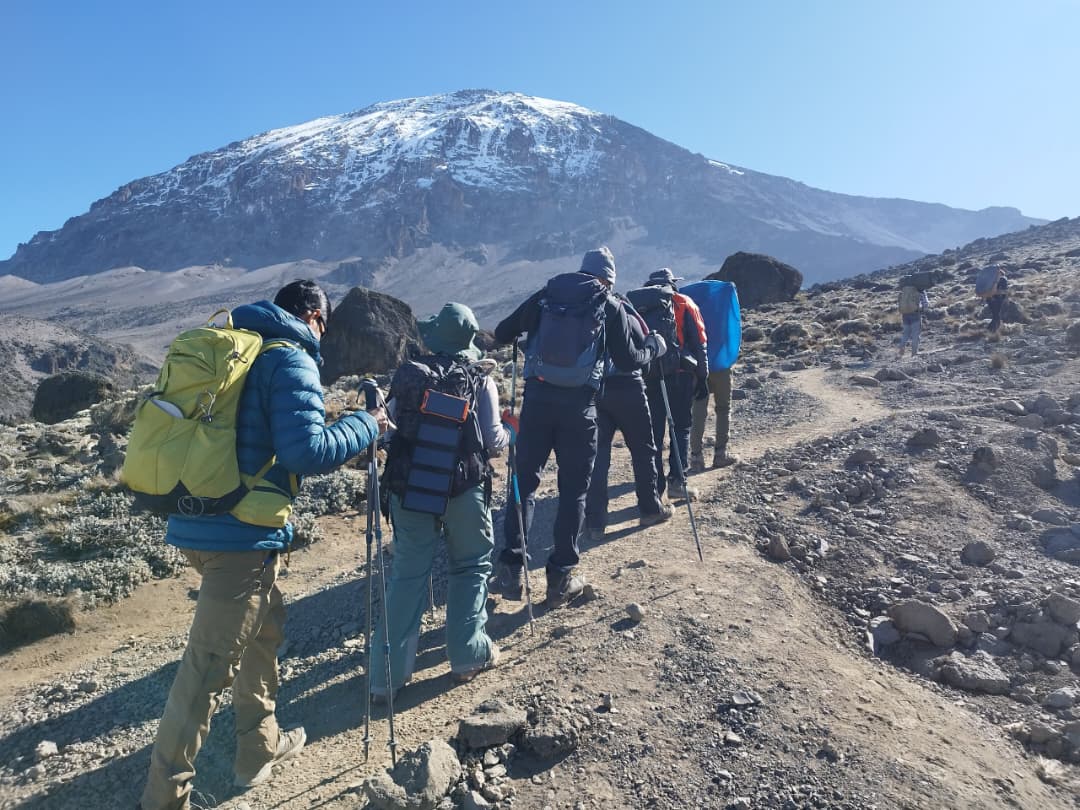
The most important rule on Mount Kilimanjaro is “Pole Pole,” a Swahili phrase meaning slowly, slowly.
Walking slowly allows your body to adapt to the altitude gradually. When climbers move too quickly, their bodies cannot adjust to the lower oxygen levels, which increases the risk of altitude sickness.
Experienced Kilimanjaro guides carefully monitor trekking pace to ensure climbers maintain a steady and sustainable rhythm. By walking slowly and conserving energy, your body has more time to adapt to the changing altitude conditions. Following the Pole Pole philosophy is one of the most effective ways to improve your chances of reaching the summit.
Proper hydration plays a crucial role in acclimatization. At high altitude the body loses fluids more quickly due to increased breathing and physical exertion.
Climbers are generally advised to drink 3 to 4 liters of water per day during the Kilimanjaro trek. Staying well hydrated helps maintain circulation, improves oxygen transport in the bloodstream, and reduces symptoms of altitude sickness.
Our mountain teams provide purified drinking water throughout the trek, and climbers are encouraged to drink regularly even when they do not feel thirsty. Maintaining good hydration is one of the simplest yet most powerful ways to support acclimatization on the mountain.
Nutrition is another essential factor in successful acclimatization. Climbing Kilimanjaro requires significant physical effort, and the body needs sufficient energy to maintain strength and adapt to altitude.
A well-balanced diet during the climb should include carbohydrates, proteins, healthy fats, and vitamins. Carbohydrates are especially important because they provide quick energy and are easier for the body to metabolize at high altitude.
On Kilimanjaro expeditions with Incredible Africa Adventures, climbers enjoy freshly prepared mountain meals designed to support energy levels, maintain hydration, and promote healthy acclimatization. Eating regular, nutritious meals helps reduce fatigue and keeps the body strong throughout the trek.
One of the most effective acclimatization techniques used on Kilimanjaro is the “climb high, sleep low” principle.
This strategy involves hiking to a higher altitude during the day and then descending slightly to sleep at a lower elevation. The temporary exposure to higher altitude stimulates the body to adapt while sleeping at a lower altitude allows recovery.
Routes such as the Machame Route and Lemosho Route follow this principle naturally, which is why they often achieve higher summit success rates. These carefully designed itineraries help climbers adjust gradually to altitude conditions while minimizing the risk of altitude sickness.
During many Kilimanjaro expeditions, guides organize short acclimatization hikes from camp to higher elevations before returning to camp.
These hikes usually last one to two hours and are extremely beneficial for helping the body adapt to the altitude. Even though they may seem optional, participating in these hikes significantly improves acclimatization. Climbers who actively take part in acclimatization walks often experience fewer altitude-related symptoms and feel stronger on summit day.
One of the most important decisions when planning a Kilimanjaro climb is choosing a route that provides sufficient time for acclimatization. Routes lasting seven days or longer provide the body with more time to adapt to altitude conditions.
Some of the best Kilimanjaro routes for acclimatization include:
These routes follow gradual altitude gain and provide excellent acclimatization opportunities. Shorter itineraries may save time but significantly reduce summit success rates.
For climbers who have extra time in Tanzania, trekking Mount Meru before climbing Kilimanjaro is one of the best ways to improve acclimatization. Mount Meru rises to 4,566 meters and provides an excellent high-altitude trekking experience that prepares the body for Kilimanjaro’s conditions.
Many experienced climbers use Mount Meru as a training climb because it allows the body to begin adapting to altitude before attempting Kilimanjaro. This strategy can greatly improve confidence and summit success.
Many climbers wonder whether they should include extra acclimatization days in their Kilimanjaro climbing itinerary. For most trekkers, routes lasting 7 to 8 days provide sufficient acclimatization without requiring additional rest days.
However, climbers who are concerned about altitude or who have limited high-altitude experience may benefit from adding one extra day on the mountain. Longer itineraries provide additional recovery time and increase the chances of reaching the summit comfortably.
Although proper acclimatization reduces risks, climbers should still be aware of common symptoms of altitude sickness.
These may include:
Experienced guides monitor climbers daily and conduct health checks to ensure everyone remains safe throughout the expedition. If symptoms worsen, descending to a lower altitude is the safest solution.
Most climbers acclimatize gradually during a 7 to 9 day Kilimanjaro trek. Routes with longer itineraries allow the body to adjust naturally to the altitude.
The Northern Circuit, Lemosho Route, and Machame Route offer the best acclimatization profiles due to their gradual altitude gain.
Most healthy individuals can acclimatize successfully if they follow proper trekking pace, hydration, and acclimatization strategies.
Good fitness helps with endurance but does not guarantee protection from altitude sickness. Acclimatization remains the most important factor.
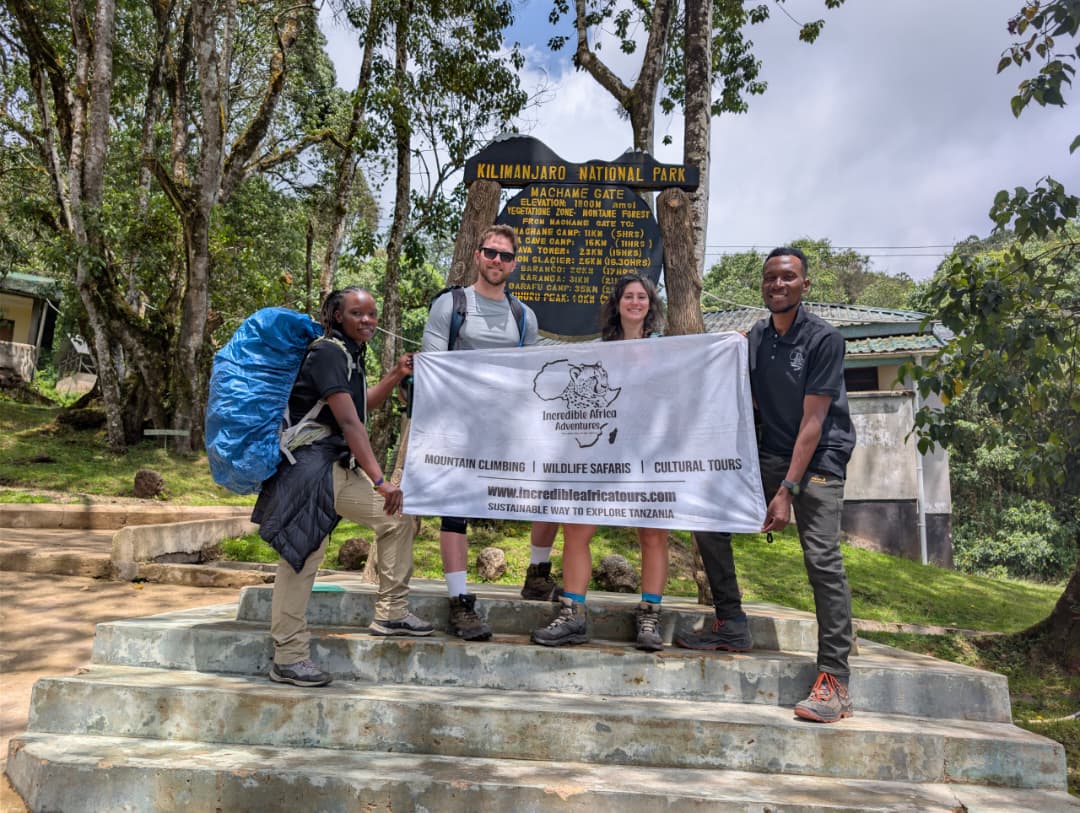
At Incredible Africa Adventures, your safety and success on Mount Kilimanjaro are our highest priorities. Our professional guides are highly experienced in high-altitude trekking and carefully monitor each climber’s health and pace throughout the expedition.
We design our Kilimanjaro itineraries to maximize acclimatization and provide the best chance of reaching the summit. If you are dreaming of standing on the Roof of Africa, our team is ready to guide you every step of the way. Start planning your Kilimanjaro adventure today and experience one of the most unforgettable journeys on Earth.
Drop us a line. Our tour experts will answer all your questions shortly