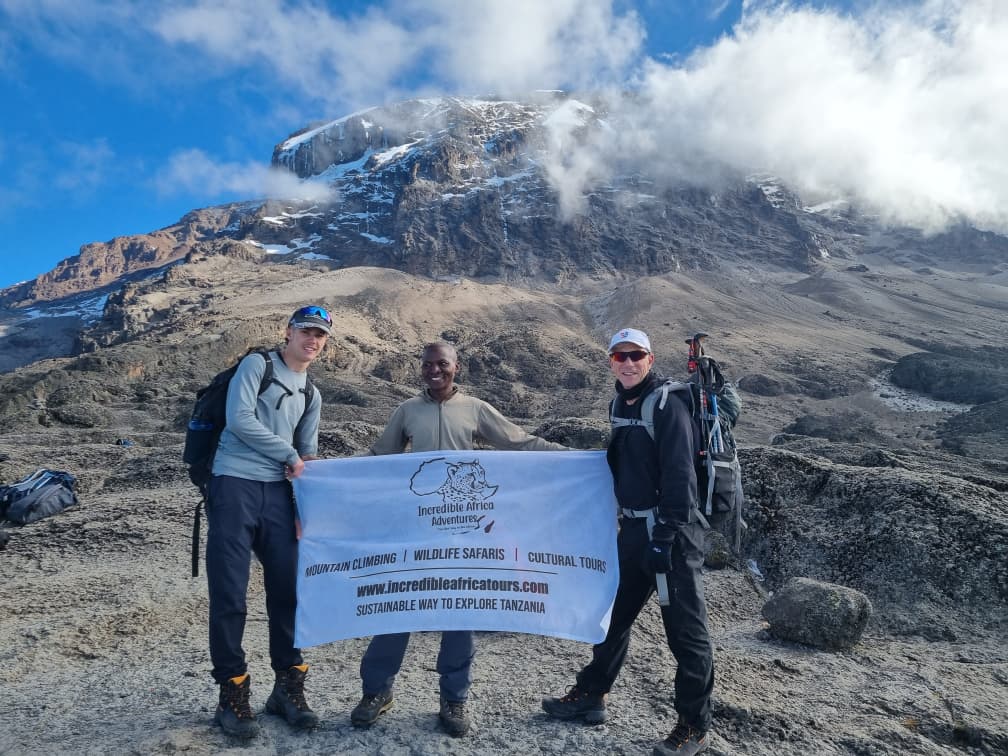

Mount Kilimanjaro, Africa’s highest peak and one of the most iconic Tanzania mountains, offers climbers a once-in-a-lifetime adventure. But if you’re planning a Mount Kilimanjaro hiking or climbing expedition, understanding the mountain's complex and ever-changing weather is essential. Unlike many other mountains, Kilimanjaro’s climate isn’t dictated by traditional seasons—rather, it’s influenced by altitude, time of day, and trade wind patterns from the Indian Ocean.
From tropical heat at the base to arctic conditions at the summit, you’ll experience five distinct ecological zones, each with its own unique climate. This detailed guide from Incredible Africa Adventures will help you prepare for your journey and ensure you're equipped to conquer every challenge along the way.
Mount Kilimanjaro doesn't experience vast seasonal temperature changes due to its location near the equator. Instead, temperature varies significantly with altitude.
Temperatures average between 21°C to 27°C (70°F to 80°F) with warm, humid conditions.
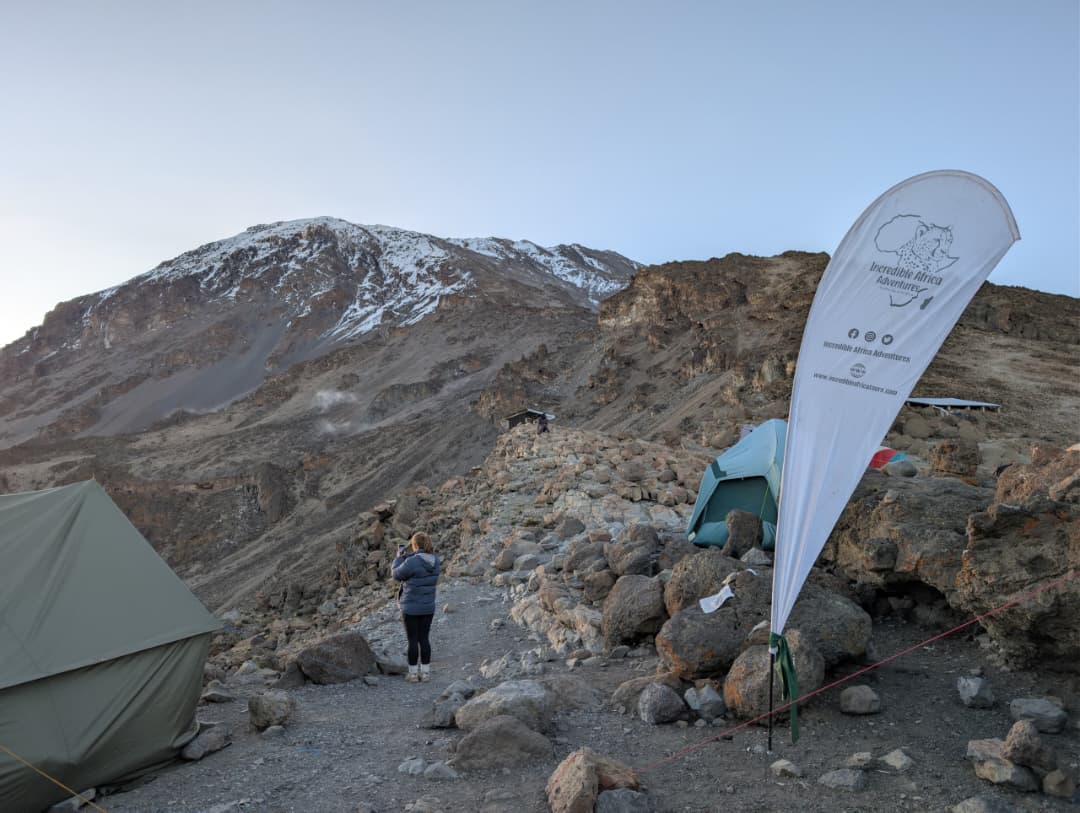
Nighttime temperatures can plunge to between -7°C to -29°C (20°F to -20°F), especially in the early morning hours when summit attempts begin.
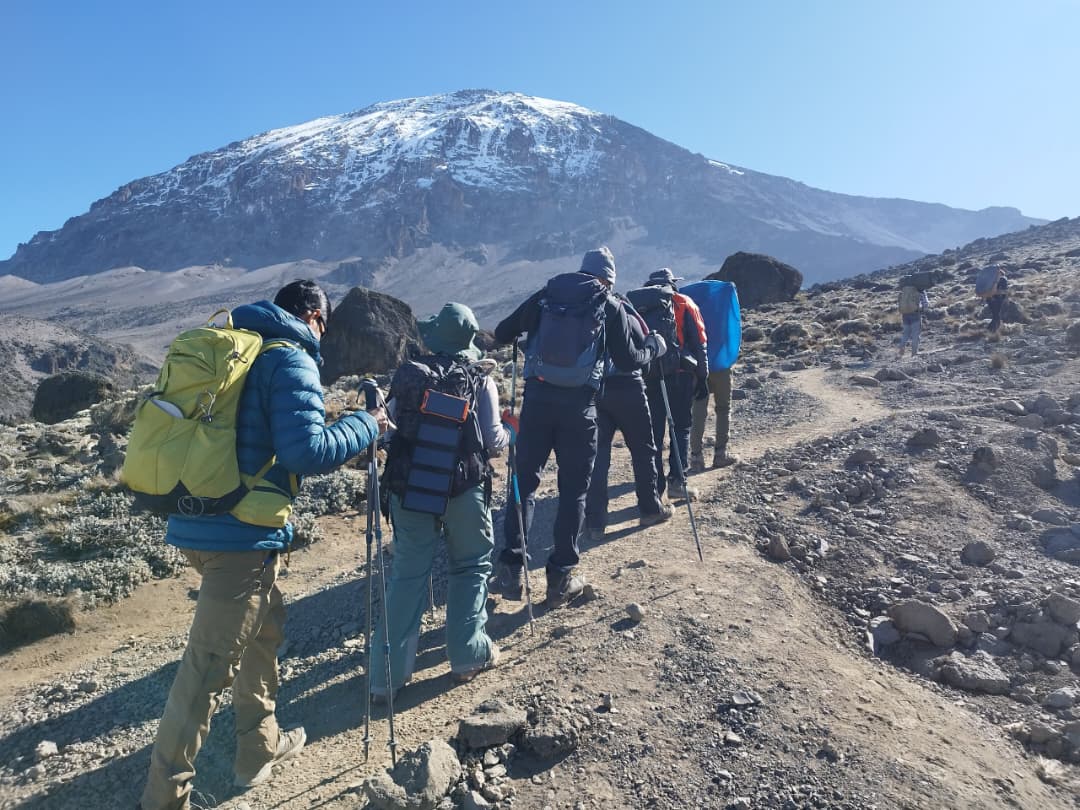
Despite being in a "tropical" region, Kilimanjaro’s extreme elevation produces arctic-like weather at the top. Hikers should be prepared for all conditions—sun, rain, wind, fog, and snow—on any given day.
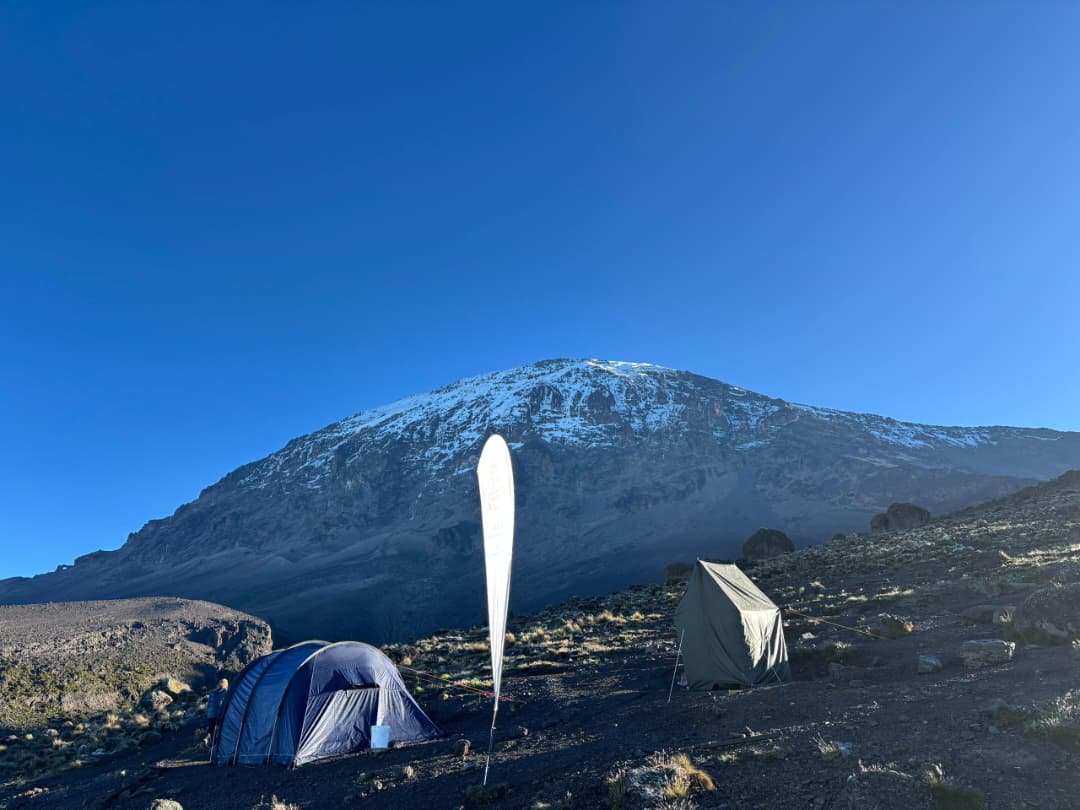
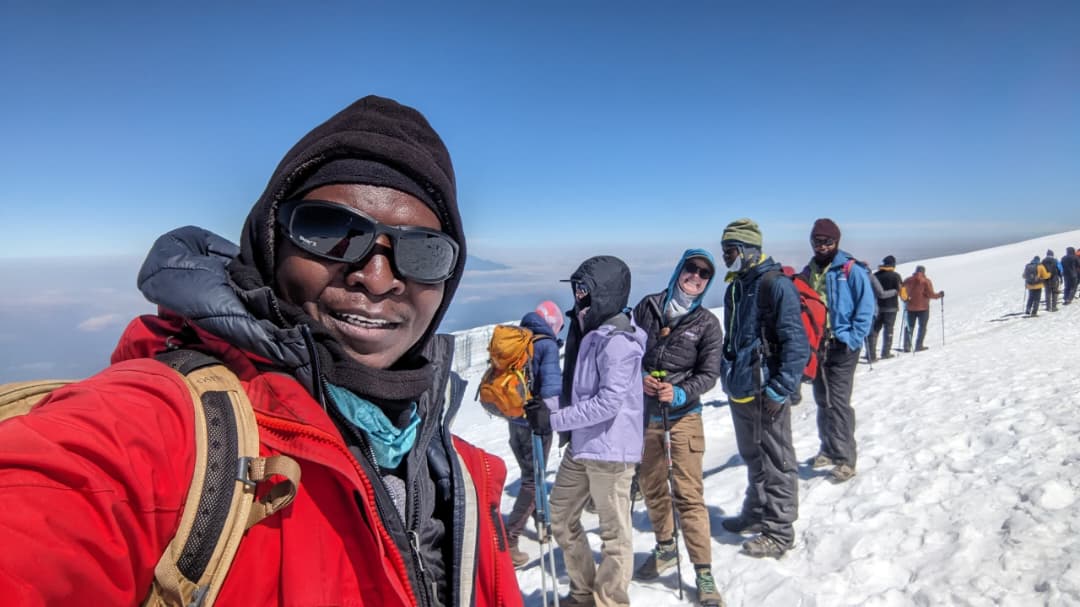
Yes, it does snow on Mount Kilimanjaro, especially at higher altitudes near the summit. Snowfall is most common during the long rainy season (March–May) when southeasterly trade winds bring moist air from the Indian Ocean. As this moisture ascends the mountain’s slopes, it cools and condenses into snow, particularly above 16,000 feet.
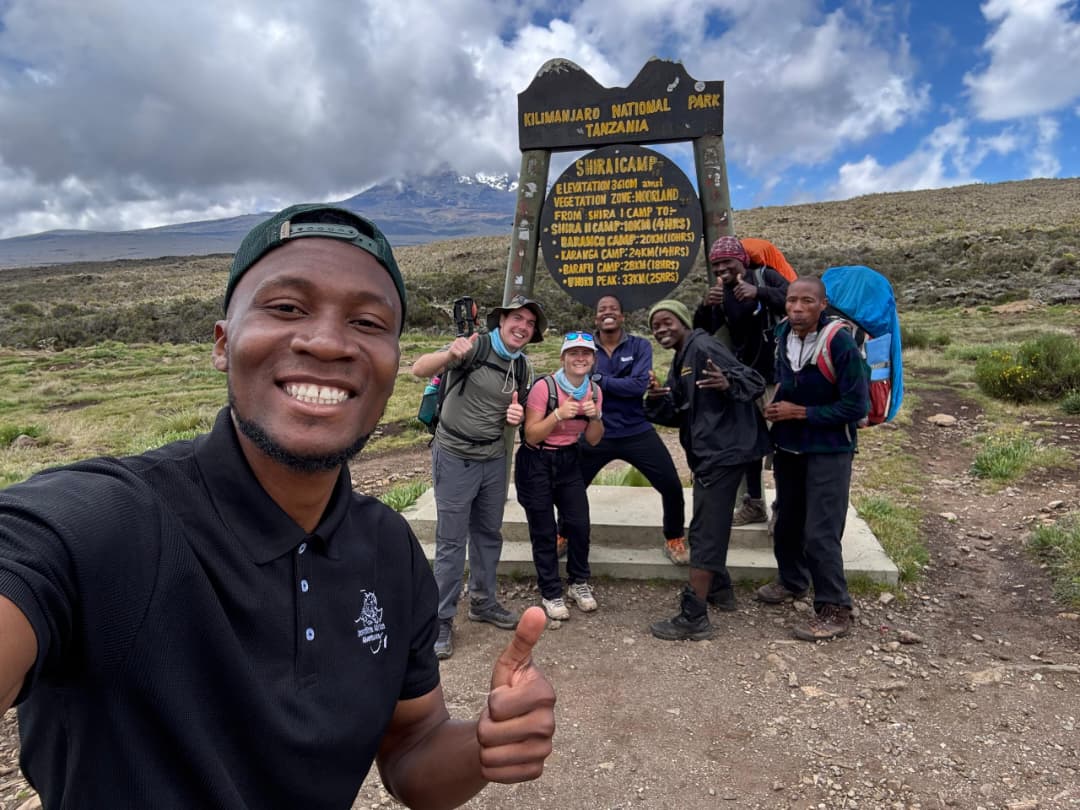
One of the most fascinating aspects of a Mount Kilimanjaro trek is passing through five different climate zones as you ascend. Here’s what to expect:
Altitude: 2,600–6,000 ft (800–1,800 m)
Precipitation: 20–70 in (500–1,800 mm)
Lush farmland and villages dominate this zone. You’ll briefly pass through here en route to the trailhead.
Altitude: 6,000–9,200 ft (1,800–2,800 m)
Precipitation: 40–79 in (1,000–2,000 mm)
This dense, tropical forest absorbs most of the mountain’s moisture. Expect high humidity, mist, and muddy trails. Rain is frequent here, especially during the wet seasons.
Altitude: 9,200–13,200 ft (2,800–4,000 m)
Precipitation: 21–51 in (530–1,300 mm)
Open landscapes with giant heathers and wildflowers replace the rainforest. Days are sunny, but nights are cold. Wind exposure increases here.
Altitude: 13,200–16,500 ft (4,000–5,000 m)
Precipitation: 10 in (250 mm)
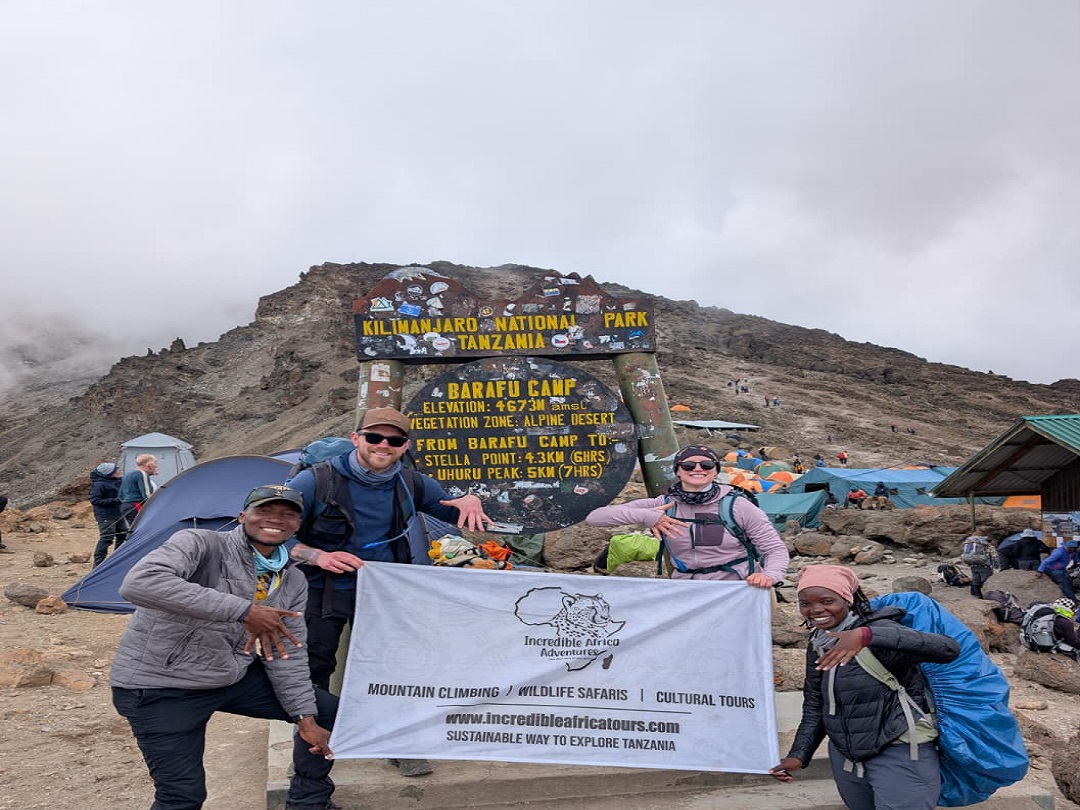
This dry and rocky zone features sparse vegetation and big temperature swings between day and night. The air is thinner and windier, and hikers often camp above the clouds.
Altitude: 16,500 ft+ (5,000 m+)
Precipitation: 4 in (100 mm) – mostly snow
Extreme cold, glacial ice, and harsh winds define the summit zone. Oxygen levels are around 50% lower than at sea level, making this zone physically demanding and mentally challenging.
This is one of the most popular times for Mount Kilimanjaro climbing. Skies are clear, rainfall is minimal, and visibility is excellent. However, it’s colder—especially at night. Ideal for those seeking stable conditions.
Rainfall increases, particularly on the northern slopes. While some experienced trekkers still climb, we generally recommend avoiding these months if you want to stay dry.
This is another prime time for Mount Kilimanjaro hiking. Weather is relatively dry, and temperatures are slightly warmer than in the long dry season. Ideal for photography and clearer summit views.
Heavy rains and snow make trails slippery and hazardous. Most tour operators, including Incredible Africa Adventures, do not recommend climbing during this time. Visibility is reduced and summit success rates are lower.
Most summit attempts begin at midnight, aiming to reach Uhuru Peak by sunrise. Expect extreme cold, icy paths, and possibly snowstorms. However, early morning is the best time for clear skies and breathtaking panoramic views across the Tanzania mountains and distant plains.
Nighttime summit temperatures can be as low as -29°C (-20°F). Wind chill, oxygen deprivation, and steep terrain make this the most challenging part of the trek. Proper layering and cold-weather gear are essential for safety and comfort.
Mount Kilimanjaro treks require thoughtful preparation. Here's how to stay safe and comfortable in all weather conditions:
The weather on Mount Kilimanjaro is as diverse and unpredictable as the mountain itself. From humid forests to snow-capped peaks, every step of your Kilimanjaro hiking journey offers a unique climate and experience.
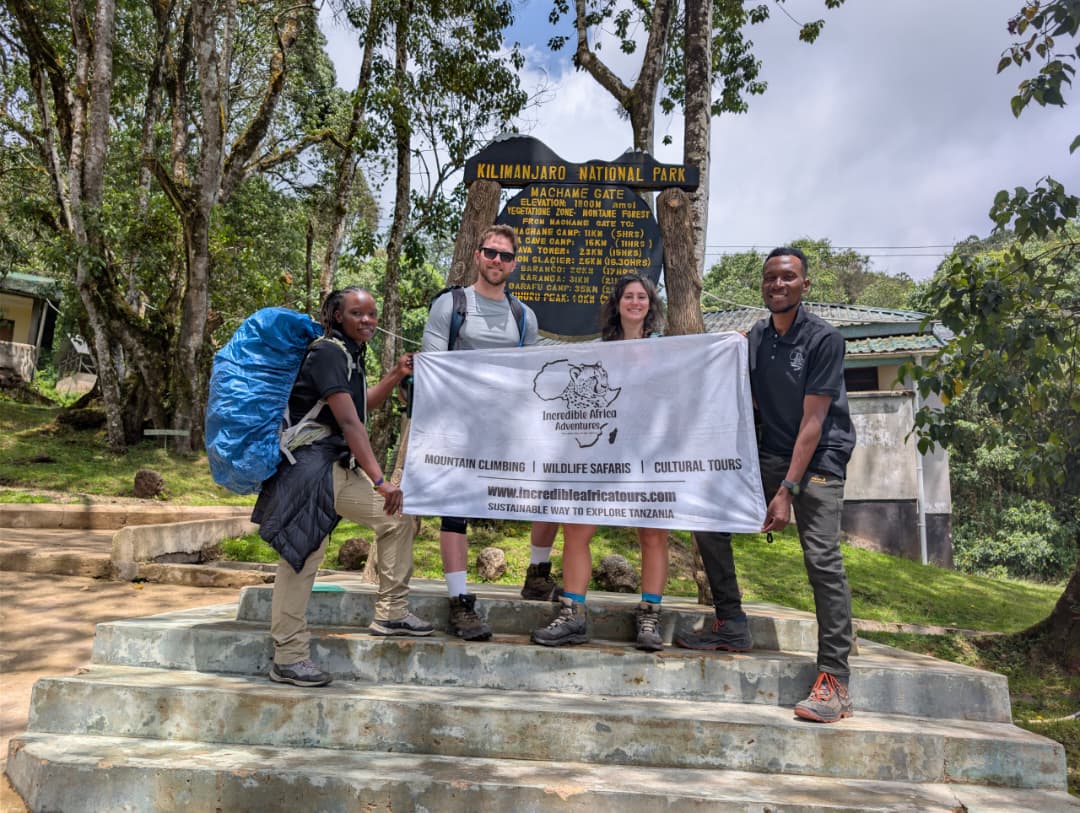
At Incredible Africa Adventures, we specialize in ethical, sustainable, and expertly guided Kilimanjaro treks. Our experienced team ensures that you're prepared for every weather scenario—making your climb not only successful but unforgettable.
Let us guide you to the Roof of Africa, through sun, mist, wind, and snow—safely, confidently, and with memories to last a lifetime. Ready to climb? Contact Incredible Africa Adventures today to book your Mount Kilimanjaro climbing adventure and get expert advice tailored to your desired travel month and comfort level.
Drop us a line. Our tour experts will answer all your questions shortly