Climbing Mount Kilimanjaro, Africa’s highest mountain at 5,895 meters (19,341 feet), is one of the most extraordinary trekking adventures in the world. Each year thousands of travelers journey to Tanzania with one dream in mind, reaching Uhuru Peak, the highest point on the African continent.
While the Kilimanjaro climb is achievable for many trekkers, reaching the summit requires preparation, determination, and the right guiding team. One of the most common questions climbers ask when planning their expedition is: What is the Kilimanjaro summit success rate?
The answer depends on several factors including the route you choose, the number of days on the mountain, acclimatization, fitness level, and the experience of your guiding company.
At Incredible Africa Adventures, our mission is to give every climber the best possible chance of reaching the summit safely and confidently. This guide explains the real success rates on Kilimanjaro and how you can maximize your chances of standing proudly on the Roof of Africa.
The overall summit success rate on Mount Kilimanjaro varies widely across the mountain. On average, studies from Kilimanjaro National Park suggest that approximately 65% to 75% of climbers successfully reach Uhuru Peak.
However, this number can increase significantly depending on how the climb is planned. Climbers who choose longer routes with proper acclimatization schedules often achieve success rates of 85% to 95%.
The most important factors affecting summit success include:
When these elements are carefully managed, the chances of reaching the summit improve dramatically.
Different Kilimanjaro routes offer varying levels of difficulty and acclimatization opportunities. Some routes ascend quickly, while others follow gradual paths that give the body more time to adjust to altitude.
Below are approximate summit success rates for the most common Kilimanjaro routes.
| Route | Duration | Success Rate | Difficulty Level |
| Marangu Route | 5 - 6 Days | 60 - 70% | Moderate (short duration) |
| Machame Route | 6 - 7 Days | 80 - 90% | Moderate to challenging |
| Lemosho Route | 7 - 9 Days | 90 - 95% | Longer gradual ascent |
| Rongai Route | 6 - 7 Days | 70 - 80% | Moderate, scenic route |
| Northern Circuit Route | 9 - 10 Days | 90 - 95% | Easiest due to best acclimatization |
| Umbwe Route | 5 - 7 Days | 40 - 60% | Steep and Challenging (Experienced climber) |
Routes with longer itineraries and gradual elevation gain typically offer the highest summit success rates because they allow the body to acclimatize properly.
Altitude acclimatization is the single most important factor influencing summit success on Mount Kilimanjaro. As climbers ascend above 3,000/4000 meters, oxygen levels decrease significantly, making it more difficult for the body to function normally.
Routes that include extra days for acclimatization, such as the Lemosho Route or Northern Circuit, allow the body to adapt gradually to the changing altitude. This greatly increases the chances of reaching the summit safely.
Climbing Kilimanjaro does not require technical mountaineering skills, but good physical fitness and preparation plays an important role in the journey.
Climbers should be prepared for:
Endurance training, hiking practice, and cardiovascular exercise in the months leading up to the climb help improve stamina and confidence.
Selecting the right Kilimanjaro route can make a significant difference in summit success.
Shorter routes such as Marangu or Umbwe often have lower success rates because climbers ascend too quickly. Longer routes such as Lemosho, Machame, and the Northern Circuit allow for better altitude adaptation and provide a higher probability of reaching the summit.
For most climbers, choosing a route with seven or more days on the mountain dramatically improves the chances of success.
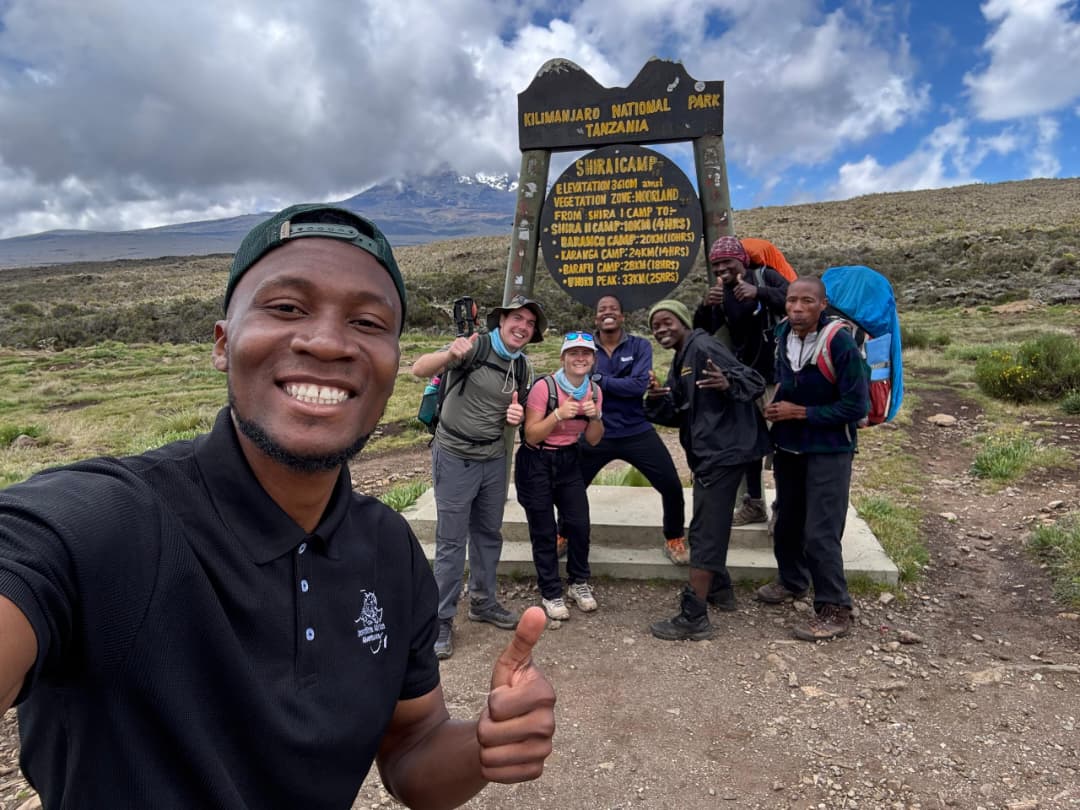
An experienced guiding team plays a crucial role in helping climbers reach the summit. Professional guides understand how to monitor altitude adaptation, maintain a safe pace, and respond quickly to any health concerns.
At Incredible Africa Adventures, our guides conduct daily health checks and ensure climbers follow the famous Kilimanjaro trekking pace known as “pole pole,” meaning slowly, slowly. This steady rhythm helps the body acclimatize and conserve energy for summit night.
Preparing carefully for your Kilimanjaro climb greatly increases your chances of reaching Uhuru Peak. While every climber’s journey is unique, several key strategies consistently lead to higher success rates.
Choose a longer route whenever possible. Routes such as Lemosho or the Northern Circuit allow the body to adapt more effectively to altitude, giving climbers a stronger chance of reaching the summit.
Begin training several months before your expedition. Regular hiking, endurance exercises, and strength training help prepare your body for the physical demands of the climb.
Hydration and nutrition also play a major role during the trek. Climbers are encouraged to drink three to four liters of water per day and maintain a steady intake of energy-rich meals.
Most importantly, maintain a slow and steady pace throughout the climb. Walking too quickly is one of the most common reasons climbers experience altitude problems.
At Incredible Africa Adventures, summit success is not just about reaching the top — it is about doing so safely, responsibly, and enjoyably.
Our Kilimanjaro expeditions are designed with climber safety and acclimatization as the highest priorities. We provide carefully planned itineraries, experienced guides, and high-quality equipment to support every stage of the journey.
Our safety and success systems include:
By focusing on safety, pacing, and proper acclimatization, we help climbers achieve their dream of reaching the summit.
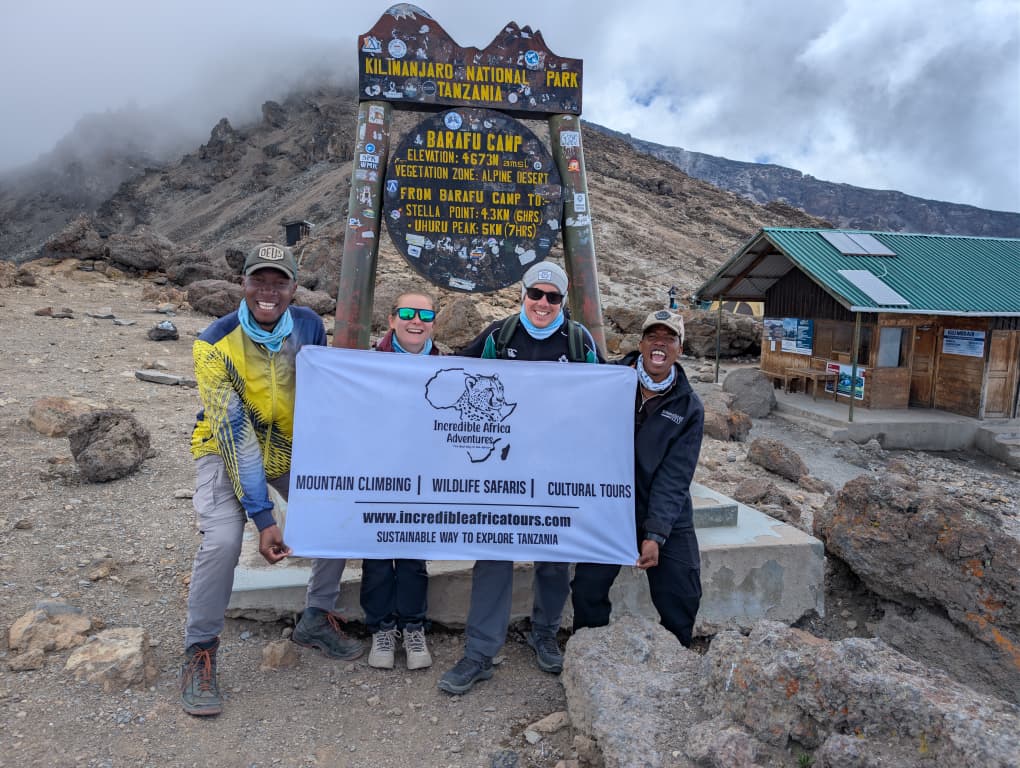
Climbers from around the world have trusted Incredible Africa Adventures to guide them safely to the top of Mount Kilimanjaro.
Many describe the experience as life-changing — not only because of the breathtaking landscapes and personal challenge, but also because of the support and encouragement provided by the guiding team.
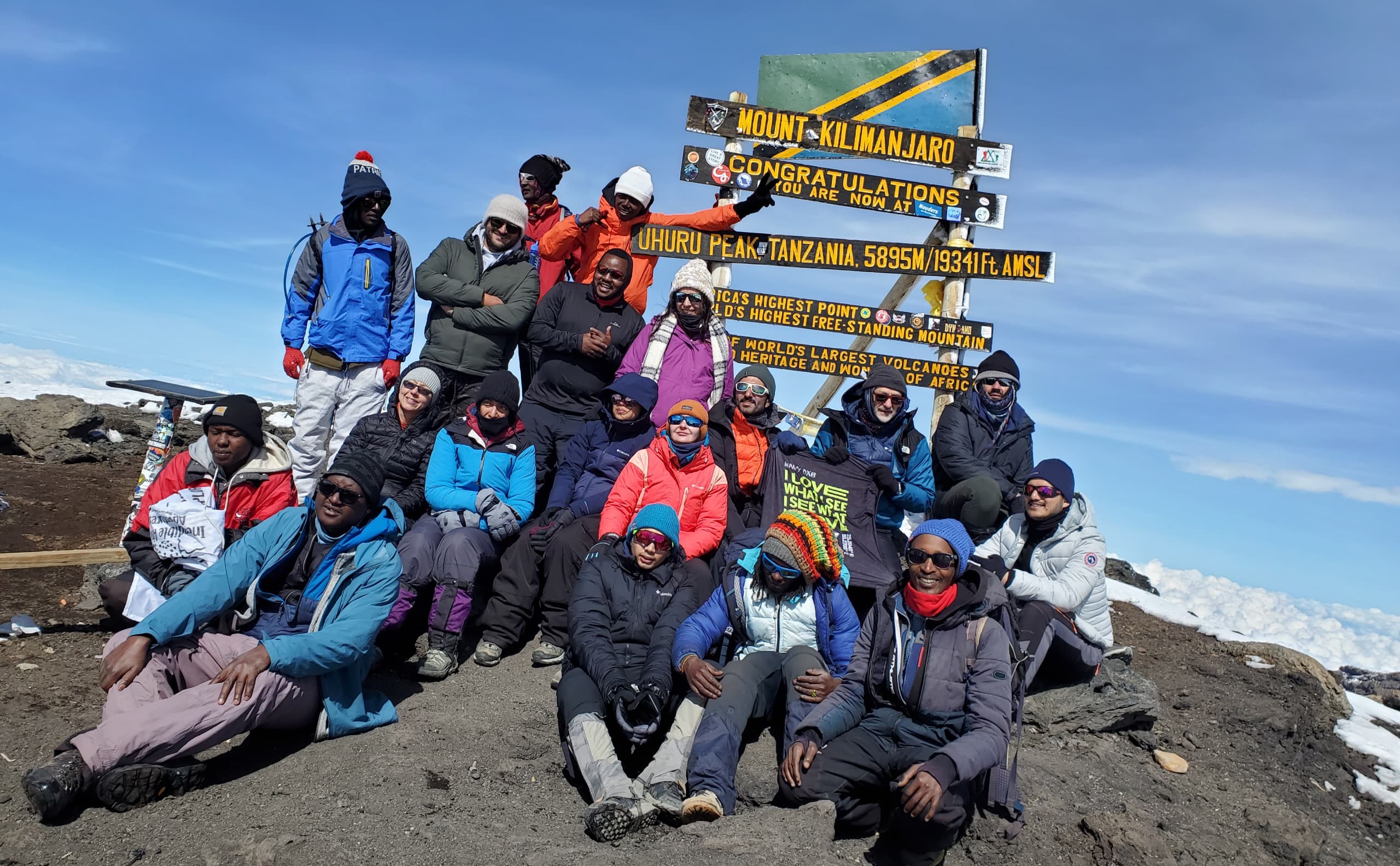
For many travelers, standing on Uhuru Peak at sunrise becomes one of the most powerful moments of their entire lives.
“I couldn’t have made it without the expertise and support of the Incredible Africa Adventures team. They made the journey safe, enjoyable, and unforgettable!” – Sarah, USA
“The guides were amazing! Their knowledge, patience, and encouragement kept us going. Reaching the summit was the most incredible moment of my life.” – James, UK
Reaching the summit of Mount Kilimanjaro is not simply about determination, it is about strategy, preparation, and choosing the right approach. While many climbers focus only on the physical challenge, experienced mountain guides understand that summit success depends on several carefully balanced factors.
At Incredible Africa Adventures, we guide climbers using a proven strategy that maximizes safety, acclimatization, and overall summit success.
One of the most effective ways to improve your summit success rate is to select a route that allows more time for acclimatization. Routes such as the Lemosho Route, Machame Route (7 days), and Northern Circuit Route provide a gradual ascent profile that allows the body to adjust to the altitude naturally.
Longer routes may require more time on the mountain, but they dramatically increase your chances of reaching Uhuru Peak safely.
On Kilimanjaro, speed is not an advantage. The Swahili phrase “pole pole,” meaning “slowly, slowly,” is the golden rule of successful climbing. Walking at a steady, relaxed pace allows the body to adapt to lower oxygen levels while conserving energy for the summit push.
Although Kilimanjaro does not require technical climbing skills, good endurance greatly improves the experience. Training should focus on long hikes, stair climbing, and cardiovascular exercises that simulate the demands of multiple trekking days. Even moderate preparation can make a significant difference in both comfort and summit success.
Hydration is essential for high-altitude trekking. Climbers are encouraged to drink three to four liters of water daily to help the body adapt to altitude and prevent dehydration. Nutritious meals rich in carbohydrates and proteins also help maintain energy levels during the climb.
Experienced Kilimanjaro guides are trained to monitor altitude symptoms and adjust the pace of the climb accordingly. Listening to their advice about rest, hydration, and pacing is one of the most important factors in reaching the summit safely.
The overall success rate is estimated to be 65–75%, but climbers who choose longer routes with proper acclimatization often achieve success rates above 90%.
The Northern Circuit and Lemosho routes typically have the highest success rates because they offer gradual elevation gain and excellent acclimatization opportunities.
Kilimanjaro is physically demanding but technically simple compared to many mountains. The primary challenge is altitude rather than climbing difficulty.
Choose a longer route, train before your climb, stay hydrated, walk slowly, and climb with experienced guides.
Reaching the summit of Mount Kilimanjaro is an unforgettable achievement that combines adventure, determination, and breathtaking natural beauty. With the right preparation and the right guiding team, your journey to the Roof of Africa becomes both safe and rewarding.
At Incredible Africa Adventures, we are proud to guide climbers from around the world on one of the greatest trekking adventures on Earth. If you are ready to begin your Kilimanjaro journey, our experienced team is here to help you plan every step of your climb, from choosing the best route to celebrating your summit success.
Drop us a line. Our tour experts will answer all your questions shortly