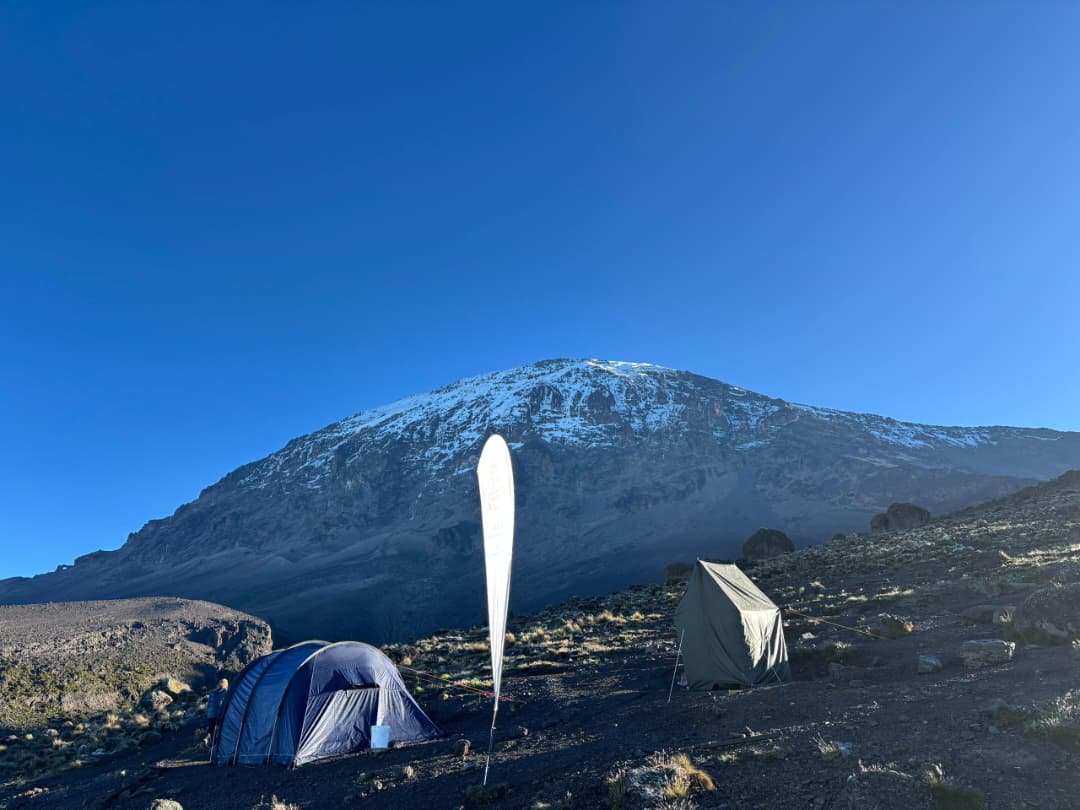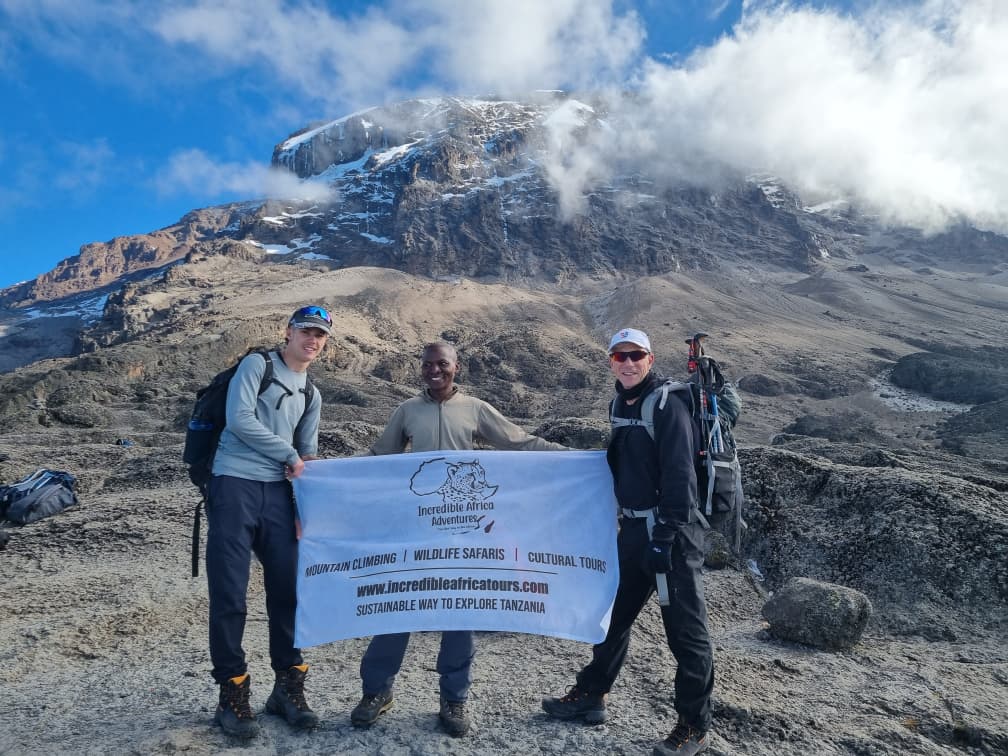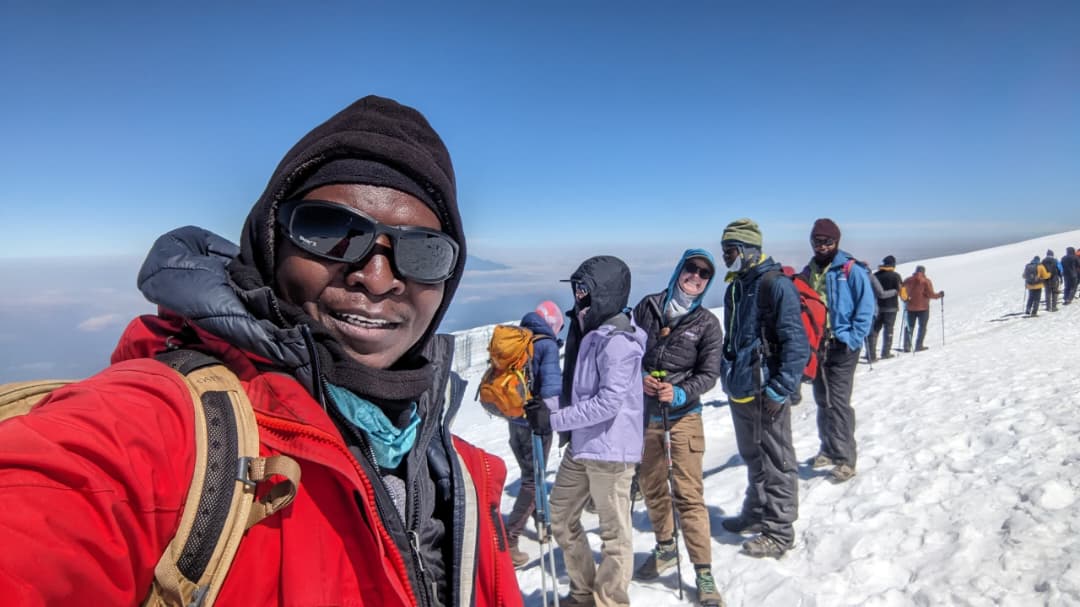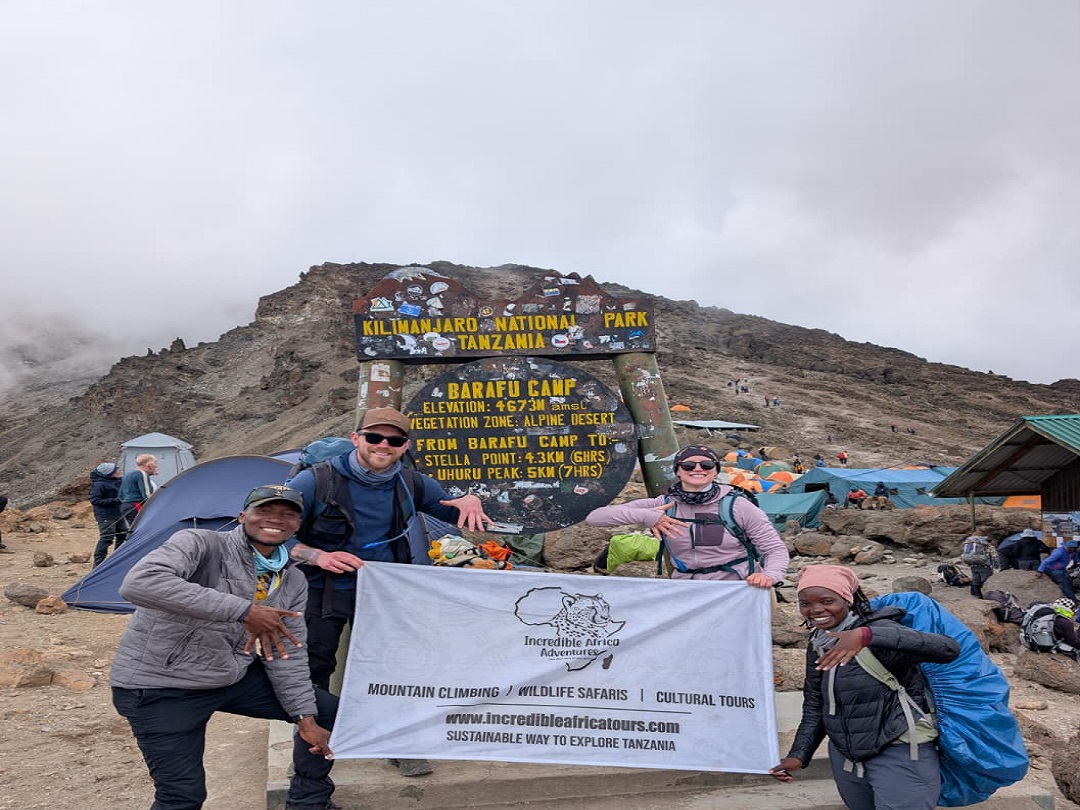
Climbing Mount Kilimanjaro is one of the most sought-after trekking adventures in the world. Rising to 5,895 meters (19,341 feet) above sea level, Mount Kilimanjaro is the highest mountain in Africa and the tallest free-standing mountain on Earth. Every year, thousands of travelers from around the globe arrive in Tanzania with the dream of reaching Uhuru Peak and standing on the Roof of Africa.
Unlike many famous mountains that require technical mountaineering skills, climbing Kilimanjaro is primarily a high-altitude trek. This often leads travelers to ask an important question: Can you climb Mount Kilimanjaro without a guide?
The answer is simple and clear: No. Climbing Mount Kilimanjaro without a licensed guide is illegal under Tanzanian law. Every climber must be accompanied by certified mountain guides operating through a registered and licensed tour operator. Whether you are an experienced mountaineer, a solo traveler, or a first-time trekker, the regulations apply equally to everyone.
These rules are designed to protect climbers, preserve the mountain’s fragile environment, and support local communities whose livelihoods depend on mountain tourism. Understanding these requirements before planning your climb is essential to ensuring a safe, legal, and successful adventure.
In this guide, we explain everything you need to know about climbing Kilimanjaro with a guide, including legal requirements, safety considerations, penalties for unauthorized climbing, and why choosing an experienced local operator such as Incredible Africa Adventures can significantly improve your overall experience and summit success.
No. It is illegal to climb Mount Kilimanjaro without a licensed guide.
Since 1991, the Tanzanian government has required all visitors entering Kilimanjaro National Park for trekking purposes to be accompanied by certified mountain personnel operating through a licensed tour company. Independent trekking, unsupported expeditions, and self-guided climbs are not permitted on any official route.
Unlike some hiking destinations around the world where trekkers can obtain permits independently, Kilimanjaro follows a regulated tourism model. All climbing permits are issued through authorized operators, and visitors must be registered before they are allowed to enter the park.
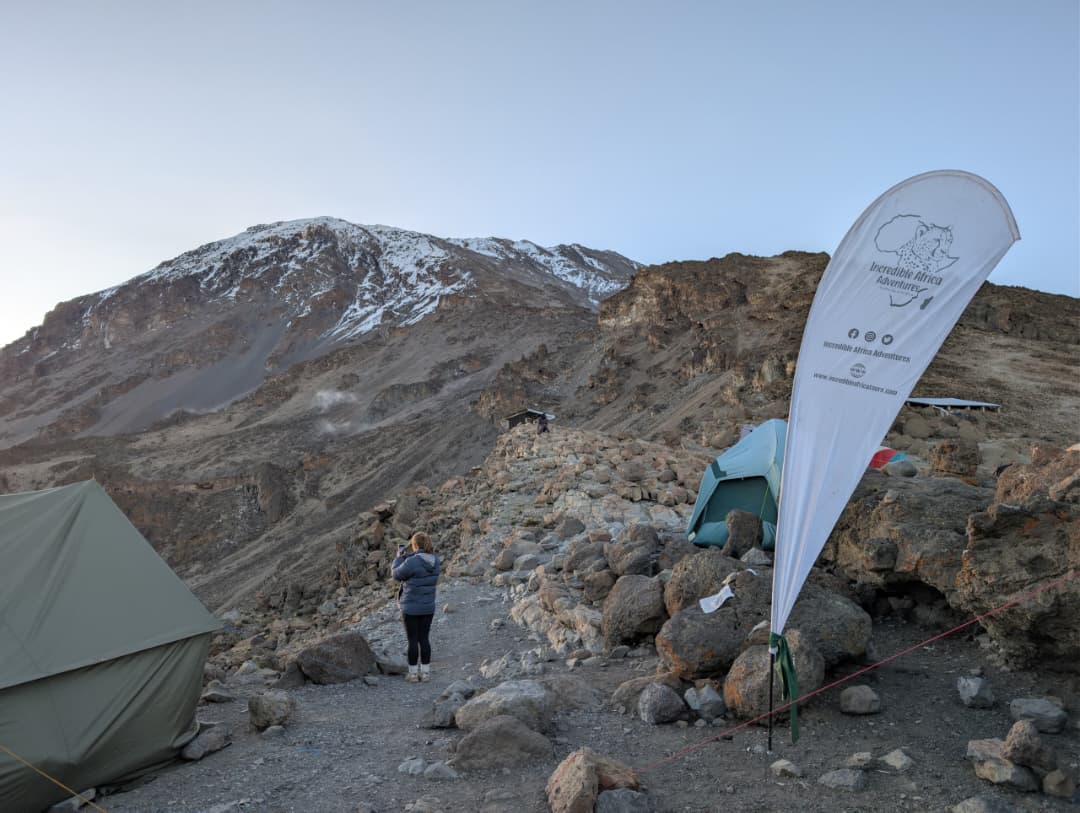
At every park gate, climbers are checked alongside their guides and support crews. Rangers verify permits, inspect registrations, and monitor movement throughout the mountain. Campsites and checkpoints are regularly inspected to ensure compliance with park regulations. This system helps maintain high safety standards while protecting one of Africa’s most important natural landmarks.
Many travelers assume guides are required primarily for navigation. While route guidance is important, the reasons extend far beyond simply showing climbers the way to the summit.
Mount Kilimanjaro presents unique challenges that can affect even the most experienced hikers. Altitude sickness remains the single biggest obstacle to reaching the summit. Every year, strong and physically fit climbers fail to reach Uhuru Peak because their bodies struggle to adapt to the decreasing oxygen levels found at high altitude.
Professional guides are trained to monitor climbers throughout the trek. They assess symptoms, manage acclimatization schedules, encourage hydration, and respond to emergencies when necessary. Their expertise can make the difference between a successful summit and an early descent.
The guide requirement also helps protect Kilimanjaro’s environment. The mountain contains several ecological zones ranging from rainforest and heathland to alpine desert and arctic summit landscapes. Guides help ensure that visitors remain on designated trails, use approved campsites, and follow responsible tourism practices.
In addition, mountain tourism supports thousands of Tanzanian families through employment opportunities for guides, porters, cooks, drivers, and accommodation providers. The regulations help ensure that tourism benefits local communities while preserving the mountain for future generations.
Attempting to climb Mount Kilimanjaro without a licensed guide can lead to serious consequences.
Park authorities actively monitor all routes and conduct inspections throughout the mountain. Individuals found attempting unauthorized climbs may be removed from the park immediately and face further penalties depending on the circumstances.
Potential consequences include:
Because Kilimanjaro is a protected national park and UNESCO World Heritage Site, authorities take violations seriously and actively enforce regulations.
Unauthorized climbing can result in significant financial consequences.
Travelers found violating park regulations may face fines and lose any fees already paid. Considering the investment involved in flights, accommodation, equipment, and travel planning, attempting to bypass regulations rarely makes financial sense.
Booking through a reputable local operator remains the safest and most cost-effective option for experiencing the mountain legally and responsibly.
One of the most overlooked consequences of unauthorized climbing is the potential impact on travel insurance coverage.
Most insurance providers require travelers to comply with local laws and regulations. If an accident occurs during an illegal activity, insurance companies may refuse claims related to medical treatment, rescue operations, helicopter evacuations, or trip interruption.
Because high-altitude environments present genuine medical risks, maintaining valid insurance coverage is extremely important. Climbing through a licensed operator helps ensure that your expedition remains compliant and fully covered.
Many experienced climbers are surprised to learn that their previous mountaineering achievements do not exempt them from Kilimanjaro regulations.
Even if you have climbed major peaks in the Alps, Himalayas, Andes, Rockies, or elsewhere, Tanzanian law still requires you to climb Kilimanjaro with licensed guides. Experience level does not change the legal requirements.
In reality, most experienced climbers recognize the value of local guides. Mountain conditions, weather patterns, altitude adaptation, emergency procedures, and route logistics are highly specific to Kilimanjaro. Local knowledge often improves both safety and enjoyment.
The goal of the regulations is not to restrict adventure but to ensure that all visitors experience the mountain responsibly and safely.
Yes, but not independently. Many travelers asking whether they can climb Kilimanjaro without a guide are actually looking for a private experience rather than a self-guided climb.
Private Kilimanjaro climbs are fully legal and very popular. Solo travelers can book their own guide and support crew while enjoying a flexible itinerary tailored to their needs.
A private climb allows you to move at your own pace, enjoy more personalized attention, and customize your schedule while remaining fully compliant with Tanzanian regulations.
For photographers, charity fundraisers, experienced trekkers, and travelers seeking a more personal experience, private climbs often provide the perfect balance between independence and professional support.
Although Kilimanjaro is considered a trekking mountain, it should never be underestimated.
The greatest challenge is altitude. As climbers ascend, oxygen levels decrease significantly. Symptoms of Acute Mountain Sickness (AMS) can develop quickly and affect anyone regardless of age or fitness level.
Without professional supervision, climbers may fail to recognize early warning signs. Severe altitude illnesses such as High Altitude Pulmonary Edema (HAPE) and High Altitude Cerebral Edema (HACE) require immediate action and can become life-threatening if ignored.
Professional guides conduct daily health assessments, monitor oxygen saturation levels, and make critical decisions regarding acclimatization and descent when necessary. Their training and experience significantly improve safety throughout the expedition.
Many first-time climbers assume that a guide's primary responsibility is simply to lead the way to the summit. In reality, professional mountain guides perform a wide range of critical duties that directly influence both safety and success on Mount Kilimanjaro.
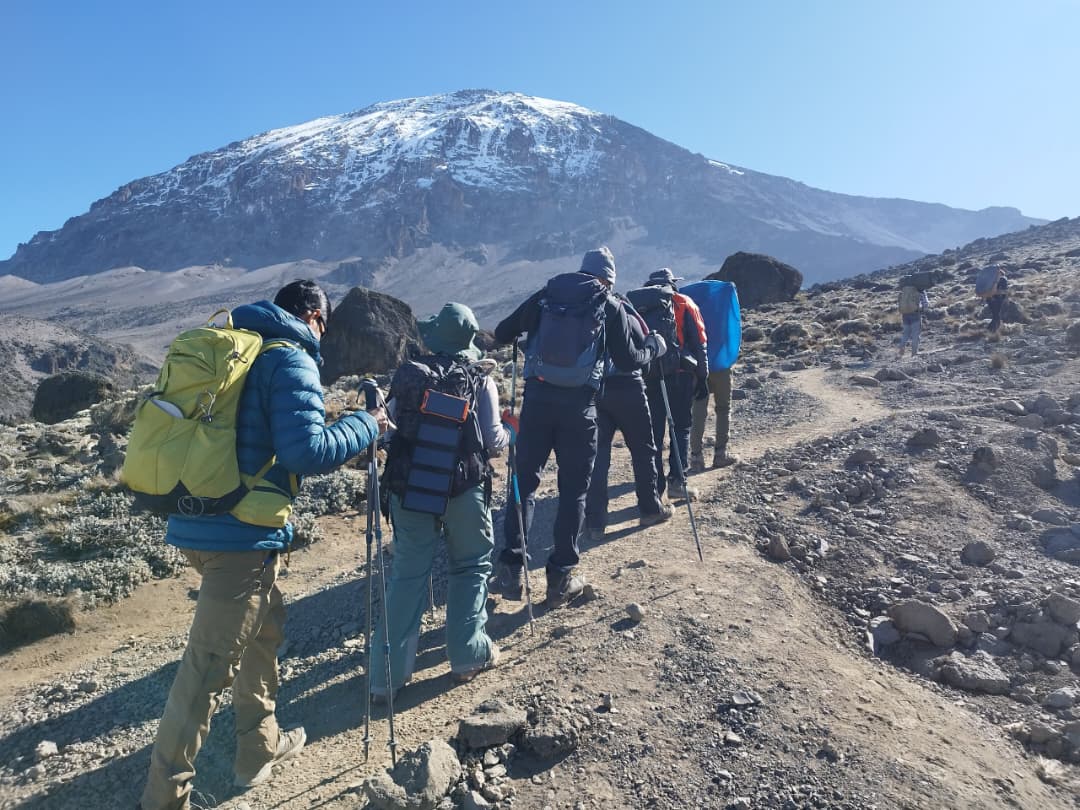
From the moment your climb begins, guides monitor your pace, assess your physical condition, and manage the daily trekking schedule. They understand how altitude affects the body and know how to balance progress with proper acclimatization. Their experience allows them to identify potential problems long before they become serious.
Guides also provide valuable information about the mountain’s history, geology, ecosystems, and local culture. As you move through Kilimanjaro’s distinct ecological zones, they help you understand the remarkable landscapes surrounding you, making the journey far more meaningful than simply walking from one campsite to another.
During summit night, guides become especially important. They provide motivation, monitor climbers closely, adjust pace when necessary, and help trekkers overcome the mental and physical challenges associated with reaching nearly 6,000 meters above sea level.
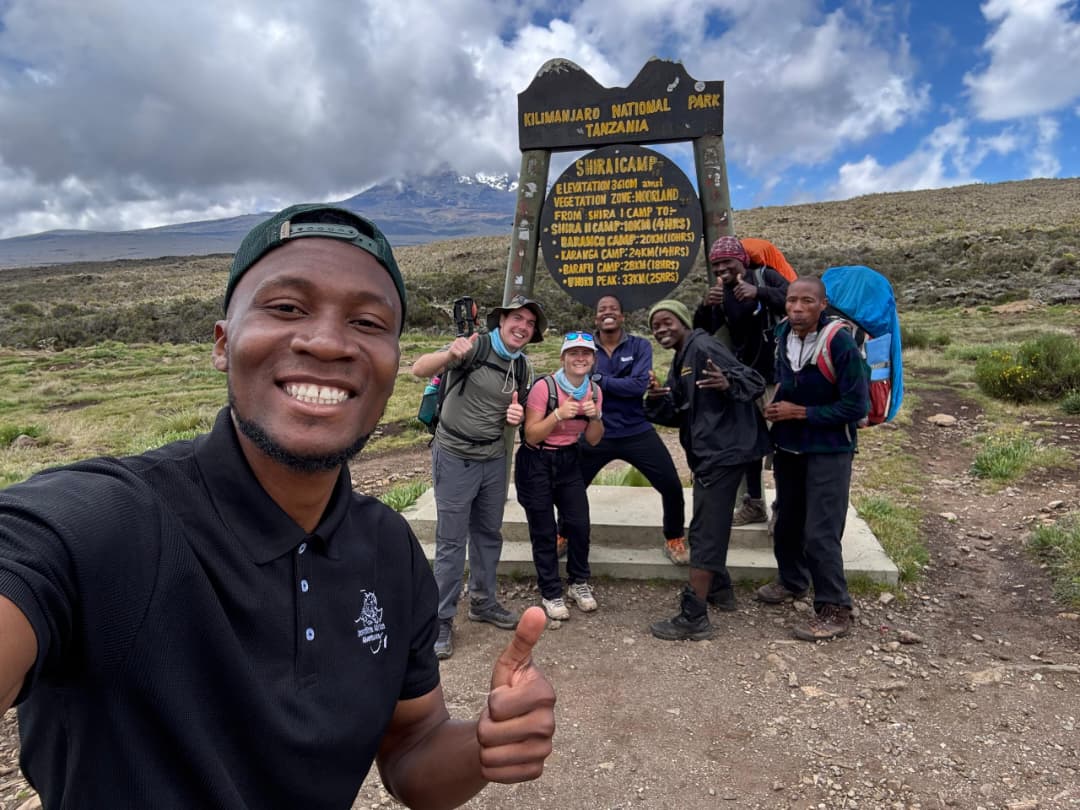
In addition to guides, every expedition is supported by an experienced mountain crew that may include assistant guides, cooks, and porters. Together, they create a safe and comfortable environment that allows climbers to focus on the experience rather than logistics.
One of the biggest advantages of climbing with experienced guides is the dramatic improvement in summit success rates.
Contrary to popular belief, reaching Uhuru Peak is not primarily about strength or athletic ability. The greatest challenge on Kilimanjaro is altitude adaptation. Many physically fit individuals fail to reach the summit because they ascend too quickly or do not acclimatize properly.
Professional guides understand how to manage altitude effectively. They encourage climbers to follow the famous Kilimanjaro principle of "pole pole," which means "slowly, slowly" in Swahili. This slower pace allows the body more time to adjust naturally to reduced oxygen levels.
Guides also monitor hydration, nutrition, sleep quality, and overall health throughout the climb. Regular health checks help identify early symptoms of altitude sickness, allowing adjustments to be made before serious problems develop.
The combination of experience, medical awareness, and local knowledge significantly increases the chances of a successful summit. This is one of the main reasons why climbers who choose reputable operators generally achieve higher success rates than those attempting less organized expeditions.
Choosing the right route is one of the most important decisions when planning a Kilimanjaro adventure. Each route offers unique scenery, different acclimatization opportunities, and varying levels of difficulty.
The Lemosho Route is widely considered one of the best routes on Mount Kilimanjaro. Beginning on the remote western side of the mountain, it offers exceptional scenery, excellent acclimatization, and relatively quiet trails during the early stages of the climb.
The route typically takes seven to eight days, providing climbers with ample time to adapt to altitude. This contributes to some of the highest summit success rates on Kilimanjaro. Trekkers experience rainforest, moorland, alpine desert, and glacier-covered summit landscapes while enjoying some of the mountain’s most spectacular views.
For many travelers, the Lemosho Route represents the perfect balance between adventure, comfort, and summit success.
The Machame Route is one of the most popular Kilimanjaro routes and is often referred to as the "Whiskey Route." Known for its dramatic scenery and excellent acclimatization profile, it provides an exciting and rewarding trekking experience.
Highlights include the famous Barranco Wall, panoramic mountain views, and varied terrain that showcases Kilimanjaro’s diverse landscapes. While slightly more challenging than some alternatives, the route consistently delivers strong summit success rates, particularly on seven-day itineraries.
For adventurous trekkers seeking both challenge and beauty, Machame remains an outstanding choice.
The Northern Circuit Route is the longest route on Mount Kilimanjaro and offers some of the highest summit success rates available.
By spending eight to nine days on the mountain, climbers benefit from exceptional acclimatization opportunities. The route circles the quieter northern slopes of Kilimanjaro, providing remote wilderness experiences and breathtaking scenery rarely seen by climbers on shorter routes.
Travelers with sufficient time often choose the Northern Circuit because it combines solitude, spectacular landscapes, and excellent chances of reaching Uhuru Peak successfully.
Approaching the mountain from the northern side near the Kenyan border, the Rongai Route offers a quieter alternative to the more heavily traveled southern routes.
Because the northern side receives less rainfall, Rongai is often recommended during wetter months. The route provides beautiful wilderness scenery and a peaceful atmosphere that appeals to climbers seeking fewer crowds.
When completed over seven days, Rongai offers a good balance between acclimatization and adventure.
The Marangu Route is famous for being the only Kilimanjaro route that offers hut accommodation rather than camping.
This feature makes it attractive to travelers who prefer sleeping indoors. Although often marketed as the easiest route, its shorter duration can reduce acclimatization opportunities. For this reason, the six-day itinerary is strongly recommended over the shorter five-day option.
Marangu remains a popular choice for climbers who value convenience and traditional mountain hut accommodations.
When planning a Kilimanjaro climb, travelers often choose between booking directly with a local Tanzanian operator or using an overseas travel agency. While both options may ultimately lead to the same mountain, there are important advantages to working directly with a local company.
Local operators possess firsthand knowledge of mountain conditions, weather patterns, route logistics, and current park regulations. Communication is often more direct, allowing travelers to receive accurate information and personalized support throughout the planning process.
Booking directly with a local operator also ensures that more of your travel investment remains within Tanzania. This supports local employment, community development, and responsible tourism initiatives while providing better overall value.
Perhaps most importantly, local companies have direct control over their guides, support crews, equipment, and operational standards. This allows them to maintain consistent quality and respond quickly to any issues that may arise.
For travelers seeking authentic experiences and expert local knowledge, working with a reputable Tanzanian operator often provides significant advantages.
Travelers considering Mount Meru should know that similar regulations apply there as well.
Located within Arusha National Park, Mount Meru is Tanzania’s second-highest mountain and one of East Africa’s most underrated trekking destinations. Like Kilimanjaro, climbers are required to use licensed guides.
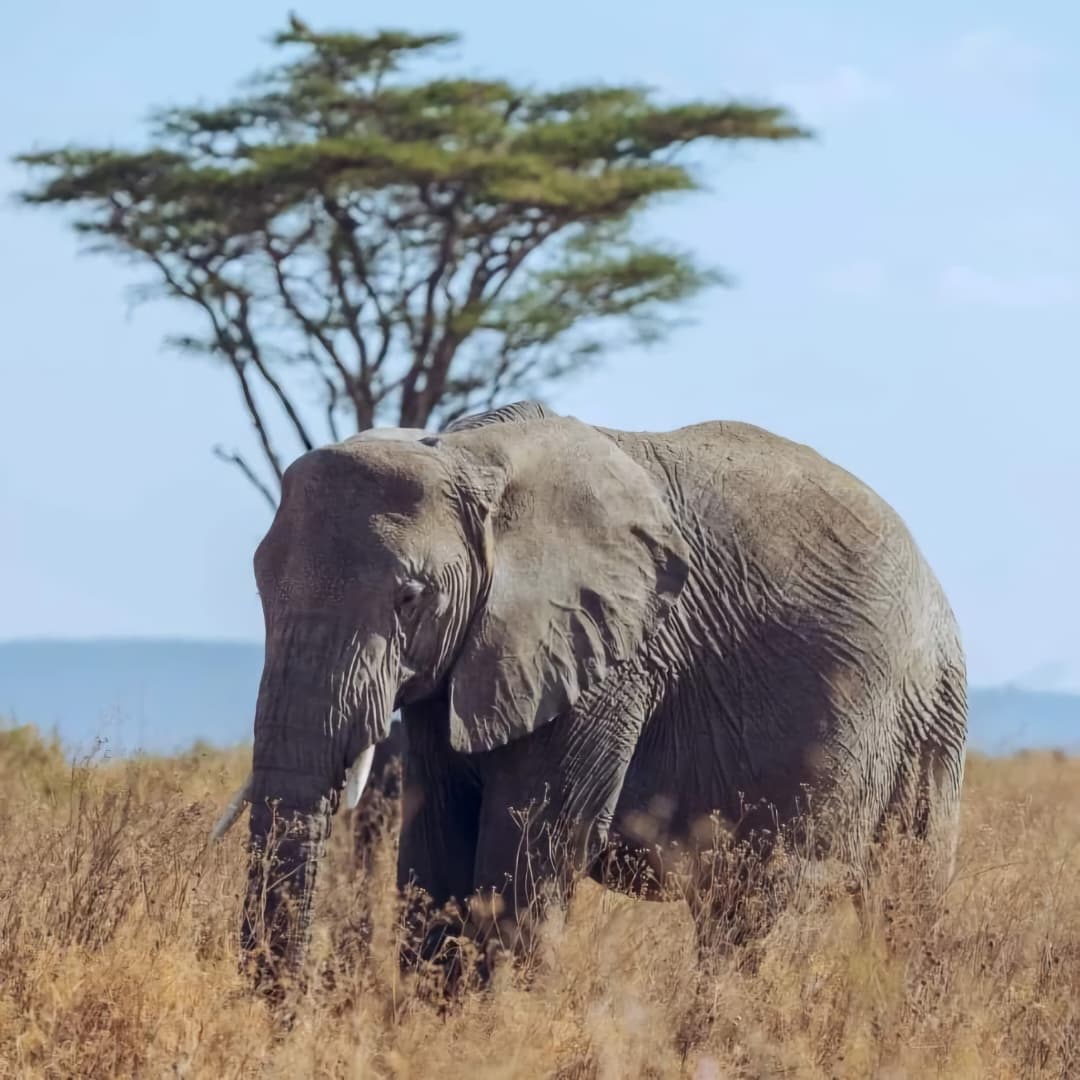
In addition, all trekking groups on Mount Meru are accompanied by armed park rangers because the lower slopes are home to wildlife such as buffaloes, giraffes, zebras, elephants, and antelope.
Many climbers choose Mount Meru as a preparation trek before Kilimanjaro because it offers excellent acclimatization and a unique wilderness experience.
Choosing the right tour operator is one of the most important decisions when planning a Kilimanjaro expedition.
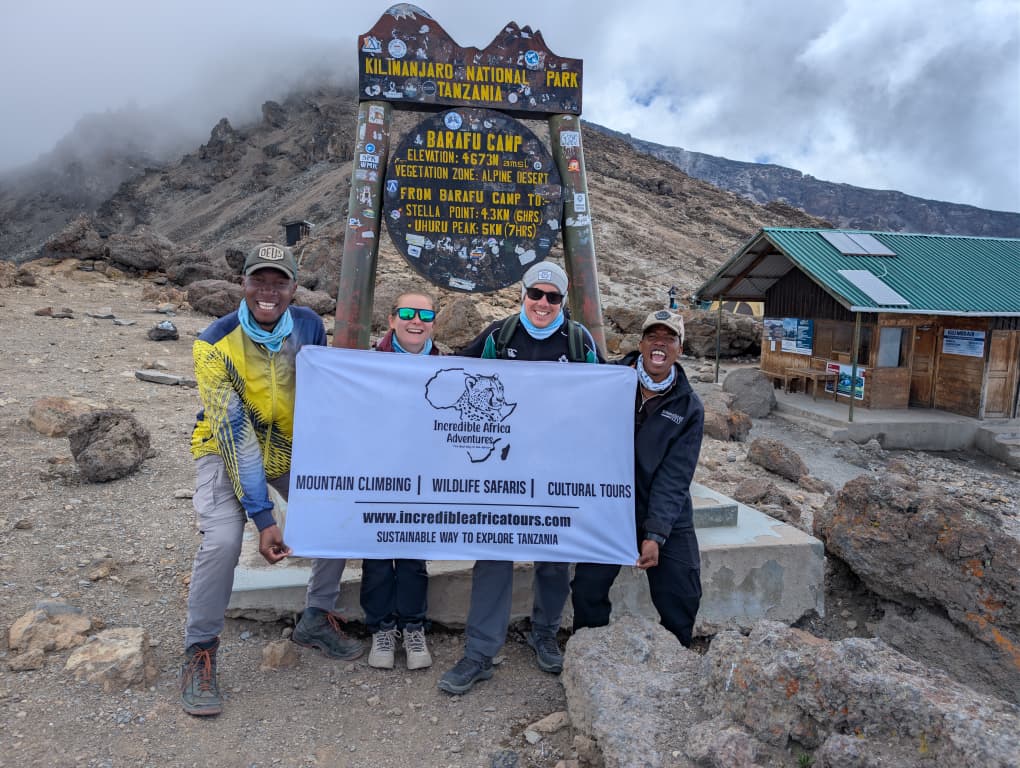
At Incredible Africa Adventures, we specialize in professionally guided and ethical Mount Kilimanjaro climbs, Mount Meru treks, Tanzania safaris, and Zanzibar holidays. As a locally owned Tanzanian company, we combine deep local expertise with international service standards to create unforgettable travel experiences.
Our experienced mountain guides prioritize safety, acclimatization, and personalized support throughout every climb. We believe that successful expeditions are built on careful planning, responsible tourism practices, and genuine hospitality.
When you climb with Incredible Africa Adventures, you benefit from:
Our goal is not simply to help you reach the summit but to ensure that every moment of your journey becomes part of a truly life-changing adventure.
No. Tanzanian regulations require all climbers to be accompanied by a licensed guide operating through a registered tour company.
Guides improve safety, support environmental conservation, and help create sustainable employment opportunities for local communities.
You can book a private climb with your own guide and support crew, but independent self-guided climbs are not permitted.
Unauthorized climbers may face removal from the park, financial penalties, legal complications, and invalid travel insurance coverage.
Many insurance policies require travelers to comply with local laws and regulations. Unauthorized climbs may invalidate coverage.
The Northern Circuit Route generally offers some of the highest summit success rates due to its extended acclimatization profile.
The Lemosho Route is widely regarded as the most scenic route because of its diverse landscapes and spectacular views.
Yes. Regardless of experience level, all climbers must comply with Tanzanian regulations and use licensed guides.
Yes. Mount Meru requires both a licensed mountain guide and an armed park ranger.
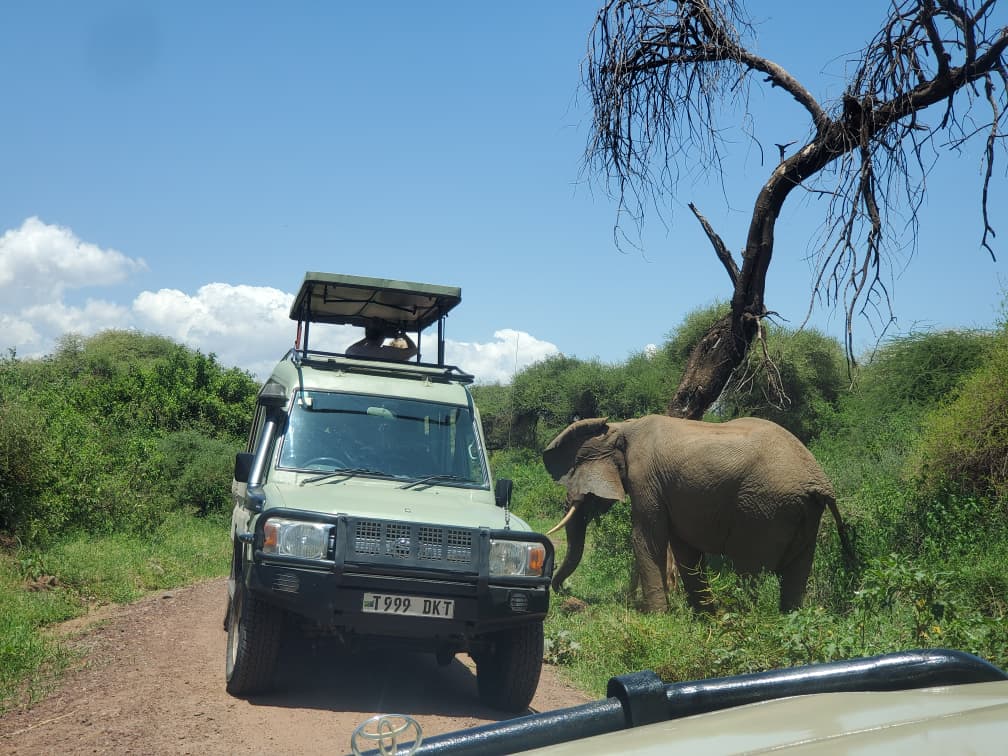
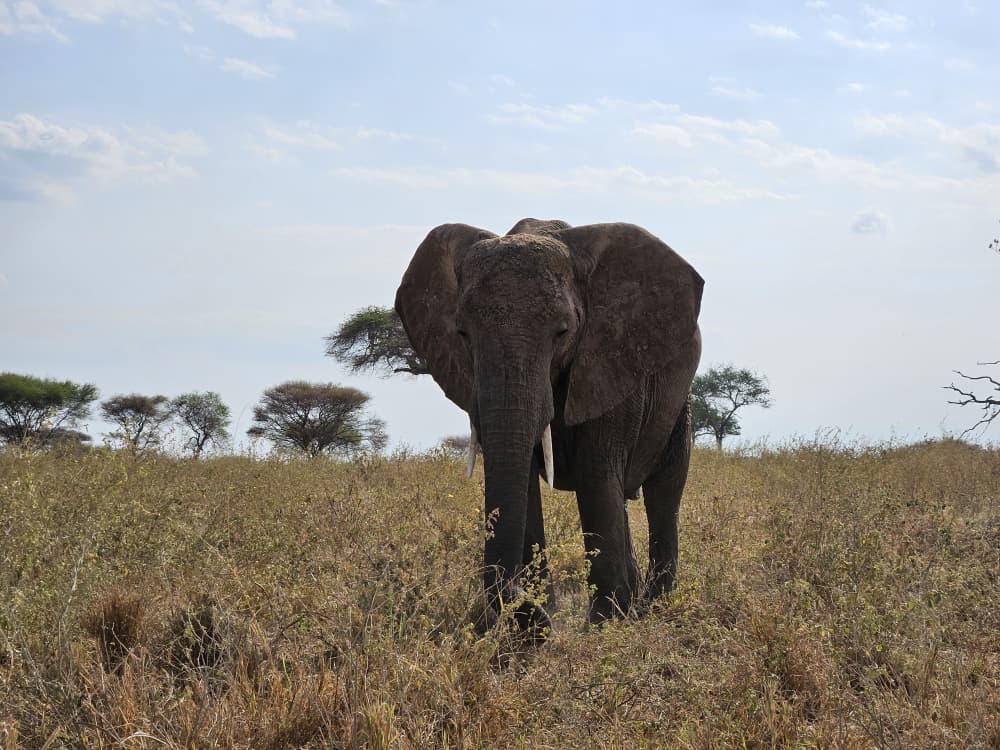
Absolutely. Many travelers celebrate their summit achievement with a safari in Serengeti National Park, Ngorongoro Crater, Tarangire National Park, or Lake Manyara before relaxing on the beaches of Zanzibar.
Climbing Mount Kilimanjaro is one of the world's greatest trekking adventures, but it is also a journey that requires preparation, professional guidance, and respect for local regulations.
By choosing a trusted local operator such as Incredible Africa Adventures, you benefit from experienced mountain guides, strong safety standards, ethical tourism practices, and authentic local expertise. Whether you are planning your first Kilimanjaro climb, a Mount Meru trek, or a complete Tanzania adventure that combines mountains, wildlife, and beaches, our team is ready to help you achieve your goals safely and successfully.
Your journey to the Roof of Africa starts here. Contact Incredible Africa Adventures today and let us help you plan the adventure of a lifetime.
Drop us a line. Our tour experts will answer all your questions shortly