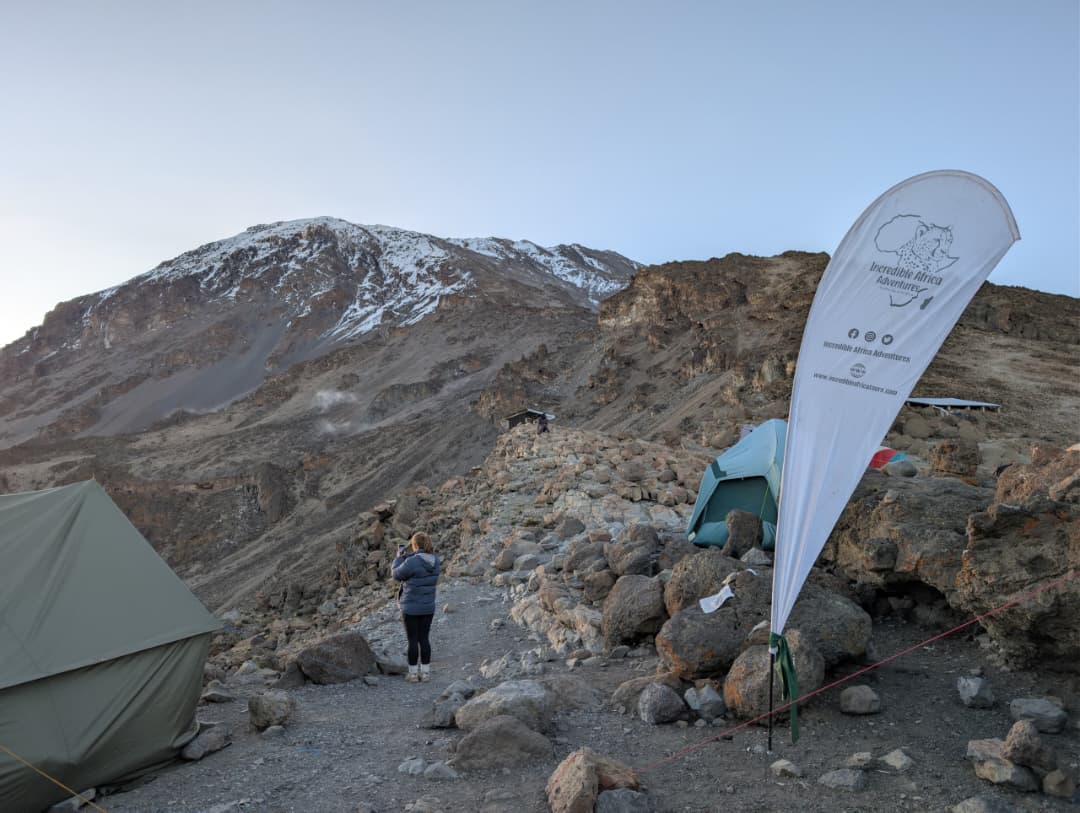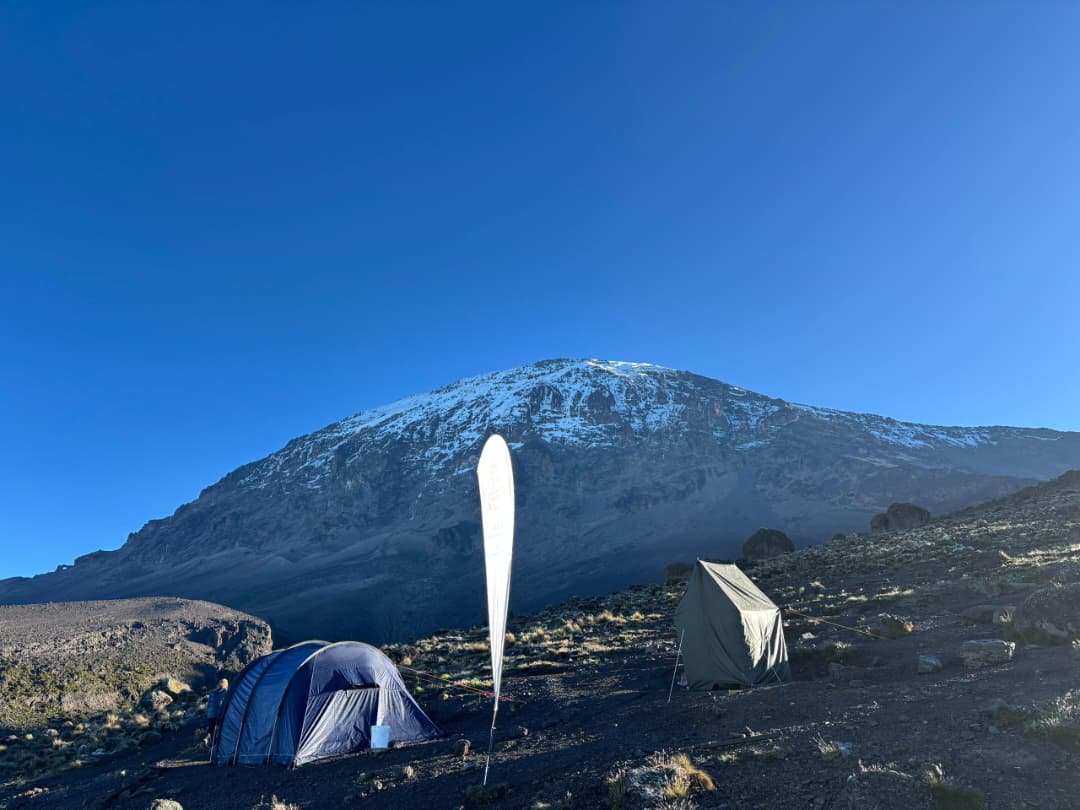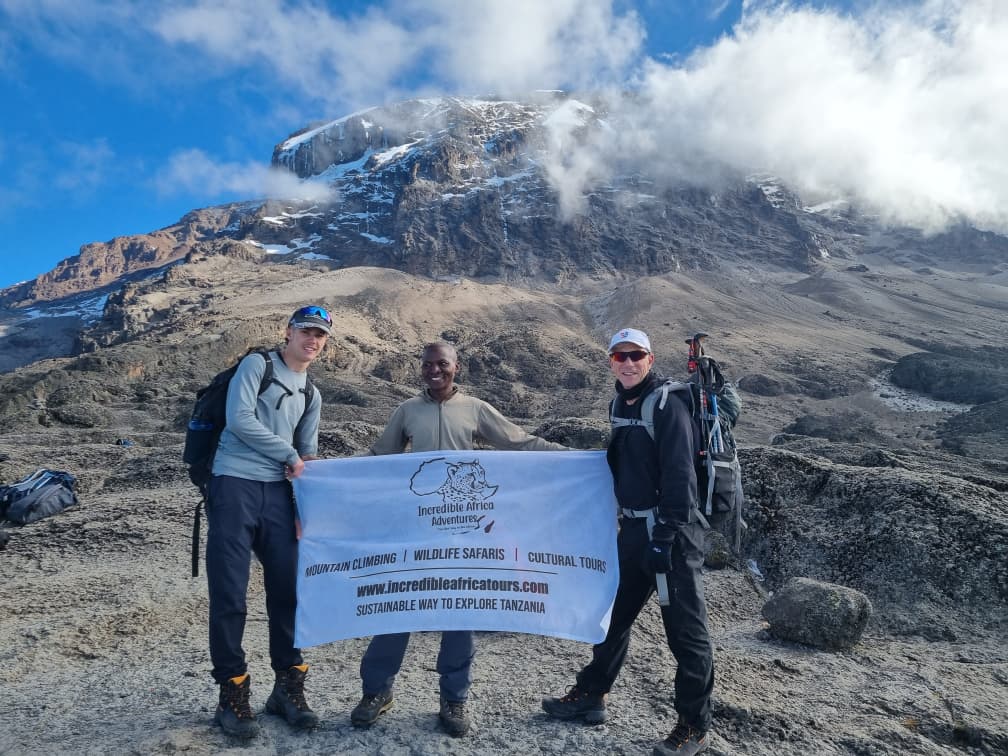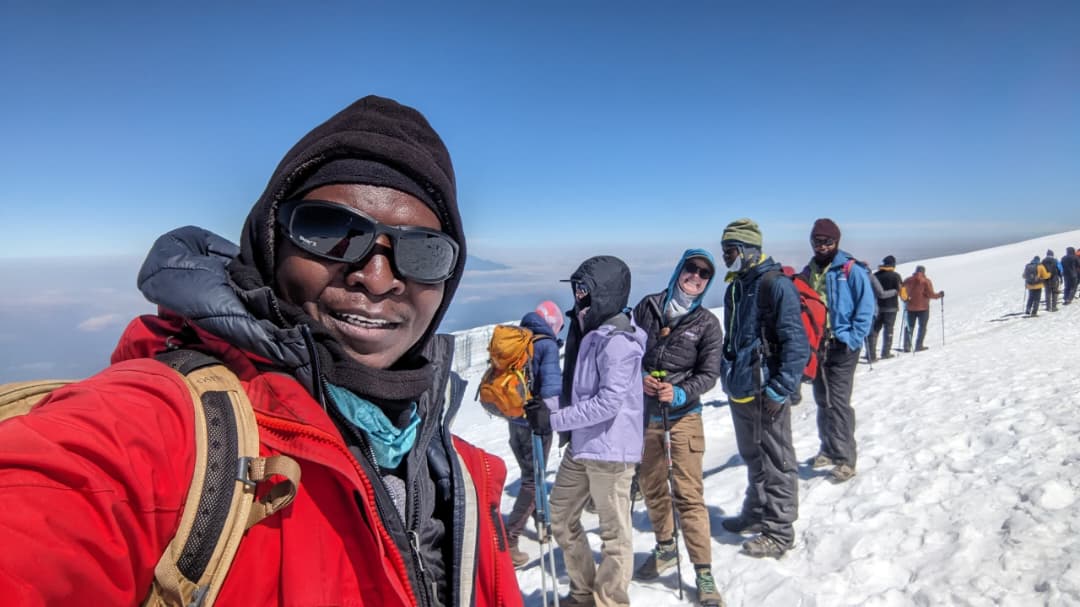
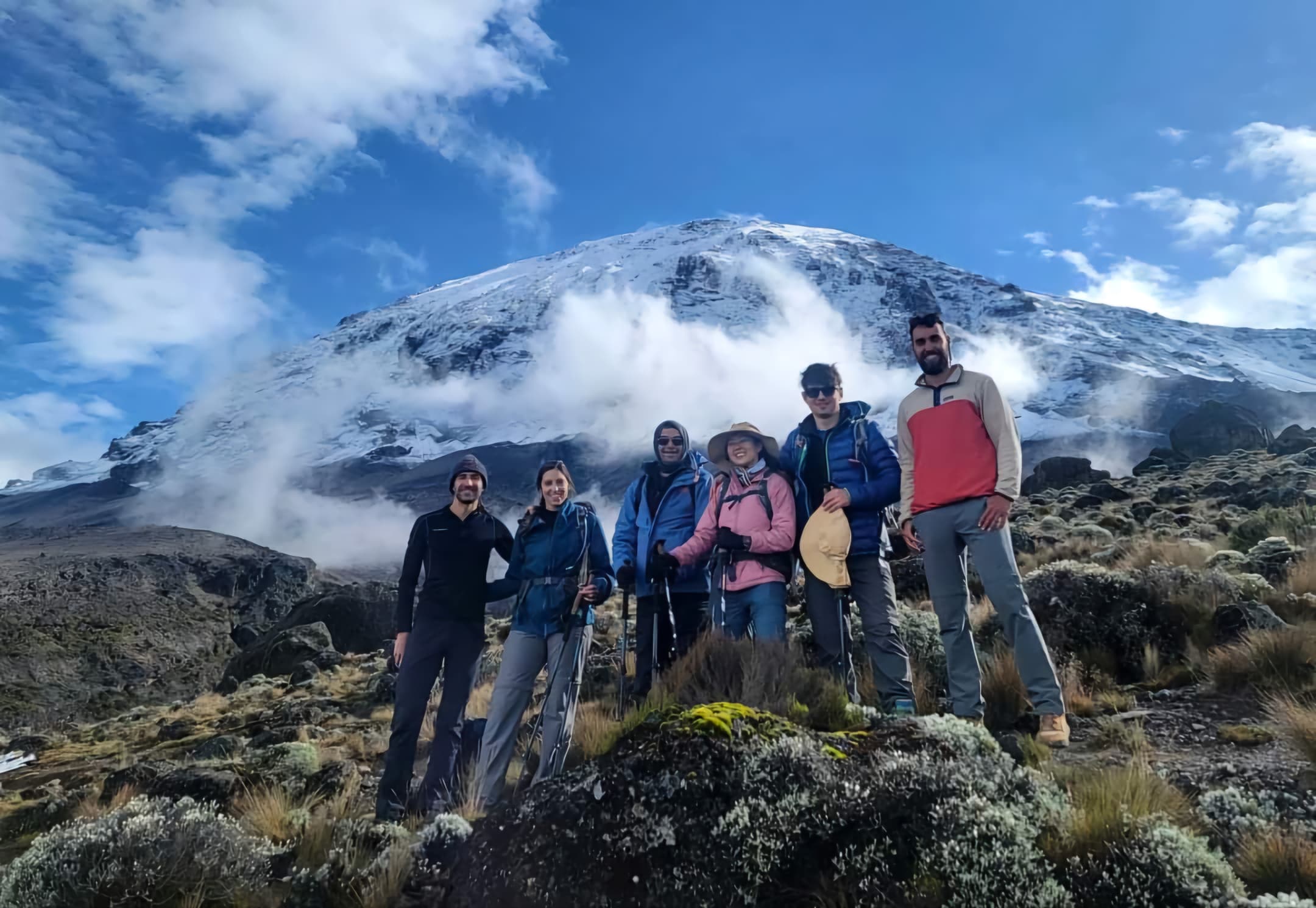
Climbing Mount Kilimanjaro is one of the most inspiring adventures a traveler can experience. Rising to 5,895 meters (19,341 feet) above sea level, Mount Kilimanjaro is the tallest mountain in Africa and the highest free-standing mountain in the world. Every year thousands of climbers travel to Tanzania to attempt the journey to Uhuru Peak, the legendary summit known as the Roof of Africa.
For beginners, the idea of climbing such a famous mountain may feel intimidating. However, Kilimanjaro is considered a non-technical trekking peak, meaning climbers do not need mountaineering skills such as ropes, ice axes, or rock climbing experience. With the right preparation, a supportive guide team, and proper acclimatization, many first-time trekkers successfully reach the summit.
This beginner’s guide explains everything you need to know before climbing Mount Kilimanjaro, including choosing the best route, preparing physically, managing altitude, and selecting a reputable tour operator.
Climbing Mount Kilimanjaro is considered a moderately challenging high-altitude trek, but it is achievable for beginners with proper preparation. Unlike many famous mountains, Kilimanjaro does not require technical climbing skills such as ropes or mountaineering equipment.
The main challenge is the high altitude, as the summit reaches 5,895 meters (19,341 feet) above sea level where oxygen levels are significantly lower. With the right training, a slow climbing pace, good acclimatization, and support from experienced guides, many first-time climbers successfully reach the summit each year.
Most Mount Kilimanjaro climbs take 5 to 9 days, depending on the route chosen and the acclimatization schedule. Shorter routes like the Marangu Route can take around five to six days, while longer routes such as the Lemosho Route or Northern Circuit may take seven to nine days.
Longer climbs allow better altitude acclimatization and significantly increase the chances of reaching the summit successfully.
Yes, beginners can absolutely climb Mount Kilimanjaro. Unlike many famous mountains, Kilimanjaro does not require technical climbing skills. The biggest challenge is not the terrain but the high altitude.
As climbers ascend the mountain, oxygen levels decrease significantly. This is why proper acclimatization, pacing, and guidance from experienced mountain guides are essential.
Many climbers who successfully reach the summit are first-time trekkers who prepare properly and choose routes that allow enough time for altitude adjustment.
Mount Kilimanjaro offers several routes to the summit, each with unique scenery, difficulty levels, and acclimatization profiles. Choosing the right route can significantly improve your chances of reaching the summit.
The Marangu Route, often called the “Coca-Cola Route,” is one of the most well-known Kilimanjaro routes. It is the only route that offers hut accommodation instead of camping. This makes it appealing for beginners who prefer a more structured trekking environment. However, because the route is shorter, acclimatization can be more challenging.
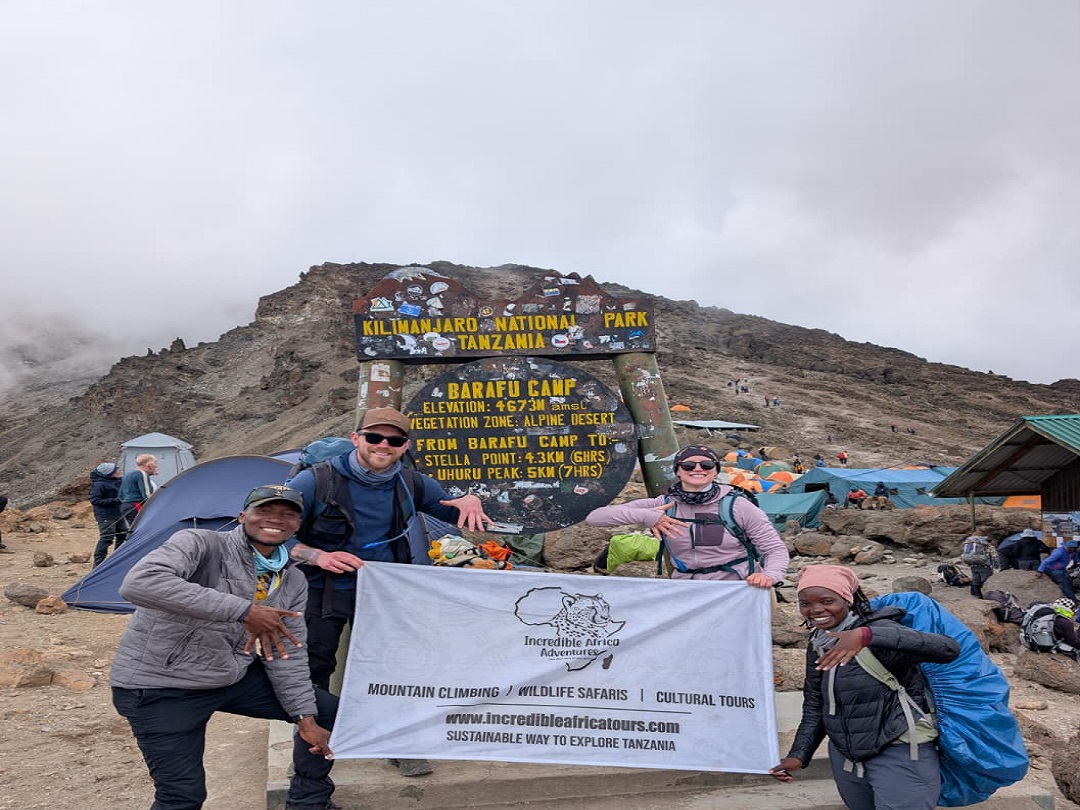
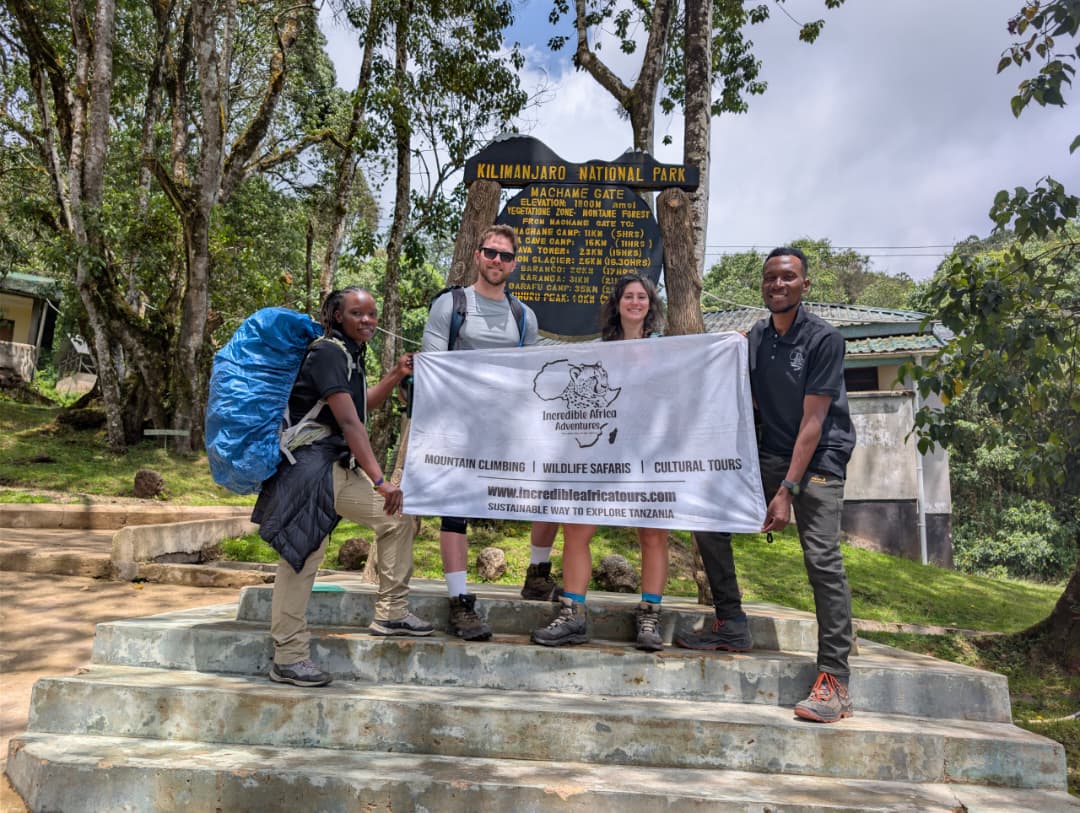
The Machame Route, also known as the “Whiskey Route,” is one of the most scenic and popular routes on Kilimanjaro. It offers diverse landscapes and a better acclimatization profile than shorter routes, which increases summit success rates. Many beginners choose Machame because it balances adventure with good acclimatization.
The Lemosho Route is widely considered one of the best options for first-time climbers. This longer route begins on the western side of the mountain and provides excellent acclimatization while offering spectacular scenery. Because of its gradual ascent, Lemosho is often recommended for beginners seeking the best chance of reaching the summit.
The Rongai Route approaches Kilimanjaro from the northern side near the Kenyan border. It is quieter than other routes and often receives less rainfall, making it a good option for climbers who prefer a less crowded trekking experience.
Proper preparation plays a major role in the success of a Kilimanjaro expedition. While the climb does not require technical skills, climbers should prepare both physically and mentally.
Training should ideally begin two to three months before the climb. Activities such as hiking, cycling, swimming, and stair climbing help build the endurance needed for long trekking days.
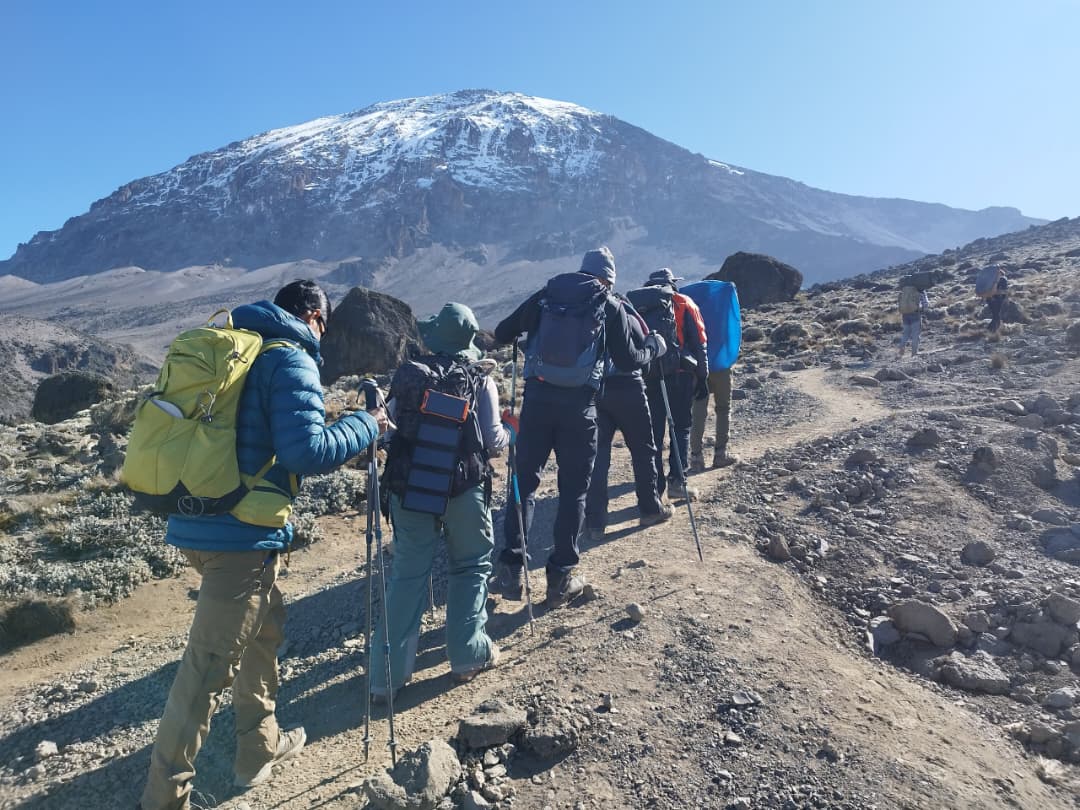
Practice hikes with a backpack are particularly helpful because they simulate the conditions of trekking on the mountain. Mental preparation is equally important. Summit night can be challenging, but a positive mindset and support from guides and teammates can make a significant difference.
Packing the right equipment is crucial for comfort and safety during your Kilimanjaro trek. Because the mountain includes multiple climate zones, climbers must be prepared for a wide range of temperatures.
Essential gear includes:
Most tour operators provide detailed packing lists to ensure climbers are fully prepared.
Altitude sickness is one of the most common challenges when climbing Mount Kilimanjaro. It occurs when the body struggles to adapt to reduced oxygen levels at high altitude.
The best ways to reduce the risk include:
Professional guides monitor climbers carefully and adjust the pace when necessary to ensure safety.
Climbing Mount Kilimanjaro requires the support of a professional guiding team. A reputable tour operator ensures the climb is safe, well organized, and ethically managed.
When selecting a company, travelers should look for operators that provide:
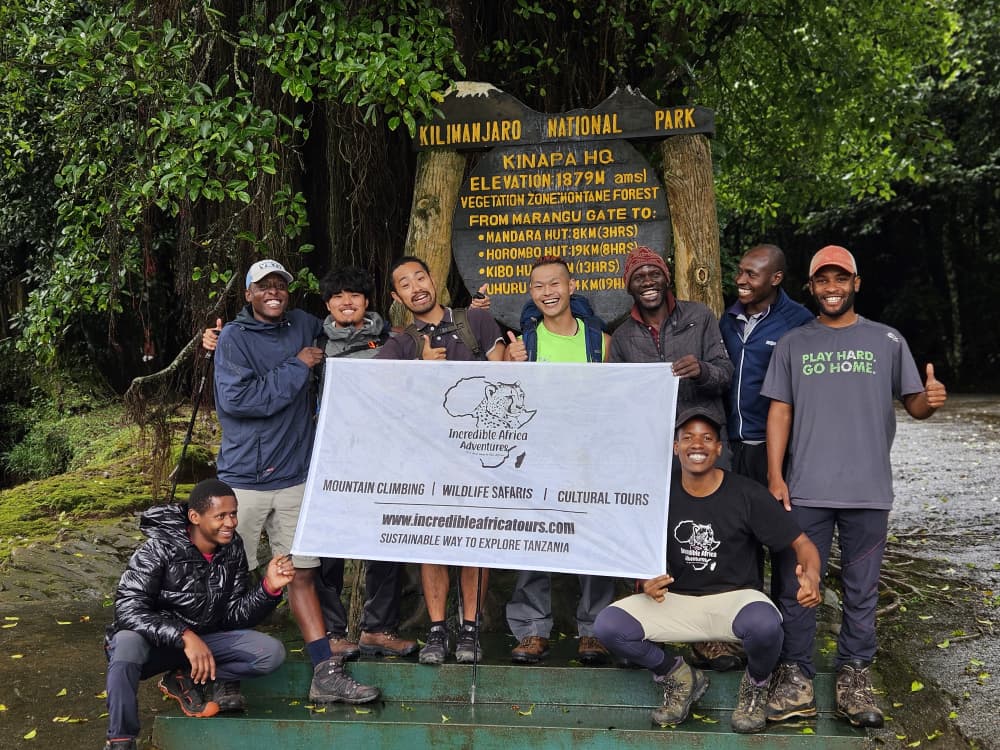
At Incredible Africa Adventures, we are committed to providing responsible Kilimanjaro climbs that prioritize safety, sustainability, and exceptional service.
Climbing Kilimanjaro is not only about reaching the summit. It is also about the journey through one of the most diverse natural environments in the world.
Trekkers pass through five ecological zones during the climb:
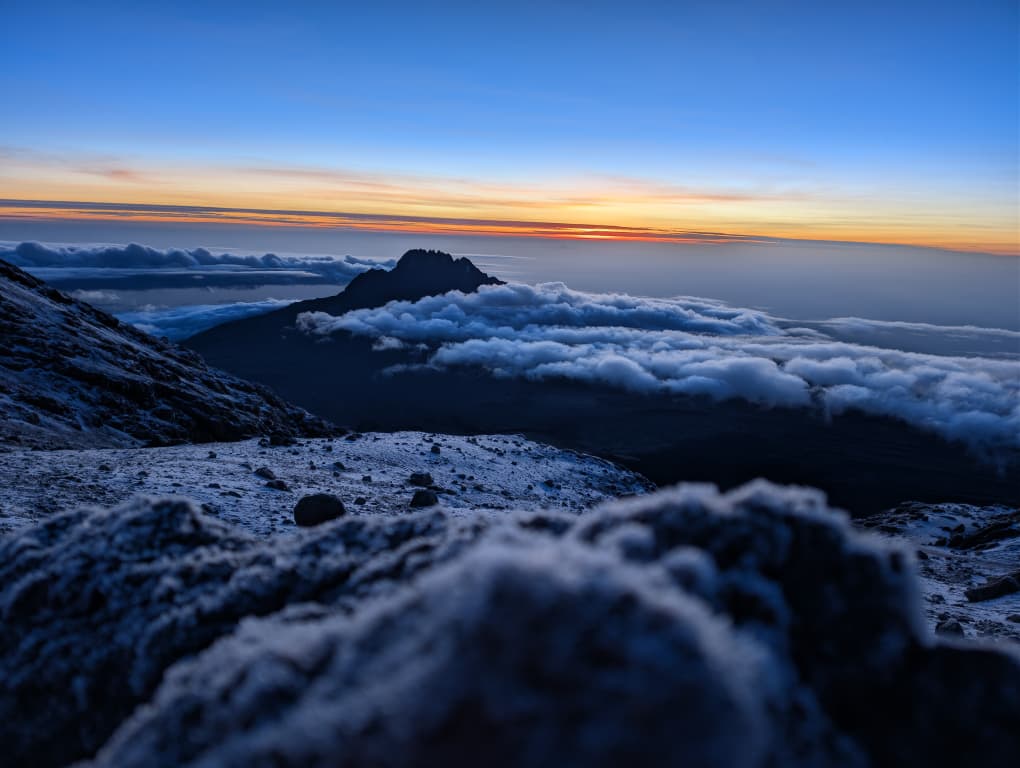
Standing on Uhuru Peak at sunrise is a powerful moment that climbers remember for the rest of their lives.
Planning early is one of the best ways to ensure a successful climb. Booking several months in advance allows climbers to secure preferred routes and travel dates.
Travel insurance that covers high-altitude trekking is also highly recommended. It provides protection in case of unexpected medical issues or trip interruptions.
Most importantly, climbers should focus on enjoying the journey. Each step on the mountain offers incredible scenery, cultural connections, and personal achievement.
Climbing Mount Kilimanjaro is a life-changing experience that combines adventure, challenge, and breathtaking beauty. With the right preparation and the support of experienced guides, beginners from around the world successfully reach the summit every year.
At Incredible Africa Adventures, our mission is to guide climbers safely and responsibly to the summit while creating unforgettable memories along the way. Your journey to the Roof of Africa begins here.
Drop us a line. Our tour experts will answer all your questions shortly