One of the most frequently asked questions by travelers planning to climb Mount Kilimanjaro is whether supplemental oxygen is required to reach the summit. The simple answer is no—supplemental oxygen is not necessary for climbing Mount Kilimanjaro.
Unlike extremely high-altitude mountains such as Mount Everest, Kilimanjaro’s summit stands at 5,895 meters (19,341 feet), which is below the altitude known as the “death zone,” where oxygen levels become critically low and bottled oxygen is often required. With proper acclimatization, a gradual ascent, and guidance from experienced mountain guides, most climbers are able to reach the summit safely without using supplemental oxygen.
Understanding how altitude affects the body and how Kilimanjaro treks are structured will help climbers prepare properly for this incredible adventure.
Altitude is the greatest challenge when climbing Mount Kilimanjaro. As climbers ascend the mountain, the air pressure decreases and each breath contains fewer oxygen molecules than at sea level.
At the summit of Kilimanjaro, oxygen availability is approximately 50% of what it is at sea level, which means the body must adapt gradually to these conditions. This adaptation process is known as acclimatization, and it is the key to successfully reaching the summit without supplemental oxygen.
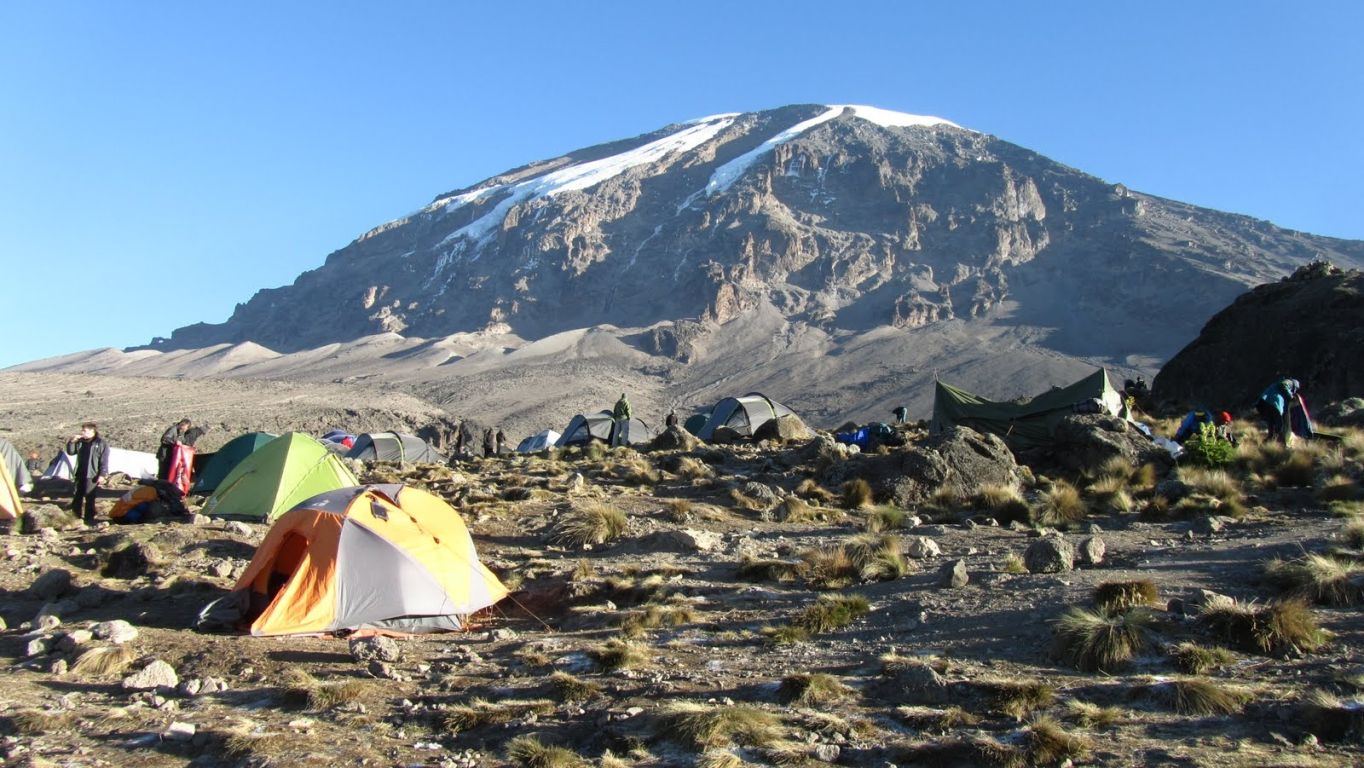
Most Kilimanjaro trekking routes are carefully designed to allow climbers to gain altitude slowly while giving the body time to adjust to the thinner air.
Supplemental oxygen is typically used on mountains where the altitude exceeds 8,000 meters (26,000 feet). These extreme elevations are referred to as the death zone, where the human body cannot acclimatize and prolonged exposure can become life-threatening.
Mount Kilimanjaro, although very high, remains well below this altitude threshold. As a result, climbers rely on proper pacing, hydration, and acclimatization rather than bottled oxygen to reach the summit.
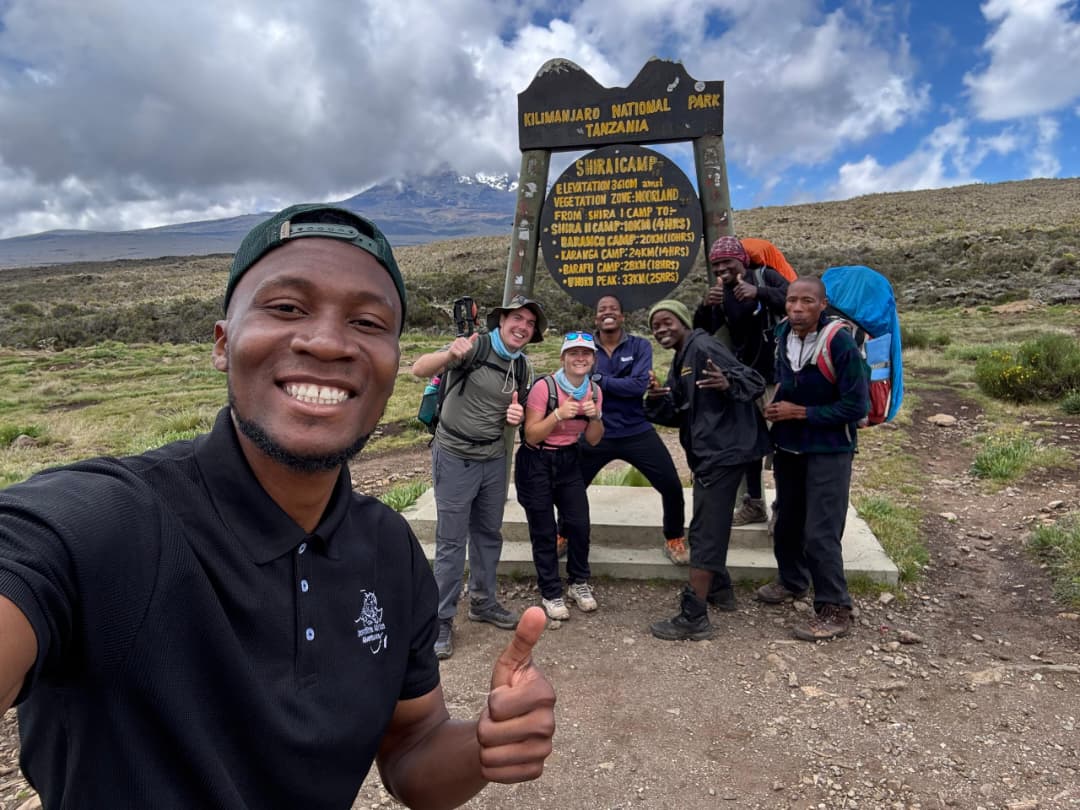
Professional Kilimanjaro guides encourage the “pole pole” approach, a Swahili phrase meaning “slowly, slowly.” Moving at a slow and steady pace helps the body adjust to altitude and improves the chances of reaching Uhuru Peak successfully.
Acclimatization is the most important factor for summit success on Mount Kilimanjaro. Spending more time on the mountain allows the body to adapt to the decreasing oxygen levels.
Longer Kilimanjaro climbing routes such as the Lemosho Route, Machame Route, and Northern Circuit Route are often recommended because they provide better acclimatization schedules and higher summit success rates.
A well-planned itinerary typically includes gradual altitude gain and the strategy known as “climb high, sleep low,” where climbers ascend to a higher elevation during the day and descend slightly to sleep at a lower altitude. This process allows the body to produce more red blood cells and adjust to the thinner air.
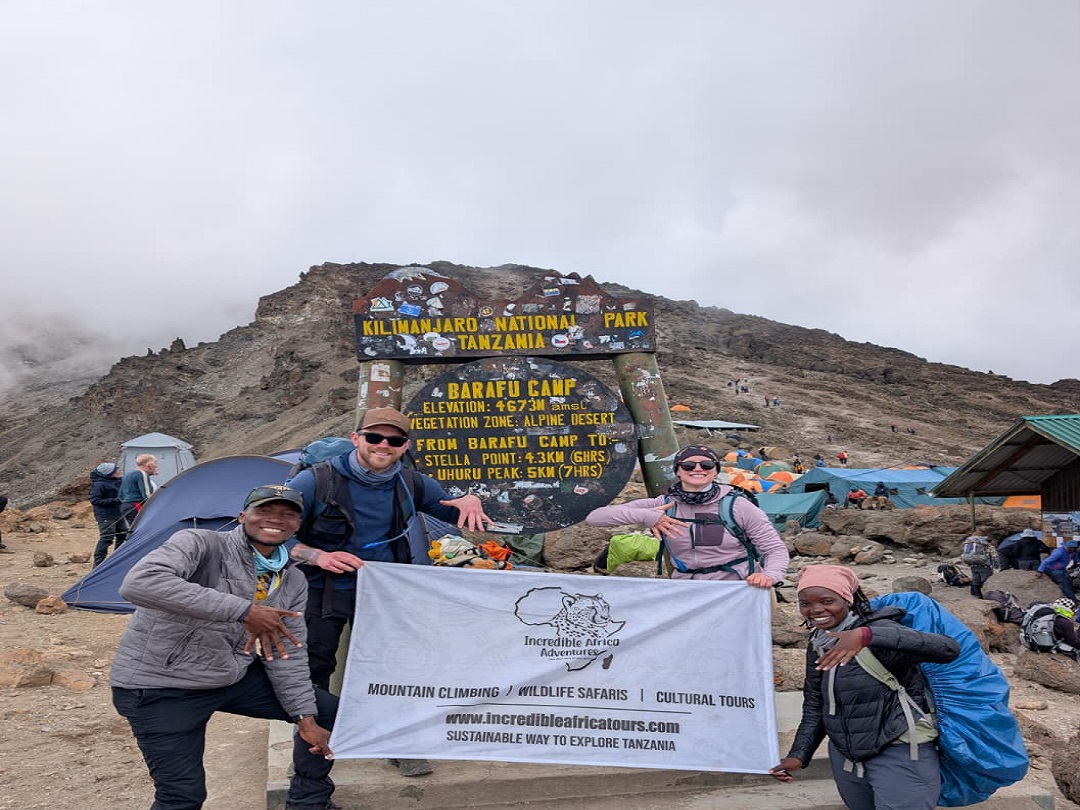
Although climbers do not use bottled oxygen for normal trekking, responsible Kilimanjaro tour operators like Incredible Africa Adventures carry emergency oxygen tanks as part of their safety equipment.
Emergency oxygen may be used temporarily if a climber develops symptoms of severe Acute Mountain Sickness (AMS) or other altitude-related illnesses. The emergency oxygen helps stabilize the climber while guides arrange a descent to a lower altitude.
Descent is always the most effective treatment for altitude sickness. Professional mountain teams also monitor climbers regularly using pulse oximeters, which measure oxygen saturation levels and help guides detect early signs of altitude stress.
Altitude sickness is a natural risk when trekking at high elevations. Some climbers may experience mild symptoms such as headaches, fatigue, nausea, or difficulty sleeping as they ascend.
More serious altitude conditions include:
These conditions are rare but require immediate descent and medical attention. With experienced guides, proper acclimatization, and responsible trekking practices, the vast majority of Kilimanjaro climbers complete their expedition safely without needing supplemental oxygen.
The use of bottled oxygen is common on Mount Everest because climbers spend extended time above 8,000 meters in the death zone. Without supplemental oxygen, survival at those altitudes becomes extremely difficult.
In contrast, Mount Kilimanjaro’s altitude is high but still within a range where the body can adapt gradually. This makes it one of the few Seven Summits that can be climbed without technical mountaineering skills or oxygen systems.
This accessibility is one of the reasons Mount Kilimanjaro is considered the most achievable high-altitude mountain in the world.
Climbers can greatly improve their chances of success by following several key guidelines.
Choosing longer Kilimanjaro climbing routes allows better acclimatization. Maintaining a slow and steady hiking pace helps the body adapt to altitude. Staying hydrated and eating nutritious meals supports physical performance during the trek.
It is also important to arrive well prepared with good physical fitness and proper mountain equipment. Listening carefully to your guides and communicating any symptoms early is essential for maintaining safety during the climb.
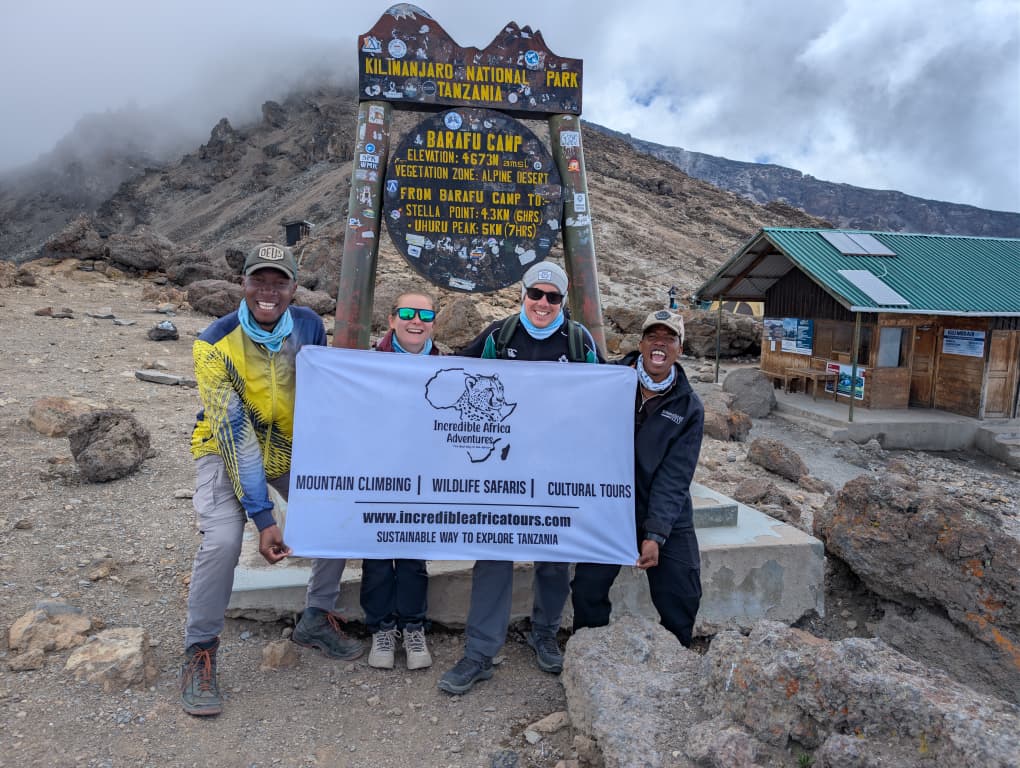
At Incredible Africa Adventures, climber safety is always our highest priority. Our experienced mountain guides follow internationally recognized safety protocols and carefully monitor climbers throughout the expedition.
Each climb includes daily health checks, emergency oxygen equipment, and well-planned itineraries designed to maximize acclimatization and summit success.
With the right preparation, experienced guidance, and a gradual ascent, reaching the summit of Mount Kilimanjaro without supplemental oxygen is not only possible—it is the authentic and rewarding way to experience Africa’s highest peak.
Climbing Mount Kilimanjaro is one of the greatest adventures on Earth. Standing on the summit at Uhuru Peak, watching the sunrise above the clouds, is a moment that stays with climbers forever.
If you are ready to take on this incredible challenge, Incredible Africa Adventures is here to guide you every step of the way. Join us and experience the journey to the Roof of Africa.
Drop us a line. Our tour experts will answer all your questions shortly