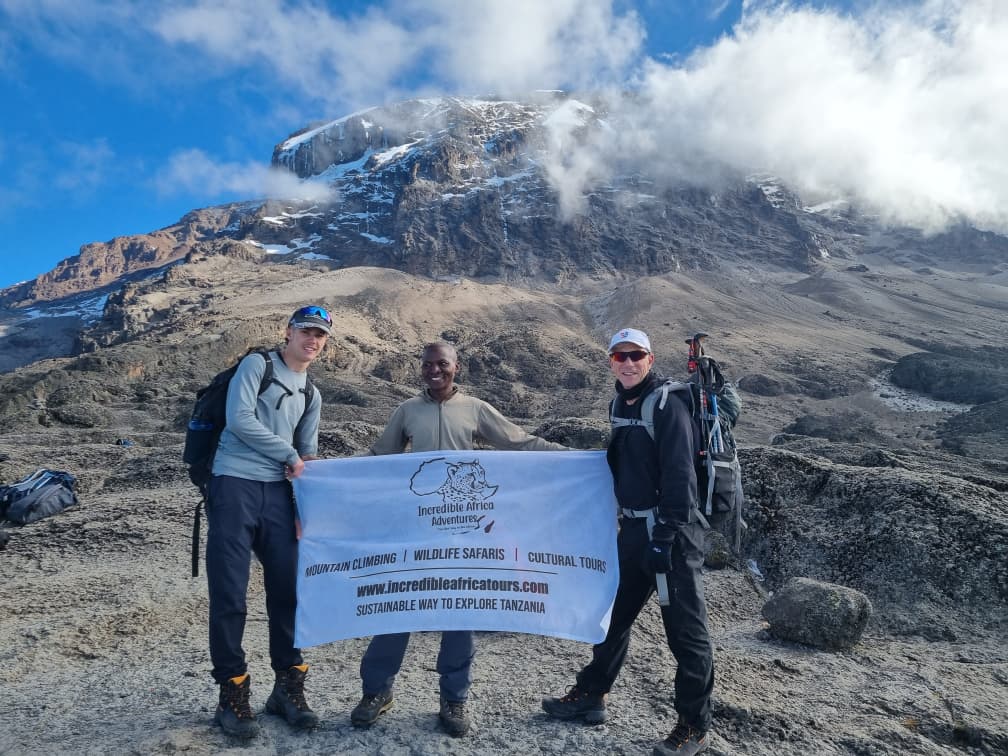
Mount Kilimanjaro is one of the most iconic trekking destinations in the world. Rising to 5,895 meters (19,341 feet) above sea level, it is the highest mountain in Africa and the tallest free-standing mountain on Earth. Every year thousands of travelers from around the world journey to Tanzania with one dream — to stand on the famous Uhuru Peak, often called the Roof of Africa.
A Kilimanjaro hiking tour is not just about reaching the summit. It is a journey through breathtaking landscapes, unique ecosystems, and a powerful personal challenge that leaves climbers with unforgettable memories.
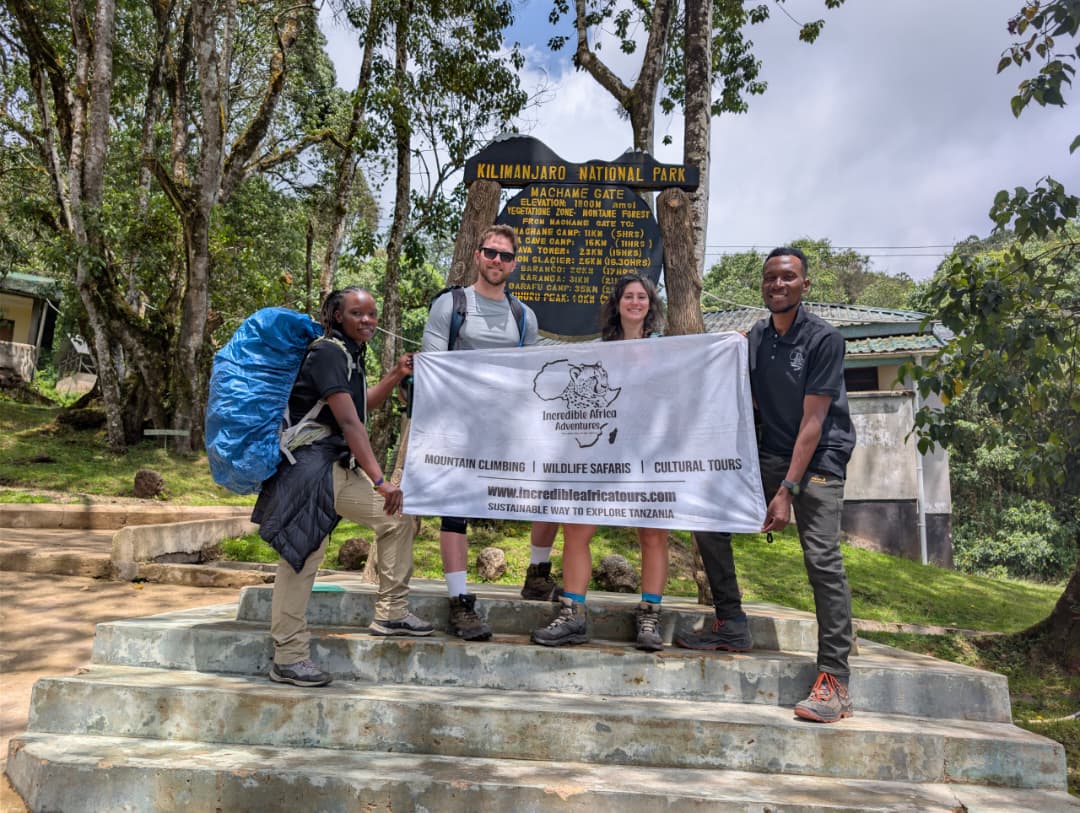
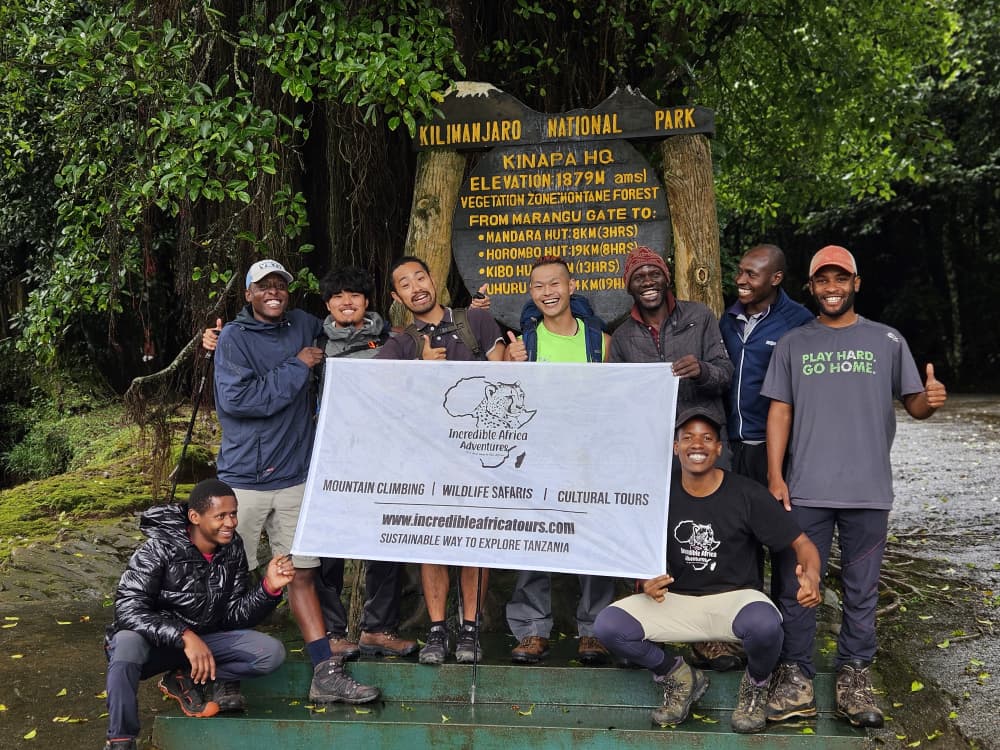
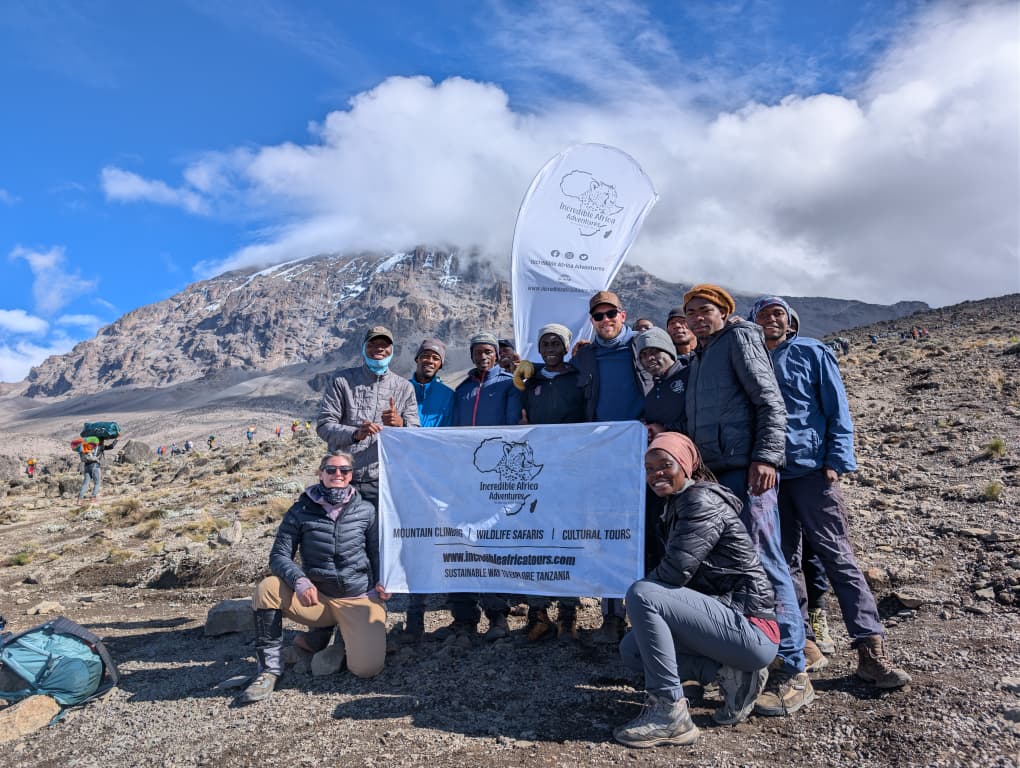
At Incredible Africa Adventures, we specialize in professionally guided Kilimanjaro hiking tours designed to combine safety, comfort, and authentic adventure. Our experienced local guides, ethical trekking practices, and carefully planned itineraries ensure that every climber enjoys a rewarding and successful journey.
Whether you are a first-time trekker or an experienced adventurer, hiking Mount Kilimanjaro offers an extraordinary opportunity to explore Africa’s most famous mountain.
Most travelers choose guided Kilimanjaro hiking tours because the mountain requires a licensed guide according to Tanzania National Park regulations. Professional guides ensure safety, proper pacing, and altitude monitoring throughout the trek.
With experienced guides, climbers benefit from route knowledge, daily health checks, and expert advice that greatly increases summit success rates. Guided tours also include a support team of porters and cooks who help make the adventure comfortable and well organized.
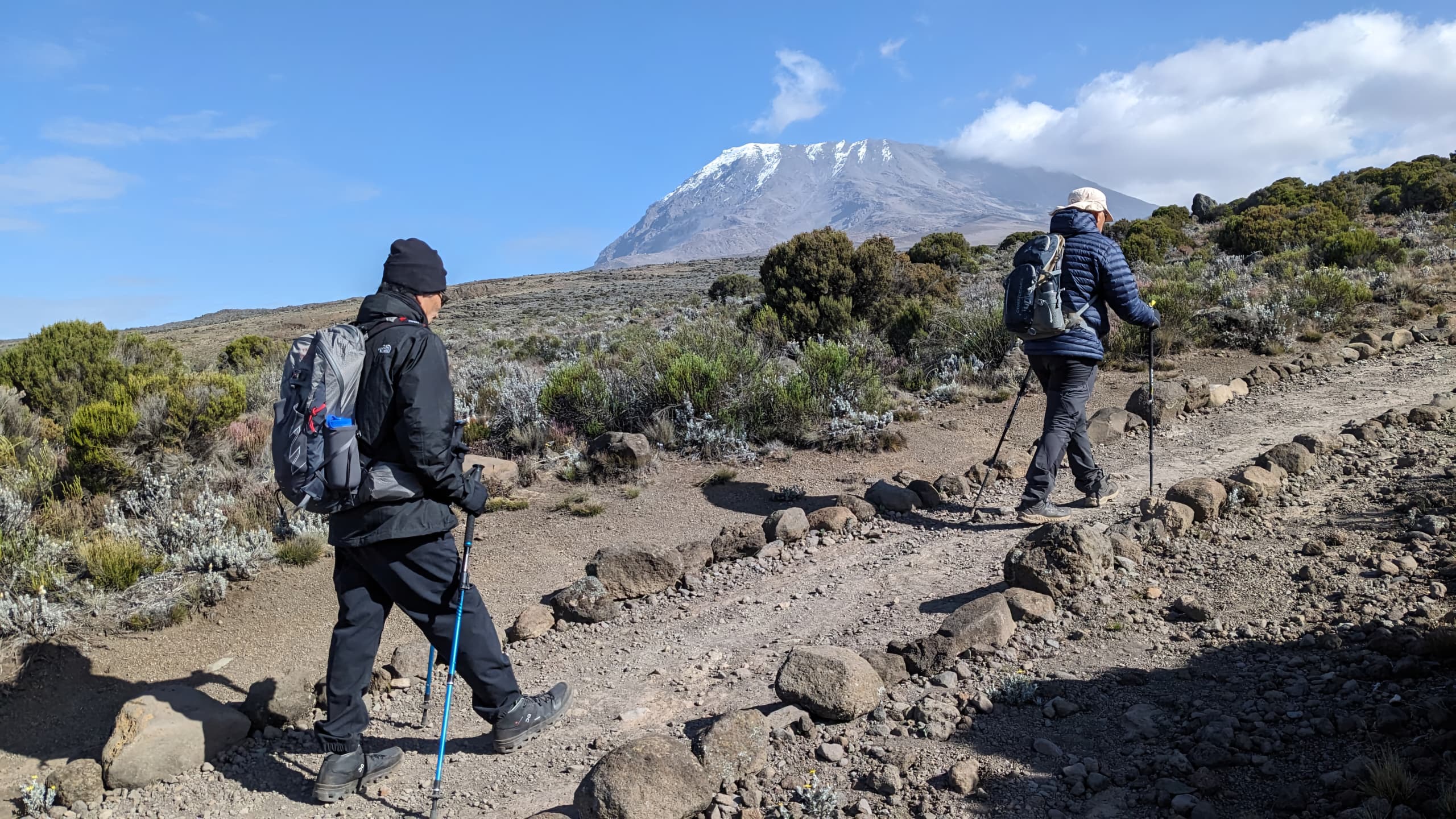
Climbing Mount Kilimanjaro is one of the most unique trekking experiences in the world. Unlike many high mountains that require technical climbing skills, Kilimanjaro is a trekking peak, meaning that climbers can reach the summit through hiking rather than mountaineering.
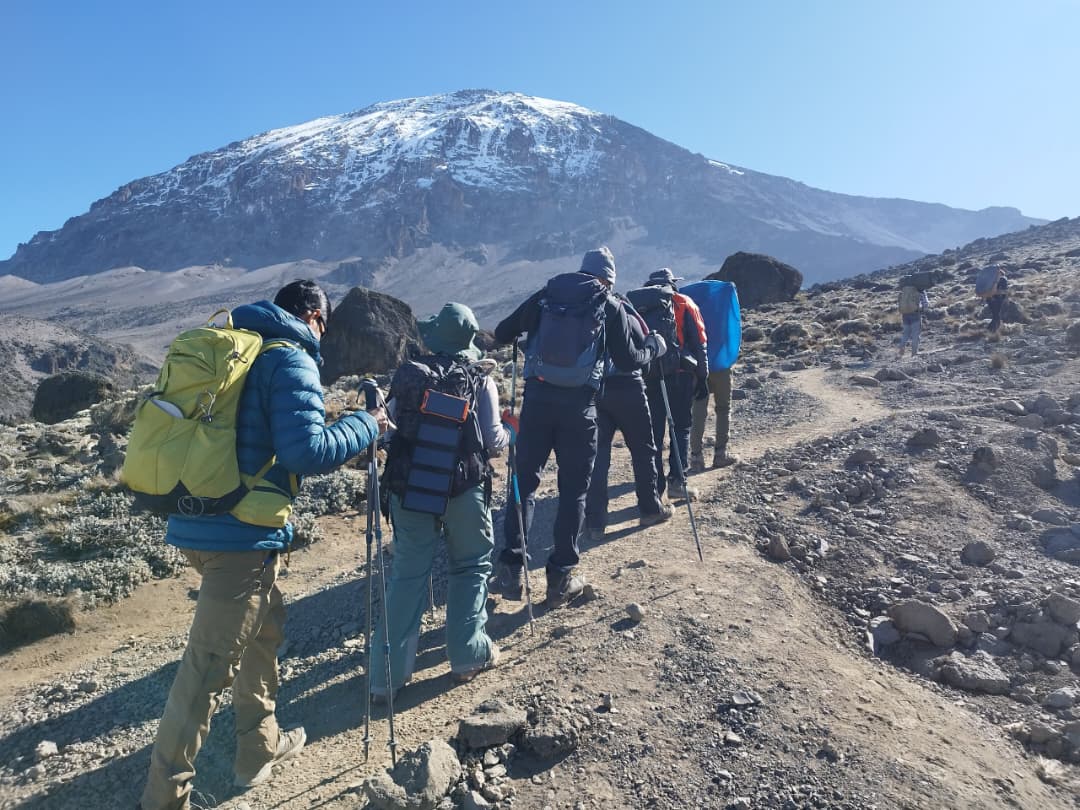
During the trek, hikers pass through five distinct ecological zones, each offering completely different landscapes and environments.
The climb begins in lush tropical rainforest filled with towering trees, colorful birds, and playful monkeys. This zone receives the most rainfall and is rich with vegetation and wildlife.
As hikers ascend, the forest gradually gives way to open heathland and moorland landscapes. Giant lobelias and senecio plants dominate the scenery, creating a surreal and otherworldly environment.
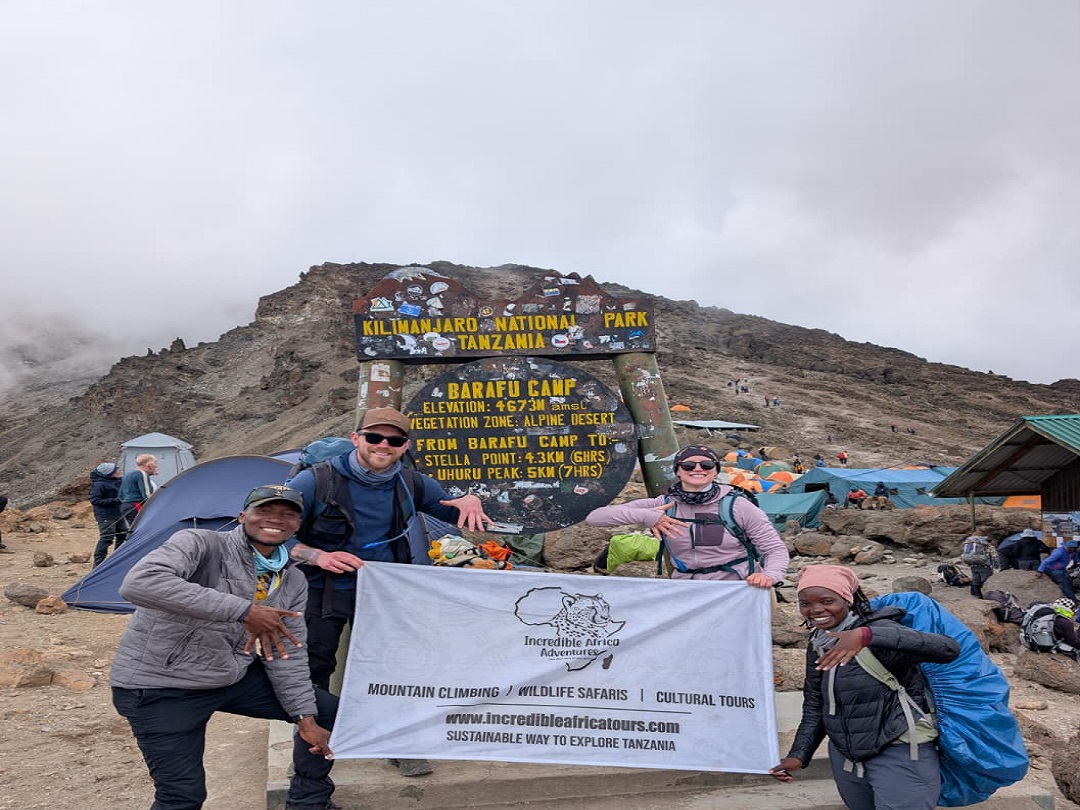
Higher on the mountain the terrain becomes dry and rocky. This alpine desert zone features dramatic volcanic landscapes and wide views across the surrounding valleys.
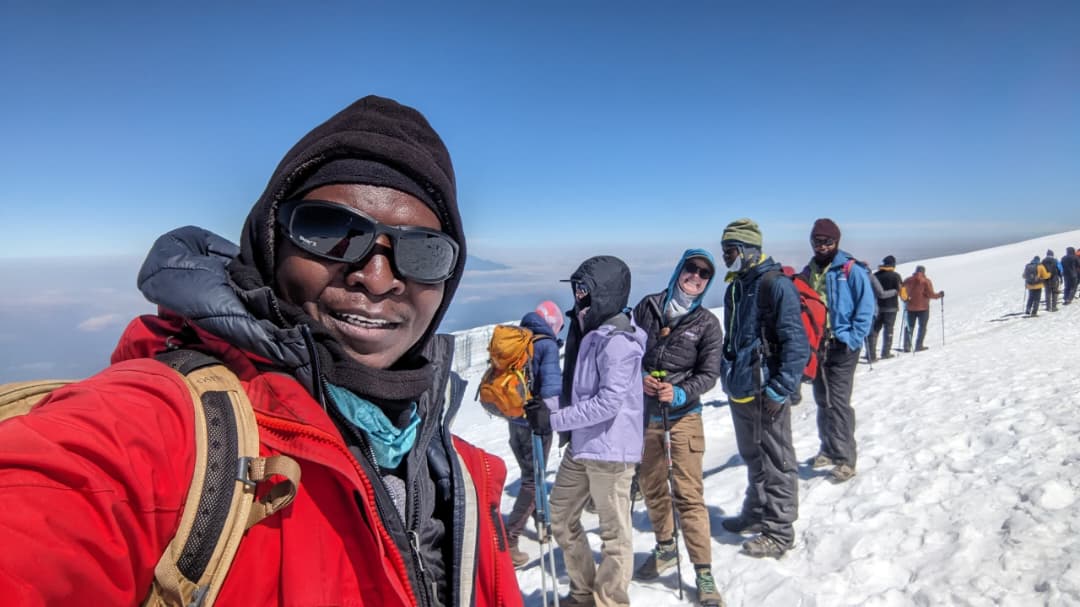
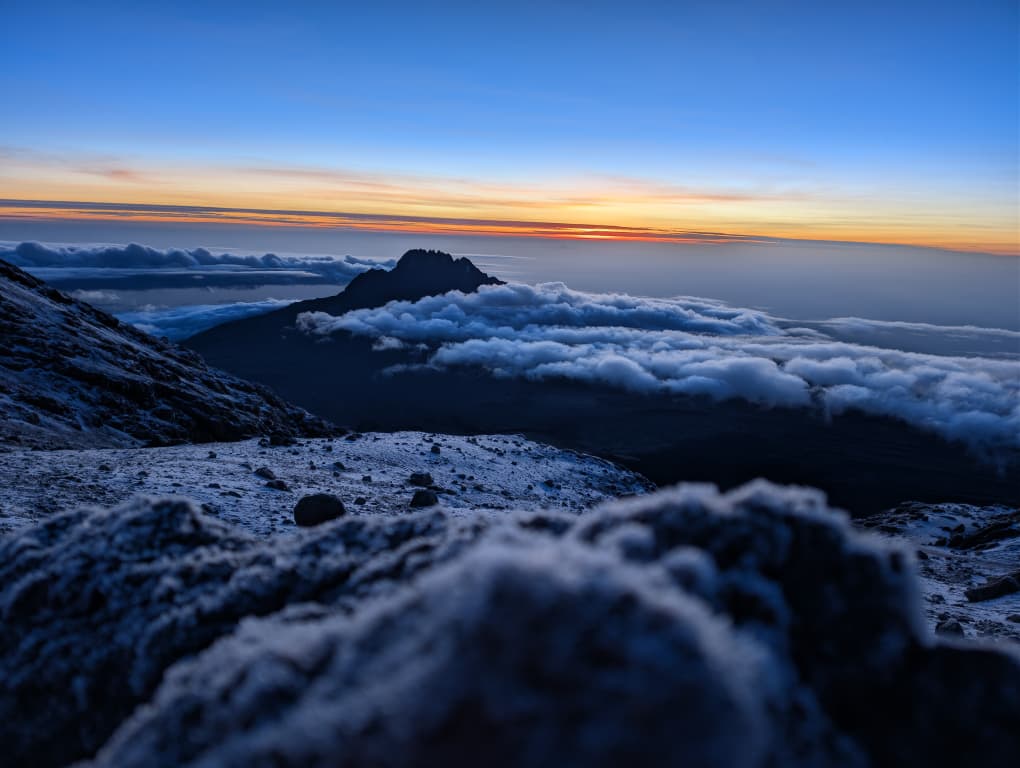
Near the summit the climate becomes extremely cold and barren, resembling arctic conditions. The final ascent leads climbers to Uhuru Peak, where glaciers and breathtaking sunrise views reward the effort of the climb. Standing on the summit of Africa is a moment that many climbers describe as life-changing.
Climbing Kilimanjaro is often described as a moderately challenging high-altitude trek. The mountain does not require ropes or technical climbing equipment, but it still presents significant challenges.
The main difficulty comes from the high altitude, where oxygen levels are much lower than at sea level. As climbers ascend, their bodies must adapt to these conditions through a process known as acclimatization.
With proper preparation, good physical fitness, and the guidance of experienced mountain professionals, many climbers successfully reach the summit each year.
There are several routes that lead to the summit of Mount Kilimanjaro. Each route offers different scenery, duration, and acclimatization profiles.
Choosing the right path is one of the most important decisions when planning your trek, which is why many climbers explore our detailed guide to Kilimanjaro climbing routes and summit success rates before selecting their itinerary.
Often called the Coca-Cola Route, Marangu is the only route that offers hut accommodation rather than camping. It is one of the shortest routes to the summit but provides fewer opportunities for acclimatization.
The Machame Route, also known as the Whiskey Route, is one of the most popular paths on the mountain. It offers spectacular scenery and a good acclimatization profile.
The Lemosho Route is widely considered one of the best Kilimanjaro routes due to its gradual ascent, excellent acclimatization, and stunning landscapes.
Approaching from the northern side of the mountain near Kenya, the Rongai Route is quieter and often drier than the southern routes.
The Northern Circuit is the longest route on Kilimanjaro and offers the best acclimatization profile, giving climbers one of the highest summit success rates.
The Umbwe Route is the steepest and most direct route on the mountain. It is recommended for experienced hikers seeking a more challenging climb.
Our Kilimanjaro climbing packages are designed to provide a safe and comfortable trekking experience from arrival to departure.
Typical packages include:
Our goal is to allow climbers to focus entirely on the adventure while we handle the logistics.
Preparation is essential for a successful Kilimanjaro climb. Although technical climbing skills are not required, climbers should train their bodies for several days of hiking at altitude.
Training should begin at least two months before the climb and include activities such as hiking, running, cycling, or stair climbing to build endurance. Strength exercises for the legs and core can also help improve stability on uneven terrain.
Practicing hikes with a backpack is another effective way to prepare for the conditions experienced during the trek.
Choosing the right guiding company can make a significant difference in your Kilimanjaro experience. At Incredible Africa Adventures, our team combines professional expertise with genuine passion for sharing the beauty of Tanzania’s mountains.
We are proud to offer:
Our mission is to ensure every climber enjoys a safe, inspiring, and unforgettable journey to the summit.
Most Kilimanjaro hikes take 5 to 9 days, depending on the route and acclimatization schedule.
No technical climbing experience is required. Many climbers successfully reach the summit with good fitness and proper preparation.
The best months are December to March and June to October, when the weather is generally dry and visibility is excellent.
Summit success rates vary depending on the route and duration. Longer routes such as Lemosho or Northern Circuit often achieve success rates of 85–95%.
Yes. Tanzania National Park regulations require all climbers to be accompanied by a licensed guide when climbing Mount Kilimanjaro. Guided tours provide safety support, route navigation, and professional assistance that greatly improves the chances of reaching the summit successfully.
Climbing Mount Kilimanjaro is one of the most inspiring adventures a traveler can experience. From rainforest trails to glacier-covered summit views, the journey offers incredible landscapes, personal achievement, and memories that last a lifetime.
At Incredible Africa Adventures, we are proud to guide climbers safely to the Roof of Africa while sharing the beauty and culture of Tanzania. If you are ready to begin planning your Kilimanjaro hiking tour, our team is here to help you prepare for the adventure of a lifetime.
Drop us a line. Our tour experts will answer all your questions shortly