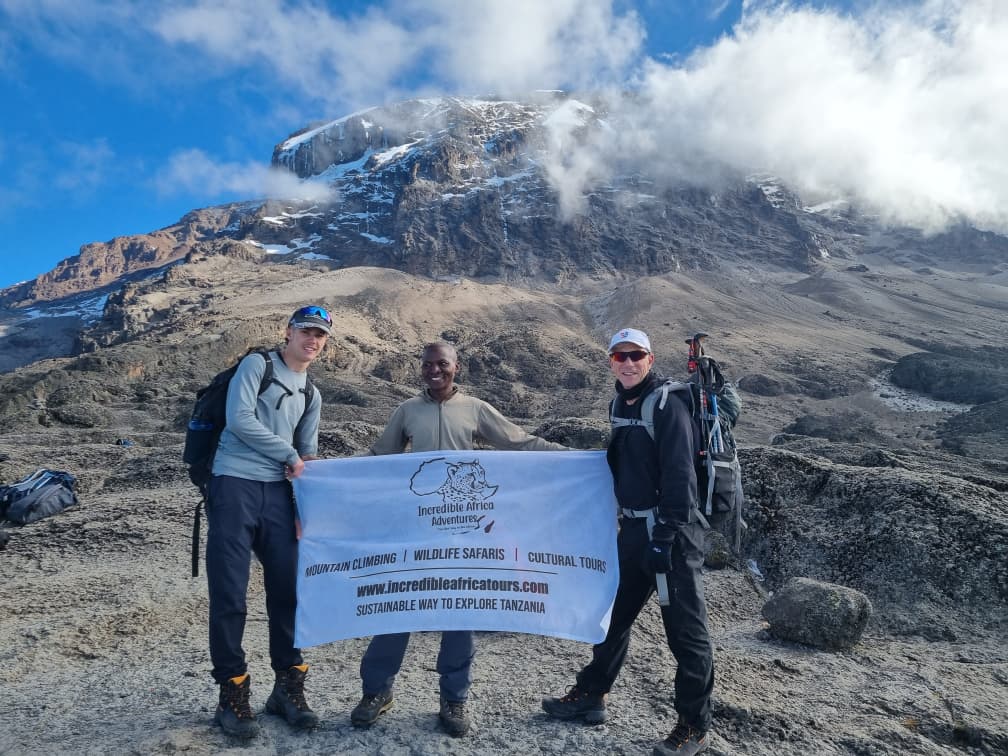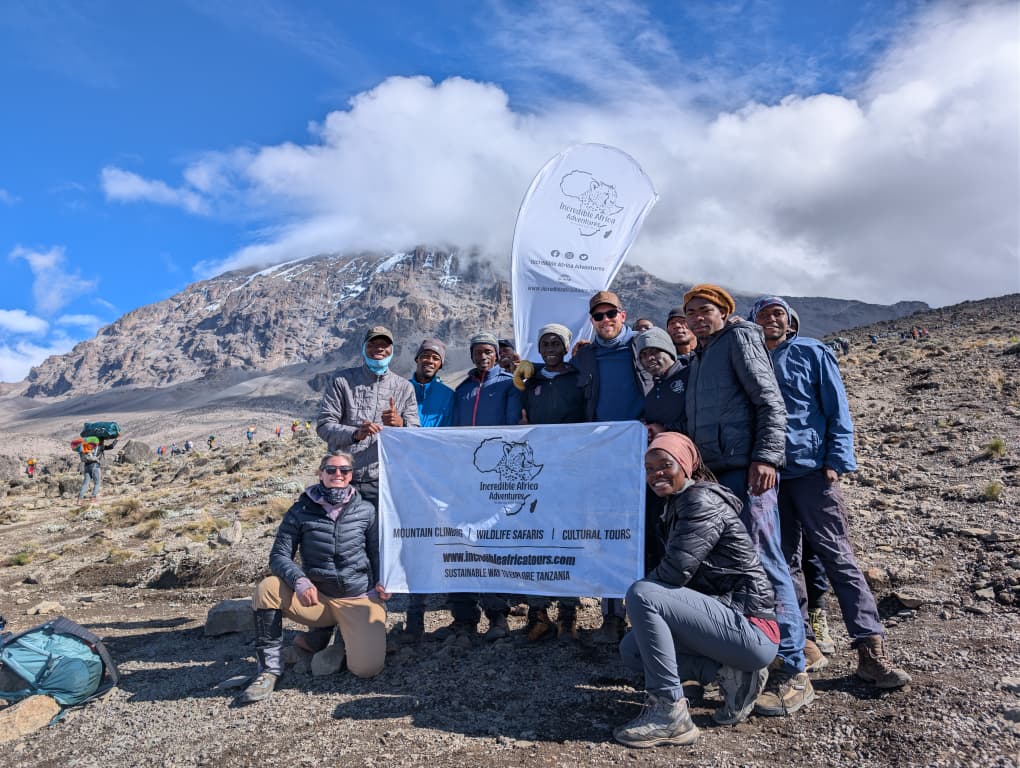

Mount Kilimanjaro is not just a mountain — it is a heartbeat, a dream, and a journey that transforms everyone who touches it. Rising proudly at 5,895 meters, Kilimanjaro is the highest peak in Africa and the world’s tallest freestanding mountain. Climbers from every corner of the globe come to Tanzania to chase one of the most meaningful adventures of their lives. At Incredible Africa Adventures, we believe Kilimanjaro is more than a climb — it is a personal story of courage, resilience, culture, and discovery. Every step on this mountain brings you closer to nature, closer to your strength, and closer to the magic of Tanzania.
For centuries, travelers, explorers, and dreamers have been drawn to this snow-capped giant, whispering stories of ancient volcanoes, legendary tribes, and a summit known as Uhuru, the Swahili word for “freedom.” Today, thousands of adventurers from around the world travel to Tanzania to chase this freedom — one step at a time. Kilimanjaro is more than a geographical wonder — it is a symbol of strength, freedom, human endurance, and the magic of Tanzania.
Mount Kilimanjaro is located in northern Tanzania, close to the Kenyan border, standing like a guardian over the surrounding plains and villages. Its location near the equator creates one of the world’s most unique climbing experiences — where you walk from rainforest to glaciers in just a few days. Kilimanjaro is fully inside Tanzania, and all climbing routes begin from the Tanzanian side, mainly accessed through Moshi and Arusha. These two cities serve as the warm, friendly gateways to the Roof of Africa, offering culture, local markets, waterfalls, coffee tours, and everything a traveler needs to prepare before the climb.
Kilimanjaro is also one of the Seven Summits, making it the highest peak on the African continent and one of Earth’s most coveted climbing achievements. Unlike most famous mountains formed through ranges or tectonic collisions, Kilimanjaro is a stratovolcano, made up of three volcanic cones: Kibo – the highest and youngest cone, home to Uhuru Peak, Mawenzi – rugged and technically challenging, and Shira – a collapsed volcanic plateau.
Mount Kilimanjaro was formed nearly 750,000 years ago, during powerful volcanic activity associated with the East African Rift Valley. The last major eruption occurred around 360,000 years ago, and today, Kibo’s crater still releases faint sulfur fumes — a reminder of its fiery past. It is made of three volcanic cones: Kibo, Mawenzi, and Shira. Kibo — the youngest cone — is home to Uhuru Peak, the highest point in Africa. Although the volcano is dormant, slight fumarole activity at the summit reminds climbers of its ancient fire. As you climb through Kilimanjaro’s five ecological zones, you walk through different chapters of Earth’s geological story, from lush tropical forest to a snow-covered arctic world.
One of the most common misconceptions is that Kilimanjaro is in Kenya. The truth is simple and clear: Mount Kilimanjaro is entirely in Tanzania. Kenya has wonderful and breathtaking viewpoints, but the national park, summit, and all climbing access points belong to Tanzania. When you climb Kilimanjaro, you climb from Tanzanian soil — embraced by Tanzanian culture, people, and traditions. All climbs begin on the Tanzanian side, mainly from Moshi and Arusha, vibrant gateway towns nestled at the base of the mountain.
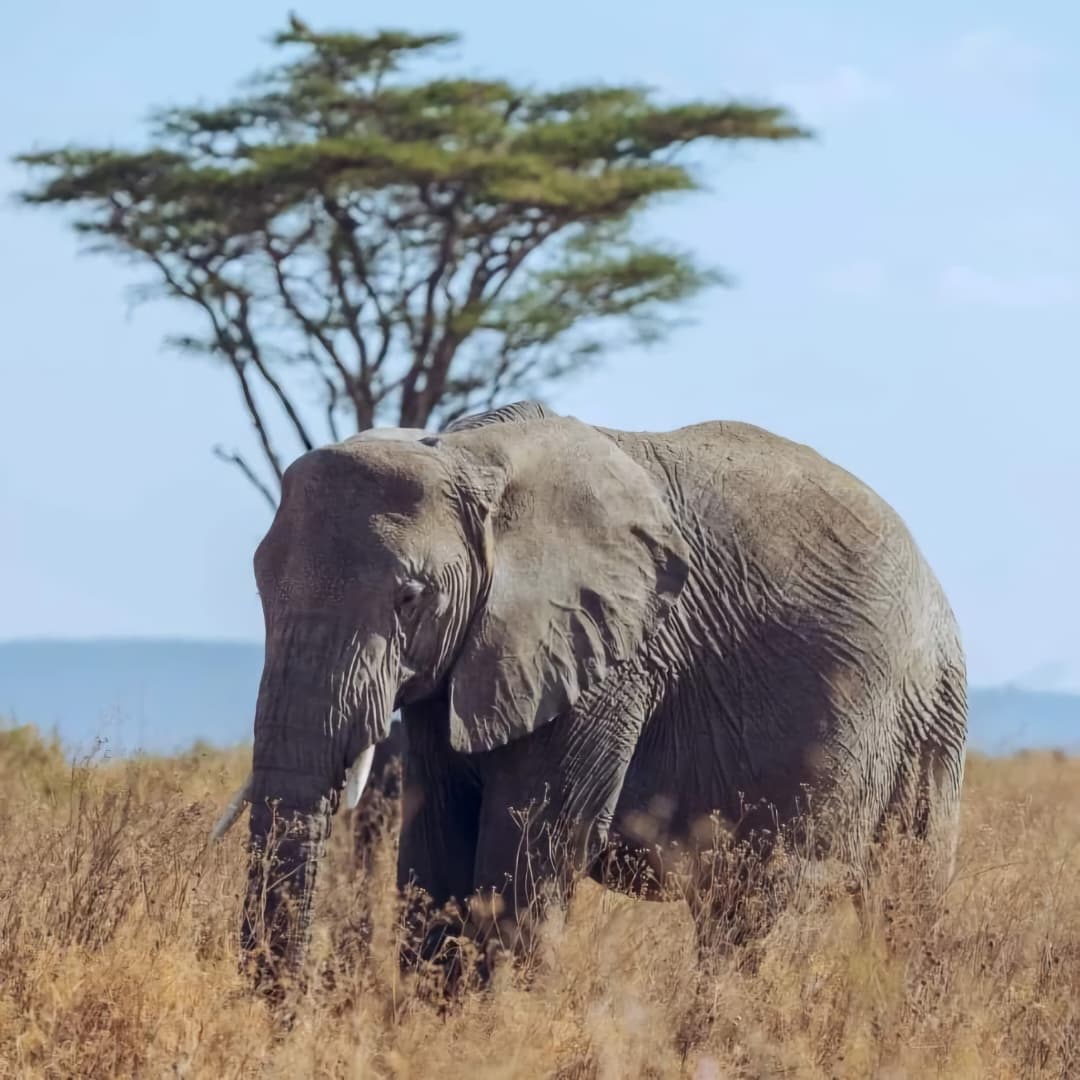
Kilimanjaro National Park was designated a UNESCO World Heritage Site in 1973 due to its environmental importance and extraordinary natural beauty. The park protects rare wildlife, ancient forests, dramatic landscapes, volcanic formations, and the famous equatorial glaciers. Climbers often encounter monkeys, antelopes, birds, and unique vegetation that cannot be found anywhere else in the world. Giant lobelias, volcanic deserts, and alpine glaciers create a landscape that feels almost otherworldly — like walking through a living museum of Earth’s history.
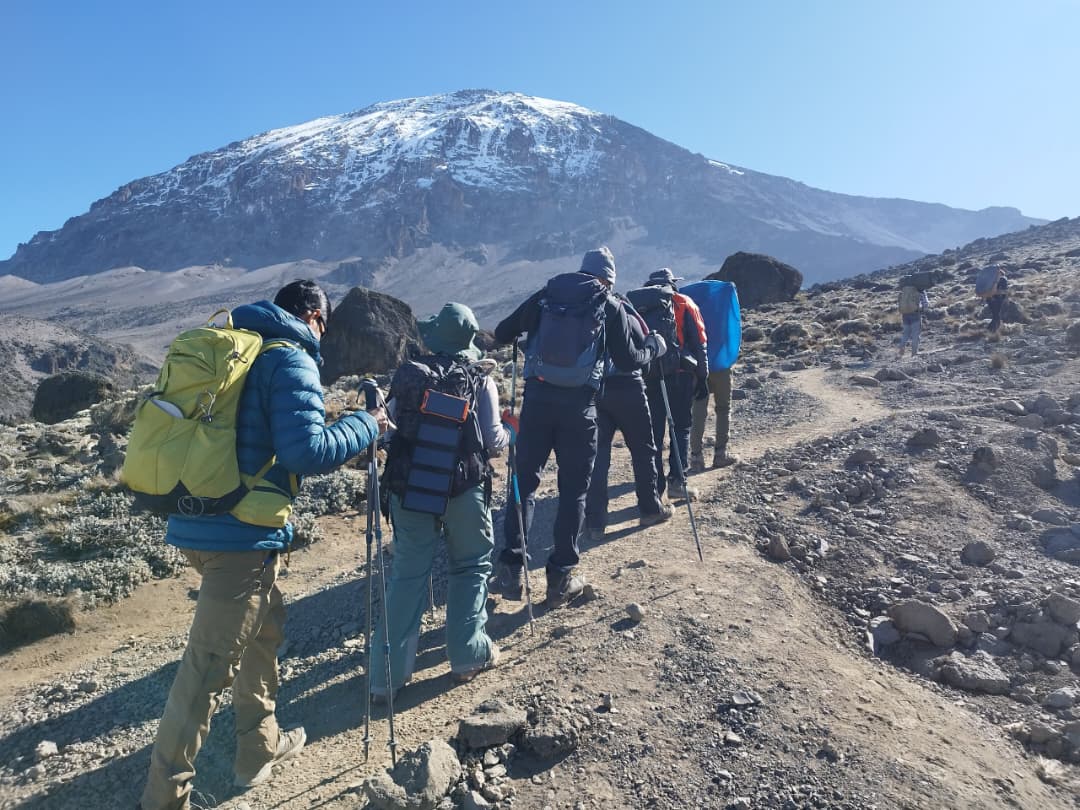
Kilimanjaro is not a technical climb; you do not need ropes, harnesses, or climbing experience. What challenges climbers is altitude especially at 4000m and above. The air gets thinner with each step, and your body must adapt slowly. This is where Incredible Africa Adventures stands out. We climb “pole pole” (slowly, slowly in Swahili), giving your body time to adapt and increasing your chances of reaching Uhuru Peak safely/successful climb. A slow pace, proper acclimatization, hydration, and expert guides are the keys to reaching the summit. With the right route and a professional, ethical team like Incredible Africa Adventures, first-time trekkers, families, solo travelers, and even senior adventurers can reach Uhuru Peak safely and confidently.
Kilimanjaro is the only place on Earth where you can walk from tropical rainforest to the Arctic in less than a week. Each ecological zone has its own beauty, personality, and challenges:
Rainforest Zone: Warm, humid, and alive with colobus monkeys, blue monkeys, waterfalls, and rich vegetation. The journey begins in a world full of life.
Heather and Moorland Zone: A mystical landscape filled with giant groundsel trees, cooler temperatures, and panoramic views above the clouds.
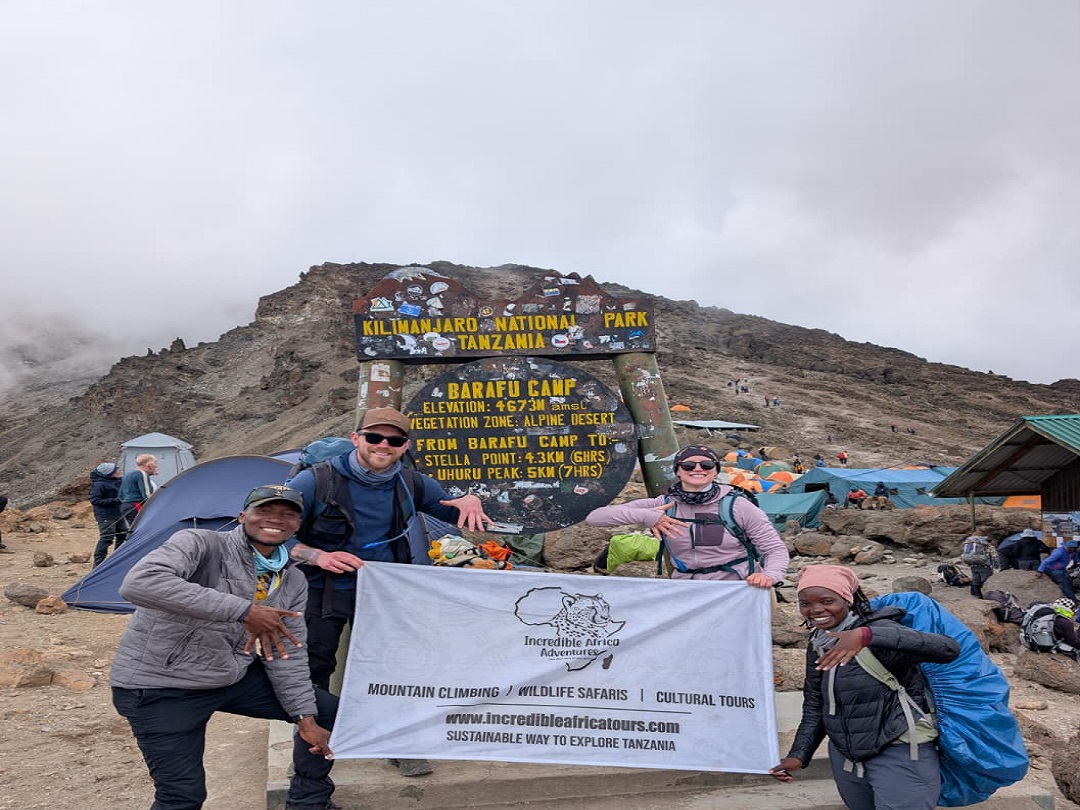
Alpine Desert Zone: Dry, windy, and breathtaking — almost like walking on the moon. The sky feels endless, and the stars shine brighter than you’ve ever seen.
High Alpine Zone: Colder, quieter, and more demanding. Your breathing slows, your determination rises, and the summit draws closer.
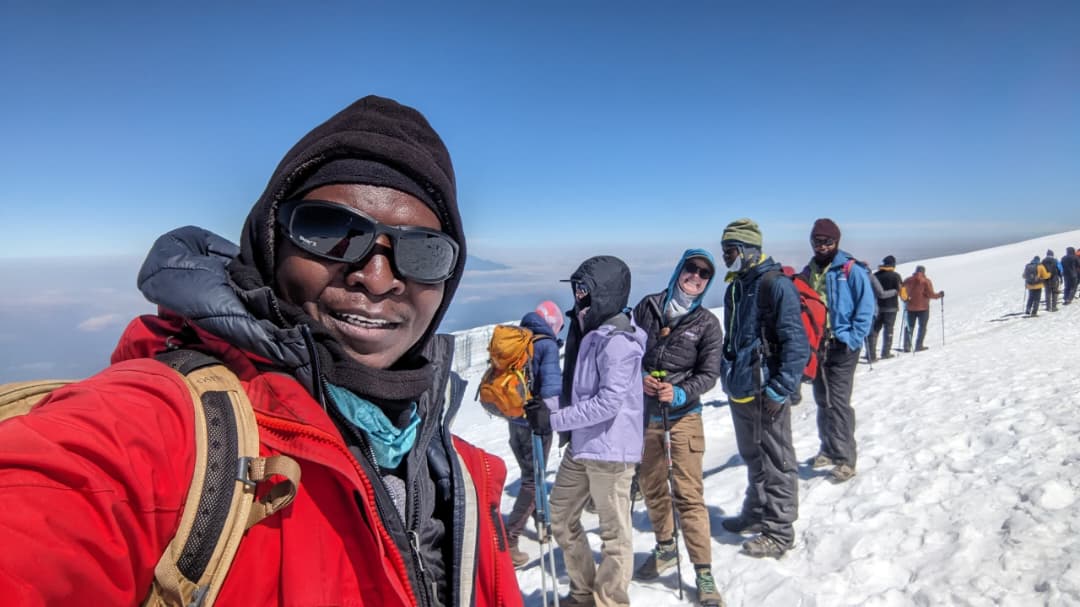
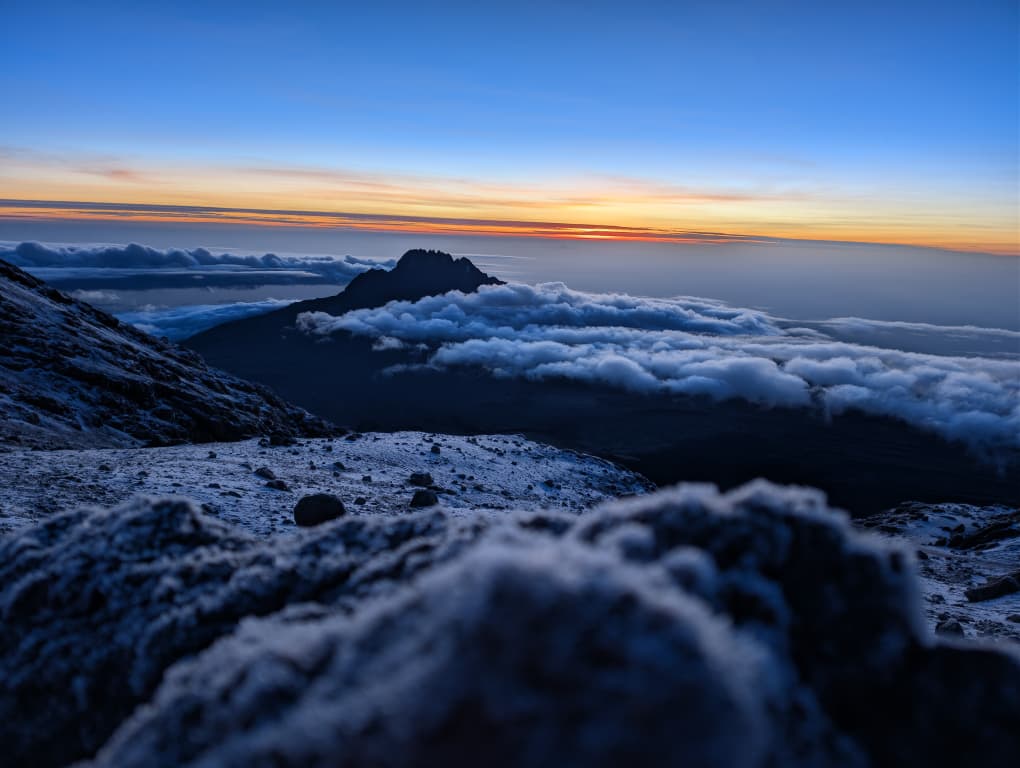
Arctic Summit Zone: A world of ice, snow, silence, and victory. Reaching Uhuru Peak at sunrise is emotional — the sky explodes with color over Africa, and many climbers cry tears of joy.
Most expeditions start from the buzzing towns of Moshi or Arusha. These towns offer accommodations, restaurants, cultural tours, waterfalls, gear rentals, and everything you need to prepare. From here, your Incredible Africa Adventures team meets you, briefs you on the climb, checks your gear, and ensures you feel ready and confident.
The closest airport is Kilimanjaro International Airport (JRO), easily accessible from major airlines like KLM, Qatar Airways, Emirates, Ethiopian Airlines, Turkish Airlines, Kenya Airways, and more. Travelers can also arrive via Dar es Salaam, Zanzibar, or Nairobi and connect by domestic flights or scenic ground transfers. No matter where you come from, reaching the base of Africa’s tallest mountain is simple and welcoming.
The most recommended Kilimanjaro climb seasons are December to March and June to October. December offers magical weather, clear skies, beautiful rainforest blooms, and a festive spirit across Tanzania. Many climbers pair their December Kilimanjaro climb with a Christmas safari or New Year’s celebration in Zanzibar.
No, because Kilimanjaro National Park is protected. Park fees support conservation, ranger services, rescue teams, and sustainable tourism. These fees help protect the mountain for future generations. At Incredible Africa Adventures, we offer responsible pricing that ensures fair treatment of porters, ethical guide practices, and world-class safety standards.
Kilimanjaro’s history is filled with legends, explorers, and brave local guides. The first recorded summit was in 1889 by Hans Meyer, Ludwig Purtscheller, and their Chagga guide Yohanas Kinyala Lauwo. Sheila MacDonald became the first woman to summit in 1927, setting a legacy of inclusivity and empowerment. Today, more than 35,000 climbers attempt Kilimanjaro each year — continuing a legacy of exploration and human spirit.
Kilimanjaro is now one of the most iconic adventure destinations in the world. The surrounding towns of Moshi and Arusha have grown into vibrant centers filled with trekkers, markets, coffee farms, local restaurants, cultural experiences, and world-class safari connections. Tanzania’s warm hospitality, safety, and natural diversity make it a dream destination for adventurers.
Climbing Kilimanjaro is deeply personal — and choosing the right operator determines the soul of your experience. At Incredible Africa Adventures, we provide highly trained and certified guides, ethical porter treatment, excellent acclimatization plans, top-quality tents and equipment, delicious meals, and a family-like atmosphere from start to finish. We climb with love, respect, and passion — because every climber who joins us becomes part of our story and our Tanzanian family.
You climb the mountain —we take care of your heart, your safety, and your dream.
Mount Kilimanjaro is not just Africa’s highest mountain — it is a symbol of hope, freedom, strength, and human courage. Every sunrise on Kilimanjaro is a new beginning. Every step closer to the summit is a reminder of how powerful you truly are. And when you finally reach Uhuru Peak, the world opens beneath your feet — beautiful, endless, unforgettable.
If your heart is calling you to Africa’s greatest adventure, we are ready to guide you — step by step, pole pole, all the way to the top.
Drop us a line. Our tour experts will answer all your questions shortly