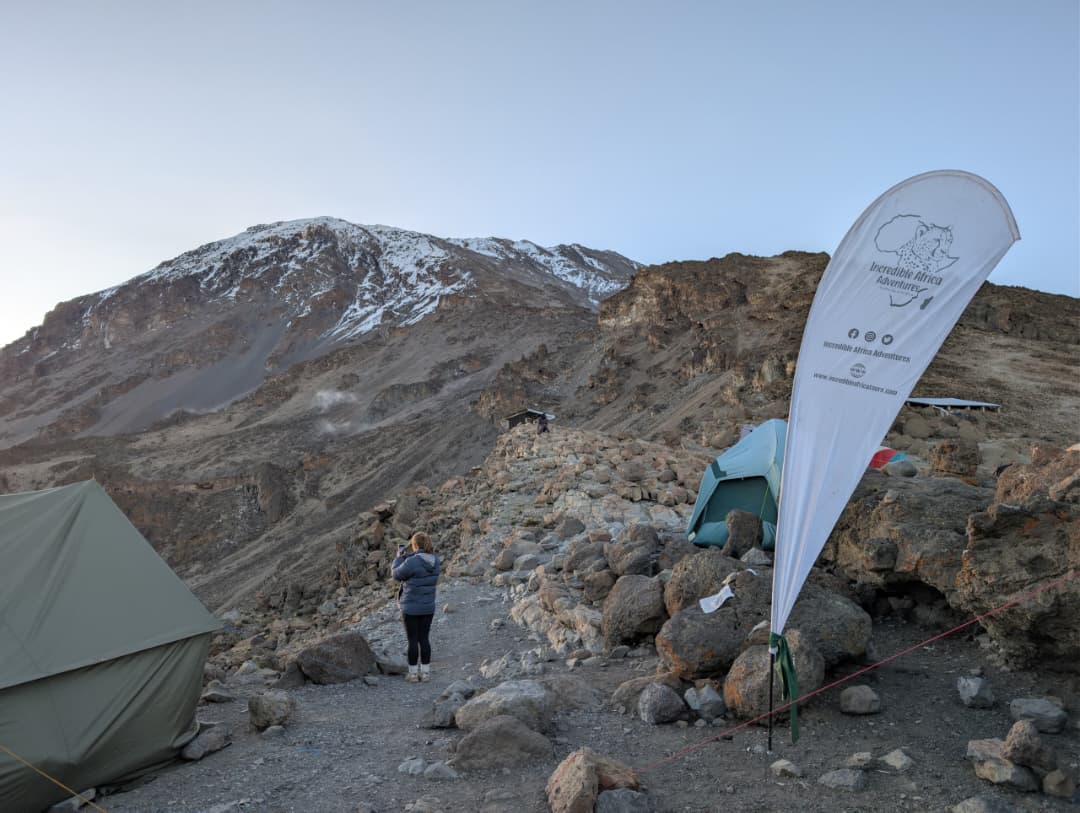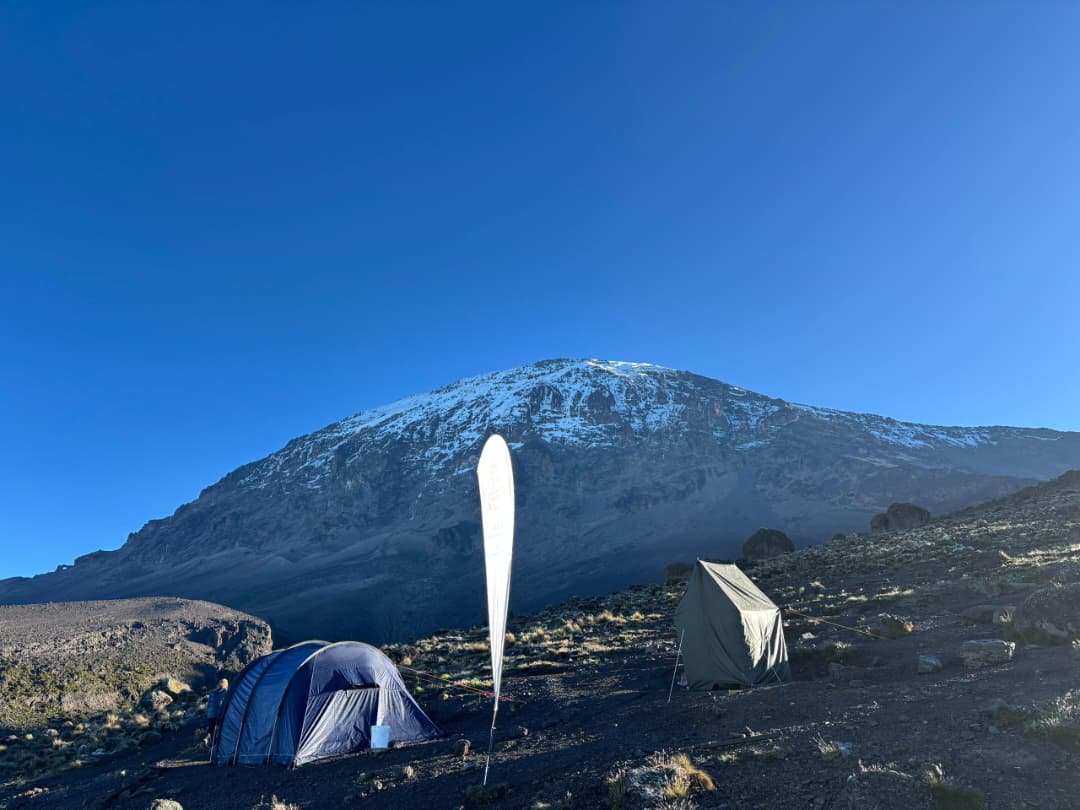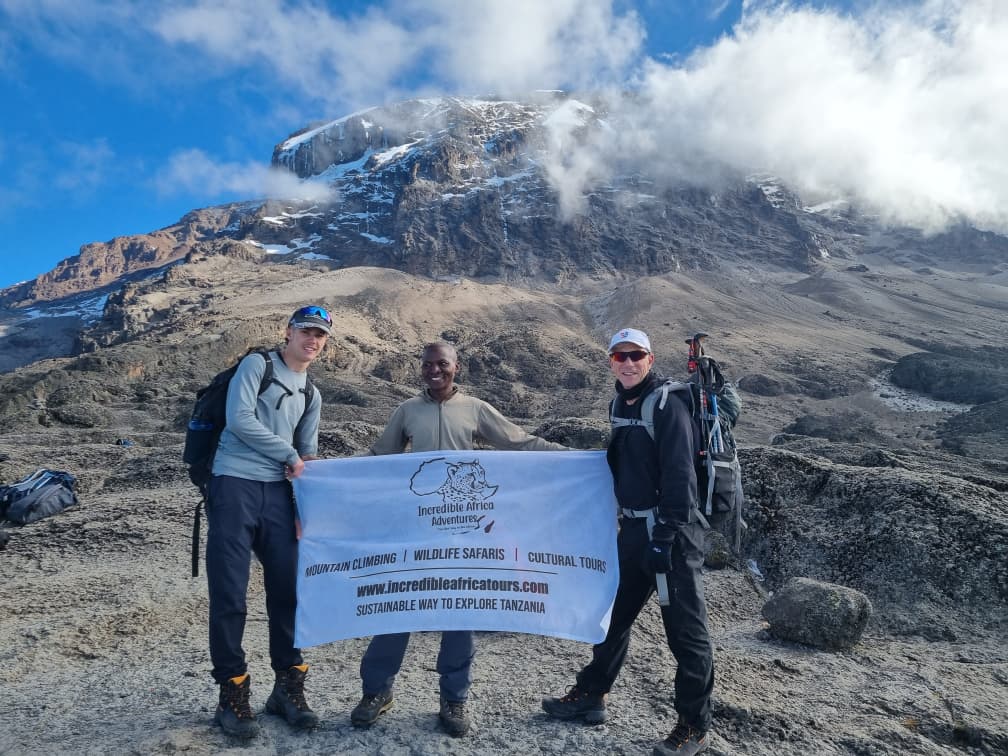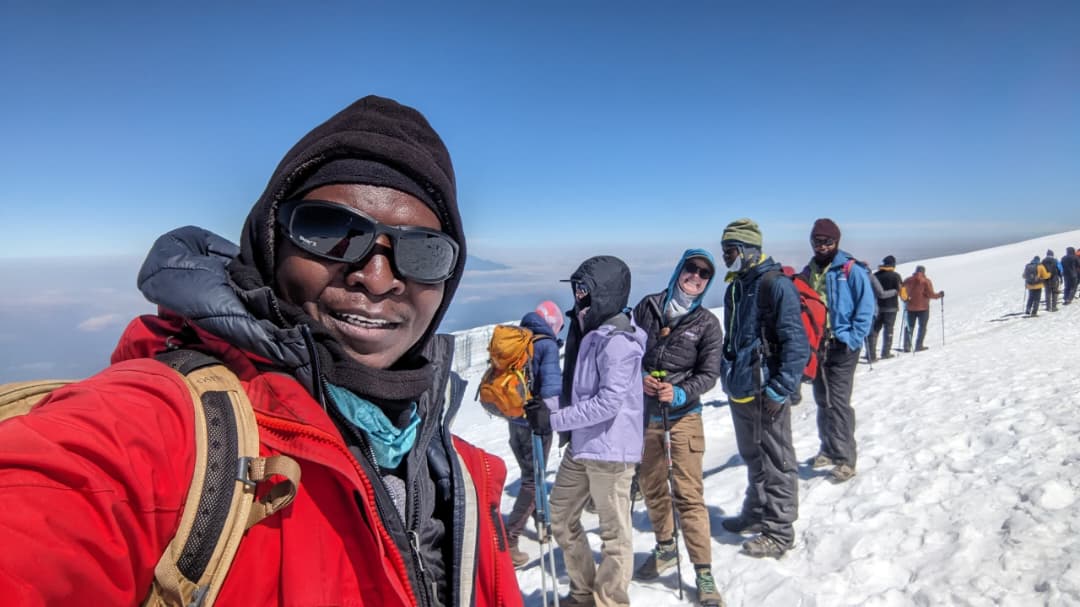
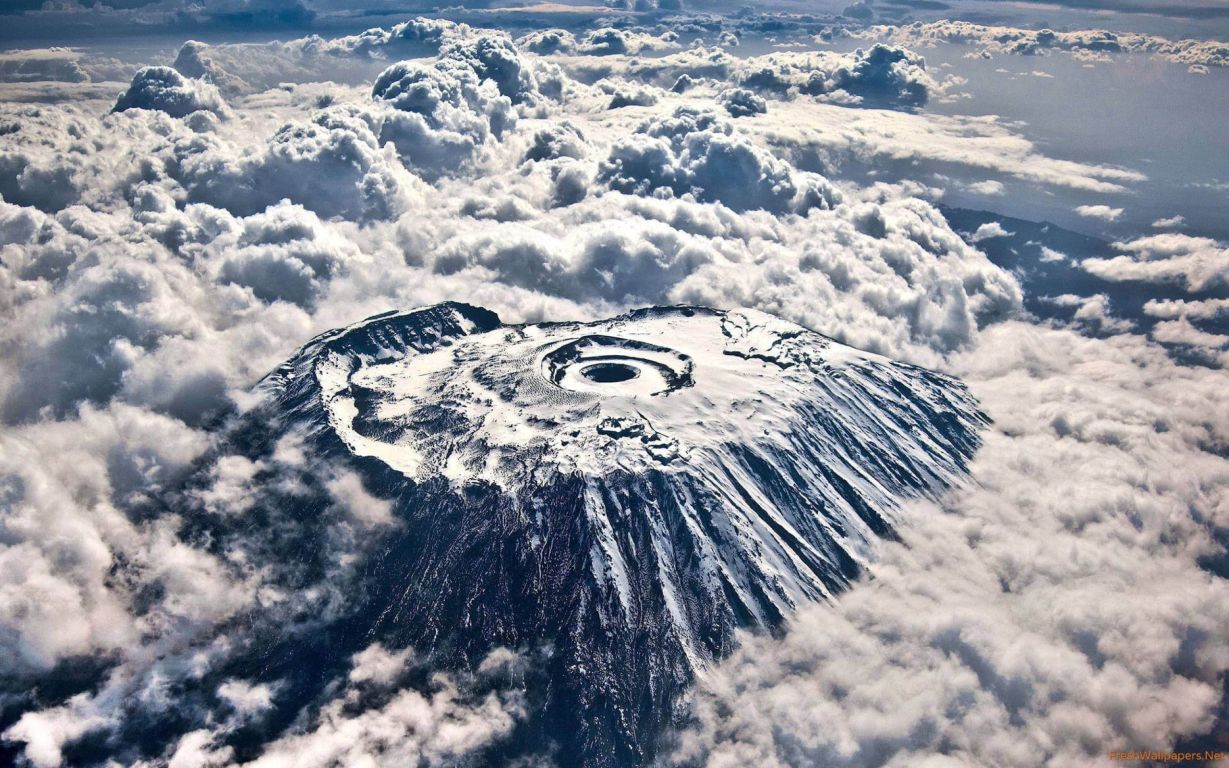
Climbing Mount Kilimanjaro, Africa’s highest mountain at 5,895 meters (19,341 feet), is one of the most extraordinary adventures in the world. Every year thousands of trekkers travel to Tanzania to attempt the journey to Uhuru Peak, the legendary Roof of Africa.
Before starting this incredible expedition, many travelers have important questions about the climb, including the best time to trek, daily hiking distances, altitude safety, and preparation requirements.
Below are the most frequently asked questions about climbing Mount Kilimanjaro, answered by the experienced mountain team at Incredible Africa Adventures to help you prepare confidently for your adventure.
Mount Kilimanjaro can be climbed throughout the year, but some months offer better weather and trekking conditions. The most popular climbing seasons are January to March and June to October, when the weather is generally dry and skies are clearer.
January and February often provide stable weather and fewer crowds compared to the busy mid-year season. June through October is the most popular period because of excellent visibility and dry trails.
The months of April and May are the long rainy season, which can bring muddy trails and heavy cloud cover. November experiences lighter rains but remains a quieter time for climbers seeking fewer crowds. Choosing the best time to climb Kilimanjaro depends on your preferences for weather, scenery, and crowd levels.
Daily hiking distances vary depending on the Kilimanjaro route and altitude. Instead of measuring by kilometers alone, trekking days are typically described by hiking hours.
Most trekking days begin with breakfast around 6:30 AM, followed by hiking starting around 7:00 AM. Morning hikes usually last four to five hours before reaching a lunch stop or the next camp. After resting and enjoying lunch, climbers often continue trekking for an additional one to two hours to reach the overnight campsite.
The most challenging day of the expedition is summit day, which begins around midnight and can involve 10 to 15 hours of hiking to reach Uhuru Peak and descend safely to a lower camp. Throughout the trek, guides encourage climbers to move “pole pole”, meaning slowly and steadily, which helps the body adjust to the altitude.
The final ascent to the summit begins during the night for several important reasons. Starting before dawn allows climbers to reach the summit at sunrise, offering breathtaking views above the clouds and the surrounding glaciers. The early start also helps climbers avoid stronger winds and intense sunlight later in the day.
Another important reason is safety. Beginning early ensures that climbers have enough daylight to descend safely to lower camps after reaching the summit. Although summit night is physically demanding, witnessing the sunrise from the top of Africa is one of the most unforgettable moments of the entire journey.
Climbers only need to carry a lightweight daypack during the trek, typically weighing between two and four kilograms. This daypack usually contains essentials such as water, snacks, extra clothing layers, sunscreen, and personal items.
Professional porters carry the rest of your equipment, including your main duffel bag, which typically weighs up to 12 kilograms. Any additional luggage that is not needed on the mountain can be safely stored at your hotel until you return from the climb.
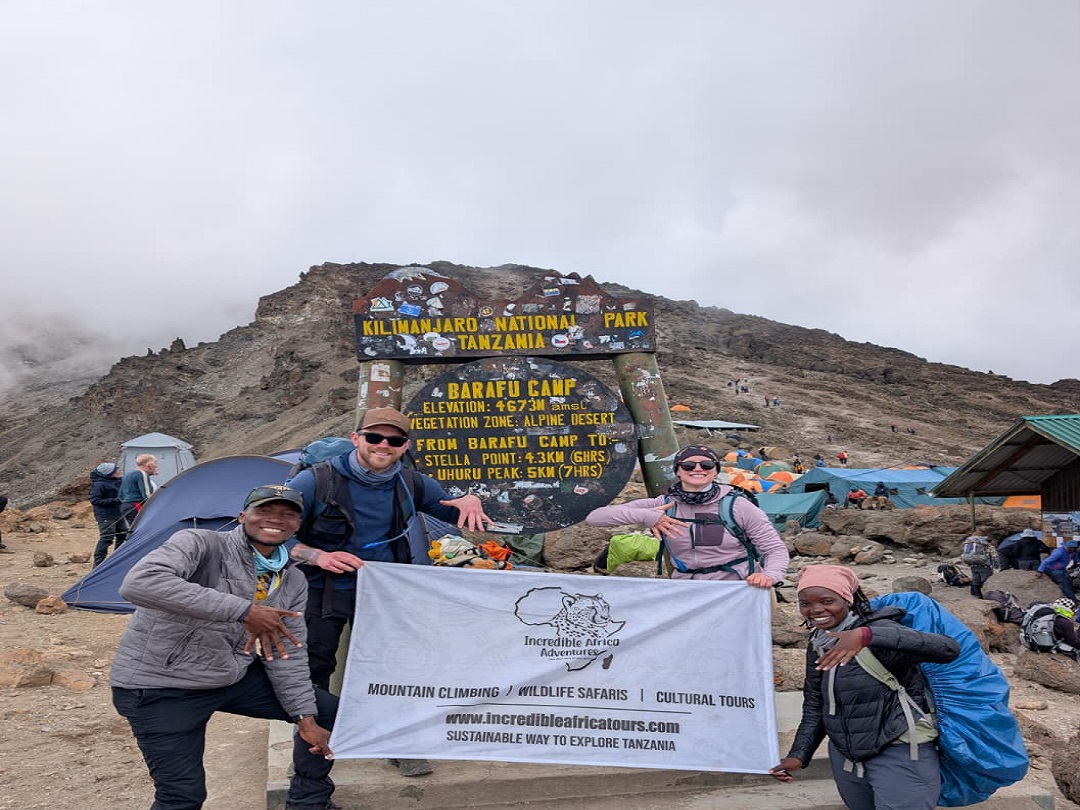
Every Kilimanjaro expedition is supported by a dedicated team of mountain professionals. Your team typically includes experienced mountain guides, porters, and a cook who work together to ensure your safety and comfort throughout the climb.
Guides lead the trek, monitor your health and acclimatization, and provide expert advice during the journey. Porters carry equipment, tents, and food supplies, while the cook prepares nutritious meals each day. The support team-to-climber ratio is usually three staff members for every climber, ensuring personalized attention and excellent service throughout the expedition.
Incredible Africa Adventures provides essential camping equipment such as tents, cooking gear, and dining tents.
Climbers should bring personal gear including:
A detailed packing list is provided once your climb is confirmed to ensure you are fully prepared.
Most Kilimanjaro routes use high-quality mountain tents for overnight accommodation. These tents are double-walled, weather-resistant, and designed for high-altitude conditions.
The only route that uses huts is the Marangu Route, where climbers stay in simple A-frame mountain huts with bunk beds and shared facilities. Although accommodations are basic, they are comfortable and designed to keep climbers warm and well rested.
Proper nutrition is essential for maintaining energy during the climb. Our mountain chefs prepare fresh and nutritious meals throughout the expedition.
Typical meals include:
Meals are designed to provide enough energy for trekking while also accommodating dietary requirements whenever possible.
Yes. Drinking water provided during the climb is carefully purified and treated to ensure it is safe for consumption. Climbers are encouraged to carry two to three liters of water each day to stay properly hydrated while trekking at altitude.
If a climber is unable to continue due to altitude sickness or fatigue, guides will accompany the individual safely back to a lower altitude camp.
Safety always comes first, and decisions are made carefully to ensure every climber remains healthy and protected throughout the expedition. Even if someone cannot reach the summit, the experience of trekking on Mount Kilimanjaro remains an incredible achievement.
Altitude sickness is one of the most important factors when climbing Kilimanjaro.
Proper acclimatization, hydration, and pacing help minimize the risk. Guides monitor climbers daily by checking oxygen levels and overall health. Climbers should also arrive in good physical condition and consult their doctor before traveling, particularly if they have existing medical conditions.
Yes. All Kilimanjaro expeditions organized by Incredible Africa Adventures include comprehensive safety procedures.
Guides carry first aid kits, emergency oxygen, and communication equipment. If necessary, evacuation services can be arranged through Kilimanjaro National Park rescue teams. These measures ensure that climbers receive immediate assistance if needed.
Travelers may require certain vaccinations depending on their country of origin.
Yellow fever vaccination may be required if arriving from a country where the disease is present. Other recommended vaccines may include hepatitis A, hepatitis B, typhoid, and tetanus. Travelers should consult their healthcare provider before departure for personalized advice.
Most Kilimanjaro climbs take six to nine days, depending on the route and itinerary.
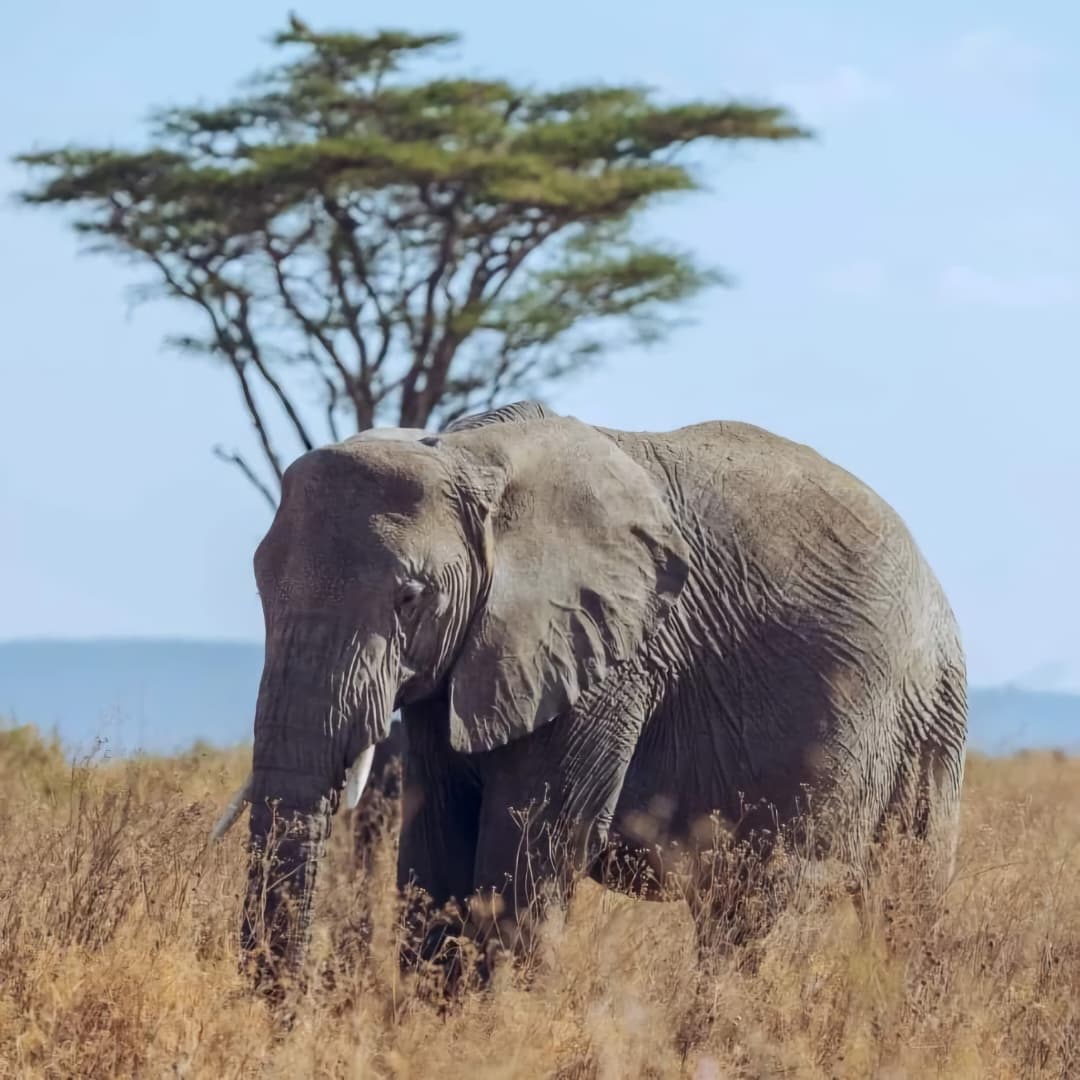
Longer itineraries allow better acclimatization and significantly improve summit success rates. Many travelers also combine their Kilimanjaro climb with additional adventures such as Mount Meru trekking or a Tanzania wildlife safari after reaching the summit.
Incredible Africa Adventures is a locally owned tour company dedicated to creating safe, ethical, and unforgettable Kilimanjaro experiences.
Our professional guides, carefully planned itineraries, and commitment to responsible tourism ensure that every climber receives exceptional service and support. From the first step of planning your expedition to the moment you stand on the summit of Africa, our team is here to guide you every step of the way.
Climbing Mount Kilimanjaro is an extraordinary journey filled with challenge, beauty, and personal achievement. If you are ready to begin your adventure to the Roof of Africa, contact Incredible Africa Adventures today and let our experienced team help you plan the climb of a lifetime.
Drop us a line. Our tour experts will answer all your questions shortly