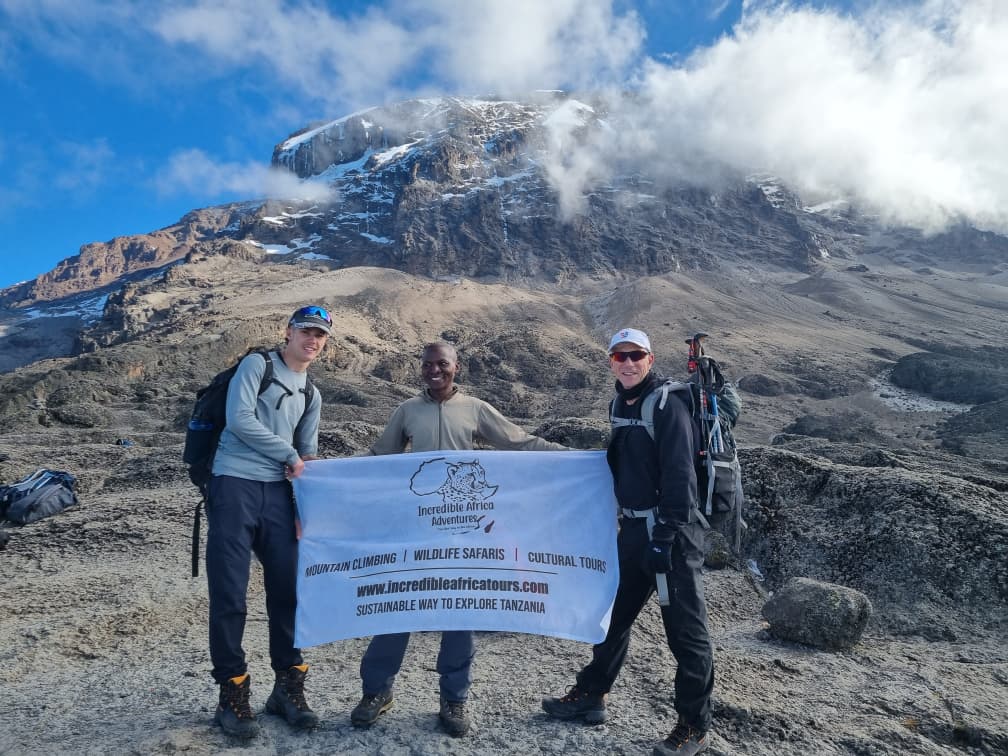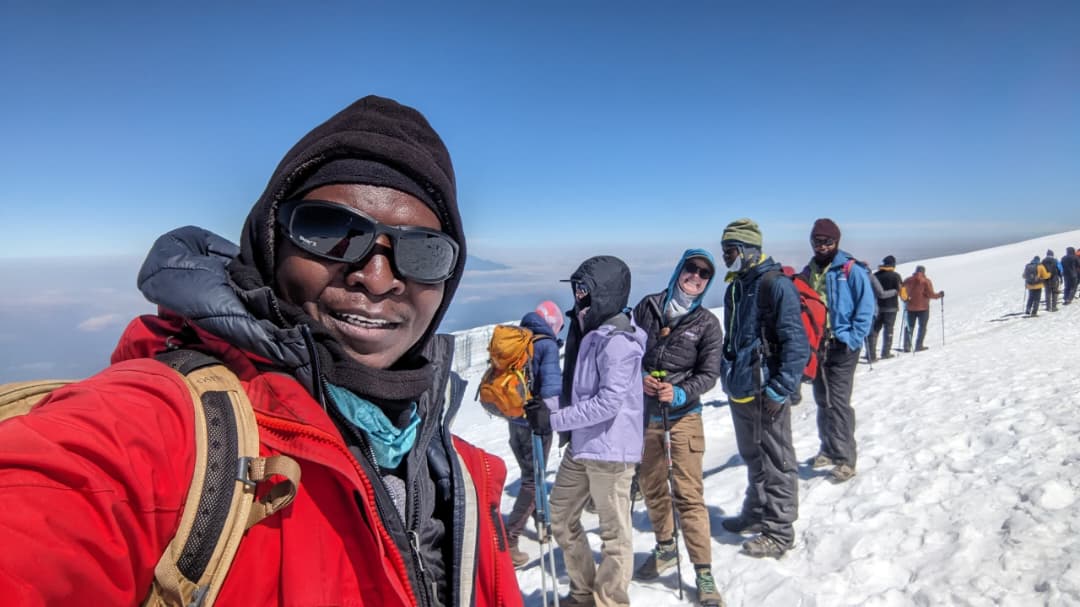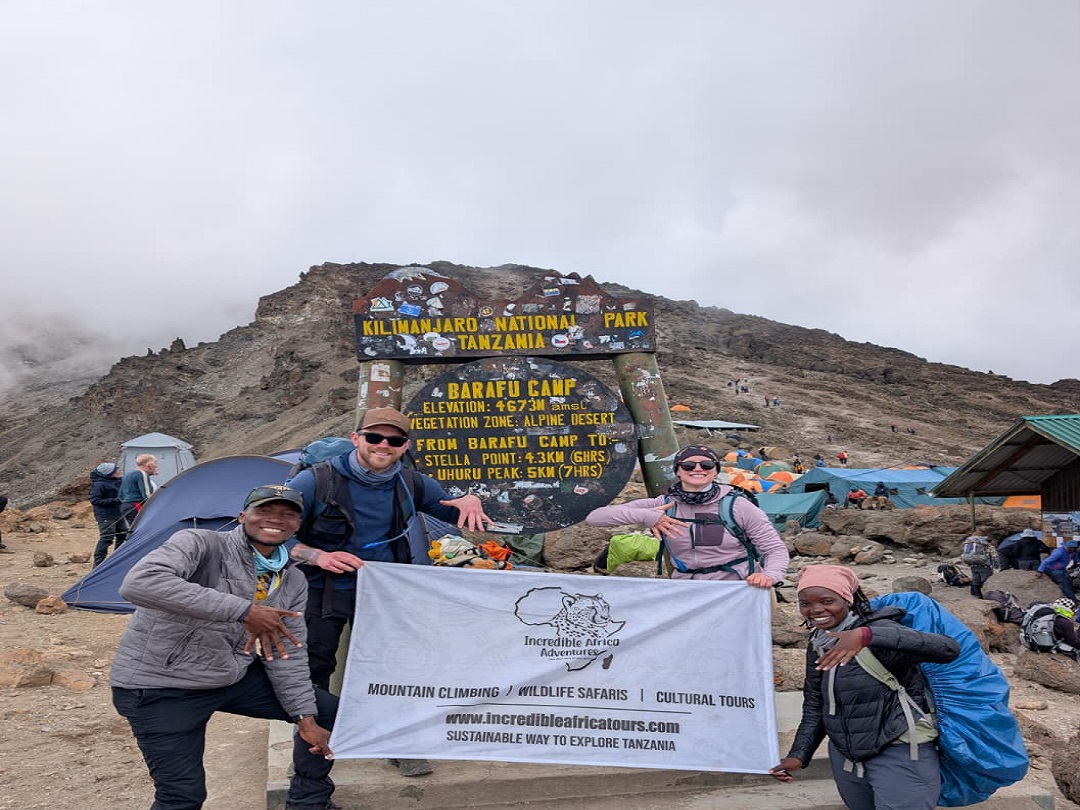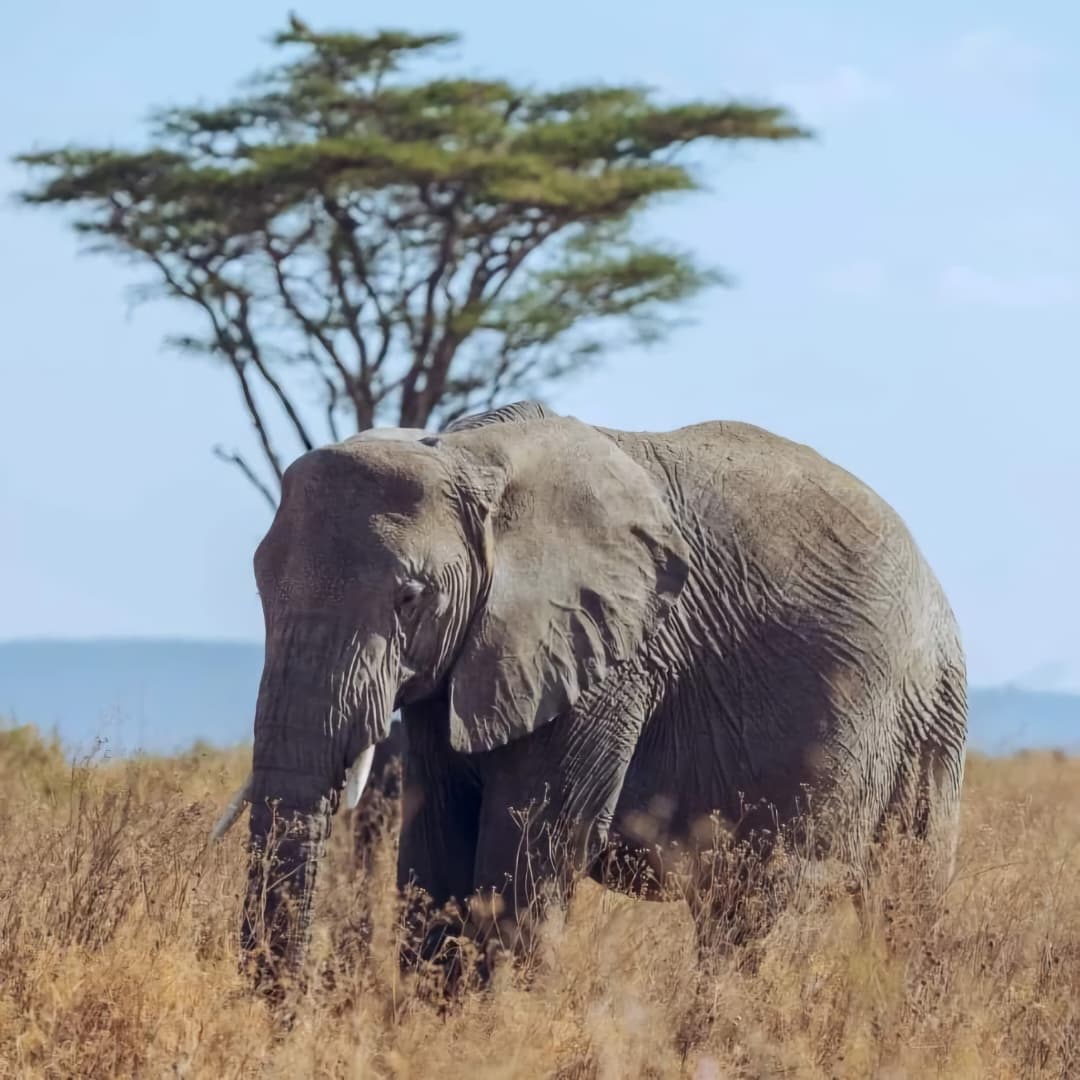
Climbing Mount Kilimanjaro, Africa’s highest mountain at 5,895 meters (19,341 feet), is one of the most inspiring adventures a traveler can experience. Each year thousands of climbers travel to Tanzania to challenge themselves on this legendary peak and stand proudly on the Roof of Africa.
Although Kilimanjaro is considered a non-technical trekking mountain, reaching the summit safely requires proper preparation, professional guidance, and responsible planning. The mountain’s altitude, changing weather conditions, and long trekking days make safety an essential part of every successful expedition.
At Incredible Africa Adventures, safety is the foundation of every Kilimanjaro climb we organize. Our experienced local team follows proven mountain safety systems developed through years of guiding climbers on Kilimanjaro. From daily health monitoring to carefully designed itineraries and emergency preparedness, every detail of your journey is planned to ensure your climb is safe, comfortable, and unforgettable.
This guide explains the safety procedures, daily routines, and professional standards that allow our climbers to reach the summit with confidence.
Yes, climbing Mount Kilimanjaro is generally safe when done with a reputable tour operator and a well-planned itinerary. Unlike technical mountains that require ropes or climbing equipment, Kilimanjaro is a trekking peak where climbers walk to the summit along established mountain trails.
The main challenge on Kilimanjaro is altitude, not technical climbing difficulty. As climbers ascend above 3,000 - 4000 meters, the oxygen level decreases significantly, which can cause altitude sickness if the body does not have enough time to adapt.
For this reason, experienced guides focus on three critical safety principles:
With these systems in place, most healthy climbers have an excellent chance of safely reaching the summit.
One of the most important decisions when planning your Kilimanjaro adventure is choosing the right tour operator. A professional guiding company ensures that every part of the climb is organized with safety and climber well-being in mind.
At Incredible Africa Adventures, we combine deep local knowledge of the mountain with internationally recognized trekking standards. Our guiding philosophy is simple: every climber deserves the safest possible journey to the summit.
Our Kilimanjaro safety system includes:
These elements work together to create a safe environment where climbers can focus on enjoying the adventure.
Experienced guides are the most important part of a safe Kilimanjaro climb. Our guides are licensed professionals with extensive knowledge of the mountain’s terrain, weather patterns, and altitude challenges.
Every guide working with Incredible Africa Adventures receives training in:
Throughout the trek, guides carefully observe each climber’s physical condition and energy level. Their ability to detect early signs of altitude sickness allows them to make safe decisions that protect climbers and increase summit success rates.
Health monitoring is one of the most important safety procedures during a Kilimanjaro climb. At Incredible Africa Adventures, guides perform daily health checks to ensure climbers are adapting well to altitude.
These checks typically include measuring:
By monitoring these indicators, guides can quickly identify potential problems and take appropriate action before symptoms become serious. This careful approach to health monitoring plays a major role in maintaining safety during the climb.
Reliable equipment is essential for trekking in the challenging environment of Mount Kilimanjaro. Weather conditions can change quickly, especially at higher altitudes where temperatures can drop well below freezing during summit night.
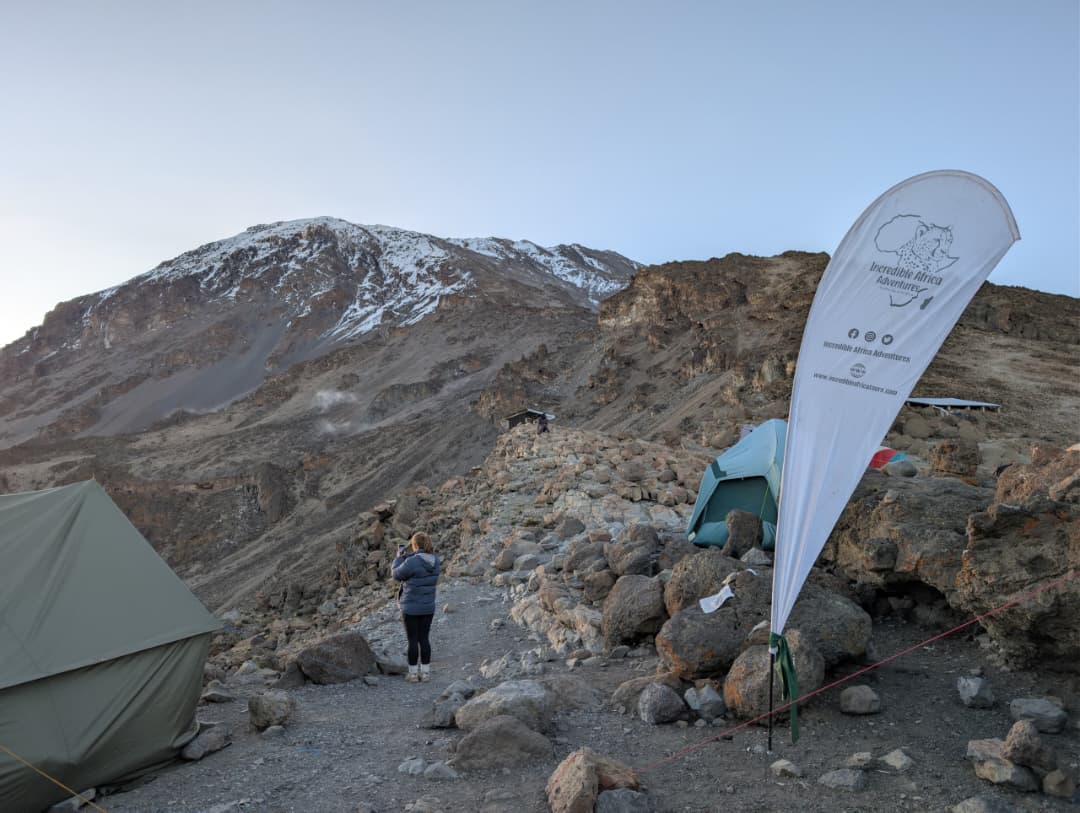
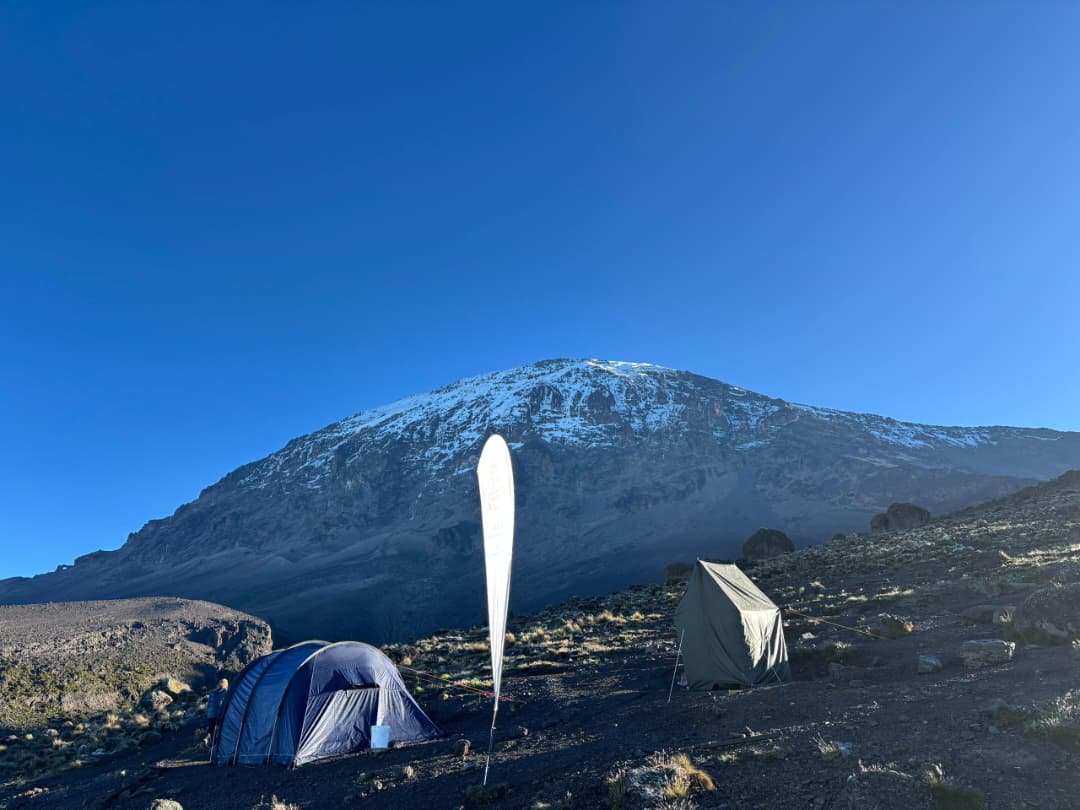
Incredible Africa Adventures provides professional expedition equipment designed specifically for high-altitude trekking. This includes durable mountain tents, warm sleeping systems, and well-maintained cooking gear that ensures climbers remain comfortable throughout the journey.
Access to clean drinking water and nutritious meals is also a critical part of expedition safety. Our experienced mountain chefs prepare balanced meals that provide the energy needed for long days of trekking while maintaining proper hydration and nutrition.
Although serious emergencies on Kilimanjaro are rare, proper preparation is essential for every expedition.
Our mountain teams carry emergency equipment that includes oxygen cylinders, medical kits, and reliable communication systems. Guides are trained to respond quickly to altitude-related problems or injuries and coordinate evacuation procedures when necessary.
Kilimanjaro National Park also maintains established evacuation protocols, including stretcher evacuations and helicopter rescue services for critical situations. Having a trained team and clear emergency procedures ensures that climbers are supported in every possible situation.
A structured daily routine helps maintain both safety and comfort during a Kilimanjaro expedition. Each day begins with a gentle wake-up call from the mountain crew, followed by warm drinks and breakfast before the day’s trek begins. Guides then conduct health checks and provide a briefing about the day’s route, weather conditions, and expected trekking time.
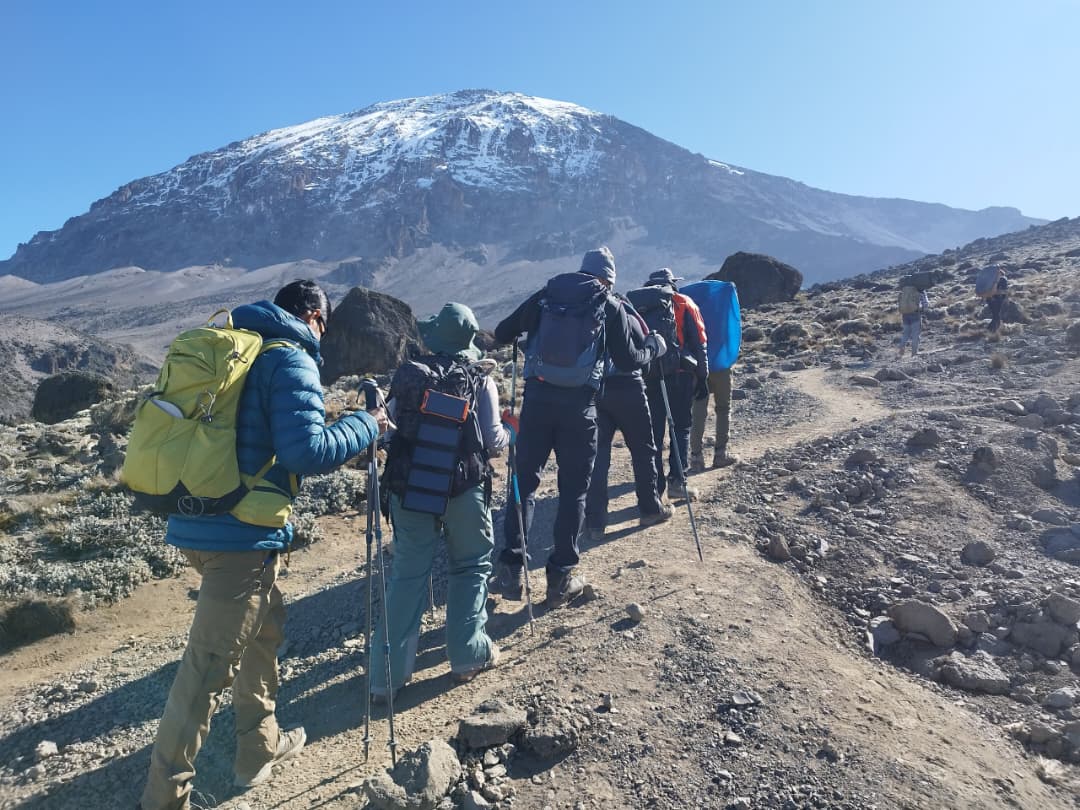
During the hike, climbers follow the famous Kilimanjaro trekking pace known as “pole pole,” a Swahili phrase meaning “slowly, slowly.” Walking slowly allows the body to adjust to altitude and helps conserve energy for the summit attempt.
Regular hydration is also essential. Climbers are encouraged to drink three to four liters of water each day to support acclimatization and prevent dehydration.
In the evening, climbers arrive at camp where tents are already set up by the mountain crew. After dinner, guides review the day’s progress and explain the next stage of the climb before everyone rests for the night.
Altitude sickness is the most common challenge climbers face on Kilimanjaro. It occurs when the body struggles to adapt to lower oxygen levels at higher elevations.
Symptoms can include headaches, fatigue, nausea, dizziness, and difficulty sleeping. Although these symptoms are common at high altitude, proper acclimatization greatly reduces the risk of serious altitude illness.
Our Kilimanjaro climb itineraries are carefully designed to support acclimatization through gradual altitude gain. Many routes also follow the proven strategy of “climb high, sleep low,” where climbers hike to higher elevations during the day before returning to a lower camp to sleep.
Choosing longer Kilimanjaro climb routes such as the Lemosho Route or Northern Circuit significantly improves the body’s ability to adapt to altitude and increases overall summit success rates.
Safety on Kilimanjaro also includes responsible treatment of the mountain environment and the local communities that support each expedition.
At Incredible Africa Adventures, we follow responsible tourism practices that protect both the mountain and the people who work on it. Our company is committed to fair wages, proper working conditions, and ethical treatment of porters and guides.
We also follow strict environmental principles designed to protect Kilimanjaro’s fragile ecosystems. These include waste management systems and Leave No Trace practices that preserve the mountain’s natural beauty for future generations.
Responsible tourism ensures that Kilimanjaro remains one of the world’s most extraordinary trekking destinations.
Climbing Mount Kilimanjaro is a powerful personal achievement that requires determination, preparation, and the right guiding team. When safety procedures are followed and climbers move at a steady pace, the journey becomes both achievable and deeply rewarding.
At Incredible Africa Adventures, we are proud to guide climbers from around the world to the summit of Africa’s highest mountain. Our experienced guides, strong safety systems, and commitment to ethical tourism allow every climber to pursue their dream with confidence.
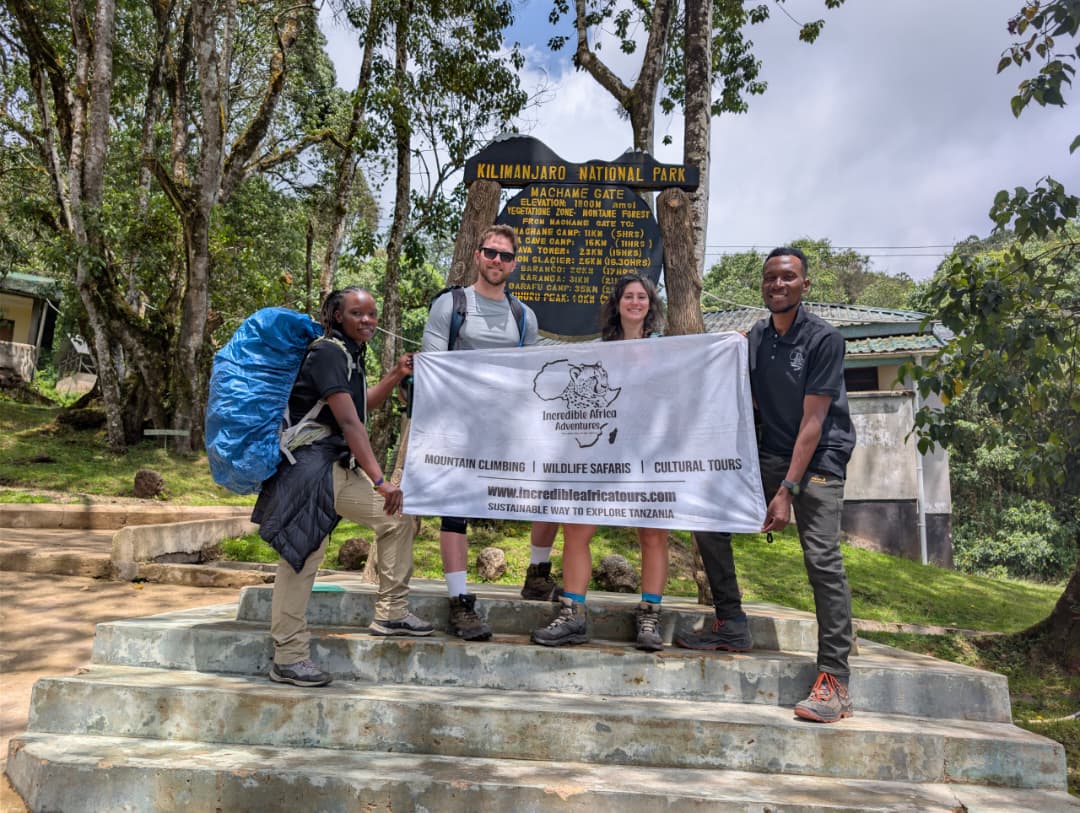
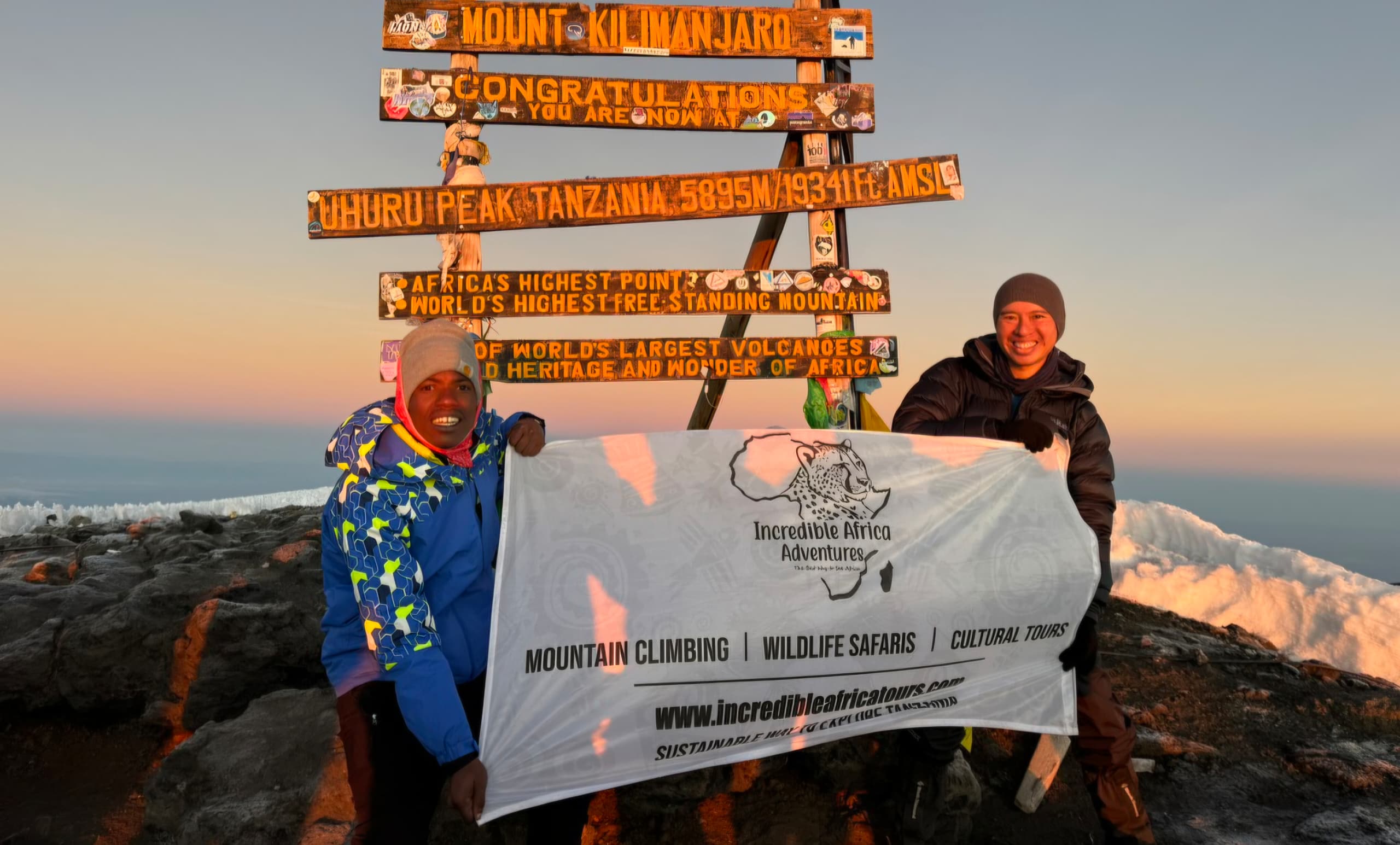
From the lush rainforest at the base of the mountain to the sunrise at Uhuru Peak, we are dedicated to making your Kilimanjaro adventure safe, meaningful, and unforgettable.
Kilimanjaro is considered a safe trekking mountain when climbed with experienced guides and proper acclimatization. The biggest challenge is altitude rather than technical climbing difficulty.
Altitude sickness is the most common challenge climbers face. Gradual ascent, hydration, and professional guidance help reduce the risk significantly.
No technical climbing experience is required. However, good physical fitness and preparation for long hiking days are important.
Guides carry medical equipment and emergency oxygen, and they are trained to coordinate evacuations with Kilimanjaro National Park rescue services if necessary.
If you are ready to climb Africa’s highest mountain, the team at Incredible Africa Adventures is here to guide you safely every step of the way.
With professional guides, carefully planned Kilimanjaro climb itineraries, and a strong commitment to climber safety, we help adventurers from around the world experience the journey to the Roof of Africa with confidence and care. Your Kilimanjaro adventure begins with the right team.
Drop us a line. Our tour experts will answer all your questions shortly