Essential Boot Training Tips for Mount Kilimanjaro & Meru Climbs

How to Train in Your Boots for Mount Kilimanjaro Climbing and Mount Meru Treks: 6 Crucial Tips for a Successful Adventure


When preparing for a Mount Kilimanjaro climbing expedition or a Mount Meru trek, your boots are your most important gear. They are your foundation for every step — from the first trailhead to the final summit push. But even the best boots on the market can cause problems if you're not properly trained in them.


This guide outlines six essential boot training strategies to help you prevent injuries, increase efficiency, and ensure you're fully ready for your Mount Kilimanjaro hiking or Mount Meru climb adventure. These tips go beyond simply buying the right boots — they focus on how to train smart with your boots before ever setting foot on the mountain.


Whether you're taking on the majestic slopes of Mount Kilimanjaro, preparing for the rugged terrain of Mount Meru, or simply dreaming of tackling Africa's iconic mountains, these boot training tips are a critical part of your preparation.


Break in Your Boots Properly

Modern trekking and mountaineering boots often advertise themselves as “ready out of the box,” but the reality is that your feet need time to adjust — and so do your boots.


Why it matters:

  • Foot swelling and flexing during long uphill hikes changes how your boots feel over time.
  • Stiff materials need to mold to your unique foot shape to avoid hot spots and pressure points.
  • Proper break-in reduces the risk of painful blisters, which can ruin a multi-day trek or summit attempt.


How to do it:

  • Wear your boots around the house or during short daily walks.
  • Gradually increase usage — from 30-minute walks to full-day hikes on mixed terrain.
  • Use the same socks and insoles you'll wear on your Mount Kilimanjaro hike or Mount Meru trek.


Breaking in your boots may feel tedious, but it builds the foundation for a blister-free experience in the mountains.


Adapt Your Foot and Ankle Muscles

Trekking and mountaineering boots — especially those with stiff midsoles (B2 or B3 rated) — require different foot mechanics compared to everyday footwear.


Why it matters:

  • The stiff sole is necessary for mountain terrain but puts more strain on your ankle stabilizers and calf muscles.
  • Long descents from Mount Meru or Kilimanjaro can cause injuries like tendonitis or sprained ankles if you're not conditioned.


How to do it:

  • Train with your boots on a treadmill, stair stepper, or inclined path.
  • Perform ankle stability exercises like balance drills and heel raises.
  • Add a backpack to simulate real trekking conditions.


Strengthening your lower legs and stabilizers is essential for both Mount Meru climbs and Kilimanjaro summit pushes, where terrain becomes rocky and unpredictable.


Check Your Sock and Lacing System

Even the best boots can cause problems if your socks or lacing system aren’t dialed in correctly.


Why it matters:

  • Poor sock combinations can lead to sweaty feet, blisters, or nail trauma.
  • Incorrect lacing can cause pressure points or allow your foot to slide around inside the boot.


How to do it:

  • Test different sock combos:
  • Thin liner + thick outer sock
  • Just a medium or thick wool sock


Experiment with lacing techniques:

  • Lock lacing at the ankle
  • Looser forefoot vs tighter midfoot tension


Start this process early — ideally weeks or months before your Mount Kilimanjaro hiking trip or Mount Meru adventure. Once you find the ideal setup, stick with it for consistency and comfort.


Train Your Gait and Efficiency

Mountaineering boots change the way you walk. They’re heavier, stiffer, and demand a different stride — especially when you're climbing for hours at high altitude.


Why it matters:

  • An unnatural gait can waste energy, strain your joints, and slow you down during key parts of your ascent.
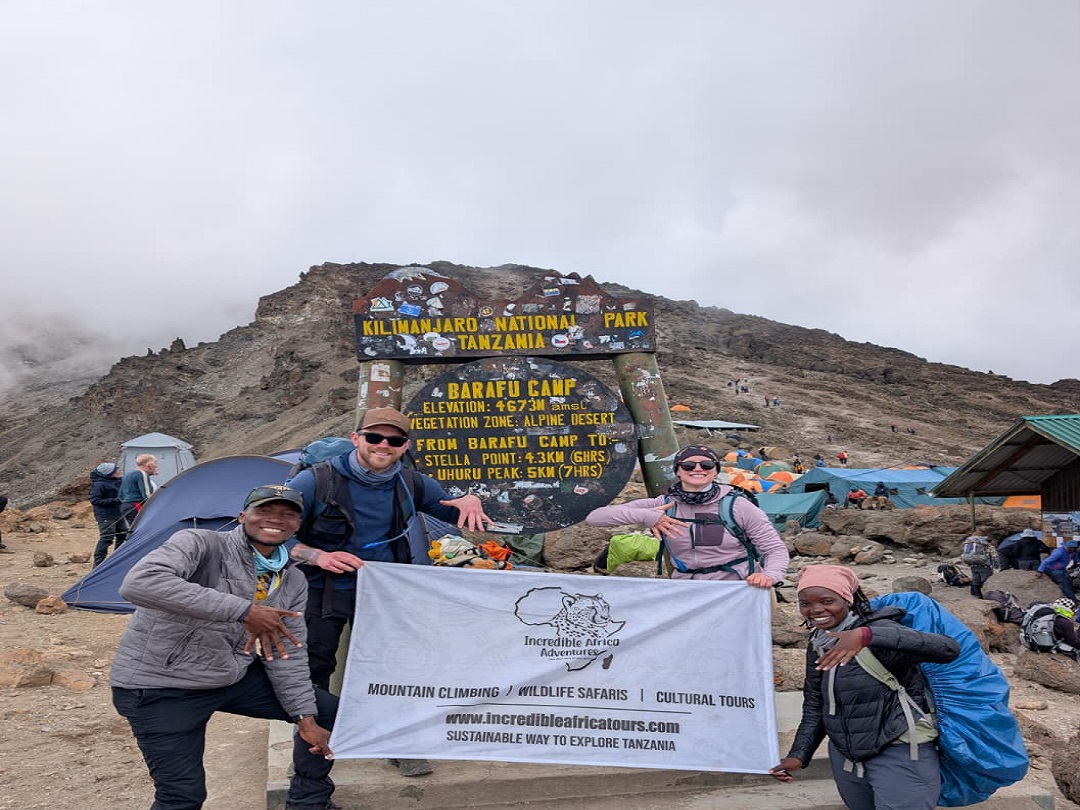
  • Efficient movement is vital on long summit days, particularly on Mount Kilimanjaro’s final ascent from Barafu Camp or Mount Meru’s midnight summit push.


How to do it:

  • Practice walking in your boots on inclined treadmills or stairways.
  • Work on the “rest step” technique, where you pause briefly with each step to conserve energy.
  • Focus on high-stepping, forward lean, and stable downhill technique.


Efficiency isn't just about speed — it's about protecting your body so you can reach the summit in good condition.


Condition Your Cardiovascular System Under Realistic Load

Hiking with heavy boots and a backpack taxes your cardiovascular system much more than casual walking or gym workouts.


Why it matters:

  • You'll be hiking for hours — sometimes 6 to 10 hours per day — with reduced oxygen at higher altitudes.
  • Training under load improves both muscle endurance and aerobic capacity, preparing you for the full challenge of climbing Mount Kilimanjaro or Mount Meru.


How to do it:

  • Perform treadmill or stair workouts in full trekking boots with a weighted backpack (start with 20-25 lbs).
  • Gradually increase duration and intensity over time.
  • Add intervals or hill training to boost your stamina and VO2 max.


Simulating mountain conditions as closely as possible will make the actual trek feel more manageable — and even enjoyable.


Build Mental Readiness

Last but not least, training in boots helps prepare your mind for the physical and emotional challenge of mountaineering.


Why it matters:

  • Summit days on both Mount Kilimanjaro and Mount Meru can feel endless — often beginning at midnight and lasting 10–14 hours.
  • Mental fatigue is just as real as physical fatigue.


How to do it:

  • Practice long, slow indoor walks in your boots — even around your home.
  • Use these sessions to listen to podcasts, audiobooks, or calming music.
  • Train your mind to embrace repetition and discomfort, knowing the payoff is the summit.


Building mental toughness before your trip is a hidden advantage — it will help you push through on the hardest sections of the climb.


Final Thoughts: Train Smart, Trek Strong

Whether you're setting out on the iconic Mount Kilimanjaro climbing adventure or taking on the challenging Mount Meru trek, your preparation should start from the ground up — with your boots.


By taking the time to train properly, break in your boots, and build strength and stamina, you’ll not only reduce the risk of injury but also improve your comfort, performance, and overall enjoyment on the mountain.


Both Mount Kilimanjaro and Mount Meru are life-changing experiences — let your preparation be part of that journey. With every step, you’re not just walking toward a summit — you’re walking toward a stronger, more confident version of yourself.


Ready to take the next step?

At Incredible Africa Adventures, we specialize in safe, sustainable, and unforgettable Mount Kilimanjaro climbs, Mount Meru hikes, and custom mountain treks. Our professional guides, top-quality gear, and personalized service ensure your mountain journey is everything you dreamed of — and more. Contact us today to start planning your mountain adventure in Tanzania!


Planning an Adventure in Tanzania?

Drop us a line. Our tour experts will answer all your questions shortly
Tell us your Travel Idea, We plan then you confirm

Customize your trip with a Sustainable travel company.