6-Day Mount Kilimanjaro Climb – Marangu Route Itinerary
Kilimanjaro Climbing
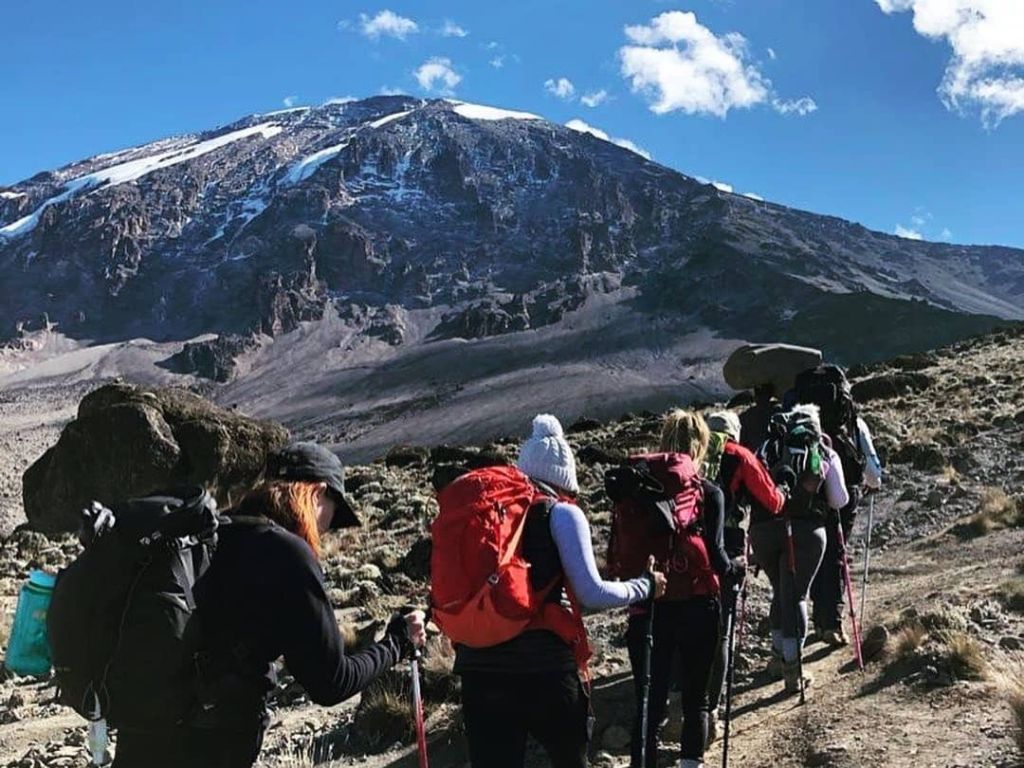
The 7-day Mount Kilimanjaro climb via the Umbwe Route is one of the most direct and challenging ascents to Uhuru Peak. Approaching from the south, Umbwe is known for its steep initial climb, rapid altitude gain, and quieter trail compared to other Kilimanjaro routes. It is best suited for experienced and well-prepared climbers seeking a demanding yet scenic route to the summit.
The trek begins with a steep ascent through dense rainforest before rising along dramatic ridgelines toward Barranco Camp, where it joins Kilimanjaro’s southern circuit. From here, climbers pass key landmarks such as Lava Tower and the Barranco Wall before ascending to Barafu Camp for the summit attempt. The descent follows the Mweka Route.
Although the 7-day Umbwe itinerary allows slightly more acclimatization than the 6-day version, the route remains physically demanding due to its rapid altitude gain. Strong fitness levels and previous trekking experience are recommended.
The Umbwe Route is recommended for experienced hikers who are comfortable with steep terrain and sustained high-altitude trekking. Climbers seeking a more gradual ascent may consider the Machame or Lemosho routes as alternatives. Umbwe appeals to those looking for a quieter, more intense Kilimanjaro experience.
Incredible Africa Adventures provides professionally guided Mount Kilimanjaro climbs led by certified mountain guides trained in high-altitude safety and wilderness first response. Daily health monitoring, structured pacing, and organized logistics ensure climbers are supported throughout the 7-day Umbwe Route.
We operate with a commitment to responsible trekking practices, fair porter treatment, and environmentally conscious operations on Mount Kilimanjaro. Our focus is safety, professionalism, and delivering a well-managed high-altitude experience.
Upon arrival at Kilimanjaro International Airport, our team will warmly welcome you and transfer you to your hotel in Moshi. You will meet your experienced mountain guide for a full briefing on your upcoming Kilimanjaro trek and an equipment check to ensure you’re well-prepared. Any missing gear can be rented on this day, so you’re all set for the adventure of a lifetime.
We then transfer through villages and coffee and banana plantations to Umbwe Gate. The trail ascends sharply on a forestry track which winds up the dense rain forest. The path narrows and steepens as we climb the ridge between two rivers surrounded by huge trees. Umbwe Camp is perched between trees and thick undergrowth.
The second day of the trek follows rockier terrain with sparse undergrowth and straggly, moss-covered trees. As we gain elevation, glimpses of Kilimanjaro can be seen. The path flattens as we approach Barranco Valley. From Umbwe ridge, the route descends to Barranco Camp through the strange but beautiful Senecio Forest.
Extra Day for Acclimatization. Adding this day will ease your effort, and amplify your acclimatization.
We begin the day by descending into a ravine to the base of the Great Barranco Wall. Then we climb the non-technical but steep, nearly 900 ft cliff. From the top of the Barranco Wall we cross a series of hills and valleys until we descend sharply into Karanga Valley. One more steep climb up leads us to Karanga Camp.
We leave Karanga and hit the junction which connects with the Mweka Trail. We continue up to the rocky section to Barafu Hut. At this point, you have completed the Southern Circuit, which offers views of the summit from many different angles. Here we make camp, rest and enjoy an early dinner to prepare for the summit day. The two peaks of Mawenzi and Kibo are viewable from this position.
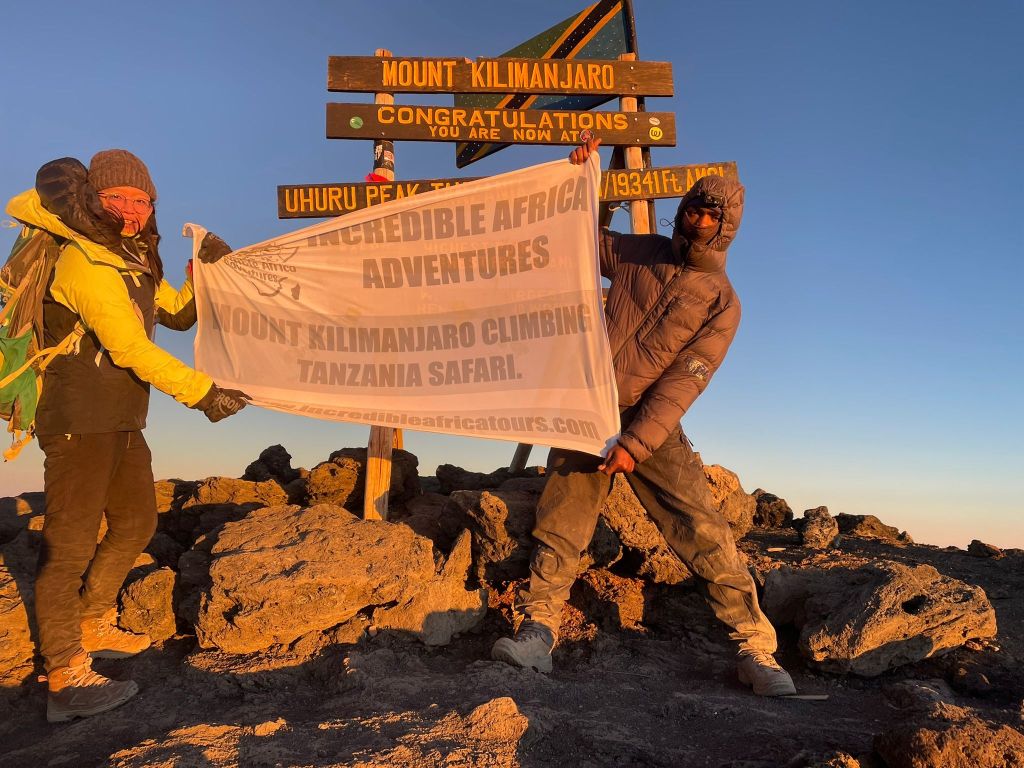
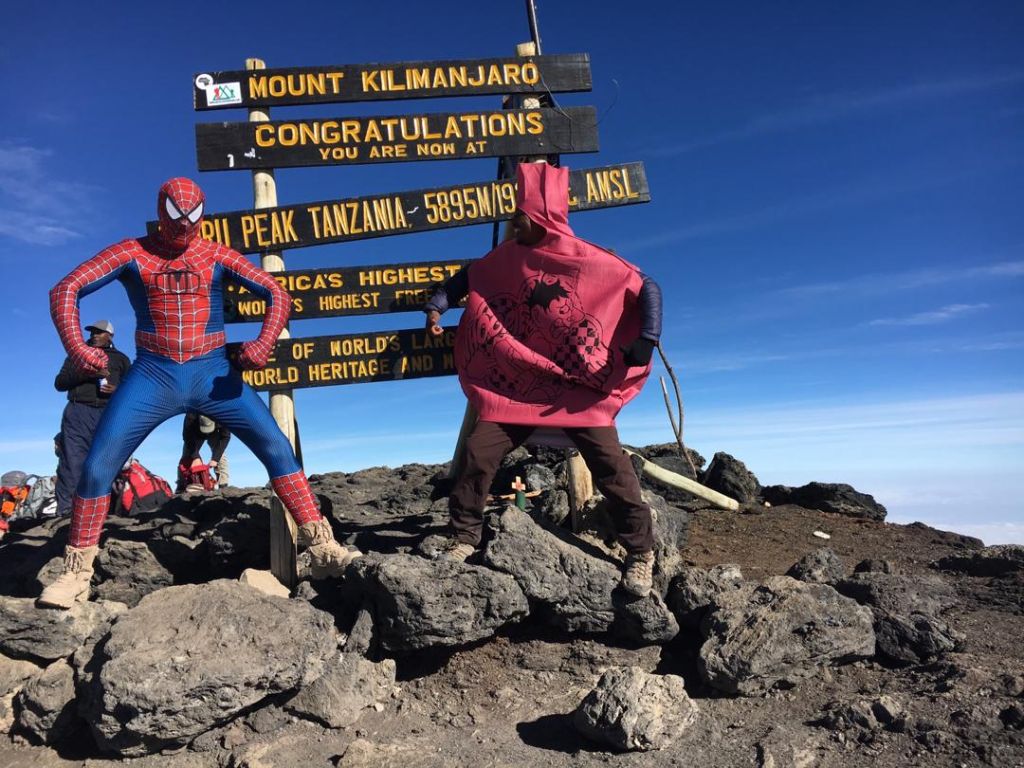
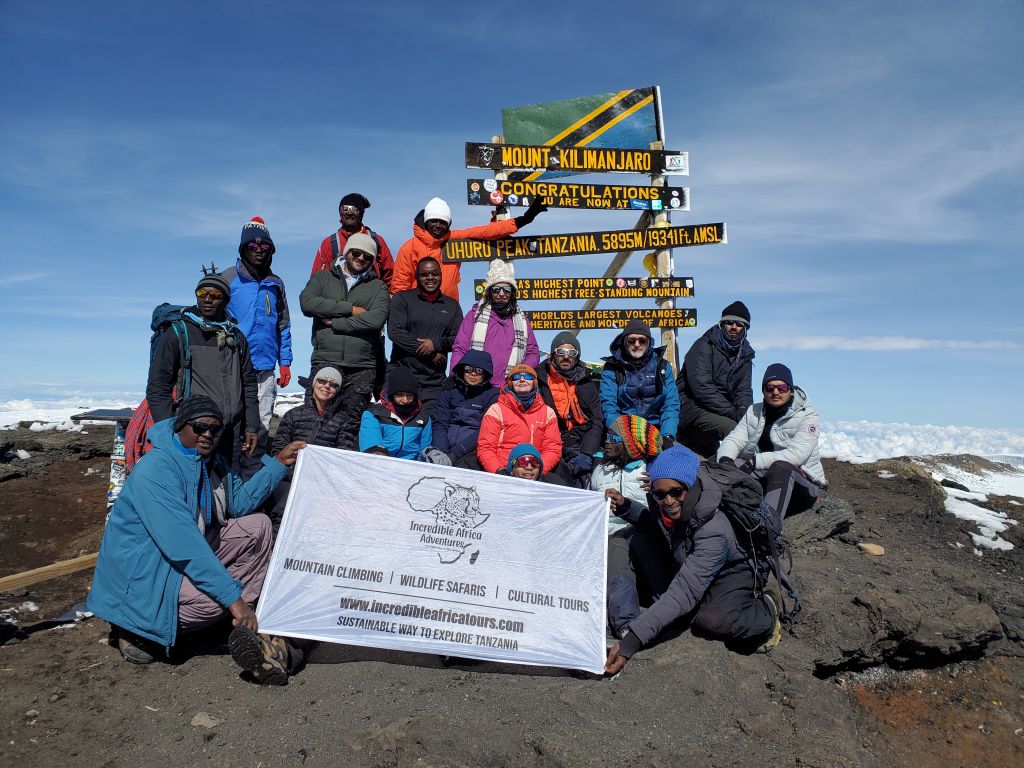
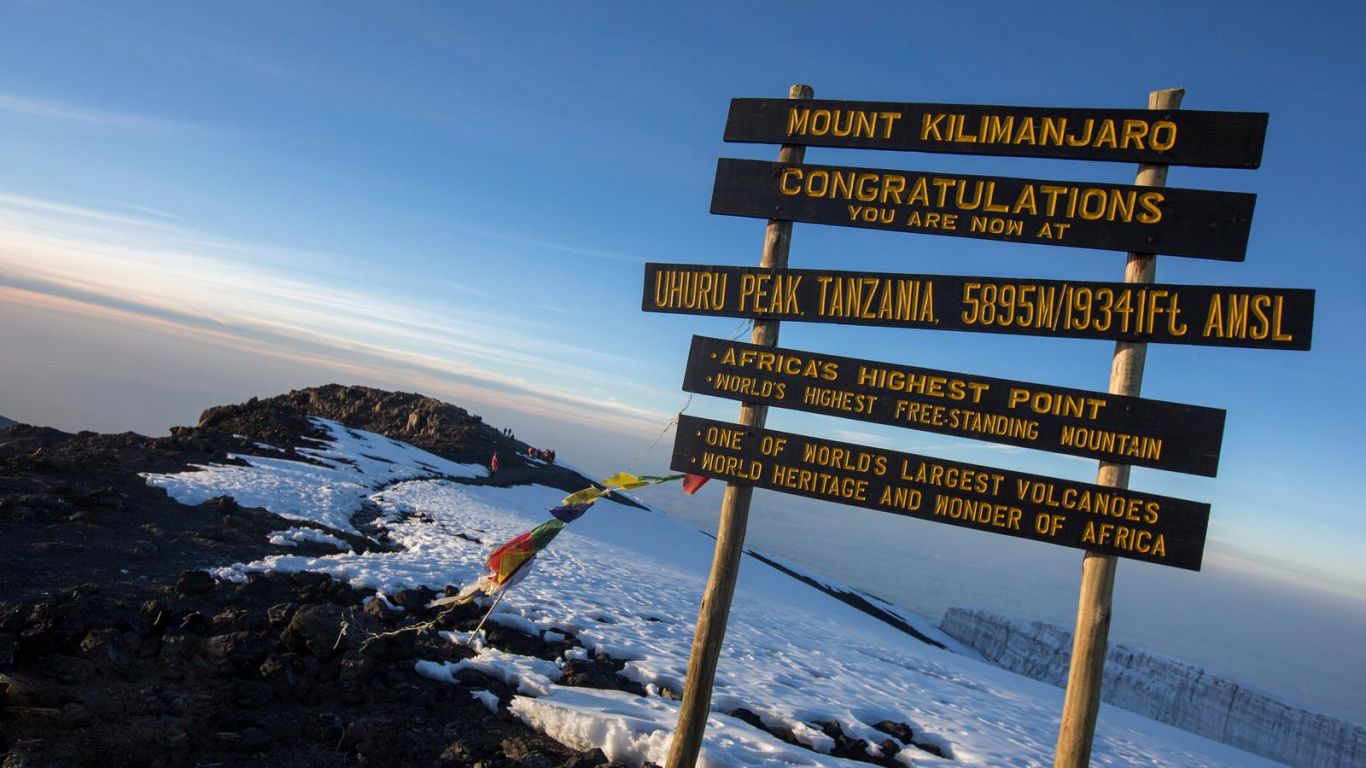
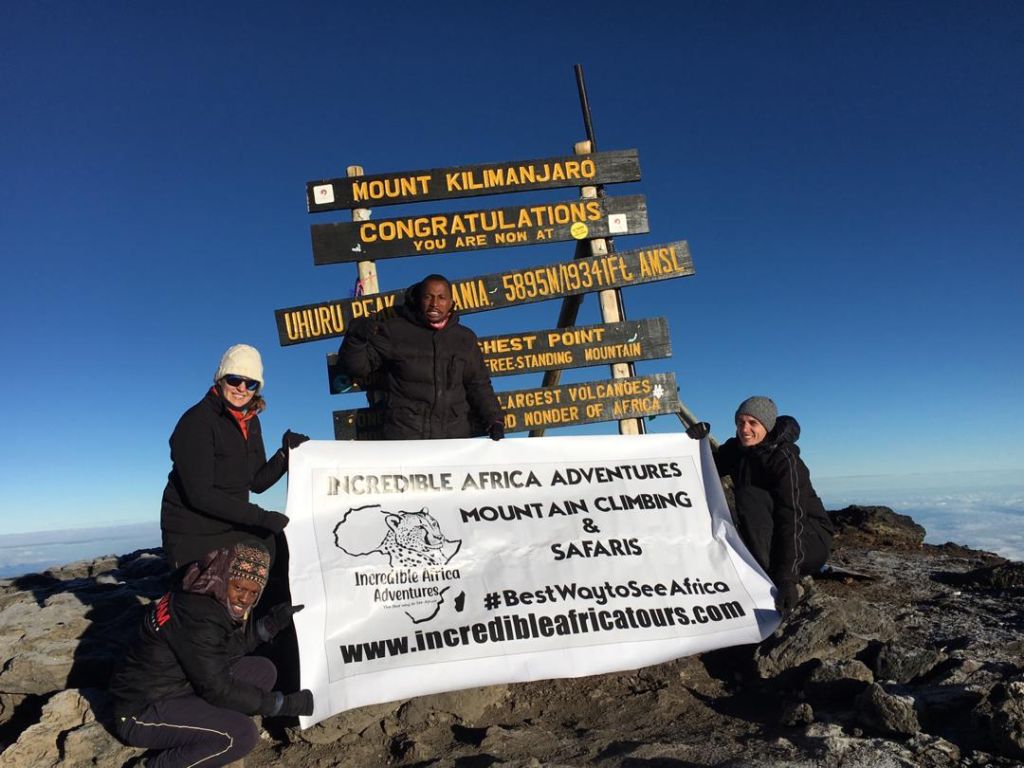
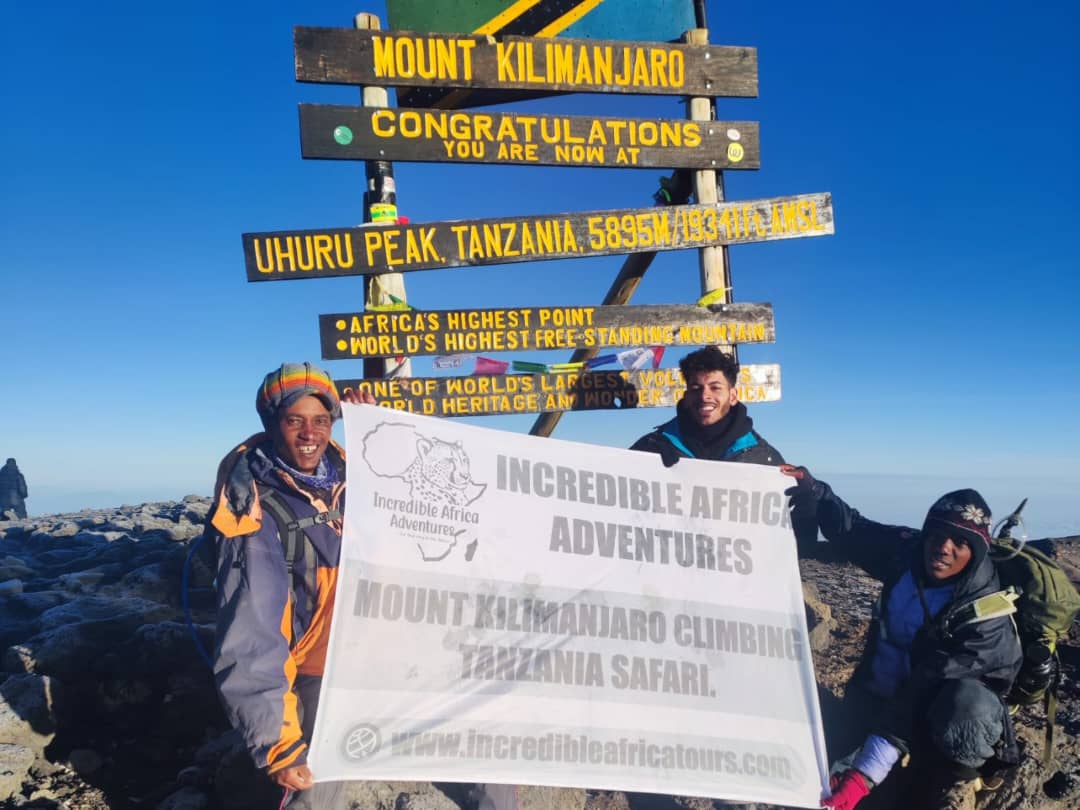
Very early in the morning (around midnight), we begin our push to the summit. This is the most mentally and physically challenging portion of the trek. The wind and cold at this elevation and time of day can be extreme. We ascend in the darkness for several hours while taking frequent, but short, breaks. Near Stella Point (18,900 ft), you will be rewarded with the most magnificent sunrise you are ever likely to see coming over Mawenzi Peak. Finally, we arrive at Uhuru Peak- the highest point on Mount Kilimanjaro and the continent of Africa.
From the summit, we now make our descent continuing straight down to the Mweka Hut camp site, stopping at Barafu for lunch. The trail is very rocky and can be quite hard on the knees; trekking poles are helpful. Mweka Camp is situated in the upper forest and mist or rain can be expected in the late afternoon. Later in the evening, we enjoy our last dinner on the mountain and a well-earned sleep.
On our last day, we continue the descent to Mweka Gate and collect the summit certificates. At lower elevations, it can be wet and muddy. From the gate, we continue another hour to Mweka Village. A vehicle will meet us at Mweka Village to drive us back to the hotel in Moshi.
Spend the day at leisure in Moshi, recovering from your trek. The day is left free to wind down after the trek before your flight back home. Depending on flight schedule, you may explore Moshi town and grab some souvenirs before heading to the airport.
Wildlife Safari tour, Zanzibar trip and other add-ons are available if you wish to continue exploring Tanzania.
$2750 per person when 1 person travels alone
$2350 per person when 2 – 4 persons travel together
$2250 per person when 5 – 10 persons travel together
$2050 per person when 11 – 15 persons travel together
For a tailored estimate, reach out to us directly to discuss your unique itinerary, group size, and desired comfort level. By understanding your specific needs and budget, we can provide a detailed, customized quote that aligns with your Kilimanjaro adventure goals. Let us help you plan the perfect climb with transparent pricing and options suited just for you!
Airport Transfers: Hassle-free transfers to and from Kilimanjaro International Airport and your accommodation in Moshi for a seamless start and finish.
Comfortable Accommodation: Two nights in Moshi—one night before your climb and one night after—designed for rest and relaxation.
Transportation: Reliable transport to and from the Kilimanjaro National Park gate, ensuring timely access to the trail.
All Necessary Fees: Coverage of Kilimanjaro National Park entry fees, camping fees, and rescue fees for your peace of mind.
High-Quality Gear:
>Four-Season Mountain Tents: Durable and weatherproof tents to keep you safe and comfortable in all conditions.
>Double-Layered Sleeping Mats: Extra comfort and insulation for restful nights on the mountain.
Professional Support Team: Knowledgeable and experienced mountain guides, a skilled cook, and hardworking porters to support your journey.
Daily Hot Meals: Nutritious, freshly prepared hot meals served three times daily to keep you energized.(We are happy to accommodate any dietary restrictions or requests.)
Clean Drinking Water: Unlimited supply of treated and filtered water to keep you hydrated throughout your climb.
Hot Water for Washing: Daily provision of hot water for washing, ensuring you stay refreshed during your adventure.
Ethical Treatment of Crew: We prioritize the fair treatment and proper payment of our guides, cooks, and porters, ensuring a motivated and supportive team.
Enhanced Safety Measures:
>Portable oxygen tanks and an oximeter to monitor your health and oxygen levels during the climb.
>A fully equipped emergency first-aid kit for any unexpected situations.
Private Toilet Facilities: Enjoy a portable flush toilet with its own privacy tent for added convenience on the mountain.
Meals and Drinks at Hotel: Lunches, dinners, and beverages at your hotel before and after the climb are not covered.
Travel Insurance: We recommend purchasing comprehensive travel insurance that covers high-altitude trekking.
Flights: International and domestic flights to and from Kilimanjaro International Airport are not included.
Laundry Services: Laundry facilities are available at your hotel but are not included in the package.
Personal Items and Toiletries: Make sure to bring your own personal gear/essentials, including toiletries and other comfort items.
Tips for Guides, Porters, and Cook: While tipping is not mandatory, it’s a valued tradition to show appreciation for your team’s hard work and dedication, and so highly recommended.
Kilimanjaro Climbing
Kilimanjaro Climbing
Kilimanjaro Climbing
Kilimanjaro Climbing
Kilimanjaro Climbing
Kilimanjaro Climbing
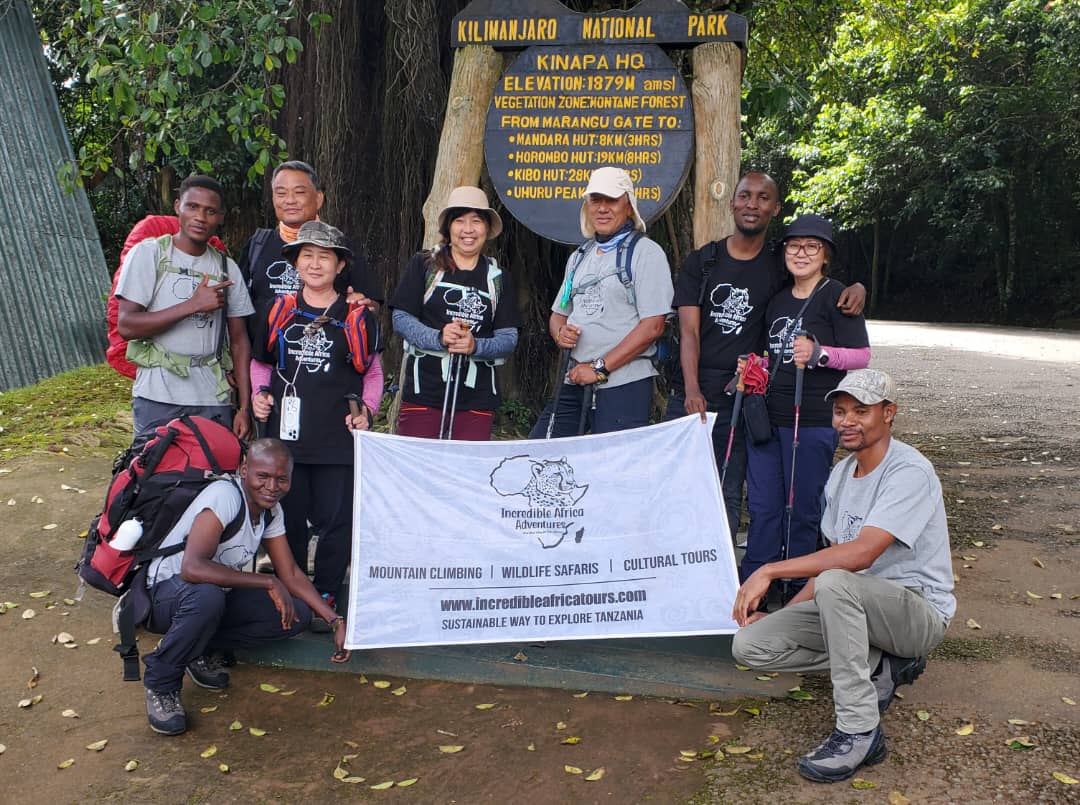
Kilimanjaro Climbing
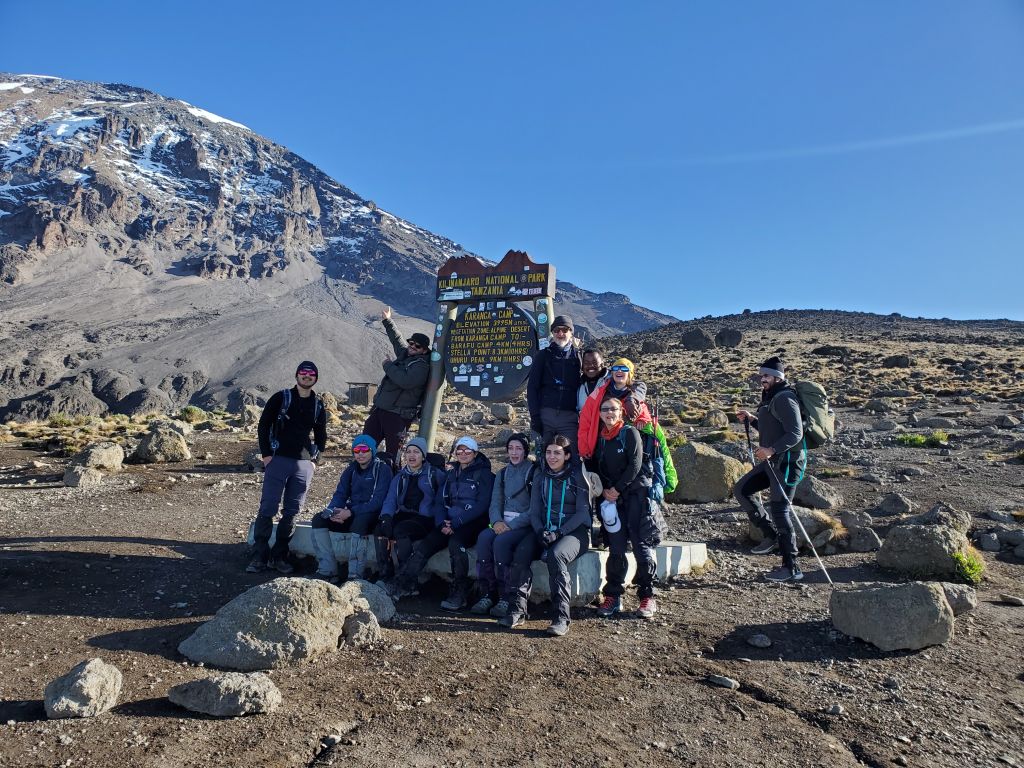
Kilimanjaro Climbing
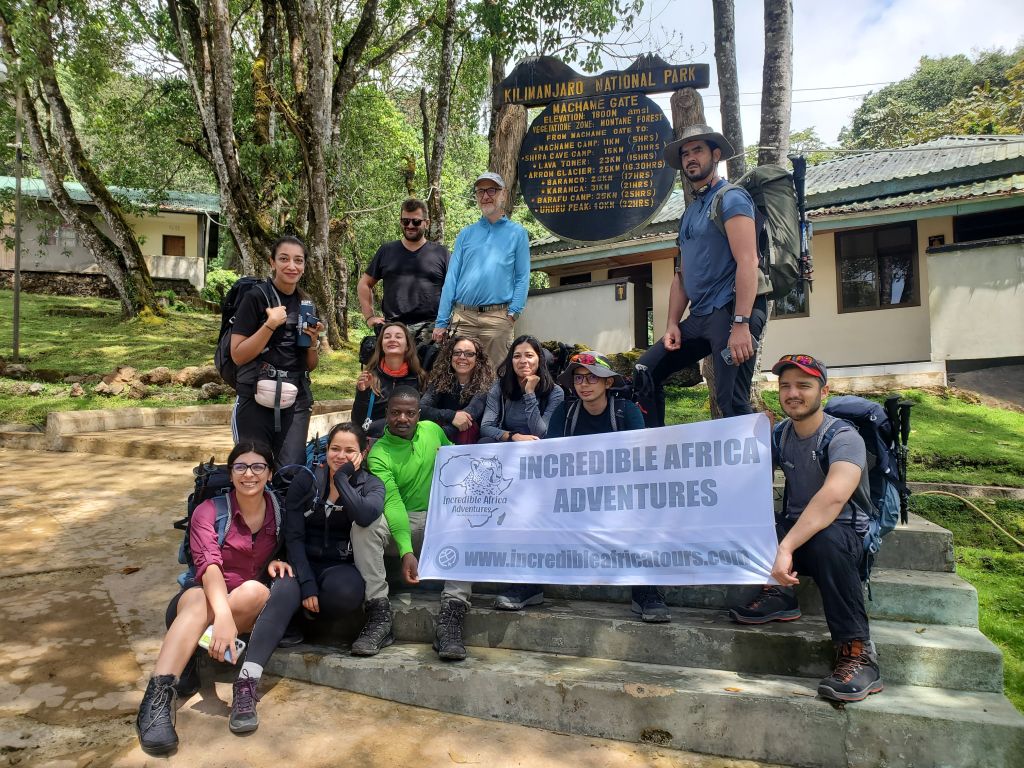
Kilimanjaro Climbing
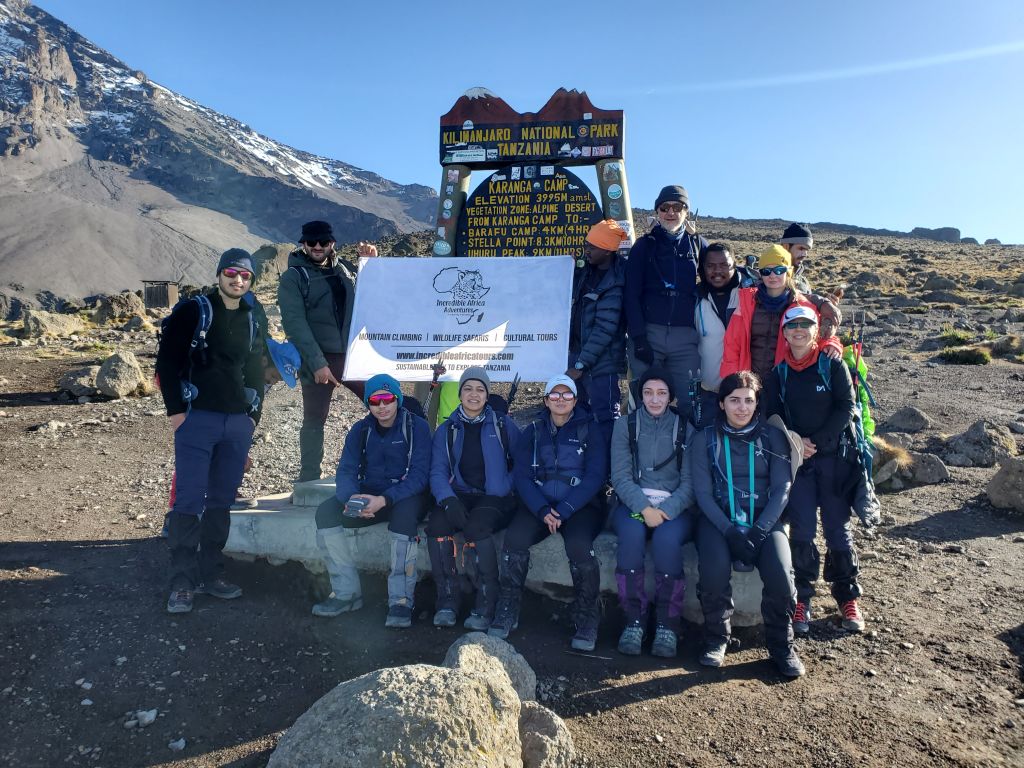
Kilimanjaro Climbing