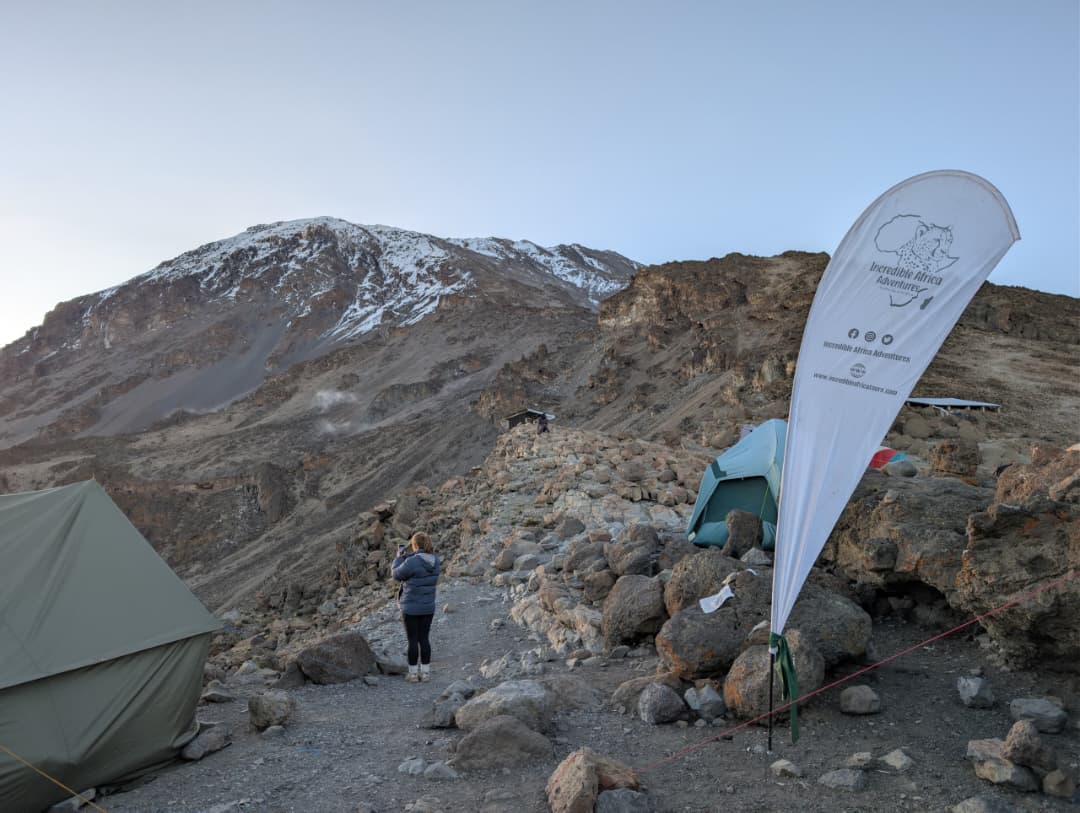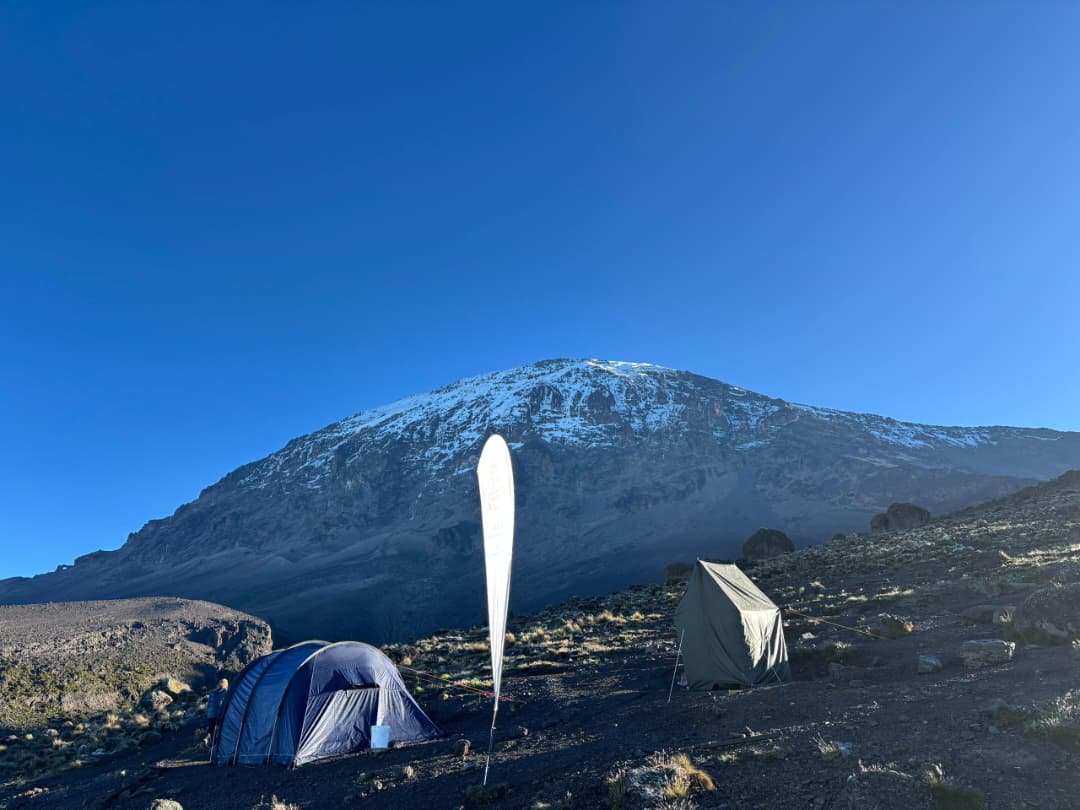
Mount Meru, Tanzania’s second-highest mountain at 4,566 meters (14,980 feet), offers one of East Africa’s most spectacular trekking experiences. Located in Arusha National Park, this impressive volcanic peak provides breathtaking views, dramatic landscapes, and an excellent acclimatization climb for those preparing to summit Mount Kilimanjaro.
A common question travelers ask when planning their adventure is: What is the best time to climb Mount Meru?
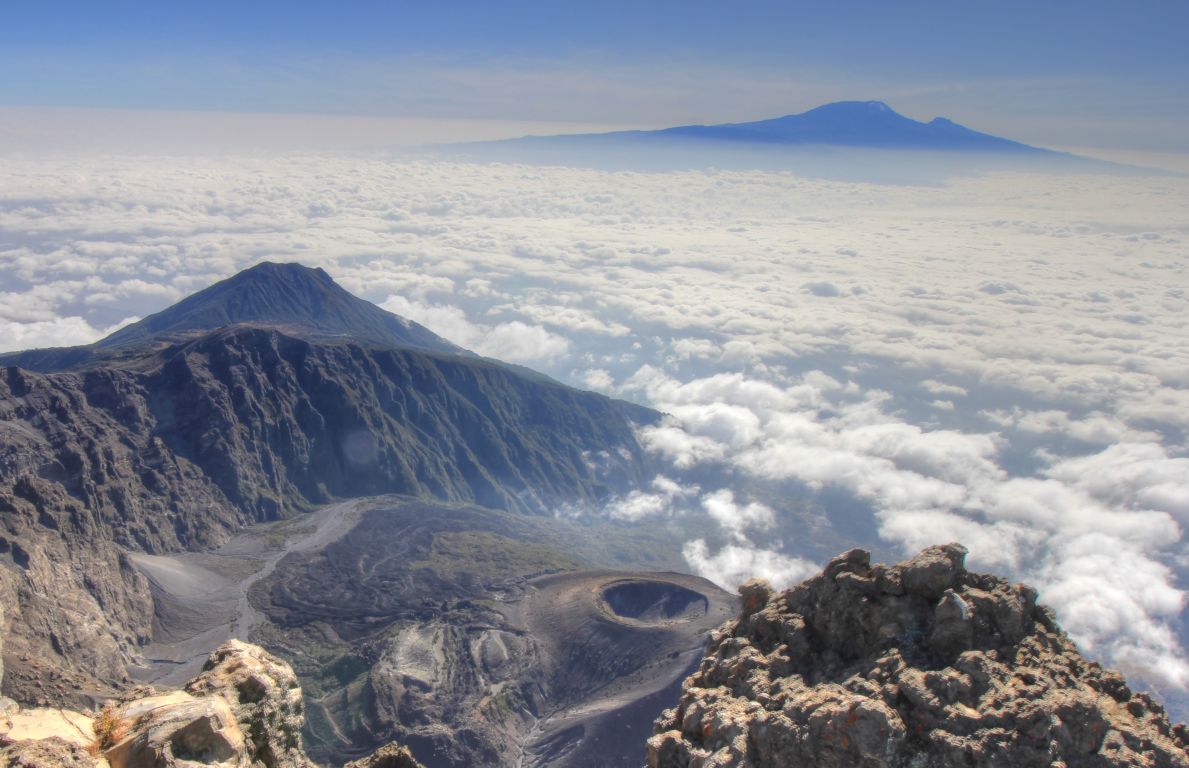
The best time to climb Mount Meru is generally during the dry seasons from December to early March and from June to October. These months offer the most stable weather conditions, clearer skies, and safer trekking trails. During these periods, climbers can enjoy panoramic views of the surrounding landscapes and, on clear mornings, stunning views of Mount Kilimanjaro rising above the clouds in the distance.
Although climbing Mount Meru is possible throughout much of the year, understanding the seasonal weather patterns can help you choose the most comfortable and rewarding time for your trek.
Mount Meru experiences two main seasons that affect trekking conditions:
Dry seasons generally provide better visibility, safer trails, and more pleasant trekking conditions. However, each season offers its own unique atmosphere and scenery.
The period between December and early March is considered one of the best times of year to climb Mount Meru. During these months, the weather is typically stable with relatively low rainfall and warm daytime temperatures.
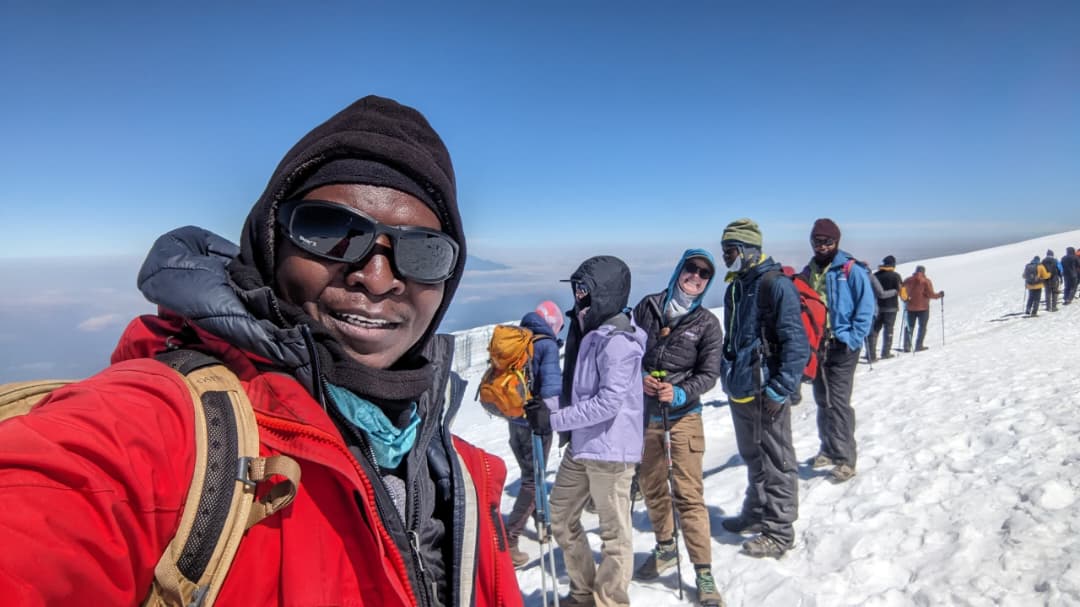
Trekkers often enjoy clear skies that allow spectacular views of the surrounding plains and nearby Mount Kilimanjaro, especially during sunrise from the summit at Socialist Peak. The rainforest slopes of Mount Meru are lush and vibrant during this time, creating a beautiful contrast between the green forests and the rugged volcanic landscape higher up the mountain.
Because of the favorable weather conditions, this season can be moderately busy with climbers from around the world. Nevertheless, the mountain remains far quieter than Kilimanjaro, offering a more peaceful trekking experience overall.
From mid-March to May, Tanzania experiences the long rainy season, and trekking conditions on Mount Meru become more challenging.
Heavy rainfall can make forest trails muddy and slippery, particularly in the lower sections of the mountain. Cloud cover is also more frequent, which may limit panoramic views from higher elevations.
For these reasons, many climbers choose to avoid Mount Meru during this period. However, experienced trekkers who enjoy solitude and dramatic mountain scenery may still attempt the climb with proper preparation and guidance.
The months between June and October form the long dry season in northern Tanzania and are widely regarded as the best time to climb Mount Meru.
During this period, the weather is generally dry with clear skies and excellent visibility. Trekking conditions are stable, and the trails are easier to navigate compared to the rainy months.
One of the highlights of climbing Mount Meru during this season is the breathtaking view of Mount Kilimanjaro from the summit ridge, especially at sunrise. The crisp mountain air and clear horizons create unforgettable photographic opportunities.
September is particularly popular among trekkers because the skies are often exceptionally clear, offering remarkable views across the landscapes of Arusha National Park and the Great Rift Valley.
November marks the arrival of Tanzania’s short rainy season, which usually lasts until early December.
Rainfall during this period tends to be lighter and more intermittent than during the long rains earlier in the year. Nevertheless, trekking trails can still become slippery, and cloud cover may reduce visibility.
Because of these conditions, November is generally considered a quieter period for climbing Mount Meru. Some adventurous travelers still choose to climb during this time, particularly if they prefer peaceful trails and fewer climbers on the mountain.
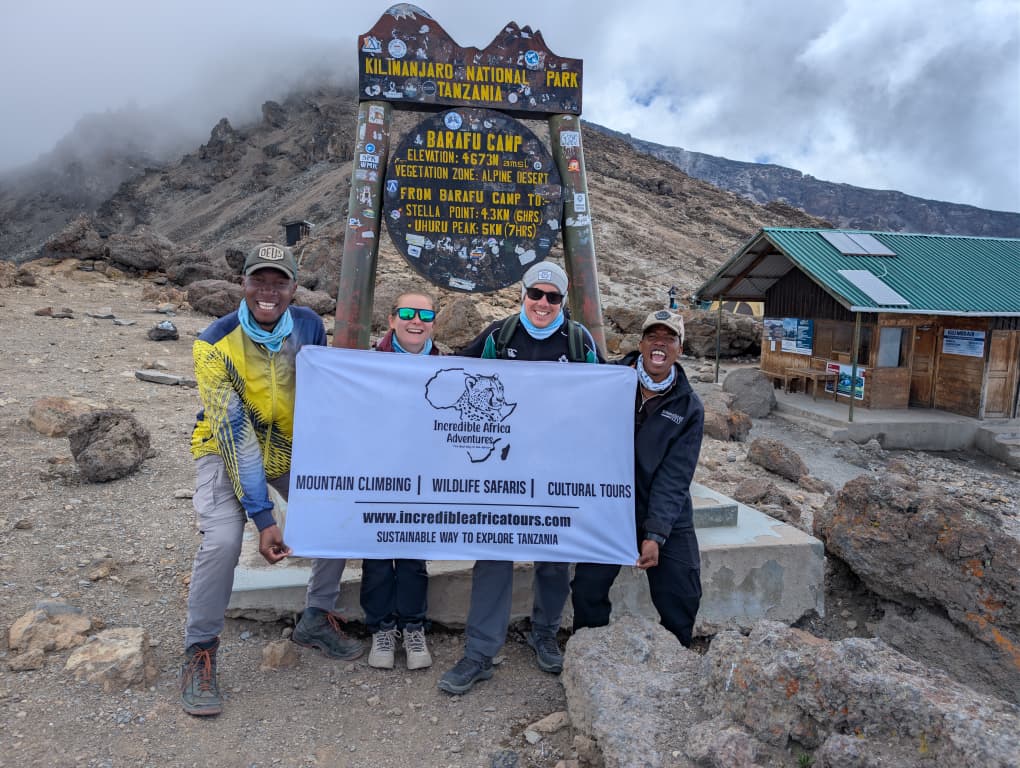
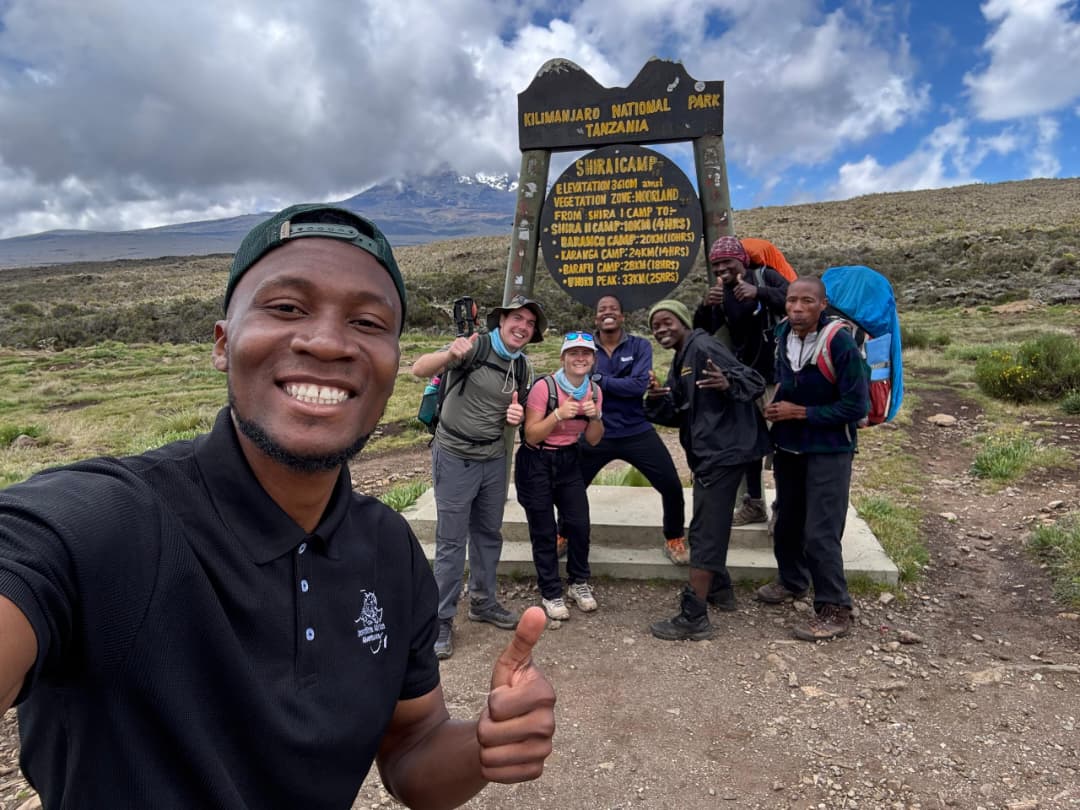
Many climbers choose to trek Mount Meru before attempting Mount Kilimanjaro. The altitude gain and gradual trekking profile of Mount Meru provide excellent acclimatization for higher elevations.
Completing a Mount Meru climb before Kilimanjaro allows the body to begin adapting to altitude while also offering a spectacular standalone adventure.
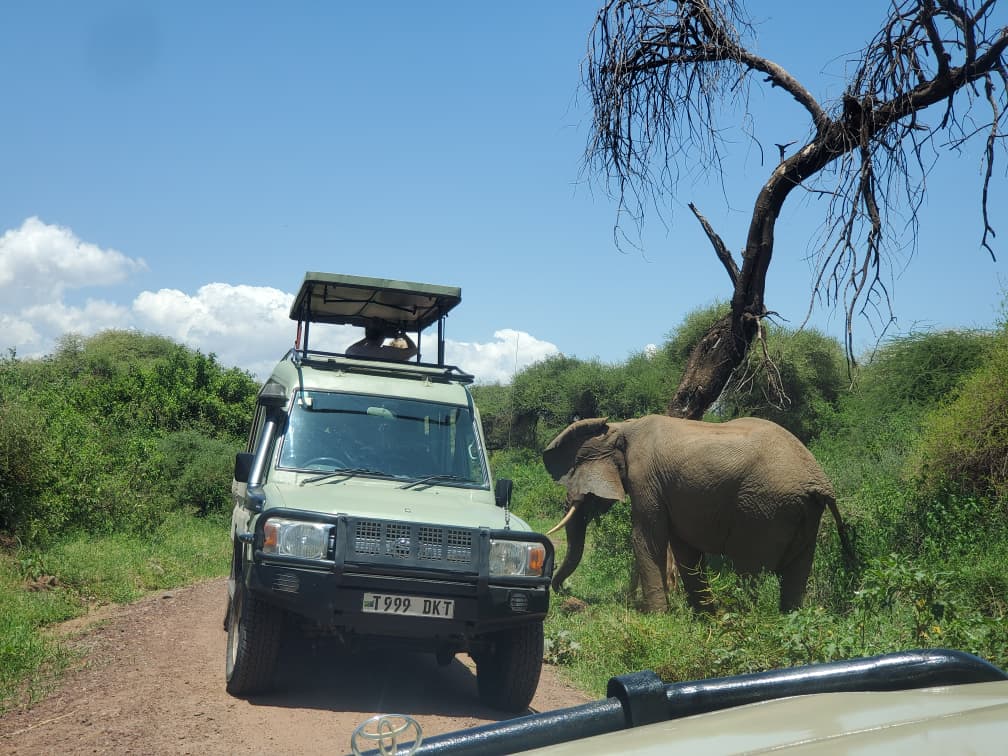
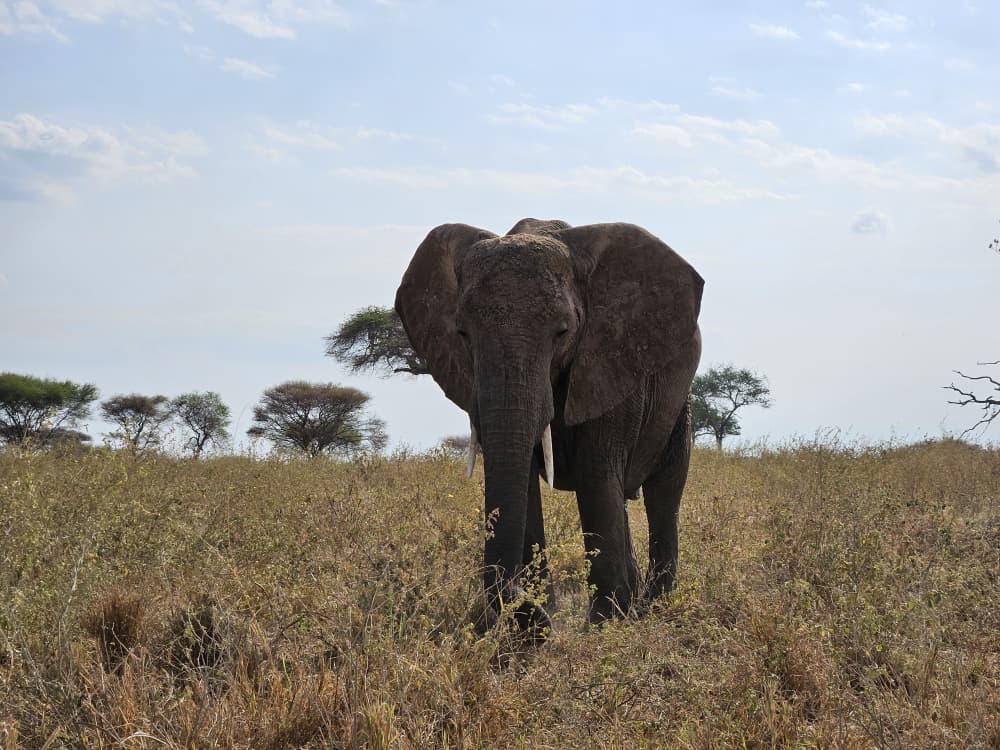
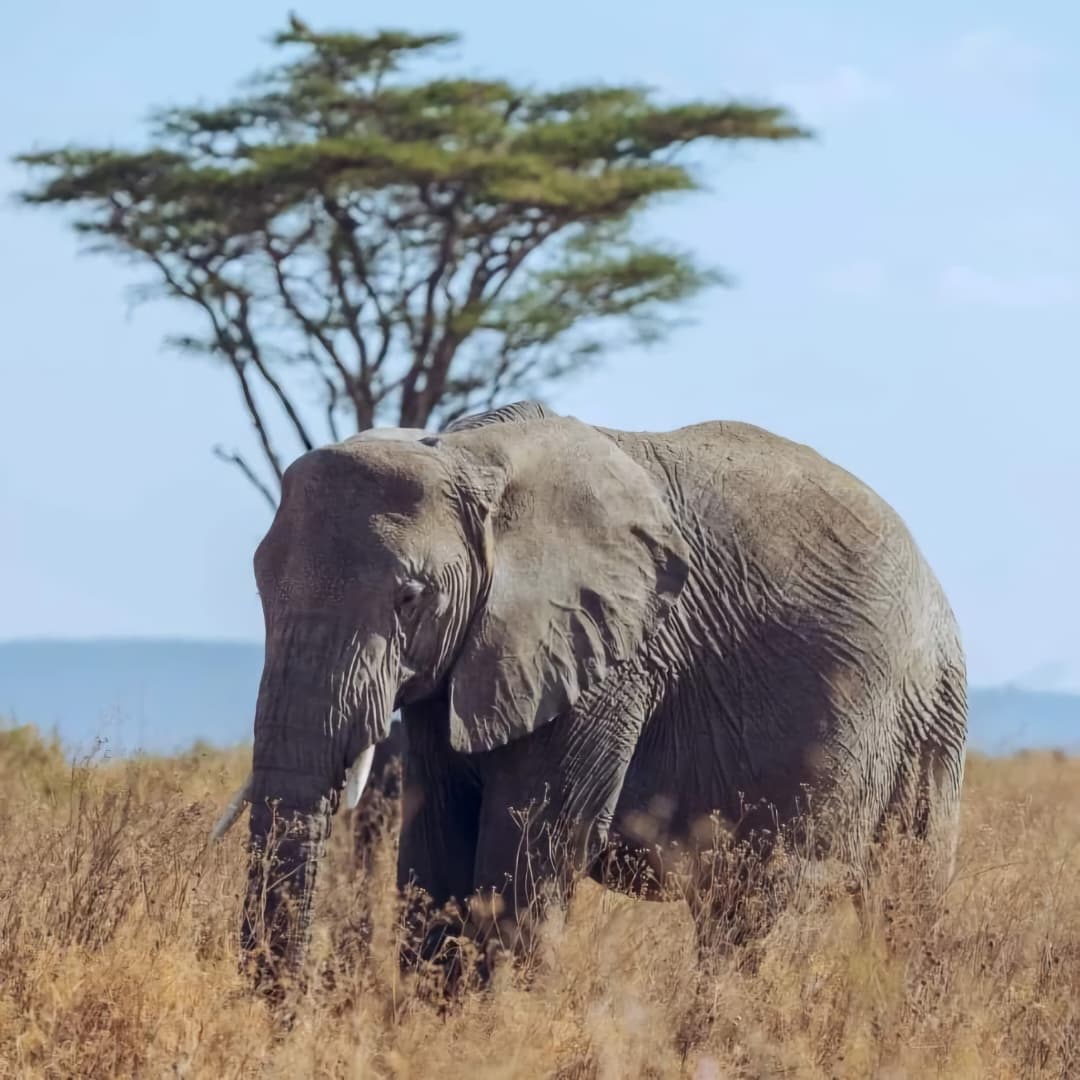
The trek passes through diverse landscapes, including rainforest, moorland, volcanic ridges, and dramatic crater views. Wildlife such as giraffes, buffalo, and monkeys can often be seen in the lower sections of Arusha National Park, making the experience even more unique.
The best time to climb Mount Meru ultimately depends on your personal preferences, travel schedule, and tolerance for changing weather conditions.
For the most stable weather and best trekking conditions, the dry seasons between December and early March and June to October remain the ideal times to attempt the climb. These months offer clear skies, safer trails, and breathtaking views across northern Tanzania’s landscapes.
Regardless of when you choose to climb, Mount Meru provides an extraordinary trekking experience filled with dramatic scenery, rich wildlife encounters, and unforgettable sunrise views from the summit.
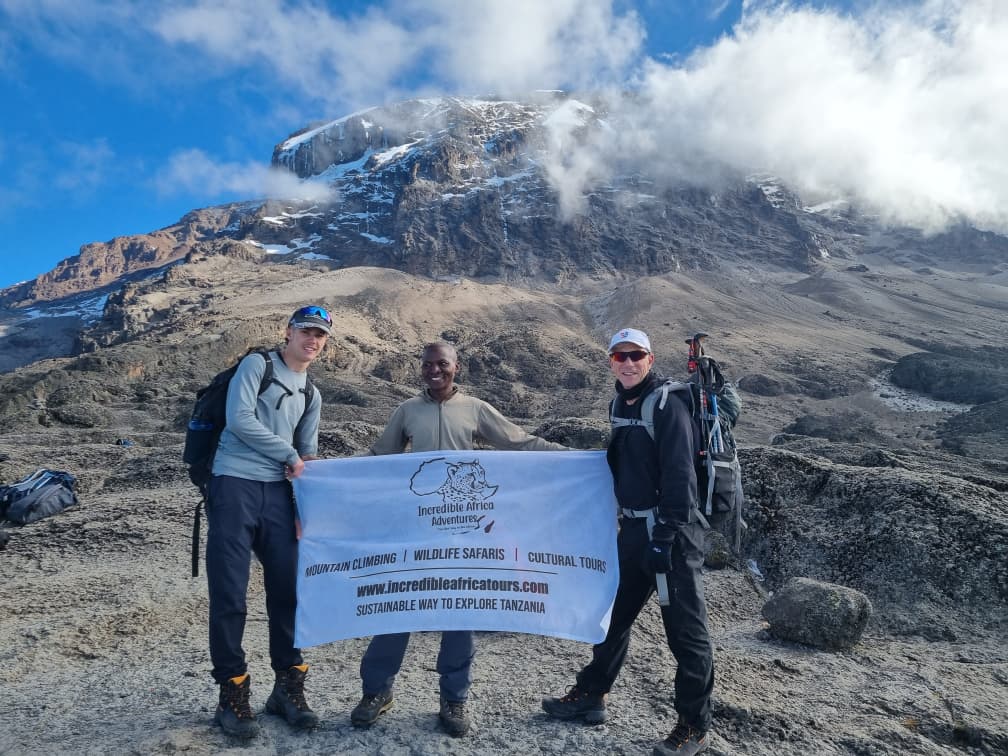
At Incredible Africa Adventures, we specialize in organizing safe, ethical, and unforgettable Mount Meru treks guided by experienced local professionals.
Our carefully planned itineraries ensure proper pacing, excellent safety standards, and comfortable camping arrangements throughout the journey.
Whether you are climbing Mount Meru as a standalone adventure or preparing for a Mount Kilimanjaro expedition, our team will guide you every step of the way.
Mount Meru is one of Tanzania’s most underrated trekking experiences, offering stunning scenery, diverse wildlife, and incredible views of Africa’s highest mountain.
If you are ready to explore this spectacular peak, contact Incredible Africa Adventures today and begin planning your unforgettable Mount Meru climb.
Drop us a line. Our tour experts will answer all your questions shortly